Divine Revelation in Art: Capturing Moments of Spiritual Light and Wonder through the Ages
Explore the profound beauty of divine revelation in art. From Baroque chiaroscuro to sacred iconography, discover how masterworks capture spiritual light and transcendence. Perfect for art enthusiasts seeking inspiration and timeless elegance for their collections.
Introduction To step into the presence of religious art is to enter a dialogue with the infinite. For centuries, the canvas and the stone have served as the primary vessels for humanity's most profound questions, capturing the whispers of the divine ...
To step into the presence of religious art is to enter a dialogue with the infinite, a space where the boundaries between the earthly and the divine begin to blur. For centuries, the canvas has served as much more than a mere surface for pigment; it has acted as a sacred window, capturing the whispers of the divine and the weight of mortal devotion. To explore these works is not merely to study history, but to embark on a journey through the deepest corridors of the human soul. Throughout the ages, artists have sought to give form to the formless, using the tools of their craft to translate complex theological mysteries into a visual language that transcends literacy and status.
Whether through the serene, symbolic stillness of an ancient icon or the grand, theatrical displays found in Baroque cathedical architecture, art provides a vessel for storytelling and meditation. These masterpieces are mirrors reflecting the collective hopes, fears, and aspirations of entire civilizations. In our modern, fast-paced world, these works remain strikingly relevant, offering us a rare opportunity to pause and reconnect with themes of sacrifice, redemption, and peace. They remind us that the search for meaning is a universal human endeavor, inviting us to look closer and feel deeper into the heart of the miraculous.
Chiaroscuro and the Divine: The Dramatic Interplay of Light and Shadow
In art, chiaroscuro (English: kee-AR-ə-SKOOR-oh, -SKURE-, Italian: [ˌkjaroˈskuːro]; lit. 'light-dark') is the use of strong contrasts between light and dark, usually bold contrasts affecting a whole composition. It is also a technical term used by a...
In the realm of the spiritual, light does not merely illuminate; it reveals the very soul of the subject. This profound truth is perhaps most masterfully expressed through chiaroscary, the dramatic use of strong contrasts between light and dark. During the Baroque era, this technique became a primary tool for artists to illustrate the struggle between the earthly and the eternal. By employing deep, impenetrable shadows, painters could create a sense of mystery and weight, allowing sudden bursts of piercing, divine illumination to command the viewer's attention.
Consider the works of the Spanish master Francisco de Zurbarán, often referred to as the King of the Spanish Baroque. In his hands, light possesses a monastic gravity—a stillness so potent that one can almost hear the hushed prayers of an ascetic. His mastery of tenebrism transforms simple religious devotion into an immersive, tactile experience, where every glint of light upon a saint’s countenance feels like a direct encounter with grace. Similarly, in the Neapolitan sphere, artists like Giovan Battista Beinaschi utilized these dramatic shadows to convey profound spiritual narratives with an energy that captivated audiences, proving that what remains unseen in the darkness is often as vital as what is revealed by the light.
Moments of Transcendence: Analyzing Ecstasy and Martyrdom in Baroque Masterpieces
Captivating Subject and Spiritual Significance This exquisite painting captures the intense spiritual ecstasy of Mary Magdalene, a revered biblical figure symbolizing penitence, divine love, and mystical union. Depicted in a moment of profound transc...
The most captivating moments in religious art are those that capture the peak of human emotion—the precise second when the physical body surrendering to spiritual ecstasy or the quiet resolve of martyrdom. These works invite viewers into private, profound moments of transcendence. In Artemisia Gentileschi’s exquisite depiction of Mary Magdalene in Ecstasy, we witness a moment of deep emotional and spiritual awakening. As she reclines with eyes closed, her face is illuminated by an inner glow, conveying a sense of mystical union and divine love that resonates deeply with anyone who appreciates the transformative power of faith.
In contrast to the soft glow of ecstasy, the art of martyrdom presents a more visceral, powerful form of devotion. The sculpture of Saint Serapion by Zurbarán exemplifies this, capturing a profound moment of sacrifice. Though bound and restrained, the saint’s expression conveys an unwavering conviction and spiritual transcendence that transcends his physical suffering. These depictions of intense emotion—whether through the dynamic diagonal compositions of the Baroque or the meticulous rendering of facial expressions—serve to evoke empathy and reverence, reminding us of the resilience of the human spirit in the face of the divine.
Symbolism and Iconography: Decoding the Hidden Language of Spiritual Devotion
Iconography, as a branch of art history, studies the identification, description and interpretation of the content of images: the subjects depicted, the particular compositions and details used to do so, and other elements that are distinct from arti...
To truly understand religious art, one must learn to read its hidden vocabulary, known as iconography. Every element within a composition is often imbued with symbolic meaning, acting as a coded message for the faithful. A single object can carry the weight of entire theological doctrines. For instance, in many depictions of holy figures, a pomegranate may be held as a powerful symbol of resurrection, eternal life, and spiritual rebirth. Similarly, a simple cross or staff serves as a testament to faith and sacrifice.
Even the most subtle details, such as the use of a halo—a crown of light rays or a circular glow surrounding a sacred figure—serve to indicate holiness across various traditions, from Christianity to Buddhism. In the architectural wonders like the Santa Chiara Monastery in Naples, these symbols are woven into the very fabric of the space, where gilded stucco and magnificent stained glass bathe the sanctuary in an ethereal light. By decoding these symbols, we move beyond mere aesthetic appreciation and begin to participate in the profound, silent conversation between the artist and the divine.
Bringing the Sublime Home: Curating Spiritual Atmosphere in Modern Interiors
Introduction Step into a space where the boundaries between the earthly and the divine begin to blur. To explore religious art is not merely to study history; it is to embark on a journey through the deepest corridors of the human soul. For centuries...
In an age of digital noise and constant distraction, there is a growing desire to bring the stillness and contemplative power of classical art into our personal living spaces. Integrating pieces that evoke spiritual light and wonder can transform a room from a mere physical space into a sanctuary of peace. Whether it is a large-format mural that recreates the grandeur of a historical ceiling or a carefully selected multi-panel set that anchors a wide wall, art with emotional gravity provides a focal point for introspection.
At ArtsDot.com, we believe that everyone should have the confidence to decorate meaningfully. You do not need to be an academic to appreciate the profound impact of a well-placed masterpiece. We specialize in helping you discover art that resonates with your personal vibe, offering everything from hand-painted oil reproductions that capture the tactile depth of original brushstrokes to custom commissions that turn your own milestones into timeless works of art. By choosing pieces that celebrate light, shadow, and transcendence, you can curate a home environment that serves as a lasting reminder of beauty and the infinite.
Discover more at ArtsDot.com — The Welcoming Discovery Store.
Elevate your space with premium hand-painted reproductions of iconic Saint artworks. From Baroque drama to custom modern remixes, discover museum-quality oil paintings designed for the sophisticated collector seeking timeless spiritual grandeur.
Explore the profound intersection of faith and light. Discover how Impressionist masters captured spiritual devotion through luminous color and texture. From Monet to Van Gogh, journey through a curated world of divine beauty and timeless artistry with ArtsDot.com.



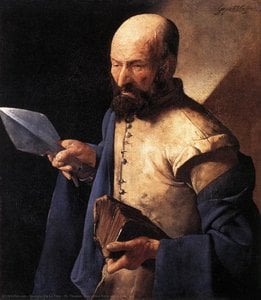


 Divine Visions: Top 10 Masterpieces of Religious Art Through the Ages
 Chiaroscuro
 Mary Magdalene in Ecstasy
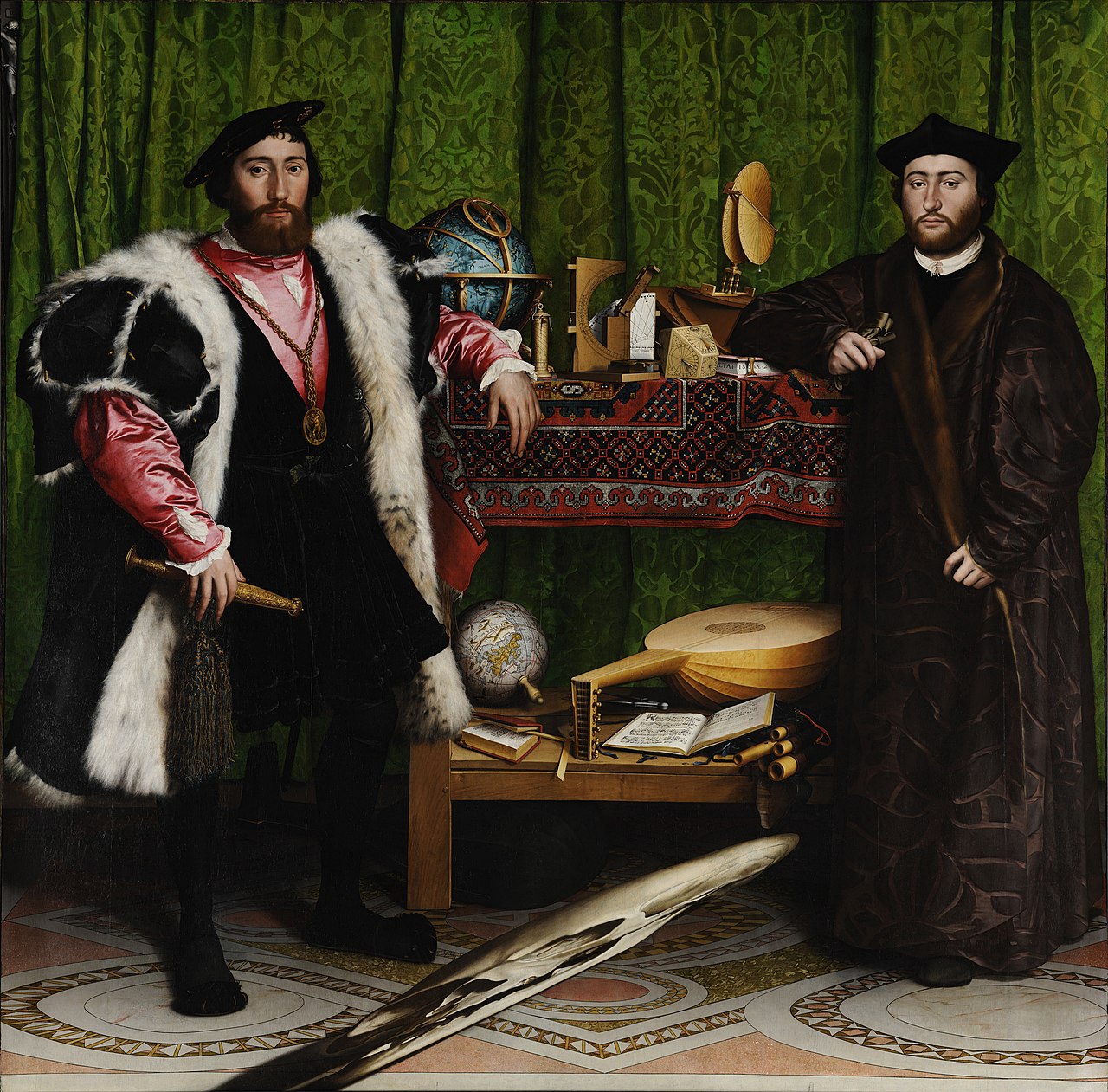 Iconography
 Divine Visions: Top 10 Masterpieces Exploring Religious Themes


