![The Anatomy Lecture Of Dr. Nicolaes Tulp [1632] — Rembrandt Van Rijn](/media/artworks/images-thumb/e5/fc/e5fcb33447eac6b24ab049b22effa1a3.jpg)


Introduction
Art has always been a mirror reflecting humanity’s deepest emotions – joy, sorrow, peace, and, perhaps most powerfully, drama. From the earliest cave paintings depicting hunts fraught with peril to the grand narratives of Renaissance masters, artists have sought to capture moments of intense feeling, conflict, and transformation. This collection, ‘Top 10 Artworks Capturing a 'Dramatic' Vibe or Mood,’ isn’t simply about visually striking images; it’s an exploration into the very essence of human experience as interpreted through the lens of artistic genius.
Historically, dramatic tension in art often arose from religious narratives, mythological tales, and historical events. The Baroque period, for example, flourished with works designed to evoke awe and emotional response – think Caravaggio’s stark chiaroscuro or Bernini's theatrical sculptures. The Romantic era then shifted focus inward, emphasizing individual emotion and the sublime power of nature, often portraying scenes of turmoil and passion. Later movements like Symbolism and Expressionism delved even deeper into psychological states, using distorted forms and intense colors to convey inner worlds.
But why do these artworks continue to resonate with us centuries later? The answer lies in their universality. The emotions they depict – grief, fear, longing, defiance – are timeless and cross-cultural. They tap into something fundamental within the human psyche, offering a powerful means of connection and understanding. These aren’t just paintings; they're windows into shared experiences.
Over the following list, we will journey through ten exceptional pieces that exemplify this dramatic power. Each artwork has been carefully selected not only for its aesthetic brilliance but also for its ability to stir emotion and provoke thought. Prepare to be captivated by stories of heroism and tragedy, beauty and despair, as we uncover the enduring legacy of art’s most compelling moments.
The Scream - Edvard Munch
 The Scream - Edvard Munch
Edvard Munch’s The Scream (1893) isn't merely a painting; it’s a primal echo of the modern soul. The figure, hands clasped to its face in a gesture of silent anguish, embodies a feeling so universal – existential dread, overwhelming anxiety – that it transcends time and culture. It’s a visceral representation of inner turmoil, a scream not *at* the world, but *from* within it.
Its place among the Top 10 Artworks Capturing a 'Dramatic' Vibe or Mood is undeniable. Emerging from the Expressionist movement, Munch rejected academic realism to explore the raw power of emotion. The swirling lines and fiery hues – oranges bleeding into turbulent blues – aren’t depictions of a landscape, but projections of an internal state. This was a radical departure for its time, paving the way for future generations of artists to prioritize emotional truth over objective representation.
The enduring power of The Scream lies in its ability to connect us to something deeply human. It reminds us that even in isolation, we are not alone in experiencing moments of profound unease and despair. At , we believe art should be accessible, allowing everyone to experience this emotional resonance firsthand. Our faithful reproductions capture the texture, color, and intensity of Munch’s original masterpiece, bringing a touch of dramatic beauty – and perhaps a moment of shared understanding – into your home. Explore our collection of Expressionist paintings and discover artworks that speak to the soul.
Three Musicians - Pablo Picasso
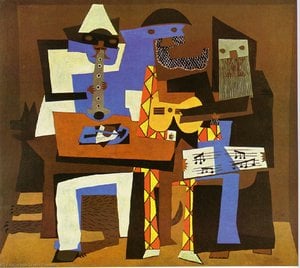 Three Musicians - Pablo Picasso
Imagine a dimly lit café, the air thick with smoke and the murmur of conversation. A trio of figures – Harlequin, Pierrot, and a monk – lost in their own world, creating music that’s both joyful and melancholic. This is the atmosphere Pablo Picasso evokes in Three Musicians (1921), a masterpiece of Synthetic Cubism.
More than just a depiction of musicians, this painting captures a yearning for connection and renewal following the devastation of World War I. Picasso’s fragmented forms – bold geometric shapes and vibrant color blocks – aren't about realism; they’re about dissecting and reassembling emotion itself. The influence of *Commedia dell'arte* adds another layer, with each character embodying a specific archetype of wit, pathos, and contemplation.
Why does it belong among the Top 10 Artworks Capturing a 'Dramatic' Vibe or Mood? Because it’s a testament to the power of art to transform pain into beauty. The painting’s energy is contained yet explosive, reflecting both the chaos and the hope of its time. At , we understand that bringing such powerful imagery into your home can be profoundly moving. Our reproductions faithfully capture the texture and vibrancy of Picasso's original work, allowing you to experience this iconic piece – and the emotions it evokes – every day. Explore our Cubist art collection and discover how art can enrich your space.
The Young Ladies of Avignon - Pablo Picasso
 The Young Ladies of Avignon - Pablo Picasso
To stand before Picasso’s Les Demoiselles d'Avignon (1907) is to encounter a seismic shift in the history of art – a moment where centuries of tradition were deliberately, and brilliantly, shattered. This monumental work isn’t simply about five female figures; it’s about the birth of Cubism and the dawn of modern visual expression.
Its inclusion among the Top 10 Artworks Capturing a 'Dramatic' Vibe or Mood stems from its sheer audacity. Picasso rejected idealized beauty, instead presenting fragmented forms, angular bodies, and unsettling gazes that force a direct confrontation with the viewer. Influenced by African masks and Iberian sculpture, he created a new visual language – one that prioritized emotion, perspective, and the raw power of abstraction.
The painting’s impact reverberates through generations of artists. At , we believe in preserving this legacy, offering faithful reproductions that capture the texture, color, and revolutionary spirit of Picasso's masterpiece. Imagine Les Demoiselles d'Avignon gracing your space – a bold statement piece that speaks to a refined taste and an appreciation for art’s enduring power. Explore our collection of modern art and discover how iconic works can transform your environment.
Las Meninas or The Family of Philip IV - Diego Rodríguez de Silva y Velázquez
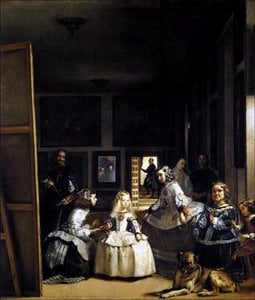 Las Meninas or The Family of Philip IV - Diego Rodríguez de Silva y Velázquez
Step into the hushed grandeur of a Spanish palace, bathed in the soft glow of natural light – and you’ll find yourself within the world of Diego Velázquez’s Las Meninas (1656). This isn't simply a portrait; it’s a profound meditation on seeing, being seen, and the very nature of reality itself.
Its place among the Top 10 Artworks Capturing a 'Dramatic' Vibe or Mood is secured by its unparalleled innovation. Velázquez breaks down traditional boundaries between artist and subject, inviting us into his studio and challenging our perception of what we observe. The inclusion of the royal family – reflected in a mirror – adds layers of complexity and intrigue.
The painting’s masterful use of light and shadow, combined with Velázquez’s loose brushstrokes, creates an atmosphere of both intimacy and formality. At , we believe that art should enrich our lives, bringing moments of quiet contemplation into our homes. A reproduction of Las Meninas can evoke a similar sense of dignified elegance – a timeless reminder of the power of observation and the beauty of artistic expression. Explore our collection of Baroque paintings and discover how art can transform your space.
The Third of May, 1808 The Execution of the Defenders of Madrid - Francisco José de Goya y Lucientes
 The Third of May, 1808 The Execution of the Defenders of Madrid - Francisco José de Goya y Lucientes
Imagine a cold night air, the scent of gunpowder lingering, and the chilling sight of soldiers preparing to carry out an unthinkable act. Francisco Goya’s The Third of May 1808 isn't just a painting; it’s a visceral cry against brutality – a timeless emblem of resistance and human suffering.
Its place among the Top 10 Artworks Capturing a 'Dramatic' Vibe or Mood is undeniable. Goya abandoned idealized forms in favor of raw realism, employing dramatic *chiaroscuro* and loose brushwork to amplify the scene’s emotional impact. The central figure, arms outstretched in a gesture reminiscent of Christ on the cross, embodies both defiance and despair.
This painting transcends its historical context – the execution of Spanish insurgents by Napoleon’s forces – to speak to universal themes of injustice and oppression. At , we believe that art should provoke thought and inspire empathy. A reproduction of The Third of May 1808 can serve as a powerful reminder of our shared humanity – a striking focal point for any space seeking depth and meaning. Explore our collection of Romantic paintings and discover artworks that resonate with your soul.
Olympia - Édouard Manet
 Olympia - Édouard Manet
There’s a quiet defiance in Édouard Manet’s Olympia (1863) – a gaze that meets yours directly, refusing to be objectified. This isn't simply a nude; it’s a revolutionary statement that shattered academic conventions and ushered in an era of modern realism.
Its place among the Top 10 Artworks Capturing a 'Dramatic' Vibe or Mood stems from its unapologetic honesty. Manet stripped away mythological pretense, presenting nudity as a fact of contemporary life – a bold move that sparked outrage and ignited debate. The painting’s loose brushwork and stark composition further challenged traditional notions of beauty.
At , we believe in the power of art to provoke thought and inspire conversation. A reproduction of Olympia can serve as a striking focal point for any space – a reminder that true artistry lies not just in technical skill but also in challenging perceptions. Explore our collection of Realist paintings and discover how art can transform your environment.
Number 1, 1949 - Paul Jackson Pollock
 Number 1, 1949 - Paul Jackson Pollock
Imagine standing before a canvas teeming with energy – a swirling vortex of lines and colors that seems to pulse with life. This is the experience of encountering Jackson Pollock’s Number 1, 1949 (1950), a monumental expression of Abstract Emotion.
Its inclusion among the Top 10 Artworks Capturing a 'Dramatic' Vibe or Mood stems from its revolutionary approach to painting. Pollock rejected traditional methods, laying his canvas on the floor and using “drip” techniques to express raw emotion directly onto the surface. This wasn’t about depicting something; it was about the act of creation itself.
The artwork evokes a sense of vastness and depth, inviting prolonged contemplation. Subtle hints of color within the predominantly muted palette offer delicate contrast. At , we believe in bringing this energy into your home. A reproduction of Number 1, 1949 can serve as a striking focal point – a reminder that art has the power to transform spaces and inspire authentic expression. Explore our collection of Abstract Expressionist paintings and discover how art can elevate your environment.
Marilyn Diptych - Andy Warhol
 Marilyn Diptych - Andy Warhol
To encounter Andy Warhol’s Marilyn Diptych (1962) is to stand before a requiem for an icon – and a profound meditation on the very nature of fame. This isn't simply a portrait; it’s a monumental statement on mortality, mass media, and the contradictions inherent in celebrity culture.
Its place among the Top 10 Artworks Capturing a 'Dramatic' Vibe or Mood is secured by its revolutionary approach to image-making. Warhol masterfully employed silkscreen printing – mirroring the mechanics of mass production – to create fifty near-identical images of Monroe, echoing her relentless reproduction in magazines and television. The stark dichotomy between vibrant color and fading black and white speaks volumes about life, death, and the ephemeral nature of glamour.
At , we believe that art should spark conversation and inspire reflection. A reproduction of Marilyn Diptych can serve as a striking focal point for any space – a reminder of our complex relationship with fame and the images that shape our world. Explore our collection of Pop Art and discover how art can elevate your environment.
Frida Kahlo - `The Two Fridas` - Frida Kahlo
 Frida Kahlo - `The Two Fridas` - Frida Kahlo
“The Two Fridas” (Las Dos Fridas) stands as a cornerstone of Frida Kahlo's oeuvre, completed in 1939 – a year profoundly marked by personal upheaval following her divorce from Diego Rivera. This double self-portrait isn’t merely a depiction of physical likeness; it is a raw and visceral exploration of identity, pain, and the enduring strength found within vulnerability.
1939 was a year of significant global unrest, with Europe bracing for war. However, for Kahlo, the most immediate turmoil stemmed from her separation from Rivera. This deeply affected her sense of self and prompted intense introspection regarding her heritage and emotional state. The painting directly responds to this heartbreak, visually representing the fracturing within her identity. The stormy backdrop subtly mirrors the broader anxieties of the era while primarily reflecting Kahlo’s internal tempest.
Kahlo's style is a captivating blend of Surrealism, Mexican folk art traditions, and unflinching realism. Though often categorized as a Surrealist, she rejected the label, asserting that her work stemmed directly from her reality – a deeply personal and often painful one. The meticulous brushwork and precise detail showcase technical mastery, interwoven with dreamlike elements. Bold lines define forms, while delicate strokes capture intricate details like lace and veins. One Frida, adorned in traditional Tehuana attire – representing her connection to Mexican culture and Rivera's preference – appears resolute. The other, dressed in a European-style dress, embodies the rejected aspect of herself. Their clasped hands, connected by visible arteries leading to exposed hearts, symbolize their shared life force but also vulnerability. A surgical clamp held by the “rejected” Frida alludes to heartbreak, while blood droplets staining the white dress signify loss and suffering.
“The Two Fridas” transcends a simple painting; it’s an intensely personal confession laid bare. It speaks to universal themes of identity crisis, heartbreak, the search for wholeness, and the complexities of self-acceptance. A reproduction of this artwork can serve as a powerful focal point – a reminder that even in moments of profound pain, resilience and beauty can emerge.
Descent from the Cross - Sir Peter Paul Rubens
 Descent from the Cross - Sir Peter Paul Rubens
Peter Paul Rubens’s monumental “Descent from the Cross” (1612–1614) is a cornerstone of Baroque art, captivating viewers for centuries with its dynamic composition and profound emotional depth. Originally commissioned for the Arquebusiers Guild in Antwerp Cathedral, this triptych isn't merely a depiction of a biblical scene; it’s an immersive experience that draws you into the heart of grief, faith, and divine sacrifice.
The artwork portrays the poignant moment when Christ’s body is carefully lowered from the cross after his crucifixion. Unlike earlier depictions focusing solely on sorrow, Rubens emphasizes a controlled descent, orchestrated by a group of men who support the weight of Christ with solemn reverence. The flanking panels expand upon this central scene, offering contextual elements that deepen the narrative – hinting at both mourning and the promise of resurrection.
Rubens’s mastery of the Baroque style is on full display here. Characterized by intense emotion, dramatic lighting (chiaroscuro), and a swirling sense of movement, the painting eschews stillness for dynamic energy. Executed in oil on wood panels, Rubens employed loose, expressive brushwork that imbues the figures with life and texture. The rich color palette—dominated by deep reds symbolizing passion and sacrifice, alongside warm golds and browns—further enhances the emotional impact.
Created during the Counter-Reformation, this work served as a powerful visual affirmation of Catholic faith. Rubens skillfully balanced human emotion with divine grace, portraying Christ not merely as a suffering figure but as a triumphant savior. The inclusion of Saint Christopher, patron saint of travelers and the Arquebusiers Guild, adds another layer of meaning, subtly linking earthly protection to spiritual salvation. The painting reflects the era’s emphasis on accessible religious imagery designed to inspire devotion.
“Descent from the Cross” transcends a simple painting; it’s an intensely personal confession laid bare. It speaks to universal themes of loss, faith and hope. At , we are proud to offer faithful reproductions that capture the emotion and texture of this masterpiece, allowing you to bring a touch of Baroque drama into your own home.
Conclusion
As the light fades on these ten masterpieces, we’re reminded that great art transcends mere history; it becomes a living presence. Each canvas holds not just pigment and brushstrokes, but echoes of human experience – joy, sorrow, faith, loss, rebellion, and longing – sentiments that resonate across centuries and cultures.
These artworks aren't simply objects to be admired from afar; they are invitations to a conversation. A dialogue between the artist’s soul and our own, sparked by color, form, and emotion. They remind us of our shared humanity, offering solace in times of darkness and inspiration in moments of doubt.
To bring such beauty into one's home is to invite that conversation to continue – to surround oneself with echoes of the past and allow them to shape the present. At , we believe in preserving that connection, offering hand-painted reproductions crafted with passion and reverence for the original masterpieces.
We hope this journey through dramatic art has stirred your imagination and awakened a new appreciation for the power of visual storytelling. Explore our full collection to discover even more artworks that speak to your soul, and perhaps find a timeless companion to grace your walls.