

 Preview
 Send
Send Share
Share
 Details

 Download
 Similars
 X-Ray
X-Ray Diaporama
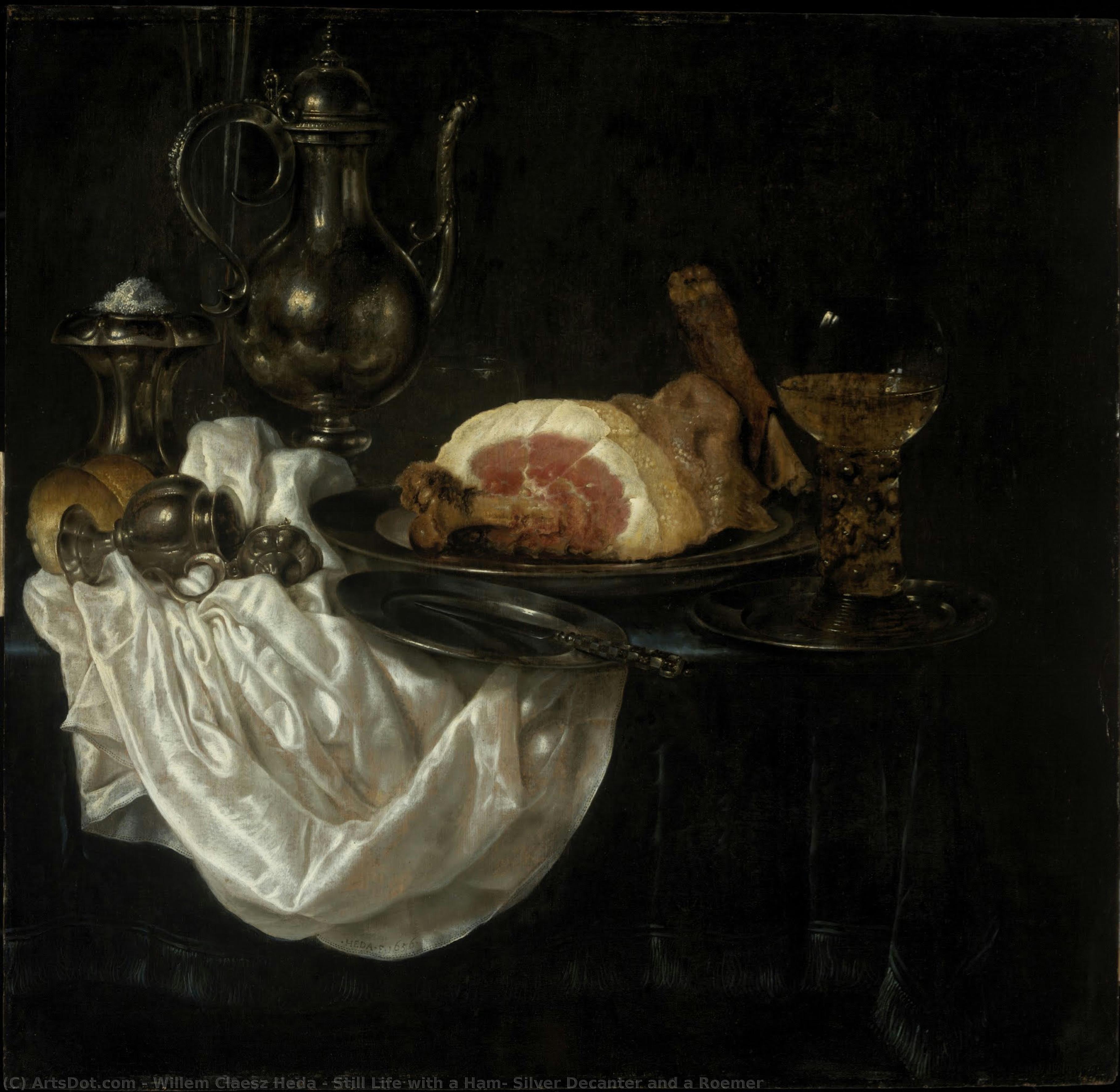
Still Life with a Ham, Silver Decanter and a Roemer
 Acrylic On Canvas
- WallArt
- Dutch Golden Age
 1656
1656 78.0 x 80.0 cm
 Museum of Fine Arts
 Read More
Hand Made Oil Reproduction
Hand-painted oil on canvas in your size and frame, made to order by our artists. ( Buy Print Buy Image)




P118B $10

P118H $10

P118W $10

P438Z $10

P508JH $12

P508YH $12

P805H $10

P805Z $10

P919BZ $10

P919G $10

P919XJ $10

P959ZH $10

P968JZ $12

W106C $8

W218G $10

W218JH $8

W218Y $10

W307PJ $10

W316G $10

W316PJ $8

W316Y $10

W398PJ $8

W4111J $10

W500HY $15

W500JH $15

W692G $12

W849H $8

W940BG $15

W953PJ $8




Pick from our preset sizes that match the artwork's original proportions.

You may enter your own dimensions to fit a specific frame or space. If your selected size does not match the original image's proportions, we will either crop the artwork or extend the painting with additional hand-painted elements. A digital mockup will be sent for your approval before production begins.
Please note that the on-screen preview does not reflect the actual cropping or extension. Only the mockup will accurately show the final composition.
While custom sizes are available, we recommend selecting a dimension from the predefined list to preserve the original proportions.
After order, ArtsDot.com team will email client for instructions and provide a mockup preview
Worldwide Delivery () in 3/4 weeks instead of standard 5 weeks. (19 August). No compromise on quality.

Free Worldwide Express Shipping

High-Quality Linen Canvas

Full Shipping Insurance

Customs Tax Refund Guarantee

True Color Matching Guarantee

60-Day Return Policy (Defects Only)

100% Money-Back Guarantee

Bulk Discount Offer
 Glass option is only available in size under 110 CM

Still Life with a Ham, Silver Decanter and a Roemer
Reproduction Medium
Reproduction Size
-


Total Price
$ 263
Artwork Description
Still Life with Ham (Philippe Rousseau) – A Masterpiece of Late Breakfast Genre
Willem Claesz Heda’s “Still Life with Ham,” painted in 1656, stands as a cornerstone of the late breakfast genre—a distinctive style that emerged during the Dutch Golden Age and captivated audiences with its meticulous observation of everyday life elevated to artistic contemplation. More than just a depiction of foodstuffs, this painting embodies a profound philosophical statement about mortality and remembrance, reflecting the anxieties prevalent in seventeenth-century Europe.
- Subject Matter: The centerpiece is undeniably a ham—a symbol of abundance and prosperity—carefully positioned on a richly ornamented table alongside silver goblets, glassware, and various delicacies. These objects weren’t merely presented for consumption; they served as visual metaphors for the fleeting pleasures of earthly existence.
- Style & Technique: Heda's masterful technique is characterized by a remarkable flatness—a deliberate rejection of perspective that prioritizes tonal harmony and textural detail over illusionistic depth. He achieved this effect through painstaking layering of thin glazes, resulting in surfaces that shimmer with subtle luminescence and convey an astonishing sense of realism.
- Historical Context: Created during the height of Dutch artistic innovation, “Still Life with Ham” aligns itself with a broader trend toward introspective art forms. The genre gained popularity as artists sought to grapple with existential questions—particularly concerning death and the afterlife—and Heda’s work exemplifies this preoccupation.
- Symbolism: Beyond its visual beauty, the painting is laden with symbolic significance. The inclusion of a newspaper—a symbol of contemporary culture—suggests that Heda was acutely aware of his time and intended to engage viewers in a dialogue about their place within the larger human experience. The arrangement of objects—particularly the ham—represents not only sustenance but also the preservation of memory and legacy.
- Emotional Impact: Viewing “Still Life with Ham” evokes a feeling of serene contemplation, prompting reflection on themes of mortality and remembrance. Heda’s masterful rendering of light and texture creates an atmosphere of quiet dignity, inviting viewers to appreciate the beauty of the present moment while acknowledging its inevitable passing.
Currently housed in the Museum of Fine Arts Budapest, this artwork exemplifies the pinnacle of Dutch Golden Age painting—a testament to Heda’s artistic genius and a captivating glimpse into the intellectual landscape of seventeenth-century Europe. Its enduring appeal lies not only in its exquisite craftsmanship but also in its profound philosophical resonance.
Artist Information: Willem Claesz Heda
Born in Haarlem in 1594, Willem Claesz Heda (c. 1680/1682) was a Dutch Golden Age painter who dedicated his entire artistic career to the creation of still lifes. He is celebrated as one of the pioneers of the late breakfast genre—a stylistic innovation that distinguished itself from earlier depictions of opulent feasts.
Heda’s early life remains largely undocumented, though scholars speculate he began painting around 1615. His artistic trajectory was shaped by his affiliation with the Haarlem Guild of St Luke and influenced by contemporaries like Samuel Ampzing—a Dutch minister and poet who captured the spirit of Haarlem in verse.
Additional Research
Further exploration into Willem Claesz Heda’s oeuvre reveals a remarkable consistency in his artistic vision. His meticulous attention to detail—particularly in capturing the subtle nuances of light and texture—established him as a master craftsman whose work continues to inspire admiration.
Notable works include “Breakfast Table,” “Still Life with Fruit,” and “Still Life with Wine Glasses”—each demonstrating Heda’s unwavering commitment to exploring themes of mortality, remembrance, and the beauty of everyday life. His paintings are characterized by a profound stillness—a deliberate rejection of dynamism in favor of contemplative observation.
The Musée du Louvre acquired several pieces by Heda during his lifetime, cementing his reputation as one of the most influential artists of his era. Today, his paintings reside in prestigious museums worldwide—serving as enduring symbols of Dutch artistic excellence and inviting viewers to contemplate the complexities of human existence.
Related Artworks


Artist Biography
A Master of Quiet Moments: The Life and Art of Willem Claesz. Heda
Willem Claeszzoon Heda, born in Haarlem, Netherlands in 1594, stands as a pivotal figure within the Dutch Golden Age—not for grand historical narratives or dramatic allegories, but for the profound beauty he discovered in the commonplace. He dedicated his artistic life almost entirely to still life painting, and within this seemingly limited genre, Heda achieved an extraordinary level of innovation, particularly with what became known as the ‘breakfast piece’. His work isn’t about lavish display; it's a subtle meditation on transience, wealth, and the delicate interplay of light and texture. Born into a family connected to Haarlem’s artistic community—his father was a city architect, and his uncle Cornelis Claesz Heda was also a painter—the young Willem’s path toward artistry seems natural, though details of his early training remain elusive. No surviving works definitively date from his formative years, but scholars estimate he began painting around 1615.The Dawn of the Breakfast Piece and Tonal Realism
Heda's earliest known paintings, including a *vanitas* still life, already hint at the remarkable skill that would define his career. These early works demonstrate a meticulous attention to detail and a monochromatic palette—a departure from the more vibrant compositions typical of earlier Dutch still lifes. However, it was with his breakfast pieces of the 1620s that Heda truly began to forge his unique artistic identity. Unlike their predecessors, which often featured an abundance of objects arranged in a somewhat haphazard manner, Heda’s compositions were characterized by a striking sense of balance and spatial effect. He didn't simply *depict* objects; he rendered them with such realism—the glint of pewter, the delicate curve of a lemon peel, the subtle sheen of a glass roemer—that they seemed to exist independently of the canvas. This commitment to verisimilitude wasn’t merely technical prowess; it was integral to the philosophical undercurrents present in his work. The objects chosen – half-peeled lemons, bread crumbs, overturned glasses – subtly allude to the fleeting nature of earthly pleasures and the inevitability of decay.Recognition and Guild Membership
Heda’s talent did not go unnoticed within the thriving artistic milieu of Haarlem. He garnered early recognition from prominent figures like Samuel Ampzing, a Dutch minister and poet who celebrated the city in verse. In his 1628 *Beschryvinge ende Lof der Stad Haerlem in Holland*, Ampzing enthusiastically praised Heda alongside Salomon de Bray and Pieter Claesz, acknowledging their exceptional skill in banquet pieces. This public endorsement undoubtedly contributed to Heda’s growing reputation and facilitated his acceptance into the Haarlem Guild of St. Luke in 1631. His active participation within the guild—evidenced by his signing a new charter to regulate its affairs—underscores his established position as a respected artist in the community.A Legacy of Subtlety and Influence
Throughout his career, Heda remained largely devoted to still life painting, refining his technique and exploring variations on the breakfast piece theme. He masterfully manipulated light and shadow to create an atmosphere of quiet contemplation, drawing viewers into intimate encounters with everyday objects. While he occasionally ventured beyond breakfast scenes—painting more elaborate banquet settings or *vanitas* compositions—his most enduring legacy lies in his ability to elevate the mundane to the level of art. His influence on subsequent generations of still life painters was profound. Artists like Pieter de Ring and Jan Davidsz. de Heem, though developing their own distinct styles, clearly demonstrate the impact of Heda’s tonal realism and compositional balance. Willem Claesz. Heda didn't simply paint what he saw; he captured a feeling—a sense of stillness, fragility, and the quiet beauty inherent in the passage of time. His work continues to resonate today, offering viewers a glimpse into the heart of Dutch Golden Age life and a timeless reflection on the nature of existence itself.
Willem Claesz Heda
1594 - 1680 , Netherlands
Quick Facts
- Artistic Movement Or Style: Golden Age painting
- Artists Or Movements Influenced By This Artist: ['Salomon de Bray']
- Artists Who Influenced This Artist:
- Gerret Willemsz Heda
- Jan de Bray
- Date Of Birth: December 14, 1594
- Date Of Death: c. 1680
- Full Name: Willem Claesz Heda
- Nationality: Dutch
- Notable Artworks:
- Still Life with a Lobster
- Still Life with a Silver Tazza
- Still Life with a Broken Glass
- Place Of Birth: Haarlem, Netherlands
Related Articles

Golden Age Reflections: Dutch Baroque Painting & Cultural Innovation
Explore the Dutch Golden Age of painting! Discover key artists like Vermeer & ter Borch, their innovative techniques, and the rich cultural context behind these Baroque masterpieces. Learn about collecting & appreciating this iconic art period.

Dutch Masters: 10 Golden Age Paintings That Still Inspire |
Journey into the Dutch Golden Age! Explore 10 iconic paintings by Rembrandt, Vermeer & Hals. Discover the stories behind these Baroque masterpieces and find museum-quality art reproductions to elevate your home decor on .

Illuminating Innovation: Exploring the Dutch Golden Age of Painting
Explore the Dutch Golden Age of painting with ArtsDot. Discover Rembrandt, Vermeer & other Masters. Learn about key characteristics, iconic artworks, and lasting influence. Expert insights for collectors & enthusiasts.

Genre Painting: A Window into Daily Life & Societal Values of the Dutch Golden Age
Explore the captivating world of Dutch Golden Age genre painting! Discover realistic depictions of daily life, masterful artists like Ostade & Metsu, and hidden symbolism. Learn about this influential art movement with ArtsDot.

Abraham Hendricksz van Beyeren: Pioneering Dutch Still Life & the Banquet Tradition
Explore the captivating world of Dutch Golden Age still life with Abraham van Beyeren. Discover his innovative techniques, symbolic banquet scenes & lasting influence on art history. Learn about collecting these masterpieces.



