

 Preview
 Send
Send Share
Share
 Details

 Download
 Similars
 X-Ray
X-Ray Diaporama
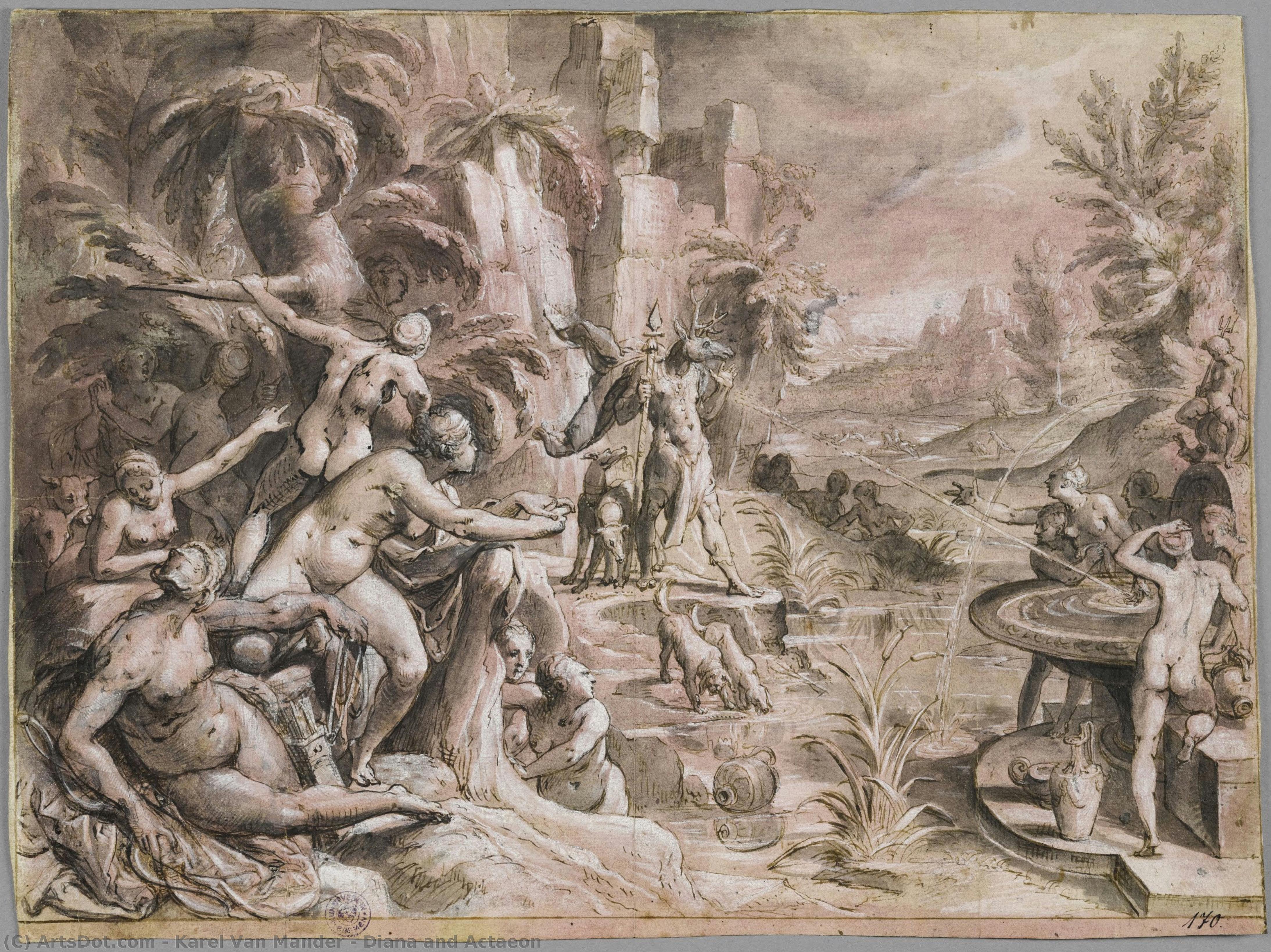
Diana and Actaeon
 Ink
Ink- Northern Mannerism
 1590
1590- Renaissance
 31.0 x 41.0 cm
 Kunsthalle Bremen
 Read More
Hand Made Oil Reproduction
Hand-painted oil on canvas in your size and frame, made to order by our artists. ( Buy Print Buy Image)




P118B $10

P118H $10

P118W $10

P438Z $10

P508JH $12

P508YH $12

P805H $10

P805Z $10

P919BZ $10

P919G $10

P919XJ $10

P959ZH $10

P968JZ $12

W106C $8

W218G $10

W218JH $8

W218Y $10

W307PJ $10

W316G $10

W316PJ $8

W316Y $10

W398PJ $8

W4111J $10

W500HY $15

W500JH $15

W692G $12

W849H $8

W940BG $15

W953PJ $8




Pick from our preset sizes that match the artwork's original proportions.

You may enter your own dimensions to fit a specific frame or space. If your selected size does not match the original image's proportions, we will either crop the artwork or extend the painting with additional hand-painted elements. A digital mockup will be sent for your approval before production begins.
Please note that the on-screen preview does not reflect the actual cropping or extension. Only the mockup will accurately show the final composition.
While custom sizes are available, we recommend selecting a dimension from the predefined list to preserve the original proportions.
After order, ArtsDot.com team will email client for instructions and provide a mockup preview
Worldwide Delivery () in 3/4 weeks instead of standard 5 weeks. (18 August). No compromise on quality.

Free Worldwide Express Shipping

High-Quality Linen Canvas

Full Shipping Insurance

Customs Tax Refund Guarantee

True Color Matching Guarantee

60-Day Return Policy (Defects Only)

100% Money-Back Guarantee

Bulk Discount Offer
 Glass option is only available in size under 110 CM

Diana and Actaeon
Reproduction Medium
Reproduction Size
-


Total Price
$ 438
Artwork Description
A Dramatic Encounter: Karel van Mander’s ‘Diana and Actaeon’
Karel van Mander's drawing of “Diana and Actaeon,” executed around 1590, is more than a simple depiction of a classical myth; it’s a potent distillation of Mannerist drama, religious morality, and the burgeoning artistic spirit of the Dutch Renaissance. Born in Belgium, Van Mander’s journey through Rome and Florence profoundly shaped his style, culminating in this remarkably detailed monochrome study – a testament to his skill and a window into the intellectual currents of his time. The drawing's immediate impact lies in its arresting composition: Actaeon, transformed into a stag, is confronted by the hounds of Diana, while the goddess herself observes the unfolding tragedy with an expression of righteous fury. This scene, drawn from Ovid’s *Metamorphoses*, served as a powerful moral lesson within Protestant Netherlands, illustrating the consequences of unchecked desire and transgression.
- Subject Matter: The myth of Actaeon provides a rich vein for exploration – a cautionary tale about hubris, forbidden knowledge, and divine retribution.
- Historical Context: Created during a period of religious upheaval in the Netherlands, the image reflects anxieties surrounding moral conduct and the power of the Church.
- Symbolism: The nudity of Diana and Actaeon represents vulnerability and exposure, while the stag symbolizes shame and punishment.
Masterful Technique – A Study in Line and Shadow
Van Mander’s technical prowess is immediately apparent in this drawing. Rendered entirely in brown ink on paper, it showcases a sophisticated understanding of line drawing and shading. The artist employs hatching and cross-hatching with exceptional precision to create a remarkable sense of volume and texture. Notice the meticulous detailing of Actaeon's fur as a stag, the flowing drapery of Diana’s robes, and the intricate patterns of the foliage – all rendered with an almost obsessive attention to detail. The lighting, seemingly emanating from above and slightly to the left, dramatically emphasizes form and casts deep shadows, contributing significantly to the scene’s overall sense of drama and tension. This isn't merely a representation; it’s a carefully constructed illusion of three-dimensionality.
A Window into Renaissance Artistic Thought
“Diana and Actaeon” is deeply rooted in the artistic traditions of the Italian Renaissance, yet Van Mander uniquely infuses it with a distinctly Northern European sensibility. The drawing reflects Mannerist influences – characterized by elongated figures, complex compositions, and an emphasis on emotional expression – prevalent during his time. Van Mander’s work also holds significant historical importance as one of the earliest Dutch interpretations of Ovid's *Metamorphoses*, documented in his seminal “Schilder-Boeck,” which served as a crucial resource for artists and art theorists of the era. The drawing’s style leans towards classical realism, but with a heightened sense of theatricality and psychological depth.
Dimensions & Significance
This exquisite drawing measures 31 x 41 cm and dates back to 1590. It represents a pivotal work in Karel van Mander's oeuvre, showcasing his mastery of line drawing and his engagement with complex mythological narratives. Its dramatic composition, meticulous technique, and profound symbolism make it a compelling example of Northern Renaissance art – a captivating glimpse into the mind of a brilliant artist and a powerful meditation on human fallibility.
Related Artworks


Artist Biography
Early Life and Training
- Born: Mellebeke, Belgium (1548)
- Died: 1606
- Karel van Mander was born into a noble family in Meulebeke, County of Flanders.
- He received his early artistic training under Lucas de Heere in Ghent (1568-1569) and subsequently with Pieter Vlerick in Kortrijk.
- Early on, he also engaged in writing religious plays and designing scenery for them.
Travels and Artistic Development
- Rome (1574-1577): Van Mander spent three years in Rome, where he encountered classical art and developed his artistic style. The biographical sketch mentions him as the "discoverer of caves," possibly referring to the catacombs.
- Vienna: During a return journey from Italy, he collaborated with Bartholomeus Spranger and Hans Mont on creating a triumphal arch for Emperor Rudolf II's royal entry. This experience exposed him further to Mannerist influences.
Settlement in Haarlem and Artistic Leadership
- Haarlem (1583): Due to religious troubles and the plague, Van Mander settled in Haarlem, Dutch Republic.
- City Art Inventory: He was commissioned by the city fathers of Haarlem to inventory confiscated Catholic art after the Satisfactie van Haarlem. This work formed a basis for his later writings.
- Founder of an Academy: Together with Hubertus Goltzius and Cornelis van Haarlem, he founded an "academy to study after life," which fostered artistic discussion and possibly included drawing classes.
The *Schilder-boeck* and Art Historical Significance
- Major Work: Van Mander is primarily remembered for his *Schilder-boeck* (Book of Painters), a biographical dictionary of Early Netherlandish and Northern Renaissance artists.
- Influence on Mannerism: His dissemination of drawings by Bartholomeus Spranger, through engravings by Hubertus Goltzius, significantly contributed to the spread of Northern Mannerism in the Dutch Republic.
- Art Theorist: He played a crucial role in art theorization during the 16th century, emphasizing style and cultivated elegance over naturalism. His theories promoted exaggerated musculature, dramatic scenes, and rich detail.
Legacy and Artistic Style
- Northern Mannerism Pioneer: Karel van Mander is considered a key figure in the development of Northern Mannerism.
- Influence on Dutch Art: He significantly influenced artists in Haarlem and beyond, shaping the artistic landscape of the Dutch Republic.
- Artistic Characteristics: His own paintings often featured historical allegories characterized by a strong awareness of style, cultivated elegance, and a preference for dramatic compositions.

Karel van Mander
1548 - 1606 , Belgium
Quick Facts
- Artistic Movement Or Style: Northern Mannerism
- Artists Or Movements Influenced By This Artist:
- Hendrick Goltzius
- Cornelis van Haarlem
- Artists Who Influenced This Artist:
- Lucas de Heere
- Pieter Vlerick
- Bartholomeus Spranger
- Date Of Birth: May 1548
- Date Of Death: September 2, 1606
- Full Name: Karel van Mander
- Nationality: Flemish
- Notable Artworks:
- Diana and Actaeon
- Allegory of Nature
- Garden of Love
- Before the Flood
- Place Of Birth: Meulebeke, Belgium
Related Articles
Van Gogh's Masterpieces: Explore 25 Iconic Paintings & Art for Your Home
Journey through Vincent van Gogh's 25 most iconic paintings! Explore 'Starry Night', 'Sunflowers,' and more—discover the stories, techniques & emotions behind these Post-Impressionist masterpieces. Find museum-quality art reproductions for your home at ArtsDot.com.

Rembrandt's Masterpieces: Explore 25 Iconic Paintings & Prints | ArtsDot
Journey through Rembrandt van Rijn's 25 most iconic paintings & etchings. Explore Dutch Golden Age masterpieces, dramatic chiaroscuro, and timeless portraits. Find museum-quality art reproductions to elevate your home decor on ArtsDot.com.

Early Netherlandish Masters: 10 Paintings That Revolutionized Art & Decor
Journey into the world of Early Netherlandish painting! Explore 10 masterpieces by Jan van Eyck, Rogier van der Weyden & more. Discover stunning detail, symbolism & Renaissance art for your home decor. Find museum-quality reproductions on ArtsDot.com

Early Netherlandish Masters: 10 Paintings That Revolutionized Art & Decor
Journey into the Early Netherlandish Renaissance! Explore 10 iconic paintings by Jan van Eyck, Rogier van der Weyden & more. Discover stunning detail, symbolism, and oil painting techniques. Find museum-quality art reproductions for your home at ArtsDot.com.

The Northern Renaissance: A Flourishing of Realism, Religious Reform & Artistic Innovation
Explore the Northern Renaissance! Discover Jan van Eyck's innovations, religious shifts, & key artists of this influential period. Expert analysis and insights into Early Netherlandish painting at ArtsDot.



