Preview
 Send
Send Share
Share
 Details

 Download
 Similars
 X-Ray
X-Ray Diaporama
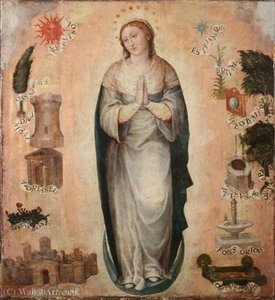
Christ with the Chalice
 Oil On Canvas
- WallArt
- Baroque Realism
 Renaissance
 101.0 x 63.0 cm
 Szépmûvészeti Múzeum
 Read More
Hand Made Oil Reproduction
Hand-painted oil on canvas in your size and frame, made to order by our artists. ( Switch to Print Switch to Image)




P118B $10

P118H $10

P118W $10

P438Z $10

P508JH $12

P508YH $12

P805H $10

P805Z $10

P919BZ $10

P919G $10

P919XJ $10

P959ZH $10

P968JZ $12

W106C $8

W218G $10

W218JH $8

W218Y $10

W307PJ $10

W316G $10

W316PJ $8

W316Y $10

W398PJ $8

W4111J $10

W500HY $15

W500JH $15

W692G $12

W849H $8

W940BG $15

W953PJ $8




Pick from our preset sizes that match the artwork's original proportions.

You may enter your own dimensions to fit a specific frame or space. If your selected size does not match the original image's proportions, we will either crop the artwork or extend the painting with additional hand-painted elements. A digital mockup will be sent for your approval before production begins.
Please note that the on-screen preview does not reflect the actual cropping or extension. Only the mockup will accurately show the final composition.
While custom sizes are available, we recommend selecting a dimension from the predefined list to preserve the original proportions.
After order, ArtsDot.com team will email client for instructions and provide a mockup preview
Worldwide Delivery () in 3/4 weeks instead of standard 5 weeks. (10 August). No compromise on quality.

Free Worldwide Express Shipping

High-Quality Linen Canvas

Full Shipping Insurance

Customs Tax Refund Guarantee

True Color Matching Guarantee

60-Day Return Policy (Defects Only)

100% Money-Back Guarantee

Bulk Discount Offer
 Glass option is only available in size under 110 CM

Christ with the Chalice
Reproduction Medium
Reproduction Size
-


Total Price
$ 263
Artwork Description
Juan de Juanes: A Renaissance Master Embodied in Sacred Form
Juan Esteban Aristizábal Vásquez (born 9 August 1510, La Font de la Figuera, Spain; died 1579, Bocairent, Spain), known professionally as Juanes, stands as a pivotal figure within the Valencian Renaissance school of painters. His legacy rests on a profound understanding of artistic principles—particularly Flemish influences blended seamlessly with the grandeur of the Italian High Renaissance—resulting in works that resonate with spiritual depth and meticulous craftsmanship. This essay delves into his life’s journey, artistic development, and enduring impact on art history, exploring how Juanes captured the essence of faith through masterful technique and evocative imagery.Early Life and Training: Seeds of Artistic Vision
Juanes' formative years were steeped in the traditions of Valencia, a region experiencing significant cultural revival during the sixteenth century. His father, Vicente Masip, himself a painter, instilled in him an early appreciation for artistic expression—likely studying in Italy, potentially Venice—introducing Juanes to techniques that would shape his distinctive style. The presence of Italian painters Paolo da San Leocadio and Francesco Pagano working for Cardinal Rodrigo Borgia in Valencia exposed Juanes to the innovative approaches championed by Raphael and Sebastiano del Piombo, fostering a dialogue between Northern European realism and Southern European idealism. This exposure proved instrumental in cultivating his artistic sensibilities and establishing him on the path toward becoming one of Spain’s foremost Renaissance artists.Artistic Development and Style: Harmony Between Flemish Flair and Italian Grace
Juanes' artistic style is characterized by a remarkable equilibrium between Flemish and Italian influences, reflecting the broader artistic currents of his time. He primarily focused on religious subjects—a testament to the prevailing spiritual fervor—producing canvases imbued with dignity of conception, accurate drawing, and luminous color palettes. His meticulous attention to detail—evident in every brushstroke—mirrors the humanist ideals that underpinned Renaissance art, prioritizing observation and representation as pathways to understanding God’s creation. Notably, Juanes adopted the patronymic name Juanes to distinguish himself from his father, Vicente Masip, who also practiced painting with a similar stylistic inclination. This distinction underscores the importance of familial heritage in shaping artistic identity and perpetuating artistic traditions.Notable Works: Expressions of Faith Through Technique
Among Juanes’s most celebrated achievements is “Christ with the Chalice,” a monumental depiction that exemplifies his mastery of perspective and compositional balance. Executed in oil on canvas, this artwork embodies the Renaissance preoccupation with realism—a hallmark of Flemish painting—while simultaneously channeling the elegance and grandeur associated with Raphael and Sebastiano del Piombo's artistic vision. The painting’s subdued palette—dominated by greens and browns—creates a solemn atmosphere that invites contemplation and underscores the spiritual significance of the scene. Furthermore, Juanes’s meticulous rendering of human anatomy and drapery demonstrates his technical prowess—a skill honed through rigorous training and unwavering dedication to craft. “Saint Steven Retable,” commissioned for the main altar at San Esteban Cathedral in Valencia, stands as another testament to Juanes' artistic brilliance. This expansive altarpiece showcases his ability to convey emotion and narrative complexity within a single frame—a hallmark of Renaissance painting’s expressive power. The intricate detail with which Juanes portrays Saint Steven and his companions reflects the humanist emphasis on portraying human figures with psychological realism, capturing their gestures and expressions with remarkable accuracy.Legacy: A Beacon of Valencian Artistic Excellence
Juan de Juanes' contribution to Valencian art history is undeniable—he solidified his place as the foremost member of the Valencian school of painters by many historians. His works continue to inspire admiration for their technical skill, devotional quality, and profound engagement with humanist ideals. Reproductions of “Christ with the Chalice” and “Saint Steven Retable,” available at ArtsDot.com, offer viewers a glimpse into the artistic spirit of the Renaissance—a period marked by intellectual curiosity, artistic innovation, and unwavering faith. They serve as enduring reminders of Juanes’s legacy as one of Spain's most influential painters and a champion of humanist artistry.Related Artworks


Artist Biography
Juan de Juanes: A Valencian Renaissance Master
- Name: Juan de Juanes (Vicente Juan Masip)
- Born: 1510, La Font de la Figuera, Spain
- Died: 1579, Bocairent, Spain
Early Life and Training
- Juan de Juanes was born in La Font de la Figuera, the son of Vicente Masip, also a painter. His father likely studied in Italy, potentially Venice, influencing his artistic style.
- He received early training from his father, developing skills that would later define his own work.
- The presence of Italian painters Paolo da San Leocadio and Francesco Pagano working for Cardinal Rodrigo Borgia in Valencia exposed Juanes to Italian Renaissance techniques.
Artistic Development and Style
- Juanes's style is characterized by a blend of Flemish influences with the Italian High Renaissance, particularly that of Raphael and Sebastiano del Piombo.
- He primarily focused on religious subjects, reflecting his devout nature and the prevalent artistic themes of the time.
- His works are noted for their dignity of conception, accurate drawing, beautiful color palettes, and meticulous detail.
- Masip adopted the patronymic name Juanes to distinguish himself from his father, also a painter with a similar style.
Major Works and Achievements
- The Last Supper: One of his most famous works, demonstrating his mastery of perspective and composition.
- Holy Family: A recurring theme in his oeuvre, showcasing his ability to depict tenderness and piety.
- Virgin and the Child with Sts John the Baptist and John the Evangelist: Exemplifies his skill in portraying religious figures with grace and realism.
- Saint Steven Retable: Painted for the main altarpiece at the church of San Esteban in Valencia, considered to be among his finest works.
Historical Significance
- Juan de Juanes is recognized as a leading figure in the Valencian school of painters during the 16th century.
- He significantly contributed to the development of Renaissance art in Spain, blending Italian influences with local traditions.
- His works are valued for their technical skill and devotional quality, providing insights into the religious beliefs and artistic practices of his time.
- He is considered the foremost member of the Valencian school of painters by many historians.

Juan de Juanes
1510 - 1579 , Spain
Quick Facts
- Artistic Movement Or Style: Spanish Renaissance
- Artists Who Influenced This Artist:
- Leonardo da Vinci
- Raphael
- Sebastiano del Piombo
- Date Of Birth: 1510
- Date Of Death: 1579
- Full Name: Juan de Juanes
- Nationality: Spanish
- Notable Artworks:
- Portrait of Alfonso V
- Holy family
- Virgin and the Child
- Place Of Birth: Valencia, Spain
Related Articles

Demandes Commerciales
APS ofrece reproducciones de bellas artes y encargos personalizados desde 2004. Confían en nosotros corporaciones, hoteles y coleccionistas selectos para obras de arte de calidad museística, servicio discreto y soluciones artísticas completas. ¡Póngase en contacto con nosotros para obtener un presupuesto personalizado!

Goya's Masterpieces: Explore 25 Iconic Paintings & Art Prints | ArtsDot
Delve into the world of Francisco Goya with ArtsDot. Explore 25 iconic paintings – from 'The Third of May' to his haunting Black Paintings. Discover the stories, techniques & emotions behind these Spanish masterpieces. Find museum-quality art reproductions for your home at ArtsDot.com!

A riguardo di noi
Découvrez notre histoire ! Nous apportons l'art de classe mondiale dans votre vie grâce à une sélection experte, des créations personnalisées et des aperçus gratuits. Approuvé par les particuliers et les entreprises depuis 2000.

Juan de Valdés Leal: Baroque Realism, Memento Mori & Theatricality of Spanish Grief
Explore the powerful Baroque realism of Juan de Valdés Leal (1622-1690). Discover his somber masterpieces, iconic 'In Ictu Oculi', and profound explorations of mortality. Museum-quality reproductions available at ArtsDot.

Fra Angelico's Masterpieces: 25 Renaissance Paintings for Your Home | ArtsDot
Explore 25 breathtaking masterpieces by Fra Angelico, a Renaissance master. Discover the stories behind his iconic frescoes, Annunciations & religious art. Find museum-quality reproductions and elevate your home decor with ArtsDot.com.