


 Preview
 Send
Send Share
Share
 Details

 Download
 Similars
 X-Ray
X-Ray Diaporama
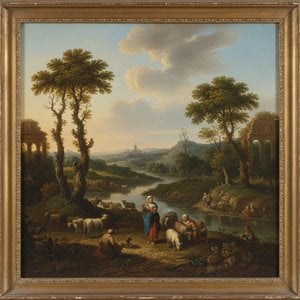
VUE DE PARIS AVEC LE LOUVRE, PRISE DU PONT HENRI IV


 Read More
Hand Made Oil Reproduction
Hand-painted oil on canvas in your size and frame, made to order by our artists. ( Buy Print Buy Image)




P118B $10

P118H $10

P118W $10

P438Z $10

P508JH $12

P508YH $12

P805H $10

P805Z $10

P919BZ $10

P919G $10

P919XJ $10

P959ZH $10

P968JZ $12

W106C $8

W218G $10

W218JH $8

W218Y $10

W307PJ $10

W316G $10

W316PJ $8

W316Y $10

W398PJ $8

W4111J $10

W500HY $15

W500JH $15

W692G $12

W849H $8

W940BG $15

W953PJ $8




Pick from our preset sizes that match the artwork's original proportions.

You may enter your own dimensions to fit a specific frame or space. If your selected size does not match the original image's proportions, we will either crop the artwork or extend the painting with additional hand-painted elements. A digital mockup will be sent for your approval before production begins.
Please note that the on-screen preview does not reflect the actual cropping or extension. Only the mockup will accurately show the final composition.
While custom sizes are available, we recommend selecting a dimension from the predefined list to preserve the original proportions.
After order, ArtsDot.com team will email client for instructions and provide a mockup preview
Worldwide Delivery () in 3/4 weeks instead of standard 5 weeks. (14 August). No compromise on quality.

Free Worldwide Express Shipping

High-Quality Linen Canvas

Full Shipping Insurance

Customs Tax Refund Guarantee

True Color Matching Guarantee

60-Day Return Policy (Defects Only)

100% Money-Back Guarantee

Bulk Discount Offer
 Glass option is only available in size under 110 CM

VUE DE PARIS AVEC LE LOUVRE, PRISE DU PONT HENRI IV
Reproduction Medium
Reproduction Size
-


Total Price
$ 438
Artwork Description
A Tranquil Parisian Vista by Hendrick Mommers
Hendrik Mommers’ “Vue de Paris avec le Louvre, prise du pont Henri IV” – translating to “View of Paris with the Louvre Bridge,” – stands as a quintessential emblem of Dutch Golden Age landscape painting. Executed around 1670, this oil on canvas masterpiece captures not merely a cityscape but an idealized vision of Parisian grandeur, reflecting the artistic sensibilities of its time and cementing Mommers’ reputation as one of the era's foremost practitioners of atmospheric perspective and serene composition.Subject Matter & Composition: Capturing Urban Harmony
The painting depicts a panoramic view of Paris from the Pont Neuf bridge, showcasing the Louvre Palace dominating the horizon alongside bustling streets and waterways teeming with life. Mommers skillfully employs compositional techniques to convey a sense of depth and dynamism simultaneously. The foreground establishes a grounding presence with meticulously rendered cobblestones and architectural details—a testament to Mommers’ dedication to realistic observation. Moving upwards, the middle ground reveals buildings lining the riverbanks, populated by figures engaged in everyday activities: merchants hawking wares, boats gliding along the Seine, and pedestrians traversing pathways. Finally, the background fades into hazy blues and grays, utilizing atmospheric perspective to create an illusion of distance and reinforcing the painting’s tranquil mood.Style & Technique: Mastering Atmospheric Perspective
Mommers' artistic style aligns perfectly with the prevailing trends of Dutch landscape painting during the Baroque period. He prioritizes capturing the beauty of nature while simultaneously conveying a sense of grandeur and sophistication—characteristics that are powerfully achieved through his masterful technique. The artist meticulously builds up forms using layering paint, creating subtle gradations of color and texture to simulate the effects of light and shadow. Crucially, Mommers employs atmospheric perspective with exceptional precision: objects in the distance appear paler and less defined than those closer to the viewer, enhancing the illusion of depth and contributing significantly to the painting’s overall realism. The brushstrokes are visible yet blended seamlessly, resulting in a surface that possesses both texture and luminosity—a hallmark of Mommers' distinctive style.Historical Context & Symbolism: Reflecting Enlightenment Ideals
“Vue de Paris” emerged during the Dutch Golden Age (approximately 1650-1700), a period marked by unprecedented artistic innovation and cultural flourishing. This painting embodies the humanist spirit of the era, reflecting an interest in observing and representing the natural world with accuracy and beauty—a reaction against the more emotionally charged Mannerist style that preceded it. The Louvre Palace itself served as a symbol of royal power and prestige, representing France’s dominant position on the European stage during Mommers' lifetime. Similarly, the Pont Neuf bridge symbolized Parisian connectivity and commerce, reflecting the city’s role as a vital hub for trade and cultural exchange.Emotional Impact & Artistic Legacy
More than just a depiction of a Parisian scene, “Vue de Paris” evokes a profound sense of serenity and contemplation. The muted color palette, combined with Mommers' skillful use of atmospheric perspective, creates an immersive experience that transports the viewer to 17th-century Paris—a moment frozen in time. This artwork continues to inspire admiration for its technical brilliance and aesthetic beauty, securing Mommers’ place as a cornerstone of Dutch landscape painting and demonstrating the enduring power of art to capture both visual splendor and emotional resonance.Related Artworks


Artist Biography
The Golden Glow of the Italianate Vision
In the heart of the Dutch Golden Age, a period defined by unparalleled artistic flourishing and mercantile prosperity, the name Hendrick Mommers evokes images of sun-drenched landscapes and the rhythmic vitality of village life. Born in Haarlem around 1623, Mommers emerged from a vibrant artistic milieu that sought to capture not just the reality of the Netherlands, but an idealized, Mediterranean dream. His journey was one of movement and metamorphosis; while his roots were firmly planted in the prestigious Haarlem Guild of Saint Luke, where he joined in 1647, his spirit was drawn toward the warmth of the south. Records suggest a transformative period spent in Italy around 1644, a voyage that would forever alter the trajectory of his brushwork and thematic focus.
This sojourn to Italy allowed Mommers to immerse himself in the classical grandeur of Roman ruins and the bustling energy of Italian piazzas. He became part of the Bentvueghels, an eccentric society of Northern artists living in Rome, a community that fostered a unique blend of Dutch precision and Italian atmospheric light. Even after returning to the Netherlands and eventually settling in Amsterdam, the echoes of the Roman sun remained trapped within his canvases. His work serves as a nostalgic bridge between the rugged landscapes of his homeland and the luminous, idealized vistas of the Italian Renaissance, creating a genre known as the Italianate landscape that captivated the European imagination.
Mastery of the Market and the Pastoral
Mommers possessed a singular ability to weave together the mundane and the magnificent. He was particularly celebrated for his genre scenes—meticulously rendered depictions of vegetable markets and peasant life. In these works, the viewer is invited to wander through bustling town squares where the vibrant colors of fresh produce contrast beautifully with the weathered textures of rustic clothing and livestock. There is a profound sense of narrative in his compositions; one can almost hear the bartering of traders and the lowing of cattle. His technique often utilized small, animated figures to guide the eye through expansive, atmospheric environments, a method that lent his paintings a sense of depth and lived-in reality.
Beyond the commerce of the market, Mommers excelled in the pastoral idyll. His landscapes frequently feature shepherds, milkmaids, and travelers moving through landscapes that feel both intimate and epic. These scenes are characterized by:
- Botanical Precision: A meticulous attention to the flora and fauna that populate his idyllic settings.
- Luminous Atmosphere: The use of light to create a sense of warmth and tranquility, reminiscent of the Mediterranean climate.
- Classical Composition: An arrangement of elements that draws inspiration from the balanced structures of Renaissance masters.
Legacy and Artistic Lineage
The historical significance of Hendrick Mommers lies not only in his individual achievements but also in his role within the broader tapestry of Dutch art history. He was a pivotal figure in the transmission of style, serving as an early teacher to the painter Dirk Maas. Through this lineage, Mommers’ influence flowed into the works of those who would later study under the legendary Nicolaes Berchem, further cementing the dominance of the Italianate style in Northern Europe. His work stands as a testament to the interconnectedness of the 17th-century art world, where travel and mentorship bridged the gap between the canals of Haarlem and the ruins of Rome.
Though he passed away in Amsterdam in 1693, Mommers' contribution to the landscape tradition remains indelible. He captured a specific moment in time when the Dutch eye turned southward, seeking beauty in the classical past to enrich the present. Today, his paintings continue to resonate with collectors and historians alike, offering a window into a world of serene vistas, bustling markets, and the enduring allure of the Italian sun.

Hendrick Mommers
1623 - 1693 , Netherlands
Quick Facts
- Artistic Movement Or Style: Dutch Golden Age Landscape Painting
- Artists Or Movements Influenced By This Artist: ['Dirk Maas']
- Artists Who Influenced This Artist: ['Nicolaes Berchem']
- Date Of Birth: ca.1623
- Date Of Death: December 21, 1693
- Full Name: Hendrick Mommers
- Nationality: Dutch
- Notable Artworks: ['Vue de Paris avec le Louvre']
- Place Of Birth: Haarlem, Netherlands
Related Articles

Dutch Masters: 10 Golden Age Paintings That Still Inspire |
Journey into the Dutch Golden Age! Explore 10 iconic paintings by Rembrandt, Vermeer & Hals. Discover the stories behind these Baroque masterpieces and find museum-quality art reproductions to elevate your home decor on .

Golden Light & Dutch Skies: Bringing the Magic of Dutch Golden Age Landscapes into Your Home
Transform your home with the breathtaking light of Dutch Golden Age landscapes. Discover how hand-painted oil reproductions of masterworks like Ruisdael and Vermeer bring timeless elegance, atmosphere, and soulful texture to modern interiors. Elevate your space with museum-quality art.

Charles Leickert: Capturing the Dutch Golden Age Light – A Comprehensive Study of Technique, Context, and Legacy
Explore the captivating winter landscapes of Charles Leickert, a master of Dutch Golden Age light & atmosphere. Discover his techniques, symbolism, and lasting legacy – a comprehensive study for art enthusiasts and collectors.
Nicolaes Berchem: Dutch Golden Age Pastoralism & the Evolution of Landscape Painting
Explore the captivating world of Nicolaes Berchem, a leading Dutch Golden Age painter. Discover his idyllic landscapes, masterful technique & lasting influence on art history. Learn more at ArtsDot.

Golden Age Reflections: Dutch Baroque Painting & Cultural Innovation
Explore the Dutch Golden Age of painting! Discover key artists like Vermeer & ter Borch, their innovative techniques, and the rich cultural context behind these Baroque masterpieces. Learn about collecting & appreciating this iconic art period.



