

 Preview
 Send
Send Share
Share
 Details

 Download
 Similars
 X-Ray
X-Ray Diaporama
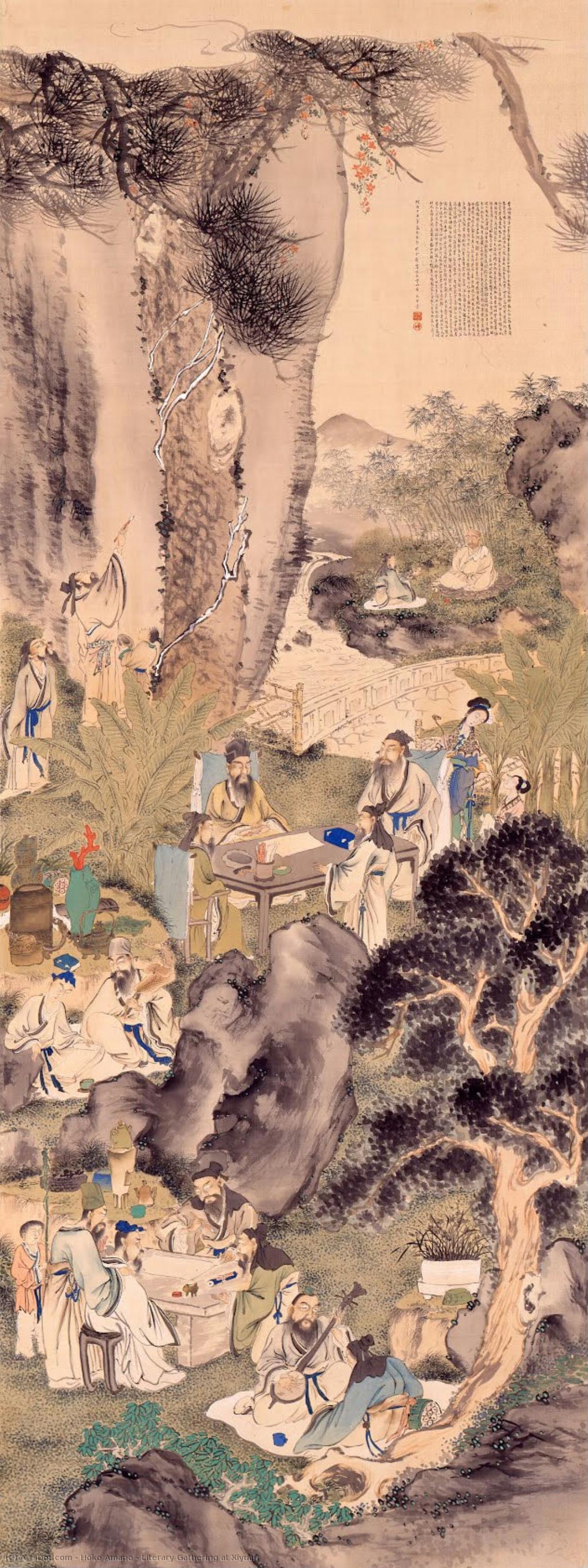
Literary Gathering at Xiyuan


 Read More
Hand Made Oil Reproduction
Hand-painted oil on canvas in your size and frame, made to order by our artists. ( Buy Print Buy Image)




P118B $10

P118H $10

P118W $10

P438Z $10

P508JH $12

P508YH $12

P805H $10

P805Z $10

P919BZ $10

P919G $10

P919XJ $10

P959ZH $10

P968JZ $12

W106C $8

W218G $10

W218JH $8

W218Y $10

W307PJ $10

W316G $10

W316PJ $8

W316Y $10

W398PJ $8

W4111J $10

W500HY $15

W500JH $15

W692G $12

W849H $8

W940BG $15

W953PJ $8




Pick from our preset sizes that match the artwork's original proportions.

You may enter your own dimensions to fit a specific frame or space. If your selected size does not match the original image's proportions, we will either crop the artwork or extend the painting with additional hand-painted elements. A digital mockup will be sent for your approval before production begins.
Please note that the on-screen preview does not reflect the actual cropping or extension. Only the mockup will accurately show the final composition.
While custom sizes are available, we recommend selecting a dimension from the predefined list to preserve the original proportions.
After order, ArtsDot.com team will email client for instructions and provide a mockup preview
Worldwide Delivery () in 3/4 weeks instead of standard 5 weeks. (12 August). No compromise on quality.

Free Worldwide Express Shipping

High-Quality Linen Canvas

Full Shipping Insurance

Customs Tax Refund Guarantee

True Color Matching Guarantee

60-Day Return Policy (Defects Only)

100% Money-Back Guarantee

Bulk Discount Offer
 Glass option is only available in size under 110 CM

Literary Gathering at Xiyuan
Reproduction Medium
Reproduction Size
-


Total Price
$ 263
Related Artworks


Artist Biography
hōko amano: A Master of Edo Landscape Painting
hōko amano (1832-1891) stands as a pivotal figure in the history of Japanese art, specifically within the vibrant tapestry of ukiyo-e prints and paintings produced during the late Edo and early Meiji eras. Born in Tokyo—then Edo, Japan’s imperial capital—Amano’s artistic journey began humbly as a woodblock carver, honing his skills before transitioning to painting and establishing himself as a respected member of the Utagawa school, arguably the most influential force shaping visual culture at the time.- Early Life & Training: Little is known about Amano’s formative years beyond his birthplace and initial apprenticeship in woodblock printing. However, he demonstrated an exceptional aptitude for mastering this technique—a cornerstone of ukiyo-e production—reflecting a dedication to craftsmanship that would characterize his entire career.
- Utagawa School Membership & Artistic Style: Joining the Utagawa school solidified Amano’s position within Japan's artistic elite. This affiliation exposed him to the prevailing stylistic conventions of the period, favoring meticulous realism combined with expressive brushwork. His landscapes—particularly depictions of Mount Fuji and bamboo groves—became synonymous with Edo-period aesthetics.
- Notable Works: Among Amano’s celebrated achievements are ‘Kannon in a Bamboo Grove’ (1884) and ‘Mount Fuji and a Waterfall’ (1885). These paintings exemplify his mastery of technique, demonstrating an unparalleled ability to render textures—from the smooth bark of bamboo to the cascading waters of waterfalls—with breathtaking accuracy. The meticulous detail reveals not merely visual representation but also a profound understanding of how artistic expression could communicate spiritual contemplation.
- Influence & Legacy: Amano’s influence extended beyond his own lifetime, shaping subsequent generations of Japanese artists and contributing significantly to the enduring legacy of ukiyo-e as a genre. His unwavering commitment to realism combined with sensitivity to Buddhist symbolism continues to inspire admiration and scholarly study today.

hōko amano
1832 - 1891 , Japan
Quick Facts
- Artistic Movement Or Style: Ukiyo-e
- Date Of Birth: Tokyo, Japan (1832)
- Date Of Death: 1891
- Full Name: hōko amano
- Nationality: Japanese
- Notable Artworks:
- Kannon in a Bamboo Grove
- Mount Fuji and a Waterfall
- Place Of Birth: Tokyo
Related Articles

Hokusai's Masterpieces: 25 Iconic Prints & Paintings for Art Lovers | ArtsDot
Journey through Katsushika Hokusai’s 25 most iconic artworks, including *The Great Wave*. Explore the ukiyo-e master's history, style & timeless Japanese woodblock prints. Find museum-quality reproductions for your home at ArtsDot.com.

The Pursuit of Power & Prestige: Hunting Scenes in Western Art
Explore the rich history of hunting scenes in Western art, from royal pursuits to powerful allegories. Discover masterpieces & expert insights for discerning collectors. ArtsDot offers museum-quality reproductions.

Echoes of 1882: Art, Culture & the Belle Époque's Lasting Impression
Explore the art & culture of the Belle Époque! Discover Impressionism, Realism, and iconic Parisian paintings from Degas, Béraud & more. High-quality reproductions at ArtsDot.

Depicting Life's Stages: 'Scene' as Narrative in Art History
Explore the rich history of genre painting – art that depicts everyday life. Discover Dutch Masters, hidden symbolism & its enduring influence on art history. Learn more at ArtsDot.

Echoes of Urban Life: A Visual Exploration of Street Scenes in Art History
Explore the captivating world of realism in art history! Discover iconic street scenes & genre paintings from masters like Courbet & Brown. Expert analysis & museum-quality reproductions at ArtsDot.



