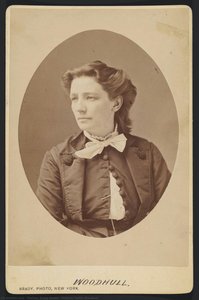
The Enduring Legacy of Mathew Brady Studio: Capturing a Nation in Transition
Mathew Brady, more than simply a photographer, was an architect of American memory. Born in Warren County, New York, in 1823, his journey to becoming the most celebrated visual chronicler of the 19th century began not with a lens, but with an ambition for artistry. Initially drawn to landscape painting and the burgeoning world of daguerreotypy, Brady quickly recognized the power of photography to transcend artistic interpretation and deliver unvarnished reality. He established his New York studio in 1844, rapidly gaining prominence through meticulously crafted portraits of prominent figures – a testament to his technical skill and keen understanding of public image. However, it was the seismic event of the Civil War that would irrevocably define Brady’s legacy and cement his place in history.
Witnessing History: The Civil War Photographs
With the outbreak of hostilities in 1861, Brady embarked on a monumental undertaking: to document the entirety of the conflict. He didn't wield the camera himself at every battle; instead, he assembled and financed a team of photographers – Alexander Gardner, Timothy H. O’Sullivan, George N. Barnard among them – who ventured onto the front lines, braving danger to capture the brutal realities of war. Brady’s vision was comprehensive: not just grand landscapes of battlefields like Antietam and Gettysburg, but also intimate portraits of soldiers, camp life, and the devastating aftermath of conflict. The resulting collection, numbering in the thousands, presented a starkly different portrayal of war than anything previously seen by the American public. These weren’t romanticized depictions of heroism; they were unflinching glimpses into the carnage, suffering, and sheer scale of destruction.
Technique and Innovation: Beyond Portraiture
Brady's studio wasn’t merely a place for taking pictures; it was an early adopter of photographic innovation. He moved beyond the limitations of daguerreotypes to embrace the collodion wet-plate process, which allowed for greater detail and reproducibility – crucial for creating multiple prints from each negative. This technical shift enabled wider dissemination of his images through publications like *Harper’s Weekly* and *Leslie's Illustrated Newspaper*, bringing the war directly into American homes. The logistical challenges were immense. The wet-plate method required a portable darkroom, immediate development of negatives after exposure, and careful handling of fragile materials in often harsh conditions. Brady’s team pioneered techniques for capturing movement and depth, laying the groundwork for future generations of photojournalists.
His commitment to documenting the war wasn't driven by profit; he initially funded the project himself, believing it was a vital historical record.
A Lasting Impact: Shaping Public Perception
The impact of Brady’s Civil War photographs extended far beyond their immediate publication. They shattered prevailing illusions about the glory of war and forced Americans to confront its horrific cost. While initially met with mixed reactions – some found the images too graphic, others dismissed them as staged – they gradually gained recognition for their authenticity and power.
These photographs fundamentally altered public perception of conflict, paving the way for a more critical and informed understanding of warfare. Brady’s work also established photography as a legitimate form of historical documentation, influencing subsequent generations of war correspondents and documentary photographers.
Beyond the Battlefield: Legacy and Remembrance
Though financially ruined by his investment in the Civil War project – he received little financial support from the government or public for years – Mathew Brady’s legacy remains undiminished. He continued to photograph prominent figures after the war, but it is his wartime work that continues to resonate most powerfully. The collection amassed by the studio became a cornerstone of American visual history, preserved and studied by scholars and artists alike.
- Brady's photographs are now considered essential primary sources for understanding the Civil War.
- His team’s work established many of the conventions of war photography still used today.
- The studio’s commitment to documenting reality helped shape public opinion and foster a more critical awareness of conflict.
Mathew Brady died in 1896, but his vision – to capture the truth of a nation at war – continues to endure, reminding us of the sacrifices made and the enduring power of visual storytelling.