
- Acasă

- Reproducere Tablou în Ulei
- Théo van Rysselberghe
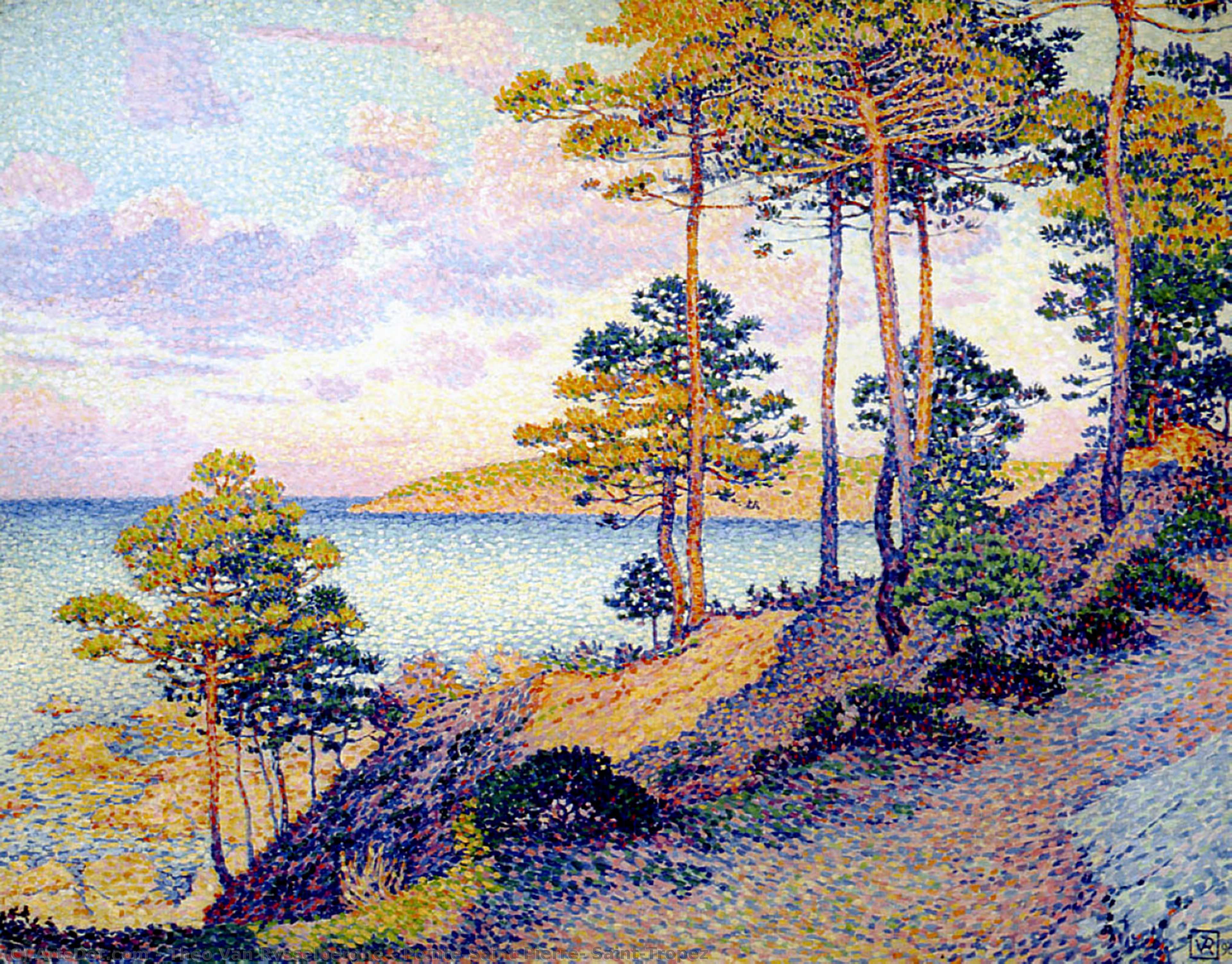
- Pointe-Saint-Pierre, Saint-Tropez
 Comandă tipăritul Cumpără imaginea
 Trimite
 Distribuie
 Details
 Adaugă la favorite

 Descarcă
 Similare
 X-Ray
X-Ray
 Diaporama
Pointe-Saint-Pierre, Saint-Tropez
 Oil On Canvas
- WallArt
- Neo-Impressionism
 1896
1896- 19th Century
 78.0 x 98.0 cm
Reproducere manuală în ulei
Pictură în ulei pe pânză, pictată manual, la dimensiunea și ramele dorite de dumneavoastră, realizată la comandă de artiștii noștri.




P118B $10

P118H $10

P118W $10

P438Z $10

P508JH $12

P508YH $12

P805H $10

P805Z $10

P919BZ $10

P919G $10

P919XJ $10

P959ZH $10

P968JZ $12

W106C $8

W218G $10

W218JH $8

W218Y $10

W307PJ $10

W316G $10

W316PJ $8

W316Y $10

W398PJ $8

W4111J $10

W500HY $15

W500JH $15

W692G $12

W849H $8

W940BG $15

W953PJ $8




 Citește mai mult
Alegeți dintre dimensiunile noastre prestabilite, care respectă proporțiile originale ale operei de artă.

Puteți introduce propriile dimensiuni pentru a se potrivi unui anumit cadru sau spațiu. Dacă dimensiunea selectată nu corespunde proporțiilor imaginii originale, vom decupa opera de artă sau vom extinde pictura cu elemente suplimentare pictate manual. O simulare digitală vă va fi trimisă pentru aprobare înainte de începerea producției.
Vă rugăm să rețineți că previzualizarea de pe ecran nu reflectă decuparea sau extinderea reală. Doar macheta va arăta cu exactitate compoziția finală.
Deși sunt disponibile dimensiuni personalizate, vă recomandăm să selectați o dimensiune din lista predefinită pentru a păstra proporțiile originale.
După plasarea comenzii, echipa ArtsDot.com va trimite clientului instrucțiuni prin e-mail și îi va furniza o previzualizare a machetei
Livrare în întreaga lume () în 3/4 săptămâni, în loc de cele 5 săptămâni standard. (1 Iulie). Fără compromisuri în ceea ce privește calitatea.

Livrare expres gratuită la nivel mondial

Pânză de in de înaltă calitate

Asigurare completă pentru transport

Garanție de rambursare a taxelor vamale

Garanția fidelității culorilor

Politica de retur de 60 de zile (doar pentru defecte)

Garanție 100% de rambursare

Reducere la comenzi multiple
 Opțiunea cu sticlă este disponibilă doar pentru dimensiuni de sub 110 cm

Pointe-Saint-Pierre, Saint-Tropez
Tehnică de reproducere
Dimensiune reproducere
-


Preț total calculat
-
Descriere operă de artă
Theo Van Rysselberghe’s *Pointe-Saint-Pierre, Saint-Tropez*: A Symphony of Light and Coastal Serenity
Theo Van Rysselberghe's 1896 painting, *Pointe-Saint-Pierre, Saint-Tropez*, is more than just a depiction of the French Riviera; it’s a meticulously crafted meditation on light, color, and the tranquil beauty of the Mediterranean coast. Executed in the Neo-Impressionist style, this work—measuring 78 x 98 cm—captures a moment of serene contemplation within a landscape that would later become synonymous with glamour and artistic inspiration. The painting’s enduring appeal lies not just in its picturesque subject matter but also in Van Rysselberghe's masterful manipulation of color and his innovative application of the pointillist technique, creating an immersive experience for the viewer.
- Subject Matter: A coastal scene dominated by a pine-studded shoreline, a calm sea reflecting the azure sky, and distant mountains providing a dramatic backdrop.
- Style: Neo-Impressionism – characterized by its emphasis on scientific color theory and the use of small, distinct dots of pure color to create an optical mixture.
- Size: 78 x 98 cm – A substantial canvas that allows for a detailed rendering of the landscape.
The Painter’s Vision: Van Rysselberghe and the Neo-Impressionist Movement
Born in Ghent, Belgium, in 1862, Théo van Rysselberghe was a key figure in the burgeoning Neo-Impressionist movement. Influenced by artists like Georges Seurat and Paul Signac, he sought to move beyond the fleeting impressions of Impressionism towards a more systematic approach to color. Van Rysselberghe’s training at the Académie Royale des Beaux-Arts in Brussels provided him with a solid foundation in traditional techniques, but it was his engagement with Neo-Impressionist principles that truly shaped his artistic vision. His work reflects a deep understanding of optics and a desire to capture the precise effects of light on color – a pursuit evident in the delicate layering of hues within *Pointe-Saint-Pierre, Saint-Tropez*. The painting’s composition subtly echoes the influence of Maximilien Luce and Henri Lebasque, both contemporaries who similarly explored the coastal landscapes of Provence.
Decoding the Technique: Pointillism and the Illusion of Depth
The most striking aspect of *Pointe-Saint-Pierre, Saint-Tropez* is Van Rysselberghe’s masterful use of pointillism. Rather than blending colors on the canvas, he applied tiny dots of pure color – predominantly blues, greens, and yellows – side by side. This technique, when viewed from a distance, creates an optical illusion of blended color, producing a vibrant and luminous effect. The artist's meticulous attention to detail is evident in the precise placement of each dot, contributing to the painting’s overall depth and atmospheric perspective. The texture created by these small dots adds a tactile quality to the image, inviting the viewer to appreciate the labor involved in its creation.
Symbolism and Emotional Impact: A Moment of Tranquility
Beyond its technical brilliance, *Pointe-Saint-Pierre, Saint-Tropez* evokes a profound sense of tranquility. The scene’s muted palette, combined with the gentle curves of the shoreline and the distant mountains, creates an atmosphere of peace and serenity. The presence of figures on the beach—small yet significant—adds a human element to the landscape, suggesting a moment of leisure and connection with nature. The painting's enduring appeal lies in its ability to transport the viewer to this idyllic coastal setting, offering a respite from the complexities of modern life. It’s a testament to Van Rysselberghe’s skill in capturing not just a visual scene but also an emotional state – one of quiet contemplation and appreciation for the beauty of the natural world.
Opere de artă similare


Biografie artist
A Pioneer of Light: The Life and Art of Théo van Rysselberghe
Théophile “Théo” van Rysselberghe, born in Ghent, Belgium, in 1862, emerged as a pivotal figure bridging the gap between Impressionism and Neo-Impressionism. His journey wasn’t one of immediate stylistic conviction but rather an evolving exploration sparked by travel, intellectual exchange, and a relentless pursuit of capturing light's essence. Coming from a comfortably bourgeois French-speaking family, van Rysselberghe received his initial artistic training at the Academy of Ghent under Theo Canneel, followed by studies at the prestigious Académie Royale des Beaux-Arts in Brussels. These formative years instilled in him a foundation rooted in traditional realism, evident in early works like *Self-Portrait with Pipe* (1880), characterized by somber tones and meticulous detail—a reflection of the prevailing Belgian artistic climate. However, even within these early pieces, hints of a burgeoning sensitivity to light and color began to surface, foreshadowing his future trajectory. A pivotal work from this period, *Child in an Open Spot of the Forest* (1880), marked a subtle departure, hinting at the brighter palette and looser brushwork that would define his later style.Moroccan Impressions and the Birth of Les XX
A transformative chapter unfolded with van Rysselberghe’s voyages to Morocco between 1882 and 1888. These extended sojourns immersed him in a world of vibrant colors, intense sunlight, and exotic landscapes—a stark contrast to the subdued tones of his earlier work. Paintings like *Arabian Street Cobbler* (1882), *Arabian Boy* (1882), and *Resting Guard* (1883) demonstrate a growing fascination with capturing the effects of light on form, moving away from strict realism towards a more impressionistic sensibility. The Moroccan experience wasn’t merely about visual observation; it was an immersion into a different culture that broadened his artistic horizons and instilled a lifelong love for travel. He meticulously documented these experiences in numerous paintings, striving to capture not just the outward appearance of the landscapes but also the atmosphere and emotional resonance they evoked. Upon returning to Brussels, van Rysselberghe became a driving force in the Belgian art scene, co-founding the influential group *Les XX* (The Twenty) in 1883 alongside Octave Maus and Émile Verhaeren. This collective served as a platform for showcasing avant-garde art, introducing new movements like Impressionism and Symbolism to a Belgian audience largely unfamiliar with such innovations. *Arabian Phantasia* (1884), a large-scale exotic painting depicting a bustling Moroccan street scene, became his most celebrated work from this period, demonstrating his mastery of light and composition.Embracing Neo-Impressionism: A Scientific Approach to Color
The true turning point in van Rysselberghe’s artistic development arrived with his encounter with Georges Seurat's *A Sunday on La Grande Jatte* at the eighth Impressionist exhibition in Paris in 1886. Initially skeptical of Seurat’s meticulous “pointillist” technique—the systematic application of tiny dots of pure color—van Rysselberghe gradually came to appreciate its scientific basis and potential for achieving luminous effects. He began experimenting with divisionism, the Neo-Impressionist method of separating colors into their constituent parts and allowing the viewer’s eye to blend them optically. This wasn't simply a technical shift; it represented a fundamental change in his approach to painting—a move towards a more analytical and objective representation of light and color. He forged close friendships with other Neo-Impressionist painters like Paul Signac, traveling with him along the French Riviera and exchanging ideas about technique and theory. Van Rysselberghe distinguished himself within the movement by applying pointillism not only to landscapes but also to portraiture, creating strikingly vibrant and psychologically insightful likenesses of his family and friends—works such as *Madame Charles Maus* (1890) are prime examples. The meticulous layering of tiny dots created a shimmering effect, capturing the nuances of light and shadow with remarkable precision.Portraiture and Symbolism: A Personal Vision
While deeply committed to Neo-Impressionism for a significant period, van Rysselberghe eventually moved beyond its strict tenets in the late 1890s. He sought greater freedom in his brushwork and compositions, exploring new ways to express emotion and atmosphere. He continued to be a prolific artist, working in various media including furniture design, book illustration, and decorative arts. His influence extended far beyond Belgium, impacting artists like Piet Mondrian and Jan Toorop who were inspired by his innovative use of color and light. However, it was during this period that he truly established himself as a portraitist of exceptional sensitivity. He moved away from the purely scientific approach of pointillism to create portraits imbued with psychological depth and emotional resonance. *Self-Portrait* (1897) exemplifies this shift, revealing a contemplative and introspective nature. His later works often incorporated symbolic elements—references to mythology, literature, and personal experiences—adding layers of meaning to his paintings. He was particularly drawn to themes of memory, loss, and the passage of time.A Lasting Legacy
Van Rysselberghe’s legacy lies not only in his beautiful paintings but also in his role as a catalyst for artistic change—a champion of modernism who helped introduce new ideas and techniques to the Belgian art world. His works are now held in prominent museum collections worldwide, including the Musée du Luxembourg in Paris and the Museum voor Schone Kunsten in Ghent, ensuring that his contribution to the history of art continues to be celebrated and appreciated by generations to come. *His dedication to exploring the interplay of light, color, and form cemented his place as a true pioneer of modern painting.*
Théo van Rysselberghe
1862 - 1926 , Belgia
Detalii rapide
- Artistic Movement Or Style: Neo-Impressionism
- Artists Or Movements Influenced By This Artist:
- Les XX
- Piet Mondrian
- Jan Toorop
- Artists Who Influenced This Artist:
- Jean-François Portaels
- Georges Seurat
- Paul Signac
- Date Of Birth: 23 Noiembrie 1862
- Date Of Death: 13 Decembrie 1926
- Full Name: Théo van Rysselberghe
- Nationality: Belgian
- Notable Artworks:
- Arabian Phantasia
- Spanish Woman
- Sevillan Woman
- Place Of Birth: Ghent, Belgia
Articole conexe

Top 10 Capodopere Post-Impresioniste care au Definit Arta Modernă | ArtsDot.ro
Descoperă Top 10 capodopere post-impresioniste de la Van Gogh, Monet, Cézanne și alții! Explorează istoria artei moderne, tehnicile unice și culorile vibrante. Reproduceri tablouri de calitate muzeală pe ArtsDot.com


Henri Moret: Capturing the Essence of Brittany's Light – A Study in Post-Impressionist Landscape Painting
Explore the captivating landscapes of Henri Moret, a master of Post-Impressionism. Discover his unique style, key works, and legacy in our expert guide. Learn about collecting Moret's art & its investment potential.

William Bradford: Navigating Faith, Landscape & Artistic Innovation in Early American Painting
Explore the captivating world of William Bradford, American Romanticist painter renowned for his dramatic Arctic seascapes & ship portraits. Discover his artistic evolution, influences, and lasting legacy with ArtsDot.
Maxime Maufra: Capturing Atmospheric Luminosity in Post-Impressionist Landscapes
Discover the captivating landscapes of Maxime Maufra, a key figure in Post-Impressionism. Explore his mastery of light, atmosphere & connection to the Pont-Aven School. Learn about collecting his work at ArtsDot.

Georges Seurat: Cele Mai Remarcabile 25 de Opere – Artă, Decorațiuni și Inspirație
Descoperă cele mai frumoase 25 de picturi ale lui Georges Seurat! Explorează arta Pointillismului, culorile vibrante și stilul unic al acestui maestru impresionist. Reproduceri de calitate superioară pentru decor interior rafinat pe ArtsDot.com.



