

- 46.0 x 55.0 cm


The picture follows your choices: , .
Descriere obiect de colecție
Paul Signac’s "Antibes, thunderstorms" (1919) – a stunning Pointillist coastal scene. Explore this masterpiece of shimmering light & atmospheric perspective.
 Vezi mai mult
Biografie artist
Paul Signac (1863-1935): pictor neoimpresionist revoluționar, maestru al punctilor de culoare și explorator al luminii. Descoperă operele sale vibrante și influența sa asupra artei moderne!
Reproducere pictată manual în ulei
Pictură în ulei pe pânză, pictată manual de artiștii noștri la dimensiunea și ramele dorite de dumneavoastră, pe comandă. ( Comută pe versiunea Print Comută pe Imagine Digitală)
More about this painting
 Previzualizare
 Trimite prin felicitare
 Distribuie
 Detalii despre lucrare
 Ghid
Ghid

 Descarcă imaginea
 Produse similare
 Radiografie
 Galerie foto
 Q&A
Q&A Statistici
Order your painting in four simple steps
Take your time. You can change any answer; the price in your order card follows each choice.
1 Step one of four
Which size would you like?
These sizes keep the proportions of the original painting. The drawing shows your choice on a wall, above a two-metre sofa.
Or give your own measurements
Alegeți dintre dimensiunile noastre prestabilite, care respectă proporțiile originale ale operei de artă.

Introduceți lățimea și înălțimea necesare pentru a se potrivi ramei sau peretelui dumneavoastră. Această lucrare este pictată manual, așa că, pentru o dimensiune cu o formă diferită, artistul poate picta puțin mai mult în jurul imaginii sau poate tăia puțin din margini — dumneavoastră decideți. Vă vom trimite o simulare digitală pentru aprobare înainte de a începe pictarea. Imaginea afișată pe această pagină nu reprezintă rezultatul real — doar simularea este reprezentativă.
2 Step two of four
How should it be prepared: rolled, stretched or framed?
The prices below are for the size you chose in step one.
Choose the edges of the stretched canvas
Choose your frame

White lei1

Blurside lei1

Extended lei1

P118B lei10

P118H lei10

P118W lei10

P438Z lei10

P508JH lei12

P508YH lei12

P805H lei10

P805Z lei10

P919BZ lei10

P919G lei10

P919XJ lei10

P959ZH lei10

P968JZ lei12

W106C lei8

W218G lei10

W218JH lei8

W218Y lei10

W307PJ lei10

W316G lei10

W316PJ lei8

W316Y lei10

W398PJ lei8

W4111J lei10

W500HY lei15

W500JH lei15

W692G lei12

W849H lei8

W940BG lei15

W953PJ lei8

H24-GOLD lei30

H24-SILVER lei30

H36-GOLD lei45

H36-SILVER lei45
Înramat
Moulding: . Overall size with the frame: .
3 Step three of four
Would you like anything changed in the painting?
Most people answer no. Because each painting is made by hand, our artist can also adapt it for you.
After order, ArtsDot.com team will email client for instructions and provide a mockup preview
4 Step four of four
A few finishing options
All of them are optional. The answers already selected cost nothing extra.
Who paints it?
Livrare în întreaga lume () în 3-4 săptămâni, în loc de cele 5 săptămâni standard. (31 Octombrie). Fără compromisuri în ceea ce privește calitatea.
A nameplate, as in a museum?
Detalii plăcuță din bronz gravat
This elegant plaque features the artist's name and the title of the artwork, finely engraved for a timeless presentation.
It is made from bronze with a refined, elegant finish. The text is precisely laser-engraved for a sharp and permanent result. Measuring 9x2 cm, the plaque is compact yet easy to read. It's built to be durable and scratch-resistant, offering a professional, museum-quality look. Mounting is simple thanks to the included adhesive backing.
Detalii plăcuță din acril transparent
The plaque includes essential engraved details such as the artist's name, the title of the artwork, the date it was created, the type of media used-like oil on canvas or watercolor-a brief description of the piece, and a QR code that links to the complete artwork information.
It is crafted from clear acrylic, offering a sleek, modern appearance. The text is UV-engraved in black to ensure strong visual contrast. With a size of 10x15 cm, it ensures optimal readability. It comes equipped with two metal hooks for secure wall mounting. The plaque is designed to be weather-resistant, making it suitable for various environments, and it includes interactive features that work seamlessly with smartphone scanning.
Detalii placă din acril negru
This elegant plaque includes engraved information such as the artist's name, the title of the artwork, the date it was created, the type of media used (like oil on canvas or watercolor), a short description of the artwork, and a QR code for quick access to more information.
The plaque itself is made from refined black acrylic with a premium finish. The text is laser-engraved in white for high contrast and readability. Its size is 10x15 cm, designed to be easy to read. It comes with two metal hooks for professional mounting. The design is sleek and fits any interior style. It is also weather-resistant and durable, with built-in digital integration for mobile compatibility.
A protective varnish?
When do you need it?
✓ Check and order
Your painting, as you ordered it

Antibes, thunderstorms
Tehnică de reproducere
Dimensiune reproducere
-

Selecție de artiști de elită
Mai multe detalii, rafinament și timp suplimentar de execuție
-

Ramă pentru reproducere artistică
-
-
Pentru opere de artă sau reproduceri care depășesc 105 cm (aproximativ 41 de inch) pe oricare dintre laturi, cadrul va fi livrat demontat, sub formă de kit. Această metodă asigură o livrare sigură și previne deteriorarea în timpul transportului.
Este necesară asamblarea profesională – acest produs nu este de tip DIY (de făcut singur).
Kitul trebuie asamblat, iar pânza întinsă, de către un legător de cadre experimentat, utilizând adeziv pentru lemn (neinclus în colet), o cheie pentru întinderea pânzei și cleme pentru a menține barele la unghi drept în timp ce adezivul se usucă. Asamblarea incorectă sau tensiunea neuniformă a pânzei pot deteriora permanent opera de artă și nu sunt acoperite de garanția noastră.
 Pentru opere de artă sau reproduceri care depășesc 105 cm (aproximativ 41 de inch) pe oricare dintre laturi, cadrul va fi livrat demontat, sub formă de kit. Această metodă asigură o livrare sigură și previne deteriorarea în timpul transportului.
Toate barele din lemn masiv sunt incluse, tăiate cu precizie la dimensiunea necesară.
Asamblat cu șuruburile incluse, plus adeziv pentru lemn pentru îmbinările de colț, care nu este furnizat și trebuie achiziționat de către tâmplarul dumneavoastră.
Sunt necesare unelte profesionale care nu sunt incluse: o șipte de întindere a pânzei (tensionator) și cleme pentru a menține barele la unghi drept în timp ce adezivul se usucă.
Important:
Îmbinările de colț necesită adeziv pentru lemn, barele trebuie fixate cu clești de strângere până când adezivul este complet uscat, iar întinderea pânzei pe cadrul asamblat necesită un clește pentru întins pânza. Niciunul dintre aceste elemente nu este inclus în kit. Vă rugăm să consultați un încadrator profesionist cu experiență înainte de a comanda această dimensiune.

Etichetă de prezentare
-
-

Lac de protecție
Lac lucios (intensifică nuanțele și oferă protecție împotriva luminii și a umidității)
-

Personalizează opera mea de artă
Exemple de elemente ce pot fi personalizate: Înlocuirea feței cu fotografia clientului; Adăugarea unui animal de companie (de exemplu, înlocuirea unei pisici cu un câine); Includerea unui mesaj ascuns în fundal; Modificarea peisajului sau a elementelor din fundal.
-

Livrare rapidă
Livrare la nivel mondial () în 3-4 săptămâni, în loc de cele 5 săptămâni standard. (31 Octombrie). Fără compromisuri când vine vorba de calitate.
-
Livrare rapidă
Livrare la nivel mondial () în 5 săptămâni. (7 Noiembrie).
Inclus
Preț total calculat
lei 1247
Opțiunea cu sticlă este disponibilă doar pentru dimensiuni de sub 110 cm
Included with every order
- Livrare expres gratuită la nivel mondial
- Pânză de in de înaltă calitate
- Asigurare completă pentru transport
- Garanție de rambursare a taxelor vamale
- Garanția fidelității culorilor
- Politica de retur în 100 de zile (doar pentru defecte de fabricație)
- Garanție de rambursare 100%
- Ofertă pentru comenzi multiple


Antibes, Thunderstorms – A Pointillist Masterpiece by Paul Signac
Paul Signac’s “Antibes, Thunderstorms,” painted in 1919, is more than just a depiction of a coastal scene; it's a meticulously constructed meditation on light, color, and the very nature of perception. This evocative work, measuring 46 x 55 cm, captures the dramatic beauty of Antibes, France, at dusk or dawn – a moment suspended in time where the sea, sky, and architecture converge under a brooding, storm-laden canopy. The painting’s immediate impact lies in its shimmering surface, created through Signac's revolutionary Pointillist technique, a method he pioneered alongside Georges Seurat.
- The Science of Color: Signac’s approach was deeply rooted in scientific principles. He believed that the eye could more effectively blend colors when presented with small dots of pure hue than when painted with broad strokes. This optical mixing is brilliantly demonstrated here, where countless tiny points of color – blues, greens, ochres, and whites – coalesce to create a luminous effect, mimicking the way light itself interacts with the landscape.
- A Harmonious Vision: The composition emphasizes atmospheric perspective, utilizing darker blues and greens in the distance to suggest depth while brighter colors draw the viewer’s eye towards the foreground elements. This careful manipulation of value and saturation creates a sense of spatial recession, characteristic of Pointillism's focus on visual sensation rather than strict realism.
The Birth of Pointillism
“Antibes, Thunderstorms” represents a crucial moment in the development of modern art. Signac’s work emerged from a desire to move beyond the limitations of Impressionism, which often struggled to capture the fleeting effects of light and atmosphere. He sought a more systematic approach, one that could harness the power of color theory to create paintings that were both visually stunning and intellectually rigorous. This pursuit led him and Seurat to develop Pointillism – a technique that would profoundly influence generations of artists.
The painting’s meticulous detail—the individual dots painstakingly applied layer upon layer—reflects Signac's belief in the importance of observation and scientific analysis. It wasn't simply about representing what he saw; it was about understanding *how* he saw it, translating his visual experience into a structured system of color and form.
Symbolism and Emotional Impact
Beyond its technical brilliance, “Antibes, Thunderstorms” possesses a subtle symbolic resonance. The depiction of a coastal scene, coupled with the dramatic presence of impending storms, evokes a sense of both tranquility and unease. The hazy atmosphere, created by Signac’s technique, lends the painting a dreamlike quality, inviting contemplation about the transient nature of beauty and the power of the natural world.
The shimmering light and textured surface create an immersive experience for the viewer, transporting them to the shores of Antibes. The work's emotional impact is one of quiet wonder – a reminder of the profound beauty that can be found in even the most fleeting moments.
Provenance and Significance
Painted in 1919, this artwork stands as a testament to Paul Signac’s enduring legacy. His innovative approach to color and composition continues to inspire artists today, and his work is held in prestigious collections worldwide. This hand-painted reproduction offers an exceptional opportunity to own a piece of art history – a window into the mind of one of modernism's most influential figures.
Întrebări și răspunsuri
Ce emoție transmite "Antibes, thunderstorms" de Paul Signac?
"Antibes, thunderstorms" de Paul Signac transmite un ton emoțional Tranquil.
Cum echilibrează "Antibes, thunderstorms" lumina și întunericul?
"Antibes, thunderstorms" de Paul Signac este înregistrat cu o brilliant, având o luminanță de Bright Balance.
Unde pot găsi statistici despre "Antibes, thunderstorms" de Paul Signac?
Există o pagină de Statistici pentru "Antibes, thunderstorms". Aceasta prezintă graficul vizitelor lunare pentru această operă și pentru celelalte lucrări ale artistului, cu detalii pe țări și limbi vorbite.
Opere similare


Paul Signac
1863 - 1935, Franța
Biografie artist
The Harmonious Vision of Paul Signac
Paul Victor Jules Signac, născut în Paris în 1863, a devenit o figură centrală în evoluția artei moderne, inextricabil legat de nașterea și dezvoltarea Neo-Impresionismului. Inițial atras de arhitectură, o întâlnire timpurie cu expoziția lui Claude Monet a aprins în el o pasiune durabilă pentru pictură, conducându-l pe un drum care a redefinit teoria culorilor și expresia artistică. Signac nu era doar un pictor; era un explorator dedicat al luminii, culorii și științei de bază a percepției vizuale. Lucrările sale timpurii, deși demonstrează influențe Impresioniste, au evoluat rapid sub îndrumarea profundă a lui Georges Seurat, forjând o parteneriat care a dat naștere Pointillismului – o tehnică caracterizată prin aplicarea meticuloasă a unor puncte minuscule, distincte de culoare pură, menite să se amestecă optic în ochii privitorului. Aceasta nu era doar o chestiune de estetică; era un efort de a sistematiza pictura, ancorând-o în principii științifice și provocând normele artistice convenționale.Un Dialog cu Seurat și Nașterea Neo-Impresionismului
Întâlnirea dintre Signac și Seurat în 1884 a fost transformatoare pentru ambii artiști. Ei împărtășeau o fascinație pentru scrierile lui Eugène Delacroix despre teoria culorilor, în special explorarea contrastelor complementare și impactul emoțional al nuanțelor. Împreună, au pornit într-o investigație riguroasă a acestor principii, traducându-le într-o tehnică de pictură revoluționară. Signac a îmbrățișat cu toată convingerea viziunea lui Seurat, abandonând pensulelor tremurânde ale Impresionismului în favoarea aplicării precise și calculate a punctelor de culoare. *Boulevard de Clichy* (1886) este un testament timpuriu al acestei noi abordări, prezentând stilul meticulos al lui Signac și angajamentul său față de captarea vitalității vieții urbane printr-o lentilă științifică. Cu toate acestea, colaborarea lor nu a fost doar tehnică; a fost și intelectuală, alimentată de un dor comun de a ridica pictura la nivelul unui rigor științific. Signac a devenit un susținător devotat al ideilor lui Seurat, promovând neobosit Neo-Impresionismul și apărando-i principiile împotriva criticilor. Tragiicul deces prematur al lui Seurat în 1891 lăsa pe Signac rolul principal de campion al viziunii lor comune.Reverii Costiere și Independența Artistică
După moartea lui Seurat, călătoria artistică a lui Signac a luat o nouă turnură, profund influențată de dragostea sa profundă pentru navigație și farmecul coastei mediteraneene. A descoperit Saint-Tropez în 1892, stabilindu-și o casă acolo care a devenit un sanctuar pentru artiști și o sursă nesfârșită de inspirație. Apelurile strălucitoare, porturile însorite și satul pitoresc de pe coastă au oferit un cadru ideal pentru explorarea interacțiunii dintre lumină și culoare. *The Red Buoy, Saint-Tropez* (1895) este o dovadă a acestei perioade, prezentând măiestria lui Signac în Pointillism în captarea nuanțelor vibrante și a energiei dinamice ale mării. Tehnica sa a evoluat, devenind mai fluidă și expresivă, menținând în același timp fundația științifică. A început să experimenteze cu pensule mai mari și o paletă mai largă, depășind aderarea strictă la metoda precisă de puncte a lui Seurat. Signac a călătorit dincolo de Franța, explorând Italia, Olanda și chiar Constantinopolul, fiecare călătorie îmbogățind-i vocabularul artistic și lărgindu-i perspectiva.Un Patron al Avantgardei și Moștenire Durabilă
Dincolo de propriile sale eforturi artistice, Signac a jucat un rol crucial în promovarea dezvoltării artei moderne prin leadership-ul său în Société des Artistes Indépendants. Ca președinte începând cu 1908 până la moartea sa în 1935, el a susținut libertatea artistică și a oferit o platformă pentru artiști aflați la început de drum, inclusiv Henri Matisse, André Derain și alți pionieri ai Fauvismului și Cubismului. A fost printre primii care au recunoscut și sprijinit munca lor inovatoare. Teoriile sale scrise, în special *From Eugène Delacroix to Neo-Impressionism* (1899), au consolidat și mai mult poziția sa ca figură intelectuală de conducere în lumea artei. Paul Signac nu a fost doar un pictor; a fost un artist visionary, un teoretician dedicat și un patron generos care a influențat profund traiectoria artei din secolul al XX-lea, lăsând o moștenire de neclintit pentru generațiile viitoare.Date Cheie & Realizări
- 1863: Născut în Paris, Franța.
- 1884: A co-fondat Société des Artistes Indépendants împreună cu Georges Seurat.
- 1886: A pictat *Boulevard de Clichy*, un exemplu cheie de Pointillism timpuriu.
- 1895: A creat *The Red Buoy, Saint-Tropez*, prezentând măiestria sa în scenele costiere.
- 1899: A publicat *From Eugène Delacroix to Neo-Impressionism*, o lucrare seminală despre teoria culorilor.
- 1908 – 1935: A servit ca președinte al Société des Artistes Indépendants, promovând artiști de avangardă.
- 1935: A murit în Paris la vârsta de 72 de ani, lăsând o bogată moștenire artistică.


Articole similare
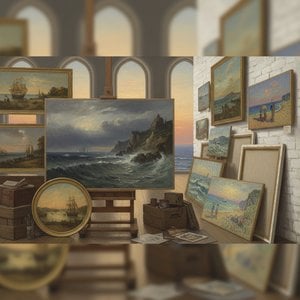
Evoking the Horizon: A Historical & Artistic Exploration of Coastal Scenes in Painting
Explore the rich history of coastal scenes in painting! Discover Impressionist masterpieces, American realism & contemporary visions. Learn about renowned artists and find your perfect seascape at ArtsDot.

Paul Klee: Cele Mai Iubite 25 de Capodopere – Artă Abstractă pentru Decorul Casei Tale | ArtsDot.ro
Descoperă cele mai emblematice 25 de picturi Paul Klee! Explorează istoria, stilul expresionist și paleta unică a acestui maestru al artei abstracte. Reproduceri de calitate muzeală pentru decorul perfect. Descoperă toate capodoperele pe ArtsDot.com

Paul Signac: Pointillism, Politics & the Pursuit of Harmony in Modern Art
Explore the life & art of Paul Signac, a key figure in Neo-Impressionism. Discover his Pointillist technique, anarchist beliefs, and stunning coastal scenes. Learn about his influence on modern art history.