


 Podgląd w skali
 Wyślij jako kartkę
 Udostępnij
 Szczegóły dzieła

 Pobierz
 Podobne obiekty
 RTG
RTG Pokaz slajdów
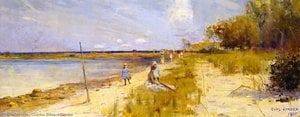
Studland Beach
 1930
1930 46.0 x 64.0 cm
 Rozwiń treść
Giclée / Wydruk artystyczny
Druk giclée lub płótno o jakości muzealnej, szybka realizacja i szeroki wybór opcji wykończenia. ( Zamów ręcznie malowaną reprodukcję Kup obraz wysokiej rozdzielczości)




































Wybierz spośród naszych standardowych rozmiarów, które zachowują oryginalne proporcje dzieła sztuki.

Możesz wprowadzić własne wymiary, aby dopasować dzieło do konkretnej ramy lub przestrzeni. Jeśli wybrany rozmiar nie będzie odpowiadał proporcjom oryginalnego obrazu, przytniecie dzieło lub rozszerzymy obraz za pomocą odbicia lustrzanego lub jednolitego wypełnienia krawędzi. Przed rozpoczęciem produkcji prześlemy cyfrową wizualizację do Twojej akceptacji.
Prosimy pamiętać, że podgląd na ekranie nie odzwierciedla faktycznego przycinania ani rozszerzania. Tylko wizualizacja dokładnie pokaże końcową kompozycję.
Mimo dostępności niestandardowych rozmiarów, zalecamy wybór wymiaru z listy zdefiniowanej, aby zachować oryginalne proporcje.
Dostawa na cały świat () w ciągu 2 tygodni zamiast standardowych 4/5 tygodni. (24 Sierpień)

Bezpłatna ekspresowa wysyłka na cały świat

Wysokiej jakości płótno lniane

Pełne ubezpieczenie przesyłki

Gwarancja zwrotu należności celnych i podatków importowych

Gwarancja wiernego odwzorowania kolorów

Polityka 60-dniowego zwrotu (tylko w przypadku wad)

Gwarancja 100% zwrotu kosztów

Zniżka przy zamówieniu wielu produktów
 Opcja ze szkłem jest dostępna wyłącznie w rozmiarach poniżej 110 cm

Studland Beach
Giclée / Wydruk artystyczny
Wymiary reprodukcji
-


Cena całkowita
$ 62
Opis kolekcjonerski
A Glimpse into the Painting
The painting depicts a bustling beach scene with several people enjoying their time on the sandy shore. A group of individuals are standing near the water's edge, while others are scattered across the beach, some with umbrellas set up to provide shade from the sun. The presence of a bicycle, boat, and horse adds to the atmosphere of leisure and relaxation in this beach scene.Artist's Background
Walter Westley Russell was a British painter and art teacher who became a member of the Royal Academy of Arts in 1926. He served as Keeper of the Royal Academy Schools from 1927 to 1942. Russell's work is characterized by his ability to capture the beauty of everyday scenes, making him a renowned artist of his time.- Other notable works by Walter Westley Russell include Alice, which can be found on ArtsDot.com.
- For more information on the artist, visit ArtsDot.com's artist page.
The Studland Beach painting is a testament to Walter Westley Russell's skill as an artist and his ability to capture the beauty of everyday scenes. As a valuable piece of art history, it continues to inspire and delight audiences today.
Podobne dzieła




O artyście
The Luminous Legacy of Sir Walter Westley Russell
Sir Walter Westley Russell (1867–1949) stands as a distinguished figure in the annals of British art, a painter whose brush captured the ephemeral beauty of the natural world with profound sensitivity. Born in Forest Gate, Essex, Russell’s journey into the heart of the aesthetic movement was deeply personal, nurtured by the influence of his father, Henry Russell. As a bookbinder and artist, Henry provided a foundation of visual literacy that would later allow Walter to perceive the subtle nuances of light and texture in the English landscape. His formal education at the Westminster School of Art under the guidance of Professor Frederick Brown further refined his technical prowess, instilling in him a mastery of both watercolour and oil painting that would define his illustrious career.
The essence of Russell’s work lies in its ability to evoke a sense of serene permanence amidst the shifting tides of nature. He was particularly renowned for his evocative depictions of the Yorkshire coastlines and the tranquil expanses of the Norfolk countryside. Through his eyes, coastal vistas became more than mere scenery; they were atmospheric studies of light, wind, and water. Works such as Studland Beach and Sandbanks demonstrate his remarkable ability to render the interplay between the sea and the shore, capturing a sense of peace that resonates with viewers even a century later. His landscapes are imbued with a quiet majesty, reflecting a deep, spiritual connection to the British terrain.
A Pillar of the Royal Academy and Artistic Eminence
Beyond his individual creative output, Russell played a monumental role in the institutional fabric of the British art world. His ascent within the Royal Academy was both steady and significant, marked by his election as an Associate Member in 1920, followed by Full Academician status in 1926. Perhaps his most influential period came between 1927 and 1942, when he served as the Keeper of the Royal Academy Schools. In this capacity, he was not merely a painter but a mentor, shaping the next generation of British artists during one of the most transformative eras in modern history. His commitment to excellence and his role in maintaining the standards of artistic education solidified his reputation as a cornerstone of the establishment.
Russell’s reach extended far beyond the borders of the United Kingdom. His participation in the 1912 Venice Biennale served as a testament to his international standing, allowing him to engage with the broader European avant-garde and bring a British perspective to one of the world's most prestigious art stages. This period of his life was characterized by an active dialogue with contemporary movements, including his involvement with the New English Art Club from 1893 onwards. Even amidst the profound disruptions of World War I, where he served with distinction as a lieutenant in the Royal Engineers, Russell’s dedication to the visual arts remained an undiminished force.
Artistic Versatility and Enduring Significance
While landscapes remain his most celebrated contribution, the breadth of Russell’s repertoire was impressively diverse. He possessed a keen ability to pivot from the vastness of a coastal horizon to the intimate details of portraiture and genre scenes. His early exhibitions at the Royal Academy featured works such as Pierrots and Tea Time, which showcased his skill in capturing the charm of everyday life and the subtle complexities of human character. This versatility allowed him to navigate the delicate balance between traditional representation and a more modern, atmospheric sensibility.
The historical significance of Sir Walter Westley Russell lies in his ability to bridge the gap between the classical traditions of the 19th century and the evolving sensibilities of the early 20th century. His life was a tapestry of service, education, and profound observation. To look upon a Russell painting is to experience a moment of stillness, a carefully preserved fragment of the British landscape that continues to inspire awe through its masterful command of light, atmosphere, and emotion.

Walter Westley Russell
1867 - 1949 , United Kingdom
Krótka nota
- Artistic Movement Or Style: Landscape painting
- Artists Or Movements Influenced By This Artist: ['Venice Biennale']
- Artists Who Influenced This Artist: ['Frederick Brown']
- Date Of Birth: May 31, 1867
- Date Of Death: April 16, 1949
- Full Name: Walter Westley Russell
- Nationality: British
- Notable Artworks:
- The Perriots
- Tea Time
- A Portrait
- Place Of Birth: Forest Gate, United Kingdom


