Wczesne lata, rodzina i kształcenie artystyczne
Urodzony 12 lipca 1824 roku w portowym miasteczku Honfleur w Normandii, Eugène Louis Boudin był dzieckiem morza. Jego ojciec pracował jako pilot portowy, a zawód ten sprawiał, że życie rodziny nierozerwalnie wiązało się z przypływami i ruchem statków. Już w wieku dziesięciu lat chłopiec pracował na pokładzie parowca kursującego między Le Havre a Honfleur. To właśnie podczas tych wczesnych lat spędzonych na wodzie po raz pierwszy zaczął obserwować zmieniające się światło tańczące na falach – nawyk, który ostatecznie zdefiniował całą jego karierę.
W 1835 roku rodzina przeprowadziła się do Le Havre, gdzie ojciec otworzył sklep z artykułami papierniczymi i ramami do obrazów. Sklep ten stał się centralnym punktem jego młodości; pracował wśród narzędzi rzemiosła i różnorodnych dzieł sztuki, które przechodziły przez jego progi. Bliskość tych przedmiotów oraz dyskusje toczone wewnątrz sklepu zapewniły mu ciche, nieustanne zanurzenie w świecie sztuk wizualnych. Nie był jedynie synem sklepikarza; był młodym człowiekiem dorastającym w krajobrazie pełnym koloru i handlu.
Jego formalna ścieżka ku malarstwu stała się jasna, gdy w 1850 roku otrzymał stypendium, które pozwoliło mu opuścić Normandię i udać się do Paryża. Ta przeprowadzka wprowadziła go w samo serce francuskiego świata sztuki, gdzie zapisał się na studia w pracowni Eugène Isabey. Aby utrzymać się podczas doskonalenia warsztatu, podjął pracę jako kopiysta w Luwrze. Tam, pośród wielkich dzieł przeszłości, nauczył się dyscypliny obserwacji oraz technicznych fundamentów, które stanowiły wsparcie dla jego późniejszych poszukiwań w świecie natury.
Rozwijanie unikalnej techniki i stylu
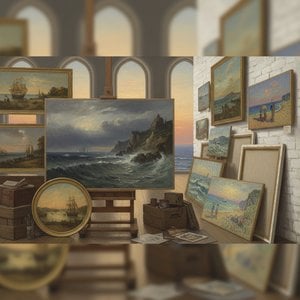
Eugène Louis Boudin odnalazł swoje prawdziwe powołanie w słonym powietrzu i nieustannie zmieniających się przypływach, ugruntowując swoją pozycję jako malarz morski o niezwykłej biegłości w oddawaniu potęgi morza i jego surowych brzegów. Był jednym z pierwszych francuskich pejzażystów, którzy porzucili bezpieczne zacisze pracowni, aby tworzyć pod gołym niebem. Przyjmując praktykę malowania en plein air, dążył do uchwycenia świata bezpośrednio poprzez obserwację, goniąc ulotne światło tańczące na tafli wody. To oddanie chwili wymagało od niego pewnej śmiałości w nakładaniu pigmentu.
Jego metoda była zarazem przemyślana, jak i pełna pasji. Często rozpoczynał swoje płótna od nałożenia na całą powierzchnię jasnoniebieskiej ochry, tworząc świetlisty podkład. Gdy ta baza była już gotowa, używał twardych pędzli z naturalnego włosia, aby nakładać kolejne warstwy kolorów, budując strukturę farby w celu stworzenia obszarów intensywnego blasku. Technika ta pozwalała mu naśladować sposób, w jaki promienie słoneczne uderzają w grzywy fal lub przebijają się przez ciężkie chmury. Jego pastele były równie charakterystyczne, definiowane przez zwięzłe i oszczędne pociągnięcia pędzla, które przedkładały esencję sceny nad zbędne detale.
To techniczne podejście pozwoliło mu przenieść zmysłowe doświadczenie wybrzeża Normandii na drewniane podłoże. Nie szukał on jedynie przedstawienia konkretnej lokalizacji, lecz pragnął zapisać sam ruch atmosfery. Dzięki warstwowemu nakładaniu koloru i preferencji dla bezpośredniej obserwacji, wypracował sposób patrzenia, który faworyzował to, co przemijające, ponad to, co trwałe.
Wpływ holenderskich mistrzów
Droga jego pędzla została głęboko ukształtowana przez światłocień XVII-wiecznych holenderskich mistrzów. Odnalazł on głęboki rezonans w ich skrupulatnej dbałości o detal oraz w niezwykłej zdolności do wykorzystywania perspektywy powietrznej w celu kreowania poczucia głębi. Ta więź z Północą nie miała charakteru czysto akademickiego; stanowiła ona fundamentalny element jego sposobu postrzegania świata. Dążył on do uchwycenia samej esencji sceny poprzez uważną obserwację interakcji światła z żywiołami, co było poszukiwaniem odzwierciedlającym wrażliwość dawno nieżyjących mistrzów.
Znacząca zmiana w jego artystycznym kierunku nastąpiła w momencie spotkania z holenderskim malarzem Johanem Jongkindem. To spotkanie okazało się punktem zwrotnym dla jego rozwijającej się wizji artystycznej. Jongkind zachęcił go, aby opuścił bezpieczne mury pracowni i przyjął praktykę malowania na świeżym powietrzu, znaną jako en plein air. Ta rada pozwoliła mu stać się świadkiem natychmiastowych, zmiennych nastrojów środowiska nadmorskiego. Stał się wręcz obsesyjnie zafascynowany tym, jak niebo i morze potrafią zmienić się w jednej chwili, starając się przełożyć te ulotne wrażenia światła i wody na płótno.
Jego twórczość stała się studium tych przemijających jakości. Skupiał się na subtelnych niuansach nieba, często traktując je jako głównego bohatera swoich pejzaży. Obserwując sposób, w jaki światło przesuwa się po falach i przenika przez chmury, nauczył się oddawać atmosferę z nową, nieznaną dotąd bezpośredniością. To oddanie naturze, podsycane spotkaniami z Jongkindem oraz wpływem tradycji holenderskiej, pozwoliło mu portretować spryskane solą klify i mieniące się przypływy wybrzeża Normandii z niezwykłą wrażliwością.
Mentorship i krąg impresjonistów
Boudin poruszał się w krajobrazie społecznym, w którym granice tradycyjnej sztuki były nieustannie wystawiane na próbę przez nowe, odważne idee. Odnalazł się w towarzystwie wpływowych postaci, wymieniając poglądy z malarzem Gustave Courbet oraz wchodząc w intelektualne relacje z najwybitniejszymi poetami i krytykami epoki. Jego obecność w ówczesnych kręgach artystycznych była dodatkowo umocniona dzięki związkom z takimi twórcami jak Constant Troyon, Jean-François Millet oraz Jean-Baptiste Isabey – ludźmi, którzy współtworzyli środowisko, w którym Eugène Louis Boudin doskonalił swój kunszt.
Być może jego najbardziej doniosły wpływ objawił się w rozwoju młodego Claude Monet. Łączyła ich więź wykraczająca daleko poza zwykłą przyjaźń; Boudin pełnił rolę przewodnika, kierując młodszego artystę z dala od prostych karykatur w stronę poważnych, głębokich studiów nad krajobrazem. Monet wspominał tę opiekę z ogromną wdzięcznością, twierdząc, że to właśnie Boudin zdjął zasłonę z jego oczu, ukazując prawdziwy potencjał malowania świata natury. To mentorskie wsparcie pomogło wykształcić nowy sposób patrzenia, który ostatecznie zmienił bieg historii sztuki.
Choć jego własne metody pozostały w pewnym stopniu bardziej tradycyjne niż radykalne poszukiwania awangardy, Boudin był świadkiem samych narodzin rewolucji. Wziął udział w pierwszej wystawie impresjonistów w 1874 roku, stojąc ramię w ramię z artystami, którzy wkrótce mieli na nowo zdefiniować ten nurt. Zajmował wyjątkową pozycję, służąc jako żywy most łączący ugruntowane tradycje przeszłości z radykalnymi, przepełnionymi światłem eksperymentami przyszłości.
Główne dzieła i tematy artystyczne
Jego pędzel nieustannie powracał ku posypanym solą krańcom świata, odnajdując najgłębszą ekspresję w nadmorskich pejzażach Normandii. Eugène Louis Boudin posiadał szczególny rodzaj fascynacji sposobem, w jaki światło tańczy na tafli wody oraz zmiennymi nastrojami nieba, często kierując swój wzrok ku wybrzeżom Normandii i Bretanii. W tych scenach dążył do uchwycenia samej esencji morskiego środowiska, wykraczając poza zwykły opis, by utrwalić ulotną atmosferę morza i jego brzegów.
Ta oddanie wybrzeżu rozciągało się również na jego bardziej intymne studia życia na lądzie. W 1867 roku namalował Honfleur, the Saint Catherine Market Place, dzieło oddające tętniącą życiem scenę wioskową. Później, około 1889 roku, zwrócił swoją uwagę na March in Honfleur, kontynuując swój długi dialog ze światłem tego konkretnego regionu. Nawet w swoich spokojniejszych momentach morze pozostawało obecne; jego Still Life with Lobster on a White Tablecloth, znajdująca się obecnie w High Museum of Art w Atlancie, demonstruje skupienie na teksturach i barwach morskich skarbów.
Późne lata i śmierć
Wraz z upływem lat niepokorny duch, który niegdyś pchał młodego chłopca do szkicowania na marginesach książek, prowadził artystę przez liczne granice. Poszukiwał zmiennego światła wybrzeży Belgii i Holandii, by później skierować swoje spojrzenie ku ciepłu południowej Francji. Jego podróże nie były jedynie wyprawami rekreacyjnymi; napędzała je głęboka potrzeba świadczenia o atmosferze w jej niezliczonych stanach. Poczuł nieodparty pociąg do Wenecji, gdzie unikalna jakość światła tańczącego na wodzie oferowała nowe tajemnice, które pragnął przenieść na płótno.
Jego oddanie naturze oraz niezachwiana obecność na francuskiej scenie artystycznej nie umknęły uwadze państwa. W 1892 roku został uhonorowany mianowaniem na członka Legii Honorowej, co stanowiło uznanie dla życia poświęconego pogoni za tym, co ulotne. Nawet gdy jego siły fizyczne zaczęły słabnąć, więź z morzem pozostawała stałą, niezmienną nicią jego egzystencji.
Koniec nadszedł w Deauville we Francji – w miejscu, gdzie słone powietrze i przypływy od dawna były jego towarzyszami. Odszedł 8 sierpnia 1898 roku, spoglądając w stronę kanału La Manche. Pozostawił po sobie dorobek, który uchwycił samą esencję wiatru i fal, które kochał od czasów dzieciństwa w Honfleur.
Trwałe dziedzictwo i uznanie
Uznanie dla jego talentu rosło nieustannie, gdy Eugène Louis Boudin poruszał się w wymagających kręgach francuskiego establishmentu artystycznego. W 1881 roku otrzymał medal za trzecie miejsce na Salonie Paryskim, co było wyróżnieniem zwiastującym jego rosnącą pozycję. Umiejętność chwytania ulotnego światła wybrzeża ostatecznie przyniosła mu jeszcze większe zaszczyty, w tym złoty medal na Wystawie Światowej w 1889 roku. Te laury były odzwierciedleniem kariery poświęconej obserwowaniu świata natury z autentycznością, która głęboko rezonowała z jego współczesnikami.
Jego wpływ wykraczał daleko poza płótna, które tworzył, pozostawiając trwały ślad na sposobie, w jaki przyszłe pokolenia podchodziły do malarstwa pejzażowego. To nieprzemijające oddziaływanie jest dziś honorowane poprzez Nagrodę im. Eugène Boudin, przyznawaną przez Société Nationale des Beaux-Arts w celu wyróżnienia wybitnych osiągnięć artystycznych. Jest to godny hołd dla człowieka, który całe swoje życie poświęcił pogoni za przemijającymi nastrojami morza i nieba.
Dziś jego obecność jest odczuwalna w wielu wielkich kolekcjach, a jego dzieła są celebrowane w muzeach na całym świecie. Kolekcjonerzy i historycy nieustannie badają jego niezwykłą zdolność do przenoszenia atmosfery wybrzeży Normandii i Bretanii na prostą deskę lub płótno. Jego obrazy pozostają częścią nieustannego dialogu historii sztuki, zgromadzone w licznych instytucjach na całym globie.
Gdzie dziś można podziwiać jego dzieła
Aby ujrzeć światło, które niegdyś tańczyło na wybrzeżu Normandii, należy udać się do wielkich skarbców francuskiej sztuki. W Paryżu Musée d’Orsay przechowuje kilka jego płócien, pozwalając widzom stanąć twarzą w twarz z pociągnięciami pędzla, które niegdyś inspirowały całe pokolenia malarzy. Jego obecność w stolicy sprawia, że studia nieba autorstwa Eugène Louis Boudin pozostają dostępne dla tych, którzy poszukują źródeł nowego sposobu postrzegania świata natury.
Morski duch jego ojczyzny wciąż tętni życiem w Le Havre, gdzie Musée d'art Moderne André Malraux przechowuje jego prace. Kolekcja ta przenosi widza z powrotem na brzegi i do portów, które zdefiniowały jego życie oraz artystyczną wizję. Poza granicami Francji jego wpływ niesie się przez oceany. W Stanach Zjednoczonych Nelson-Atkins Museum of Art w Kansas City posiada dzieła świadczące o jego niezwykłej zdolności do chwytania ulotnego ruchu przypływów. Jego oddziaływanie sięga jeszcze dalej w głąb Europy, czego przykładem jest Regionalna Galeria w Liberec, która zachowuje jego próby przeniesienia atmosfery wybrzeża na drewniane podłoże.
- Honfleur, plac targowy Saint Catherine (1867)
- Marzec w Honfleur (1889)
- Martwa natura z homarem na białym obrusie
Pytania i odpowiedzi
Czy istnieje zestawienie wszystkich tematów, które malował Eugène Boudin?
Atlas tematów artysty Eugène Boudin to strona, która grupuje dzieła artysty według ich tematyki.
Skąd pochodzi Eugène Boudin?
Eugène Boudin urodził się w Francja.
Czy mogę sortować dzieła Eugène Boudin według koloru?
Indeks kolorystyczny artysty Eugène Boudin to strona, która porządkuje jego dzieła według kolorów.