


A kép az Ön választásai alapján készült: , .
A gyűjtemény leírása
Experience the dynamic energy of Paul Jackson Pollock's 'Burning Landscape,' a captivating drip painting featuring instruments and musicians—a cornerstone of Abstract Expressionism and American art history.
 Összes részlet megjelenítése
A művész életrajza
Paul Jackson Pollock (1912-1956) amerikai festő, az absztrakt expresszionizmus egyik alapítója. Drip technológiája, a képek spontán, dinamikus alkotásai, melyek a művész mozgását és érzelmeit tükrözik. #Pollock #AbsztraktExpresszionizmus
Kézzel készített olajfestmény reprodukció
Kézzel festett olajvastú vászon, az Ön által választott méretben és keretben, művészeink készítik meglévőre. ( Váltás nyomtatványra Áttérés digitális képre)
Több információ erről a festményről
 Megtekintés
 Küldés
 Megosztás
 Részletek
 Útmutató

 Letöltés
 Hasonló darabok
 X-ray felvétel
 Diavetítés
 Kérdések és válaszok
 Statisztika
Rendelje meg festményét négy egyszerű lépésben
Ne siessen! Bármely választ módosítható; az rendelési összesítőben megjelenő ár minden egyes döntésre reagál.
1 Az első lépés négyből
Melyik méretet szeretné?
Ezek a méretek megőrzik az eredeti festmény arányait. A rajz bemutatja a választott méretet egy falon, egy kétszáz centiméteres kanapé felett.
Vagy adja meg a saját méreteit
Válasszon előre meghatározott méreteink közül, amelyek megfelelnek a műalkotás eredeti arányainak.

Írja be a kívánt szélességet és magasságot, hogy illeszkedjen a keretéhez vagy a falához. Mivel ez kézzel festett alkotás, egy eltérő formájú méret esetén a művész akár festhet is valamivel többet a kép körül, vagy korolathat is belőle — az Ön döntésének megfelelően. A festés megkezdése előtt küldünk egy digitális tervezetet jóváhagyásra. Az oldalon látható kép nem tartalmazza a végeredményt — csak a tervezet mutatja meg a valódi eredményt.
2 A négy lépésből a második
Hogyan kívánja előkészíteni: feltekercselve, vászonra feszítve vagy keretezve?
Az alábbi árak az első lépésben választott méretre vonatkoznak.
Válaszd ki a feszített vászon széleit
Válassza ki a keretet

Fehér Ft1

Elmosódott szélek Ft1

Kiterjesztett Ft1

P118B Ft10

P118H Ft10

P118W Ft10

P438Z Ft10

P508JH Ft12

P508YH Ft12

P805H Ft10

P805Z Ft10

P919BZ Ft10

P919G Ft10

P919XJ Ft10

P959ZH Ft10

P968JZ Ft12

W106C Ft8

W218G Ft10

W218JH Ft8

W218Y Ft10

W307PJ Ft10

W316G Ft10

W316PJ Ft8

W316Y Ft10

W398PJ Ft8

W4111J Ft10

W500HY Ft15

W500JH Ft15

W692G Ft12

W849H Ft8

W940BG Ft15

W953PJ Ft8

H24-GOLD Ft30

H24-SILVER Ft30

H36-GOLD Ft45

H36-SILVER Ft45
Keretezett
Keretprofil: . A kerettel együtt vett teljes méret: .
3 A négy lépésből a harmadik
Szeretne változtatni valamit a festményen?
A legtöbb ember nemet mond erre. Mivel minden festmény kézzel készül, művészünk képes az Ön igényei szerint is átalakítani azt.
A megrendelést követően a ArtsDot.com csapat e-mailt küld a vásárlónak az instrukciókkal, és biztosítja a tervezeti előnézetet
4 A négy lépés közül a negyedik
Néhány felületfinisz
Mindegyik opcionális. A már kiválasztott válaszok nem jelentnek plusz költséget.
Ki festette?
Világszerte elérhető szállítás () 3-4 hét alatt a szokásos 5 hét helyett. (6 november). A minőség nem kérdőjelezhető.
Egy felirat, mint egy múzeumban?
A gravírozott bronztábla részletei
This elegant plaque features the artist's name and the title of the artwork, finely engraved for a timeless presentation.
It is made from bronze with a refined, elegant finish. The text is precisely laser-engraved for a sharp and permanent result. Measuring 9x2 cm, the plaque is compact yet easy to read. It's built to be durable and scratch-resistant, offering a professional, museum-quality look. Mounting is simple thanks to the included adhesive backing.
Átlátszó akril tábla részletei
The plaque includes essential engraved details such as the artist's name, the title of the artwork, the date it was created, the type of media used-like oil on canvas or watercolor-a brief description of the piece, and a QR code that links to the complete artwork information.
It is crafted from clear acrylic, offering a sleek, modern appearance. The text is UV-engraved in black to ensure strong visual contrast. With a size of 10x15 cm, it ensures optimal readability. It comes equipped with two metal hooks for secure wall mounting. The plaque is designed to be weather-resistant, making it suitable for various environments, and it includes interactive features that work seamlessly with smartphone scanning.
Fekete akril tábla részletei
This elegant plaque includes engraved information such as the artist's name, the title of the artwork, the date it was created, the type of media used (like oil on canvas or watercolor), a short description of the artwork, and a QR code for quick access to more information.
The plaque itself is made from refined black acrylic with a premium finish. The text is laser-engraved in white for high contrast and readability. Its size is 10x15 cm, designed to be easy to read. It comes with two metal hooks for professional mounting. The design is sleek and fits any interior style. It is also weather-resistant and durable, with built-in digital integration for mobile compatibility.
Egy védőréteg?
Mikor lenne szüksége rá?
✓ Ellenőrizés és rendelés
Az Ön által megrendelt festmény

Burning Landscape
Reprodukciós technika
Reprodukció mérete
-

Kiváló mesterművész
Nagyobb részletesség, finomság és bővített gyártási idő
-

Reprodukció keretezése
-
-
A bármely oldalsó méretét túlszálaló 105 cm (kb. 41 hüvelyk) meghaladó műalkotások vagy reprodukciók esetében a keret összeszerelhető készletként, szétszerelve kerül szállításra. Ez a módszer biztosítja a biztonságos szállítást, és megakadályozza a szállítás során fellépő sérüléseket.
Szakmész összeszerelést igényel – ez nem DIY (önösszeszerelhető) termék.
A készletet egy tapasztalt keretező szakembernek kell összeszerelnie és a vásznat feszítenie kell, fa ragasztó (nem tartalmazza a csomag), vásznfeszítő fogó és szorítók használatával, amelyek a ragasztó száradásáig a keretrészeket egymáshoz vuôngjba tartják. A helytelen összeszerelés vagy a nem egyenletes vásznfeszítés maradandó károsíthatja a műalkotást, és ez nem része a garanciánknak.
 A bármely oldalsó méretét túlszálaló 105 cm (kb. 41 hüvelyk) meghaladó műalkotások vagy reprodukciók esetében a keret összeszerelhető készletként, szétszerelve kerül szállításra. Ez a módszer biztosítja a biztonságos szállítást, és megakadályozza a szállítás során fellépő sérüléseket.
A készlet tartalmazza az összes tömörfa rudat, pontosan méretre vágva.
A mellékelt csavarokkal, valamint a sarokszerekhez szükséges faütő ragasztóval kell összeszerelnie (ez nem tartalmazható a csomagban), így a keretrendezőnek külön kell beszereznie.
A csomag nem tartalmazza a szükséges professzionális eszközöket: egy vászonfeszítőt és klipseket a rácsok vízszintes tartásához a ragasztó megszáradásáig.
Fontos:
A sarokcsatlakozásokhoz fánylagra van szükség, a keretrudakat szorítókapcsokkal kell rögzíteni, amíg a rag teljesen meg nem szárad, a kész keretre feszített vászonhoz pedig vászonfeszítő fogat szükséges. Ezek egyike sem található meg a készletben. Kérjük, rendelés előtt győződjön meg róla, hogy rendelkezik tapasztalt keretező szakemberrel.

Névtábla
-
-

Védőréteg (Lakk)
Fényes lakk (intenzívabb színek, védelem a fény és a nedvesség hatása ellen)
-

Műalkotásom egyedi igényre szabása
Példák a módosíthatóságra: az arc kicserélése az ügyfél fotójára; háziállat hozzáadása (pl. macska helyett kutya); rejtett üzenet elhelyezése a háttérben; a háttér tájainak vagy elemeinek megváltoztatása.
-

Sürgős
Világszerte szóló szállítás () mindössze 3-4 hét alatt, a szokásos 5 hét helyett. (6 november). A minőség nem kérdőjelezhető.
-
Express szállítás
Világszerte elérhető szállítás területre 5 héten belül. (13 november).
A szállítás díja tartalmazza
Összesített ár
Ft 86019
Az üvegkeretes opció csak 110 cm alatti méretben érhető el
Minden rendelés mellé tartalmazva
- Ingyenes globális expressz szállítás
- Prémium minőségű len vászon
- Teljes körű szállítási biztosítás
- Vámvisszatérítési Garancia
- Hiteles színarányosság garancia
- 100 napos visszaküldési lehetőség (csak hibás termékek esetén)
- 100% pénzvisszatérítési garancia
- Több darab vásárlásakor kedvezmény


The Resonance of Sound: An Encounter with Musical Energy
To stand before this depiction is to be enveloped by a vibrant, almost palpable wave of sound. The composition centers around an array of musical instruments—a gleaming guitar taking precedence, flanked by the elegant curve of a violin and the assertive flare of a trumpet. These are not mere objects arranged for display; they are captured moments of potential energy, frozen mid-performance. The artist has masterfully orchestrated these elements, scattering them across the canvas as if caught in the joyful chaos of a bustling street festival or an intimate, electrifying gathering. One can almost hear the interplay between the plucked strings, the soaring notes of the brass, and the rich tones emanating from the wood.
A Symphony of Figures and Form
Beyond the gleaming hardware of the instruments, the painting pulses with life through its human element. Several figures populate the scene, their presence suggesting a community united by rhythm and melody. Whether they are musicians deeply engrossed in their craft or an audience captivated by the spectacle, each person contributes to the overall narrative tapestry. The artist’s skill lies in rendering this dynamic interaction—the proximity of some figures to the central guitar suggests intimacy and focus, while others recede into the background, adding depth and scope to the lively tableau. It is a celebration not just of music, but of human connection forged through shared artistic experience.
Technique and Emotional Depth
The technique employed here speaks to a masterful handling of texture and light. The way the artist has rendered the polished wood of the instruments contrasts beautifully with the implied movement in the crowd and the suggestion of an open, perhaps even burning, landscape hinted at by the title. This juxtaposition—the permanence of crafted objects against the ephemeral nature of sound and emotion—lends the piece a profound emotional resonance. It is energetic without being frantic; it is dramatic yet deeply soulful. For collectors and designers alike, this work offers an immediate infusion of warmth and cultured vibrancy into any space.
Symbolism of Artistry and Spirit
The collection of instruments itself carries rich symbolism. Music has always been a universal language, capable of articulating joys too grand for words and sorrows too deep for speech. Here, the confluence of various forms—the plucked string, the bowed resonance, the blown note—suggests the multifaceted nature of human experience. The title, Burning Landscape, adds an intriguing layer; perhaps the passion of the music itself is what ignites the scene, transforming a mere gathering into something incandescent and unforgettable. It speaks to the enduring, vital spirit found at the heart of creative endeavor.
Bringing the Concert Home
Reproducing this artwork allows one to curate an atmosphere of perpetual celebration within the sanctuary of their own home or studio. Its dynamic composition ensures that it functions beautifully as a focal point, drawing the eye into its rich narrative depth. Whether paired with deep jewel tones or kept against a more neutral backdrop, the inherent energy captured by Paul Jackson Pollock’s vision promises to elevate any interior design scheme, transforming a room from merely decorated to truly inspired.
Kérdések és válaszok
A „Burning Landscape”, Jackson Pollock alkotása portré, tájékép vagy négyzet alakú kompozíció?
A "Burning Landscape" formátuma Portrait. Ez hasznos, amikor tervezünk, hogy a reprodukciót hová helyezzük el.
Milyen telítettséget és intenzitást mutat „Burning Landscape”, Jackson Pollock alkotása?
A „Burning Landscape”, Jackson Pollock alkotása színei Clear Color Presence telítettséget és Vivid intenzitást mutatnak be.
Mely művészeti irányba tartozik a „Burning Landscape”, Jackson Pollock alkotása?
A „Burning Landscape”, Jackson Pollock alkotása a Abstract Expressionism irányzat része. Ez az irányzat adja a mű stilisztikai kontextusát.
Hasonló műalkotások


Jackson Pollock
1912 - 1956, Egyesült Államok
A művész életrajza
Early Life and the Seeds of Innovation
Paul Jackson Pollock, born in Cody, Wyoming, in 1912, was a restless spirit from the outset. His early life was marked by frequent relocation as his father pursued work as a land surveyor across the vast landscapes of the American West. This itinerant existence instilled in young Pollock a deep connection to the natural world and an exposure to diverse cultures, particularly through encounters with Native American art during those surveying trips – impressions that would subtly permeate his artistic vision later in life. Though he never explicitly imitated Indigenous styles, the raw energy and spiritual resonance of these early experiences undoubtedly left their mark. Pollock’s formal artistic training began at the Manual Arts High School in Los Angeles, followed by studies at the Art Students League of New York under the tutelage of Thomas Hart Benton. Benton, a prominent figure in the Regionalist movement, emphasized rhythmic composition and narrative themes rooted in American life. While Pollock initially absorbed these lessons, his inherent inclination leaned toward more abstract explorations. He was also profoundly impacted by Mexican muralists like José Clemente Orozco, whose powerful depictions of social struggle resonated deeply with him. These early influences laid a foundation, but it was the burgeoning world of Surrealism that truly unlocked Pollock’s artistic potential.The Birth of Action Painting and a Revolutionary Technique
The 1930s saw Pollock experimenting with various techniques, seeking alternatives to traditional brushwork. He began pouring paint, exploring its fluidity and unpredictable nature. However, it was around 1947 that his artistic trajectory underwent a radical transformation. Abandoning the easel altogether, Pollock laid canvases directly on the floor, initiating what would become known as his “drip technique.” He then proceeded to drip, splash, and fling paint onto the canvas from above, orchestrating a dynamic dance between artist, medium, and surface. This wasn’t merely about applying paint; it was about embodying the act of creation itself. Pollock's canvases became arenas for physical expression, capturing the immediacy of his gestures and emotions. The resulting paintings are characterized by their “all-over” composition – a lack of central focus that invites the viewer to explore the entire surface as a unified field of energy. Intricate networks of lines and colors intertwine, creating a visual complexity that is both captivating and challenging. He employed unconventional tools—sticks, knives, even syringes—to manipulate the paint in unpredictable ways, further emphasizing the spontaneous nature of his process.- He mixed unconventional materials into the paint, such as sand and tar.
- His technique was a direct rejection of traditional brushwork and compositional rules.
Influence and Development
Pollock’s artistic journey wasn't solely defined by his groundbreaking drip technique. He drew inspiration from diverse sources, including the works of European modernists like Piet Mondrian and Wassily Kandinsky, as well as the vibrant murals of Mexican artists such as Diego Rivera. The influence of Surrealism is also evident in his early work, particularly his exploration of subconscious imagery and dreamlike landscapes. His time at the Art Students League under Thomas Hart Benton provided a crucial grounding in traditional painting techniques, which he later subverted to create his own unique style. His marriage to Lee Krasner was pivotal; she not only provided emotional support but also encouraged his artistic experimentation and helped him navigate the complexities of the New York art scene.Iconic Works and Lasting Legacy
Pollock’s most celebrated works—such as Number 1, 1950 (Lavender Mist), One: Number 31, 1950, Blue Poles: Number 11, 1952, and *Convergence*—are testaments to his revolutionary technique. These paintings are not simply images; they are records of a performance, imbued with the artist’s physical presence and emotional intensity. The dynamic energy that emanates from these canvases is palpable, drawing viewers into a world of pure abstraction. Key Works:- Lavender Mist (1950)
- One: Number 31 (1950)
- Blue Poles (1952)
- Convergence (1956)


Kapcsolódó cikkek

Absztrakt Expresszionizmus Mesterei: 10 alkotás, ami meghatározta a művészetet | ArtsDot.com
Fedezze fel a 10 legikonikusabb absztrakt expresszionista alkotást! Ismerje meg Jackson Pollock, Mark Rothko és más mesterek történetét. Művészeti reprodukciók prémium minőségben – ArtsDot.com.
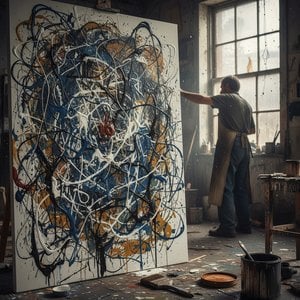
Paul Jackson Pollock: A Radical Departure – Exploring Abstract Expressionism's Pioneering Figure and His Enduring Legacy
Explore the revolutionary art of Jackson Pollock & Abstract Expressionism. Discover his iconic drip paintings, lasting impact, and considerations for collecting this pivotal American artist. Expert insights at ArtsDot.

Beyond Representation: Exploring the Emotional Landscape of Abstract Expressionism
Explore the profound emotional world of Abstract Expressionism with ArtsDot. Discover key artists like Pollock & Rothko, learn about collecting, and find museum-quality reproductions to inspire your space.