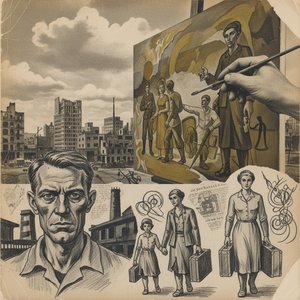
Korai élet, család és oktatás
Marc Chagall a világra 1887. július 7-én érkezett, Vitebskben, az Orosz Birodalomban, ahol Moishe Segal néven született. Egy szerény zsidó család első gyermeke volt, a kilenc testvér közül. Életét a munka és a kisüzemi kereskedelem ritmusai határozták meg. Apja, Khatskel Segal, egy raktárban heringfűszerezőként dolgozott, míg anyja, Feïga-Ita Tchernina egy apró élelmiszerboltot vezetett. Ezek az első évek egy provinciális város specifikus textúráiban gyökereztek, ahol világát egy nagy háztartás szükségletei és közössége hagyományai formálták.
Oktatása a heder falai között kezdődött, amely a hagyományos zsidó alapfokú iskola volt. Itt a hangsúly a vallási oktatáson és nevelése alapvető szövegein maradt. Tizenhárom éves korára tanulmányai a világi oktatás felé írt változást, és beindította a vitebszki hivatalos középiskolát, hogy orosz utbildatást kapjon; ez a lépés megtörés volt gyermekkora szigorúan vallásos szférájától. Ez a kettős létezés – a heder szent hagyományai és az állami iskola világi követelményei között – olyan feszültséget szült, amely meghatározta korai fejlődését.
Művészeti ösztöne első hivatalos kiadási helyet Vitebskben talált. Chagall az első alapokról Iouri Pen helyi műiskoláján kapott érdemi oktatást. Itt kezdett megvalósulni a vizuális kifejezésért érzett nyers ösztöne, amely egy fegyelmezett gyakorlattá vált. A tanterv szerinti órákból a látás folyamatának mélyebb megélésébe vándorolt, felkészítve magát egy olyan életre, amelyet az emlékezet formává változtatása fog dominerálni.
A pétervapi alapozó évek
A Vitebsk provinciális csendéből az imperiális Szentpétervár monumentális skálájára való átlépés nehézkes, küzdelmekkel teli folyamat. 1907 és 1909 között a főváros alig kínált megnyugvást; a szegénység állandó társává válik, és olyan éhezésről is beszámolhatunk, amely a fizikai összeomlásig terjeszkedik. A túlélés érdekében az utcákra kényszerül, ahol aprónyszerűen megélhetést keresve üzletműszaki táblákat rajzol. Ezek a kereskedelmi feladatok biztosítják a szükséges rubleket ahhoz, hogy fennmaradhjon a városi életben, miközben navigálja egy hatalmas, folyamatosan változó birodalom zsidó diákjának komplex létezését.
Az akadémiai törekvések könyörtelenek. Több akadémiában is beiratkozik, megkeresve a formális struktúrát fejlődő vizuális nyelvéhez. A főváros légét máshogy másság, az avantgárd erős hatása tölti el, egy olyan feszültség, amely klasszikus képzésről való elpazarolásra készteti őt. Végül Léon Bakst stúdiójában találja magát, a Ballets Russes díszlettervezőjének műhelyében, ahol a látványtervez színházias esszenciája elkezdi átszűrni a tér és a forma elleni érzékelését. Ez az időszak a szükség és az ambíció összecsapása: a túlélésért végzett vázlatrajzok és a ruszt művészeti életében zajló radikális változások szimultanzán történő megélésének korszaka.
A párizsi évek és az avantgárd hatása
Paris 1910-re vagy 1911-re érkezik a művész életében, egy hirtelen váltásként a Rusz Orosz Birodalom provinciális korlātai közül. A város szenvedélyes, érzéki sokkot okoz; a Montparnasse utcáin fényeket, színeket és szabadságot talált. Ez már nem a heringkereskedő vagy a hagyományos heder iskola világa; ez a radikális lehetőségek tája. A híres művészszállás, La Ruche falai között telepedik le, ahol a levegő sűrű a mới avantgárd jelenlétével. Amedeo Modigliani és Fernand Léger alakjával osztozik ebben a térben – olyan művészekkel, akik a modern kifejezés határait határozzák meg újra. Az korszak hatása elkerülhetetlen, mégis ő egy különállónak tűnik: befogadja a fauvisztikus és a kubista felfedezéseket, de soha nem adja fel saját belső logikáját.
Ebben az időszakben született művek már elkezdenek távolodni a szó szerinti ábrázolástól. Egy olyan stílus felé mozdul el, amely az érzelmi és költői asszociációkat helyezi a festészeti logika szigorú szabályai elé. A színek felpimpulnak, a párizsi életmód energiájától lüktetve. Megszámítja a feszültséget a múlt művészeti oktatása és a jelen kísérletező szabadsága között. Ez az intenzív kreatív súrlódás tana a háború politikai zűrzavaráig tart, amely végül Kelet felé repíti őt vissza. Csak 1923-ban tér vissza Párizsba családjával, újra megküzdve a városi jelenlétében, amely évtizedekkel ezelőtt nyitotta meg előtte vizuális nyelvének kapuját.
- The Betrothed and Eiffel Tower (1913)
- Hommage à Apollinaire (1912-1913)
A orosz évek és a forradalom
A forradalom visszahúzza Chagallt Vitebskba. Ő nem csupán passzívan figyeli a társadalmi megbotráncolást; megpróbálja alakítani annak kulturális tájat is. Vitebsk művészeti biztososának feladatait vállalja, és átveszi egy helyi képzőművészeti iskola igazgatóságát. Látásmódja a közösségi életre és az oktatásra épül, azonban a politikai klíma folyamatosan változik a lába alatt. A szuprematizmus felemelkedése szakadalmat okoz: olyan alakok, mint Malevicsz vagy Lissitzky, radikális, nem-objektív absztrakciót követelnek, ami éles ellentétben áll Marc Chagall lírai, figuratív megközelítésével. A feszültség nem áll másbyl, és végül kényszerül a hivatalaiból való eltávolításra, miközben helyi művészeti reneszánsz álma összeütközik az új rezsim szigorú követelményeivel.
1920-re a fókusz Moszkvába vándorol. A zsidó színház díszítésén dolgozik, egy olyan projektben, amely megörökíti személyes identitása és a nyilvános színpad metszetpontját. Vonalai magabiztosak, színei erősek és egyszerre sároltak, még akkor is, ha a körülötte lévő világ darabokra törik. Intenzív alkotói folyamat és mély anyagi küzdelem közötti időszakot navigál, a shtetl emléke és az állam folyamatos átalakulása között ingadozva. Ezt az korszakot éppen ez a súrlódás határozza meg: a próbálkozás egy kulturális otthon megteremtésére, miközben a világa alapvető fondamentumaival újraírják.
- Over the Town (1914–1918)
- Apparition (kb. 1917-18)
Élet az Egyesült Államokban
A második világháború kitörése hirtelen földrajzi váltást kényszerített az művész életében. 1941-ben Chagall és családja az elfoglaló Franciaország bizonytalanságától menekülve az Egyesült Államokban kereste menedelmét. New York környékén telepedett meg, egy olyan időszakban, amely 1948-ig tartott, és amelynek háttere a mély érzelmi viharokból állt össze. A háborús évek félelmeinek árnyékában ecsetje megörökítette egy folyamatosan változó világ feszültségét. Művészete az akkori bizonytalanságot tükrözte vissza, személyes és globális nyugtalmatlanságot fordítva szenvedés és remény vizuális nyelvévé.
Ezeken a hét év alatt a művész megtalálta az utat, amelyen nagyszabású, intézményi projektekkel kapcsolódhatott ki a művészethez. Önemes megbízásokat vállalt az Egyesült Nemesek Tüzete sz trụhelye számára, ahol poétikus látásmódját egy globális intézmény építészeti szövetébe szövte bele. Az amerikai időszak a kísérletezés és a túlélés jelentőségtes fejezete volt, amely összekötötte európai gyökereit egy új, intenzív valósággal. Chagall két világ közötti emberként maradt, szíve még mindig Franciaország felé húzott, miközben az amerikai exil, és annak bonyolult kihívásai próbálták megformálni létezését.
- White Crucifixion (1938)
Technika és művészeti stílus
A logika az érzelmeknek engedi az utat. Marc Chagall elutasítja a festészeti logika merev szabályait, és helyette a költői asszociációk útján építi fel képeit. Vászai a álom mechanikája szerint működnek: alakok a levegőben lebegnek, megvetve a gravitációt, miközben a színek nem-természetes intenzitással pulzálnak. Ez a megközelítés lehetővé teszi számára, hogy a világ szó szerinti megjelenése helyett az érzés esszenciáját fogja meg. Túlmutat a puszta utánzáson, bátradős színpalettát használva a emlékezetet vizuális nyelvvé formálva.
Esztétikája az influenciák összeütkezése. Elnyeri a kubizmus fragmentált szerkezeteit és a fauvisztikus intenzív színeit, ám ezeket az avantgárd mozgalmakat egy rendkívül személyes lencsén keresztül szűri meg. Az eredmény egy olyan stílus, amely áthidalja az ekspressionizmus és az absztrakció közötti szakadékot. Számos olyan szent és hétköznapi elemet îmel össze, amelyekkel szimbolikus és szürreális képekkel tölti meg jeleneteit. A zsidó népmesék és a shtetl élet halk, éltetett részletei egy privát mitológia építőkövei lesznek; a megszokott váratlanná, a fantasztikussá változik.
Képi világa gyakran ismétlődő motívumok köré csoportosul: repülő amantes, hegedkédők és hatalmas csokrok. Ezek az elemek nem csupán díszítések, hanem egy spirituális és érzelmi táj festői szimbólumai. Az olyan művekben, mint A szerelmesek (1929), a súlytalanság érzése és az intenzív színek használata olyan teret teremt, ahol a világ fizikai törvényei már nem érvényesek. Művészete folyamatos egyensúlyozás a nevelése során tapasztalt, hús-vér valóság és a fantázia végtelen lehetőségei között.
- Én és a falu (1911)
- A zöld hegedkédő (1924)
- Fehér Kereszt (1938)
Mecenások, műhely és megrendelések
A 1920-es évek közepe Chagallot Párizsban találja, ahol a művészeti piac befolyásos körében mozog. Bekerül Ambroise Vollard pályaművész, egy olyan kereskedős körzetbe, amelynek hatása számos avantgárd művész sorsát meghatározta. Vollard egy sorgyűjteményt bíz meg Chagallal, feladva neki, hogy illusztrálja Nikolaj Gogol műveit, különösen a Öت Ölszél* (Dead Souls) című alkotást. Ez az időszak a grafikai precizitás felé való fordulást jelenti, távolodva korábbi vászlaid folyékony, spontaneitástól.
1931-ben a figyelem a Közel-Kelet felé tolódik. Tel-Aviv polgárosa meghívást küld Chagallnak, hogy utazzon Palestinába. A cél ambiciózus: egy zsidó művészeti múzeum megalapítása. Ez az időszak mélyíti vallási és kulturális szimbolikájának használatát, egy olyan téma, amely később is meghatározóvá válik monumentális, építészeti alkotásai mellett. Képesége, amely a személyes és a közösségi emlékezetet fizikai térré alakítja, szakmai életművének egyik meghatározó pillanata lesz.
Névেরsége gyarapodásával művészetének skálája az intime oldalról a monumentális felé bővül. A fény és az építészet birodalmába lép be, színesablakokat tervez a metzi katedránál és az európai és amerikai építészet meghatározó helyszínein, például az ENSZ New York-i felépítményénél. Ezek a művek a színek és a napsugárzás közötti interakció mesteri tudását igénylik. 1964-ben éri el a nyilvános elismertség csúcspontját, amikor megkapja a Párizsi Opera mennyezetének díszítésére vonatkozó megrendelést – egy hatalmas feladat, amely álomszerű képi világát Európa egyik legjelentősebb kulturális templomában teleli meg.
Hol tekinthetjük meg műveit ma?
Látomása hagyatékét számos kulcsfontosságú intézmény őrzi világszerte. Franciaország, Nice városában a Musée National Marc Chagall ad otmutást művei hatalmas gyűjteményének, megőrizve ezzel alkotói életműve magját. Ez a múzeum tömör, mélyreható betekintést nyújtuk arra a szimbolikára, amely meghatározta hosszú pályáját. Ezzel párhuzamosan, Oroszország, Saint-Petersburg Állami Orosz Múzeum jelentős műveket őriz, amelyek visszakapcsolnak korai éveihez és az Orosz Birodalom idejű életéhez.
Művészetének hatékonysága az Atlanti óceánon túl, az Egyesült Államokban is megfurkatságos. New Yorkban a Modern Művészetek Múzeuma (MoMA) olyan alkotásokat tart fenn, amelyek a ki}', az exilomban töltött évek alatt kialakult komplex városi kapcsolódásait tükrözik. Az amerikai MidWesten a Chicagói Művészeti Intézet is kiemelt helyet biztosít művészetének, garantálva jelenlétét a neves nemzetközi gyűjteményekben. Ezek a helyszínek szolgálnak elsődleges találkozóhelyszínként mindazok számára, akik személyesen is meg akarnák tapasztalni szín- és formavilágának egyedülálló varázsát.
- Én és a falu (1911)
- A menyget (1944)
- Fehér Kereszt (1938)
- A lovers (1929)
- A cirkusz (1964)
Kérdések és válaszok
Hány Marc Chagall alkotása tekinthető meg a katalógusban?
A Összes műalkotás oldalon Marc Chagall 936 műalkotás alkotását tekintheti meg.
Hol tekinthetők meg Marc Chagall műveit témakör szerint csoportosítva?
Marc Chagall művei témánként is felfedezhetők a művész Témakörök katalógusa oldalán.
Hol és 어느 해 született Marc Chagall?
Marc Chagall Vitebszk városban született, 1887 évben.