


 Katso seinällä
 Lähetä
 Jaa
Jaa
 Tarkemmat tiedot
 Opas
Opas

 Lataa kuva
 Samanlaisia kohteita
 Röntgenkuvaus
 Diaesitys
 Tilastot
Landscape -

 Lue lisää
Giclée- ja taideprintit
Museolaatuisia giclée- tai kankaitaulun tulosteita nopealla tuotannolla ja joustavilla viimeistelyvaihtoehdoilla. ( Tilaa käsinmaalattu jäljennös Siirry digitaaliseen kuvaan)




P118B €10

P118H €10

P118W €10

P438Z €10

P508JH €12

P508YH €12

P805H €10

P805Z €10

P919BZ €10

P919G €10

P919XJ €10

P959ZH €10

P968JZ €12

W106C €8

W218G €10

W218JH €8

W218Y €10

W307PJ €10

W316G €10

W316PJ €8

W316Y €10

W398PJ €8

W4111J €10

W500HY €15

W500JH €15

W692G €12

W849H €8

W940BG €15

W953PJ €8




Valitse valmiista mitoistamme sellaiset, jotka vastaavat teoksen alkuperäisiä mittasuhteita.

Kirjoita tarvitsemasi leveys ja korkeus, jotta tuloste sopii kehyskokoon tai seinällesi. Tulostetta voidaan vain leikata, sitä ei voi koskaan tehdä suuremmaksi kuin alkuperäinen kuva, joten eri muotoinen koko aiheuttaa osan kuvasta katoamisen. Lähetämme sinulle digitaalisen mallikuvan hyväksyttäväksi ennen kuin aloitamme tulostuksen. Tällä sivulla näkyvä kuva ei näytä lopullista leikkausta — vain mallikuva näyttää sen.
Maailmanlaajuinen toimitus () 2 viikossa tavallisen 4–5 viikon sijaan. (21 lokakuu)

Ilmainen pikatoimitus ympäri maailman

Korkealaatuinen pellavakangas

Kattava kuljetusvakuutus

Tulliveron palautustakuu

Takuu täydellisestä värien vastaavuudesta

100 päivän palautusoikeus valmistusvirhetapauksissa

100% rahat takaisin -takuu

Määräalennus saatavilla
 Lasivaihtoehto on saatavilla vain alle 110 cm kokoisille teoksille

Landscape -
Giclée- ja taideprintit
Replikaatin koko
-


Kokonaishinta
€ 54
Samankaltaisia teoksia


Taiteilijan elämäkerta
Unkarilaisen maiseman sielu: István Nagyn elämä ja taide
István Nagy (1873–1937) säilyy yhtenä unkarilaisen taiteen syvällisimmistä äänistä; maalarina, jonka sivellin tavoitti paitsi maan fyysiset muodot, myös koko sen aikakauden psykologisen ilmapiirin, joka oli puristuksissa tradition ja modernismin välissä. Nagy syntyi maanomistajaperheeseen Csikmindszencissä, Harghitan maakunnan karussa kauneudessa, ja hänen kohtalonsa muovautui häntä ympäröivien maisemien myötä. Vaikka hänen sukutaustansa viittasi maatalouden hoitoon, hän löysi todellisen kutsumuksensa nousevan taiteilijan hiilipennen ja pigmenttien kautta. Hänen varhaiset vuotensa Kolozsvárissa, jossa hän opiskeli opettajankoulussa, antoivat hänelle sen peruskurinalaisuuden, jonka avulla hän pystyi myöhemmin kääntämään Transilvanian katoavan valon pysyviksi öljyvärimaalauksiksi. Nagyn uran kehitystä leimasivat kunnianhimoinen pyrkimys erinomaisuuteen Euroopan arvostetuimmissa taidekeskuksissa. Mentorinsa Gusztáv Keletyn kannustamana hän matkusti Budapestiin opiskelemaan akateemisen mestarin Bertalan Székelyn alaisuudessa. Tämä klassinen perusta rikastui pian Münchenin tunnelmallisilla vaikutteilla, missä hän opiskeli Franz von Lenbachin kanssa, ja myöhemmin Pariisin valoisalla, kokeellisella hengellä Académie Julianissa. Juuri näissä kosmopoliittisissa sulatusuuneissa Nagy alkoi luoda omaa taiteellista kieltään – sellaista, joka kunnioitti akateemisen perinteen rakenteellista eheyttä, mutta omaksui impressionismin tunteikkaan, rikkonaisen siveltimenvedon sekä symbolismin hauntavat syvyydet.Sodan varjot ja kokemuksen paino
Ensimmäisen maailmansodan puhkeaminen toimi muutosvoimaisena, vaikkakin kauhistuttavana katalyyttinä Nagyn luovalle kehitykselle. Palvellessaan Transilvanian ja Galitsian rintamalla hän joutui keskelle taistelun karua todellisuutta, kokemus, joka riisui hänen varhaisista teoksistaan löydetyn pastoraalisen seesteisyyden. Hänen nuoruutensa maisemat korvautuivat inhimillisen kärsimyksen raa'emmalla ja visuaalisemmalla dokumentoinnilla. Tänä aikana Nagy loi sarjan koskettavia muotokuvia, joita pidetään laajalti yhtenä hänen tunteellisesti voimakkaimmista saavutuksistaan. Nämä teokset eivät ainoastaan esitä kasvoja; ne vangitsevat sotilaiden tyhjät silmät ja psykologisen uupumuksen, täyttäen kankaat käsinkosketeltavalla pettymyksen ja surun tunteella, joka kaikui koko mantereen kollektiivisena traumana. Sodan tuhon jälkeen Nagyn huomio siirtyi takaisin maahan, mutta hän palasi sinne muuttuneesta näkökulmasta. Vuonna 1919 hänen paluunsa Budapestiin johti syvälliseen tutkimusmatkaan József Kosztan rinnalla. Yhdessä he vaelsivat Unkarin suuria tasankoja tallentaen huolellisesti Unkarin sydänmaiden valtavat, avoimet näkymät. Tämä hänen tuotantonsa aikakausi osoitti hämmästyttävää kykyä yhdistää luonnon tyyni kauneus ja sen alla vellova jännite, hyödyntäen usein paksua impasto-tekniikkaa ja rakenteellisempaa, lähes ekspressionistista lähestymistapaa muotoon. Hänen myöhemmät teoksensa, kuten puhutteleva Aidat, käyttävät geometrisia varjoja ja viileitä, melankolisia väripaletteja herättääkseen syvän yksinäisyyden tunteen ja maiseman hiljaisen arvokkuuden.Valoon ja maahan kirjoitettu perintö
István Nagyn merkitys piilee hänen kykyssään rakentaa silta akateemisen menneisyyden ja modernistisen tulevaisuuden välille. Hän oli taiteilija, joka kykeni löytämään ylevän yksinkertaisesta romanialaisesta kylästä tai traagisuuden sotilaan katseesta. Hänen tunnustuksensa kasvoi tasaisesti, vahvistuen kirjallisuuden jättiläisten, kuten Dezső Kosztolányin, ylistyksestä ja niiden suojelijoiden tuesta, jotka tunnistivat hänen ainutlaatuisen kykynsä vangita "paikan henki". Vaikka hänen terveytensä heikkeni viimeisinä vuosinaan Bajassa, hänen visionsa vaikutus ei himmennyt. Nykyään István Nagyn teokset toimivat elintärkeinä historiallisina ja esteettisinä dokumentteina. Hänen tuotantonsa tarjoaa ikkunan:- Transilvanian olemukseen: Elinvoimaiseen, impressionistiseen tallenteeseen romanialaisista maisemista ja kyläelämästä.
- Konfliktin inhimilliseen hintaan: Haudankauniisiin muotokuviin, jotka dokumentoivat ensimmäisen maailmansodan psykologista maisemaa.
- Modernistiseen murrokseen: Kehitykseen klassisesta akateemisuudesta 1900-luvun alun eurooppalaisen taiteen ekspressiivisiin ja teksturoituihin tekniikoihin.

István Nagy
1873 - 1937
Tietoa taiteilijasta
- Kansallisuus: Unkarilainen
- Koko Nimi: István Nagy
- Kuolinaika: 1937
- Merkittäviä Teoksia:
- Tyttö keltaisessa huivissa
- Lumiset katot
- Haavoittunut sotilas
- Syntymäaika: 1873
- Syntymäpaikka: Csikmindszent, Romania
- Taiteellinen Suuntaus Tai Tyyli: Maisemamaalaus & Figuurimaalaus
- Taiteilijat, Jotka Vaikuttivat Tähän Taiteilijaan:
- Bertalan Székely
- Franz von Lenbach
- Tätä Taiteilijaa Vaikuttaneet Taiteilijat Tai Suuntaukset:
- Symbolismi
- Fauvismi
Aiheeseen liittyvät artikkelit

Top 10 Taideteosta Liukuvärissä: Sinisen Sävyt Kodin Sisustuksessa
Uppoudu 10 tunnetuimman taideteoksen maailmaan, joita hallitsee liukuväri! Tutustu impressionismin ja postimpressionismin mestareihin sekä sinisen sävyjen merkitykseen. Löydä inspiraatiota kotiisi ArtsDot.com:ista – laadukkaat taidevedokset ja kuratoidut sisustusratkaisut odottavat! Tutustu kokoelm

Top 10 Impressionistimaisemaa: Taideteokset jotka muuttivat taiteen – ArtsDot.fi
Tutustu 10 ikoniseen impressionistimaisemaan! Claude Monet’n ja muiden mestareiden teokset heräävät eloon. Taiteen historiaa, tekniikoita ja inspiraatiota kotiisi – ArtsDot.com:sta löydät museolaatuiset taideprintit ja sisustusehdotukset. Tutki kokoelma verkossa!

Beyond the Horizon: A Curated Guide to Integrating Post-Impressionist Landscapes into Modern Interiors
Transform your home with the emotive power of Post-Impressionist landscapes. Discover expert tips on selecting hand-painted oil reproductions to create a soulful, vibrant interior that reflects your unique style and connection to nature.

Serene Blue Backgrounds: Discover Soulful Art to Transform Your Space with Timeless Elegance
Transform your home with soulful blue art. From serene Monet impressions to modern textured sculptures, discover curated masterpieces designed to inspire calm. Explore expert art consultations and bespoke hand-painted reproductions to create your personal sanctuary.
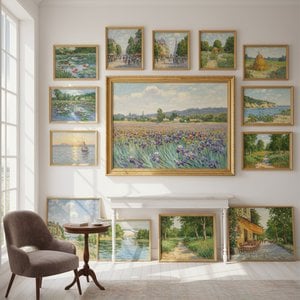
Impressionismin mestariteokset: Maisemamaalauksen lumo ArtsDotissa
Tutustu impressionismin lumoavaan maailmaan! Koe Claude Monet'n, Renoir'n ja muiden mestareiden ikonisten maisemamaalausten tarinat. Löydä inspiraatiota sisustukseen ArtsDotista – taidetta museolaadulla. Explore the full collection online!