


 Vista previa
 Compartir
 Compartir
 Ver detalles
 Guía
Guía

 Descargar
 Ver artículos similares
 Radiografía
 Presentación de diapositivas
 Estadísticas
Dead Wolf
 Oil On Canvas
- WallArt
- Baroque Rococo
 1721
1721 193.0 x 260.0 cm
 The Wallace Collection
 Leer más
Giclée / Impresión de arte
Impresiones giclée o en lienzo de calidad de museo con producción rápida y opciones de acabado flexibles. ( Encargar reproducción pintada a mano Ver versión en imagen digital)




P118B €10

P118H €10

P118W €10

P438Z €10

P508JH €12

P508YH €12

P805H €10

P805Z €10

P919BZ €10

P919G €10

P919XJ €10

P959ZH €10

P968JZ €12

W106C €8

W218G €10

W218JH €8

W218Y €10

W307PJ €10

W316G €10

W316PJ €8

W316Y €10

W398PJ €8

W4111J €10

W500HY €15

W500JH €15

W692G €12

W849H €8

W940BG €15

W953PJ €8




Elija entre nuestros tamaños predefinidos que respetan las proporciones originales de la obra.

Introduzca el ancho y el alto que necesite para adaptarse a su marco o pared. Una impresión solo puede recortarse, nunca hacerse más grande que la imagen original, por lo que un tamaño con una forma distinta perderá parte de la obra. Le enviaremos una maqueta digital para su aprobación antes de realizar cualquier impresión. La imagen que se muestra en esta página no refleja el recorte real; solo la maqueta lo hace.
Envío a todo el mundo () en 2 semanas en lugar de las 4/5 semanas estándar. (21 octubre)

Envío exprés gratuito a todo el mundo

Lienzo de lino de alta calidad

Seguro de envío completo

Garantía de reembolso de impuestos aduaneros

Garantía de fidelidad cromática exacta

Política de devolución de 100 días (solo por defectos)

Garantía de devolución del 100% del dinero

Oferta por volumen
 La opción de vidrio solo está disponible en tamaños inferiores a 110 cm.

Dead Wolf
Giclée / Impresión de arte
Tamaño de la reproducción
-


Precio total
€ 54
A Study in Shadow and Light: Jean-Baptiste Oudry’s “Dead Wolf”
Jean-Baptiste Oudry's "Dead Wolf," painted in 1721, is more than just a still life; it’s a meticulously crafted meditation on mortality, the beauty of the natural world, and the fleeting nature of existence. This oil-on-canvas masterpiece, currently residing within the hallowed halls of the Wallace Collection in London, immediately draws the viewer into its dramatic interplay of light and shadow – a hallmark of Oudry's signature style and a testament to his mastery of Baroque techniques. The painting’s power lies not merely in its subject matter—a recently hunted wolf—but in the artist’s ability to imbue it with an almost palpable sense of dignity and quiet contemplation.
Oudry, a prominent figure within the Rococo art movement, skillfully blended elements of naturalism with aristocratic themes. Initially known for his portraits, he gradually developed a profound appreciation for animal studies, particularly those depicting hunting scenes. “Dead Wolf” exemplifies this evolution, showcasing Oudry’s keen observational skills and his ability to capture the textures and nuances of fur, flesh, and bone with astonishing realism. The composition itself is carefully balanced, drawing the eye towards the central figure of the wolf while simultaneously engaging the viewer with the surrounding elements – the attentive dogs, the array of fruits, and the subtle suggestion of an outdoor setting through the window’s opening.
The Language of Light: Chiaroscuro and Baroque Influence
At the heart of “Dead Wolf” lies Oudry's masterful use of chiaroscuro – a dramatic technique employing strong contrasts between light and dark. The light, originating from an unseen source outside the canvas, washes over the wolf’s form, highlighting its musculature and creating a sense of volume and depth. Conversely, the surrounding elements are plunged into shadow, lending them a mysterious quality and intensifying the overall mood. This manipulation of light isn't merely decorative; it serves to emphasize the vulnerability of the deceased animal, transforming a scene of hunting into a poignant reflection on life’s transience.
The influence of Baroque art is undeniable in Oudry’s approach. The dramatic lighting, the meticulous detail, and the overall sense of theatricality are all hallmarks of this influential period. However, Oudry transcends mere imitation, imbuing these elements with his own distinctive sensibility – a refined elegance that anticipates the Rococo style to come. The careful rendering of each individual strand of fur, for instance, speaks to a dedication to realism rarely seen in earlier Baroque works.
Symbolism and Interpretation: Beyond the Hunt
While ostensibly depicting a hunting scene, “Dead Wolf” is rich with symbolic meaning. The wolf itself has long been associated with themes of nobility, strength, and cunning – qualities that are subtly reflected in the animal’s posture and expression. Its deliberate placement on the stone ledge suggests a certain dignity, even in death, transforming it from a mere prey into a subject worthy of contemplation. The dogs, positioned attentively around the wolf, could represent loyalty, companionship, or perhaps even the inevitability of fate.
Furthermore, the inclusion of fruits – apples, pears, and plums – adds another layer of interpretation. These symbols often represent abundance, fertility, and the cycle of life and death. Their juxtaposition with the deceased wolf creates a poignant reminder of nature’s relentless rhythm—a continuous process of creation, destruction, and renewal. The window glimpsing an outdoor scene reinforces this connection to the natural world, suggesting that even in stillness, the spirit of life persists.
A Timeless Masterpiece: Reproduction and Legacy
Handmade oil painting reproductions of “Dead Wolf” by Jean-Baptiste Oudry are now available through platforms like ArtsDot.com, offering art enthusiasts a unique opportunity to own a piece of this iconic artwork. These meticulously crafted reproductions capture the essence of Oudry’s original vision – the dramatic lighting, the exquisite detail, and the profound emotional impact. Whether displayed in a grand salon or a cozy study, “Dead Wolf” continues to captivate viewers with its timeless beauty and enduring message.
For those seeking further information on this remarkable painting and the artist behind it, we encourage you to explore resources such as Jean-Baptiste Oudry’s biography on Wikipedia, the detailed artwork page at Art UK, and the Web Gallery of Art's comprehensive collection. The Wallace Collection itself offers a wealth of information about “Dead Wolf” and its place within Oudry’s oeuvre.
Preguntas y respuestas
¿Qué atmósfera aportaría "Dead Wolf" a un espacio?
Con su atmósfera Elegant, se sugiere "Dead Wolf" para Living Room.
¿En qué etapa de la carrera de Jean-Baptiste Oudry se sitúa "Dead Wolf", dada su fecha?
Dada su fecha de 1721, "Dead Wolf" se sitúa en el Rococo Maturity de Jean-Baptiste Oudry.
¿Qué tamaño de reproducción se sugiere para "Dead Wolf" de Jean-Baptiste Oudry?
El tamaño de impresión recomendado para "Dead Wolf" de Jean-Baptiste Oudry es Large.
Obras relacionadas


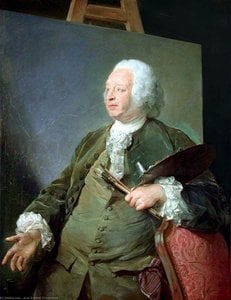


Biografía del artista
Jean-Baptiste Oudry: Una Vida en el Arte
Primeros Años y Formación
- Nacimiento: 17 de marzo de 1686, en París, Francia.
- Oudry provino de una familia profundamente ligada al arte; su padre, Jacques Oudry, era pintor y marchante de arte. Su madre, Nicole Papillon, tenía vínculos con el reconocido grabador Jean-Baptiste-Michel Papillon.
- Inició su formación en la Académie de Saint-Luc, bajo la tutela de Nicolas de Largillière entre 1707 y 1712. Este periodo fundacional fue crucial para moldear sus primeras habilidades en el retrato y la observación minuciosa.
- Su ascenso fue meteórico, convirtiéndose en profesor asistente en la Académie de Saint-Luc en 1714 y alcanzando la categoría de profesor titular para el año 1717.
Desarrollo Artístico y Estilo
- Aunque inicialmente se centró en el retrato, Oudry expandió gradualmente su repertorio para incluir naturalezas muertas, con un énfasis especial en frutas y animales, así como temas religiosos.
- Su estilo evolucionó hacia el Rococó, un movimiento caracterizado por la elegancia, el naturalismo y una representación lúdica de la vida aristocrática y el ocio.
- La atención meticulosa al detalle y su asombrosa capacidad para capturar las texturas y las características singulares de los animales se convirtieron en los sellos distintivos de su obra.
- Demostró una maestría absoluta tanto en la pintura como en el diseño, transitando con fluidez entre la creación de lienzos y la elaboración de tapices.
Grandes Logros y Obras Notables
- Los Diversiones Pastorales (Les Amusements Champêtres): Una serie de tapices diseñados para la Real Manufactura de Tapices de Beauvais, que exhiben escenas idílicas de la vida rural y la caza.
- Luis XV cazando un ciervo en el bosque de Saint-Germain (1730): Esta pintura consolidó la reputación de Oudry como el pintor oficial de la caza real. La obra ejemplifica su destreza para retratar tanto la grandeza de la cacería como la belleza del entorno natural.
- Cacerías Reales de Luis XV (Chasses Royales Gobelins): Una serie de diseños para tapices destinados a la Manufactura de Gobelins, lo que reafirmó su prominencia como diseñador de tapices.
- Numerosos retratos de piezas de caza encargados por el propio Rey Luis XV, los cuales demuestran su pericia en la anatomía animal y la composición de naturalezas muertas.
Influencias y Legado
- Influenciado por: Nicolas de Largillière desempeñó un papel crucial en el desarrollo artístico temprano de Oudry, proporcionándole una formación fundamental en técnica y retrato.
- La obra de Oudry influyó en las generaciones posteriores de pintores de animales y diseñadores de tapices. Su estilo naturalista y su precisión establecieron un nuevo estándar para la representación de la vida silvestre.
- Contribuyó significativamente a las artes decorativas de la corte francesa, creando tapices lujosos que adornaron las residencias reales.
Significado Histórico
- La obra de Oudry ofrece una visión invaluable de la vida aristocrática del siglo XVIII y de la importancia de la caza como pasatiempo para la nobleza francesa.
- Sus tapices son considerados obras maestras del arte decorativo francés, mostrando la destreza técnica y la creatividad artística de la época.
- Fue nombrado para ocupar cargos prestigiosos dentro de la Académie Royale de Peinture et de Sculpture, lo que demuestra su reconocimiento como un artista líder de su tiempo.
- Fallecimiento: 30 de abril de 1755, dejando tras de sí un legado de pinturas y tapices exquisitos que continúan siendo admirados en la actualidad.

Jean-Baptiste Oudry
1686 - 1755 , Francia
Datos clave
- Artistic Movement Or Style: Rococo
- Artists Who Influenced This Artist: Nicolas de Largillière
- Date Of Birth: 17 March 1686
- Full Name: Jean-Baptiste Oudry
- Nationality: French
- Notable Artworks:
- The Pastoral Amusements
- Louis XV hunting a deer in the forest of Saint-Germain
- Place Of Birth: Paris, France
Artículos relacionados

Silent Narratives: Exploring the Enduring Appeal of Still Life Painting Across Centuries
Explore the rich history of still life painting with ArtsDot. Discover Dutch Masters, decode vanitas symbolism & learn about collecting timeless art. Expert insights and museum-quality reproductions.

Jean-Baptiste-Siméon Chardin: Master of Still Life & Everyday Elegance
Explore the serene world of Jean-Baptiste-Siméon Chardin, master of still life & genre painting. Discover his revolutionary techniques, enduring legacy, and timeless depictions of everyday elegance. Learn more at ArtsDot.

Drama Barroca: Llevando la Grandeza y la Emoción a los Interiores Contemporáneos
Descubre cómo el drama y la grandeza del arte barroco pueden transformar tus interiores. Guía experta, inspiración y reproducciones de alta calidad en .

Barroco Sublime: 10 Obras Maestras que Definieron una Época |
Descubre las 10 obras maestras del Barroco que marcaron una época. Caravaggio, Bernini y Velázquez cobran vida en . Reproducciones de arte de calidad museo para decorar tu hogar con elegancia. ¡Explora la colección online!

The Dramatic Flourish: Exploring the Baroque Movement's Enduring Legacy in Art History
Explore the dramatic world of Baroque art! Discover iconic artists like Caravaggio & Rubens, defining techniques, and its lasting impact on art history. Expert insights for collectors & enthusiasts at ArtsDot.


