


 Se i rummet
 Send
Send Del
Del
 Detaljer
 Studieguide til kunstværker

 Download
 Lignende værker
 Røntgenundersøgelse
 Se diasshow
 Statistik
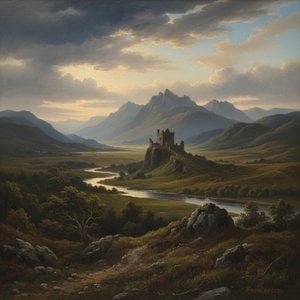
Landscape
 Acrylic On Canvas
- WallArt
- Romanticism
 1885
1885 14.0 x 19.0 cm
 Royal Scottish Academy of Art - Architecture
 Læs mere
Håndlavet oliereproduktion
Håndmalet olie på lærred i din valgte størrelse og ramme, udført efter bestilling af vores kunstnere. ( Skift til printversion Skift til digitalt billede)




P118B Dkr10

P118H Dkr10

P118W Dkr10

P438Z Dkr10

P508JH Dkr12

P508YH Dkr12

P805H Dkr10

P805Z Dkr10

P919BZ Dkr10

P919G Dkr10

P919XJ Dkr10

P959ZH Dkr10

P968JZ Dkr12

W106C Dkr8

W218G Dkr10

W218JH Dkr8

W218Y Dkr10

W307PJ Dkr10

W316G Dkr10

W316PJ Dkr8

W316Y Dkr10

W398PJ Dkr8

W4111J Dkr10

W500HY Dkr15

W500JH Dkr15

W692G Dkr12

W849H Dkr8

W940BG Dkr15

W953PJ Dkr8




Vælg mellem vores forudindstillede størrelser, der matcher kunstværkets originale proportioner.

Indtast den bredde og højde, du har brug for, så det passer til din ramme eller din væg. Da dette er håndmalet, kan kunstneren ved en anden form på størrelsen male lidt mere rundt om billedet eller skære lidt væk — det er op til dig. Vi sender dig et digitalt mockup til godkendelse, før maleriet påbegyndes. Billedet, der vises på denne side, viser ikke det endelige resultat — det er kun mockuppet, der gør.
Efter bestilling vil ArtsDot.com team sende en e-mail til kunden for at indhente instruktioner og fremsende et udkast til gennemgang.
Levering i hele verden () på 3-4 uger i stedet for de standard 5 uger. (23 oktober). Ingen kompromiser med kvaliteten.

Gratis ekspresforsendelse til hele verden

Lærred af linned i høj kvalitet

Komplet transportforsikring

Garanti for refusion af told og importafgifter

Garanti for autentisk farvegengivelse

100 dages returret ved fabrikationsfejl

100% fuld returret

Mængderabat ved flere køb
 Glasmulighed er kun tilgængelig i størrelser under 110 cm

Landscape
Reproduktionsmateriale
Reproduktionsstørrelse
-


Samlet pris
Dkr 1729
James Nasmyth: Pioneer of Steam Power and Landscape Painting
James Nasmyth (1808–1890) stands as an extraordinary figure—a Scottish engineer, philosopher, artist, and inventor whose legacy extends far beyond the realm of mechanics. While celebrated for his groundbreaking contribution to industrial innovation, particularly the steam hammer, Nasmyth’s artistic pursuits reveal a profound appreciation for the beauty of nature and a masterful ability to translate that observation onto canvas. This dual vocation—scientific ingenuity coupled with artistic sensibility—defines him as one of Scotland's most remarkable cultural innovators.- Early Life & Education: Born in Edinburgh, Nasmyth’s formative years were shaped by his father’s passion for landscape painting and his own burgeoning fascination with mechanics. His apprenticeship at Henry Maudslay’s workshop instilled a disciplined approach to craftsmanship and fostered an understanding of precision engineering—skills that would prove invaluable throughout his life.
- Engineering Achievements: Nasmyth revolutionized iron forging with the invention of the steam hammer, dramatically reducing processing time and elevating quality standards. He spearheaded the construction of numerous locomotives for prominent railways like the Great Western Railway, demonstrating a commitment to technological advancement that benefited both Scotland and Britain.
- Landscape Painting Style & Influences: Nasmyth’s artistic style was deeply rooted in Romanticism, mirroring the movement's emphasis on emotion and the sublime experience of confronting nature’s grandeur. He drew inspiration from artists like Peder Mork Monsted and Paul Gauguin, whose explorations of color and technique resonated with his own aesthetic sensibilities.
- Notable Works: Among Nasmyth’s most enduring achievements are Rosneath House and Dunglass Castle—architectural projects that showcased his artistic vision alongside his engineering prowess. His landscapes capture the essence of Scotland's dramatic scenery, conveying a sense of tranquility and awe through meticulous detail and harmonious color palettes.
- Symbolism & Emotional Impact: Nasmyth’s paintings aren’t merely representations of places; they are meditations on the relationship between humanity and the natural world. The use of muted earthy tones evokes feelings of warmth and contemplation, inviting viewers to immerse themselves in the serene beauty of his compositions—a testament to his belief that art could elevate the human spirit.
The Landscape Painting Technique: Romanticism Revisited
Nasmyth’s approach to landscape painting reflected the core tenets of Romanticism, prioritizing emotional response over purely descriptive accuracy. He meticulously studied geological formations and atmospheric conditions—a practice informed by his scientific background—to capture the essence of a scene's mood and grandeur. Like Monsted and Gauguin, Nasmyth skillfully employed color palettes that prioritized tonal harmony and subtle gradations to convey depth and atmosphere. The inclusion of distant mountains and hazy skies created an illusion of vastness, mirroring the Romantic fascination with sublime landscapes capable of inspiring awe and wonder.Connections to Other Artists: Monsted & Gauguin
Peder Mork Monsted’s paintings exemplify a similar stylistic trajectory—a dedication to portraying natural beauty with unwavering realism while maintaining an artistic sensibility. His works share Nasmyth's commitment to capturing the textures and colors of the Scottish Highlands, reflecting a shared appreciation for observation and meticulous detail. Paul Gauguin, on the other hand, pushed beyond mere representation, experimenting with bold color combinations and simplified forms—a stylistic divergence from Nasmyth’s more restrained palette but nonetheless united by a desire to express profound emotion through visual imagery.James Nasmyth's Legacy: Beyond Steam Power
James Nasmyth’s contribution to engineering history is undeniable, transforming iron forging and propelling the railway age forward. However, his artistic legacy—particularly his landscape paintings—offers a glimpse into a more contemplative side of this brilliant innovator. These works stand as enduring symbols of Scotland's natural heritage and demonstrate Nasmyth’s conviction that art could enrich human experience by fostering appreciation for beauty and tranquility—a timeless message conveyed through masterful technique and evocative imagery.Spørgsmål & svar
Kan jeg undersøge "Landscape" mere detaljeret?
Røntgenvisningen af "Landscape" af James Nasmyth findes på værkets Røntgenundersøgelse-side: en interaktiv undersøgelse af billedet gennem elleve optiske lag.
Hvordan er farvesammensætningen i "Landscape" af James Nasmyth opbygget?
Farveanalysen af "Landscape" af James Nasmyth registrerer en Bold kontrast og en Discordant Palette harmoni.
Kan "Landscape" af James Nasmyth, som findes på Royal Scottish Academy of Art - Architecture, reproduceres lovligt?
Originalen af "Landscape" findes på Royal Scottish Academy of Art - Architecture, og værket er i det offentlige domæne – ophavsretten er udløbet.
Lignende kunstværker


Om kunstneren
Early Life and Education
- Born: August 19, 1808, Edinburgh, United Kingdom
- Died: May 7, 1890
- Parents: Alexander Nasmyth (painter) and Barbara Foulis
- Early exposure to mechanics through his father’s workshop.
- Attended the Royal High School in Edinburgh.
- Studied at the Edinburgh School of Arts (later Heriot-Watt University), demonstrating early mechanical aptitude.
- Constructed a working model of a high-pressure steam engine at age 17, showcasing his skills.
Career and Inventions
- Apprenticed to Henry Maudslay in London, gaining experience in machine manufacturing.
- Established his own machine shop in Manchester in 1834.
- Founded Nasmyth, Gaskell and Company (Bridgewater Foundry) in 1836, specializing in machine tools and steam engines.
- Major Invention: The Steam Hammer – revolutionized iron forging by significantly reducing processing time and improving quality. Patented in 1842.
- Manufactured over 100 steam locomotives and various other machines like pumps and hydraulic presses.
- Developed pile drivers for marine construction projects.
Artistic Pursuits and Later Life
- Retired at age 48 to Penshurst, Kent in 1856.
- Dedicated himself to hobbies including astronomy, photography, and painting.
- Authored "The Moon: Considered as a Planet, a World, and a Satellite" (1874), demonstrating his interest in astronomical observation.
- Created detailed drawings and illustrations of machinery throughout his career, showcasing artistic talent alongside engineering skills.
Influences and Historical Significance
- Influence: Henry Maudslay – Nasmyth’s apprenticeship under Maudslay provided crucial experience in precision machining.
- Impact: The steam hammer significantly advanced the Industrial Revolution, enabling larger-scale metalworking operations.
- Contribution to Engineering: Emphasized efficiency and control in machinery design.
- Legacy: Recognized as a key figure in British engineering and innovation during the Victorian era.
Philosophical Views and Opposition to Organized Labor
- Nasmyth held strong views on labor, opposing organized labor movements.
- He believed in individual effort and responsibility rather than collective bargaining.
- His philosophical stance reflected a broader perspective prevalent among industrialists of his time.
- These beliefs shaped his approach to managing his workforce and contributed to his overall legacy.

James Nasmyth
1808 - 1890 , United Kingdom
Hurtige fakta
- Full Name: James Hall Nasmyth
- Nationality: Scottish
- Date Of Birth: 1808
- Date Of Death: 1890
- Place Of Birth: Edinburgh, United Kingdom
- Artistic Movement Or Style: Engineer and Inventor
- Artists Who Influenced This Artist: ['Henry Maudslay']
Relaterede artikler

James Abbott McNeill Whistler: Top 25 Kunstværker – Skønhed, Harmoni & Historie | ArtsDot
Oplev James Abbott McNeill Whistlers 25 mest ikoniske kunstværker. Fordyb dig i æstetismens verden, tonale malerier & harmoniske kompositioner. Find reproduktioner af højeste kvalitet og inspiration til din indretning på ArtsDot.com.

Patrick Nasmyth: A Scottish Romantic's Vision of History & the Grand Manner
Explore the captivating landscapes of Patrick Nasmyth, a key figure in Scottish Romanticism. Discover his Dutch influences, embrace of the Grand Manner, and lasting artistic legacy. Learn more at ArtsDot.

Sir Alfred James Munnings' Top 25 Værker: En Hyldest til Heste og Engelsk Landskab | ArtsDot.dk
Oplev Sir Alfred James Munnings' 25 mest ikoniske værker – fra betagende hestemalerier til engelske landskaber. Lær om kunstnerens historie, teknik og stil. Find luksus reproduktioner & inspiration til dit hjem på ArtsDot.com

James Giles: Capturing Scottish Life Through the Lens of British Realism
Explore the life & work of James Giles (1801-1870), a master of Scottish landscape painting and favored artist of Queen Victoria. Discover his atmospheric realism & royal commissions.
Alexander Nasmyth: Picturing Scotland's Romantic Landscape – Innovation & Identity
Explore the life & art of Alexander Nasmyth, a pivotal figure in Scottish Romantic landscape painting. Discover his iconic works, including portraits of Robert Burns, and learn about his lasting influence on national identity. Fine art reproductions available.
