

 实景预览
实景预览
 分享
分享 分享
分享
 详情
详情 指南
指南

 下载作品
下载作品
 相似作品
相似作品 X射线
X射线 幻灯片播放
幻灯片播放 问答
问答 统计数据
统计数据The cyclops


 展开全文
展开全文
艺术微喷/版画
博物馆级艺术微喷或帆布版画,制作高效,并提供多种饰面选择。 ( 订购纯手工绘制画作 切换至数字图像销售渠道)




P118B ¥10

P118H ¥10

P118W ¥10

P438Z ¥10

P508JH ¥12

P508YH ¥12

P805H ¥10

P805Z ¥10

P919BZ ¥10

P919G ¥10

P919XJ ¥10

P959ZH ¥10

P968JZ ¥12

W106C ¥8

W218G ¥10

W218JH ¥8

W218Y ¥10

W307PJ ¥10

W316G ¥10

W316PJ ¥8

W316Y ¥10

W398PJ ¥8

W4111J ¥10

W500HY ¥15

W500JH ¥15

W692G ¥12

W849H ¥8

W940BG ¥15

W953PJ ¥8




您可以从与原作比例一致的预设尺寸中进行选择。

请输入您所需的宽度和高度,以适配您的画框或墙面。由于印刷品只能进行裁剪,无法超出原图尺寸,因此若比例不一致,画面的一部分将会被裁切。在正式印刷之前,我们会为您发送一份数字效果图供您确认。本页面显示的图片并非最终裁剪后的效果——只有效果图才能展示真实的裁剪情况。


 玻璃选项仅适用于110厘米以下的尺寸。

The cyclops
艺术微喷/版画
复刻品尺寸
-


最终结算价
¥ 422
A Dreamscape of Giants: Odilon Redon’s “The Cyclops”
Odilon Redon's "The Cyclops," painted around 1914, isn’t merely a depiction of the Greek myth; it’s an immersion into a profoundly personal and unsettling dream world. This arresting work, now housed in the Kröller-Müller Museum in Otterlo, Netherlands, transcends simple illustration, offering instead a glimpse into the artist's subconscious – a realm populated by shadowy figures, potent symbols, and a palpable sense of yearning.
At first glance, the painting presents a deceptively tranquil scene. A slumbering Nereid, Galatea, lies nestled amongst a vibrant hillside, her naked form blending seamlessly with the flowery landscape. Yet, dominating the composition is the Cyclops himself – Polyphemus – a towering figure shrouded in shadow, his immense eye fixed upon her from behind a formidable mountain ridge. The scene immediately evokes a sense of unease, a feeling that something unseen and potentially menacing lurks beneath the surface of this idyllic tableau.
The Language of Symbolism
Redon’s signature style—often referred to as “noirs”—is powerfully evident here. He employs a restricted palette of deep blues, browns, and ochres, punctuated by startlingly bright highlights that amplify the painting's unsettling atmosphere. The use of oil on board, then mounted on wood, lends a tactile quality to the work, emphasizing its physicality and grounding it in a tangible reality. The eye itself—the Cyclops’s single, enormous orb—becomes the focal point, radiating an unnerving intensity. Redon masterfully utilizes this element as more than just a visual detail; it represents the human soul, a watchful, often controlling force that observes and judges from the shadows.
A Fragment of Myth, A Window to the Psyche
The myth of Polyphemus and Galatea provides a framework for interpretation, but Redon’s painting goes far beyond a straightforward retelling. The story of unrequited love and monstrous rejection resonates deeply within the artwork's emotional core. Polyphemus isn’t portrayed as a purely malevolent giant; rather, he appears hesitant, almost shy, his gaze filled with a quiet longing. This subtle nuance transforms the Cyclops from a terrifying brute into a figure of poignant vulnerability—a lonely soul trapped within a monstrous form.
The Influence of Japanese Art and the Dreamscape
Redon’s artistic journey was profoundly shaped by his encounter with Japanese art, particularly the intricate patterns and layered perspectives of *byōbu* screens. This influence is subtly reflected in “The Cyclops,” creating a sense of depth and spatial ambiguity that draws the viewer into the painting's dreamlike atmosphere. Furthermore, Redon’s exploration of Hindu and Buddhist themes—particularly the figure of Buddha—contributed to his fascination with the unseen realms of consciousness. "The Cyclops" can be viewed as an extension of this interest, a visual representation of the hidden depths of the human psyche.
A Timeless Masterpiece
“The Cyclops” is more than just a beautiful painting; it’s a profound meditation on loneliness, longing, and the power of the subconscious. Redon's masterful use of symbolism, combined with his distinctive style, creates an artwork that continues to captivate and unsettle viewers over a century after its creation. It remains a testament to the artist’s extraordinary ability to transform myth into a deeply personal and emotionally resonant experience—a dreamscape brought vividly to life on canvas.
常见问题与解答
在哪里可以观赏到 奥迪隆·雷东 的《The cyclops》 的原作?
奥迪隆·雷东 的《The cyclops》 的原作收藏于 克罗勒尔·穆勒博物馆, 奥特罗, 荷兰。通过复制品,您也可以在居家环境中欣赏这部杰作。
建议将"The cyclops"用于何处及何种用途?
建议将“The cyclops”用于Statement,推荐摆放空间为Living Room。
奥迪隆·雷东 的《The cyclops》 的亮度是多少?
奥迪隆·雷东 的《The cyclops》 的记录亮度为 Soft Shadow。
相似作品


艺术家简介
早年生活、家族与艺术启蒙
1840年4月20日,奥迪隆·雷东(原名贝尔特朗-让·雷东)出生于法国阿基坦大区的波尔多。这个男孩踏入世界时,其家族背景已悄然塑造了他的生命底色。他的母亲玛丽·于兰(Marie Guérin)是一位来自留比岛(Île Bourbon)的法属克里奥尔人,而他日后所使用的艺名,也正是从母亲的名字中演变而来的。即便在孩童时期,一种敏锐的视觉天赋便已初露锋芒;十岁那年,他便在学校赢得了绘画奖项,这一小小的胜利,预示了他日后投身艺术创作时那份细腻而深邃的感悟力。
通往艺术之路并非一帆风顺。尽管他在十五岁时便开始了系统的素描学习,但父亲的期望最初却将他引向了严谨的建筑学领域。这段求学之路将他带到了巴黎,并在1864年师从 让-莱昂·热罗姆 进行了短暂的绘画学习。然而,建筑学训练中那种刻板且严密的逻辑要求,终究无法契合他那自由且感性的灵魂。在未能通过美术学院(École des Beaux-Arts)的入学考试后,他选择回到故乡波尔多,试图在静谧中寻找一种全新的视觉表达方式。
在故乡宁静的氛围中,他的双手触碰到了全新的质感。他开始尝试雕塑,并逐渐掌握了蚀刻画与石版画这些充满阴影美感与复杂技巧的艺术形式。在 罗多夫·布雷丹 的悉心指导下,这些精湛的技术在他身上生根发芽,赋予了他探索人类心灵深处那些幽暗、模糊领域的利器。这些在线条与石材间的早期探索与实验,为他日后波澜壮阔的艺术生涯奠定了坚实的基石。
“黑色绘画”时期
1870年,普法战争的爆发让奥迪隆·雷东的人生轨迹发生了意想不到的转折,他被迫投身军旅。这段服役经历虽然中断了他尚在成形中的艺术探索之路,却无法熄灭他内心深处涌动的幻象。归来之后,他的目光转向了阴影,在步入五十岁之前,几乎完全沉浸在黑白世界的探索之中。他将这些充满幻觉的作品称为他的noirs(黑色绘画),这个词精准地捕捉到了他探索中那种浓烈而幽暗的本质。通过这些单色研究,他试图为不可见之物赋予形态,脱离写实的物质世界,去寻找一种纯粹由光与暗交织而成的语言。
他的创作手法与其所召唤出的奇异生物一样丰富多变。他精通石版画艺术,并擅长利用木炭来构建构图,经常通过不同材质的叠加来营造特定的深度感。他会将藤条木炭与油性木炭结合,并辅以压缩木炭和黑色蜡笔来创造独特的视觉效果。这些工具使他能够描绘出那些仿佛从旋涡状迷雾中浮现的夜景,以及各种怪诞、梦幻的生物。他的双手带着一种专注而强烈的力度,利用硬质黑垩笔在柔软、富有氛围感的木炭笔触之上勾勒轮廓。这些作品不仅仅是简单的素描,更是通往一个私密、幽暗之境的窗户。
- 《水之守护神》,约1878年
- 《哭泣的蜘蛛》,1881年
色彩与象征主义的觉醒
随着19世纪90年代的到来,一束全新的光芒开始照进奥迪隆·雷东的工作室。他早期作品中那些沉重、单色的阴影逐渐退去,取而代之的是对色彩的炽热拥抱。他开始尝试粉彩与油画,在这些媒介中,他找到了一种表达灵魂变幻莫测的情绪的新方式。这不仅仅是绘画技法的转变,更是其艺术视野的一次深刻扩张。他从炭笔画那种冷峻、写实的质感中抽离,转向一种梦幻般的抽象表达,使形体仿佛消融在光影与色调的交织之中。这一转变奠定了他在象征主义运动核心地位的基石,他试图通过色彩的语言,为那些不可名状的虚幻之物赋予形状。
这种全新的明亮感深受当时传入法国的日本艺术的影响。奥迪隆·雷东被日本版画的美学深深吸引,其扁平化的透视感和大胆的色彩运用令他赞叹不已。这种痴迷使他能够进一步跨越写实描绘的边界,进入一个充满暗示性的精神领域。他的构图开始反映出这种东方美学的印记,将神秘感与一种更具装饰性、更空灵的特质融合在一起。在他笔下的世界里,事物不再是坚实的实体,而是一个充满精神共鸣与情感回响的空间。
核心作品与重要委托
随着奥迪隆·雷东逐渐走出早年间那片浓重的阴影,他的画笔在那些同样痴迷于“不可见之物”的赞助人支持下,找到了全新的生命力。在这一时期,罗伯特·德·多梅西男爵成为了一个举足轻重的角色,他委托这位艺术家为自己的家人捕捉神韵。通过为多梅西男爵夫人及其女儿珍妮创作肖像,奥迪隆·雷东得以将他不断演进的光影感知应用于人体形态之上,试图在皮肤的表象之下,揭示出一种内在的生命律动。
他的想象力常常转向古老的神话,并透过梦幻般的抽象视角对其进行重构。在一幅著名的油画中,他描绘了波吕斐摩斯与宁芙纳伽拉忒亚的神话,即著名的《独眼巨人》。这件作品捕捉到了巨人正将他那只独眼投向沉睡少女的瞬间,这种构图体现了他将古典题材与心理神秘感完美融合的非凡能力。同样地,他于1900年创作的粉彩作品《玛丽·博特金肖像》,以一种柔和且富有光泽的笔触,引导观众去审视主体那静谧而内省的内心深度,这正是他晚期风格的典型体现。
在生命的最后岁月里,东方美学的影响变得愈发显著,促使他创作出更多具有装饰性且透视扁平化的作品。在1916年前后,即他生命的终点时期,他创作了《日本花瓶中的大花束》,这件作品深刻展示了日本艺术的原则是如何深度织入他的视觉语言之中的。这部晚期杰作展现了一位已经完全拥抱色彩力量、并以此来表达无形之物的艺术家形象。
技法与艺术风格
奥迪隆·雷东以素描家、版画家和画家的多重身份穿梭于艺术世界,始终致力于将可见之物的逻辑置于不可见之物的服务之下。在早年的创作中,他在阴影中寻得了一种深邃的语言,主要以黑白两色进行创作。他精通石版画艺术,利用这种媒介实现细腻的色调渐变,使光芒得以从深邃的黑暗中浮现。为了追求更高的精准度,他经常在宽阔、柔和的木炭笔触之上,使用人工研磨的黑石墨来勾勒特定的构图元素。这些作品常被描述为噩梦与梦境的交织,在其中,现实与想象的边界变得模糊不清。
随着创作手法的日益纯熟,他对质感与光影的处理也发生了转变。他逐渐脱离了早期木炭研究中沉重、单色的深度,转向对粉彩和油画的运用。这一转变使他得以探索一种截然不同的光泽感,尽管他从未丧失对潜意识的痴迷。即便是在运用色彩进行创作时,他的构图往往仍保留着一种神秘感,仿佛主体是从一场梦境而非真实的自然景观中浮现出来的。他驾驭不同媒介的能力,使他能够将人类心灵中最难以捉摸的部分转化为触手可及的形态。
- 《独眼巨人》,约1914年
- 《玛丽·博特金肖像》,1900年
- 《奥菲莉亚之死》,1905年
遗产与对现代艺术的影响
奥迪隆·雷东的艺术愿景所激起的涟漪,早已超越了象征主义圈子那静谧的沙龙,触及了即将到来的新世纪的基石。通过将目光转向内心,去绘制潜意识中那些奇异、非理性的疆域,他为超现实主义铺平了道路。他赋予梦境逻辑以形体的能力,为后来试图将心灵从理性束缚中解放出来的艺术家们——如马塞尔·杜尚和马克斯·恩斯特——提供了蓝图。他不仅仅是在描绘场景;他是在将人类思想中那些不可见的暗流视觉化,在可见世界与内在心灵之间架起了一座桥梁。
这种对主观经验以及“不可见之物”的情感重量的痴迷,也与表现主义画家产生了深远的共鸣。他的作品暗示,一个主题真正的本质在于它如何被感知,而非它如何被肉眼测量。除了他的油画与粉彩作品,他的版画艺术同样是一项深远的成就。他的石版画与素描——那些对黑暗与神秘领域的阴影探索——被视为十九世纪版画艺术中最具创新性的成就之一。他精通微妙的色调过渡,以此勾勒出那些既仿佛来自远古、又完全崭新的世界。
- 《独眼巨人》,约1914年
- 《奥菲莉亚之死》,1905年
- 《维纳斯的诞生》,1910年
今日何处可以一睹他的真迹
若想追寻他那瑰丽想象的足迹,人们必须前往欧洲艺术的殿堂。在巴黎,奥赛博物馆收藏有他的数件作品,让人得以窥见其艺术视野的演变历程。而对于那些渴望领略他后期绚烂色彩探索的观众来说,纽约市或许是更好的去处,现代艺术博物馆便珍藏着几件作品,生动地反映了他向更加明亮、光辉的审美风格的转变。
奥迪隆·雷东的影响力跨越了国界,在世界各地的艺术收藏中留下了印记。在荷兰,克勒勒-米勒博物馆收藏有《独眼巨人》,这件作品精准地捕捉到了他创作中后期那种神话色彩与梦幻交织的特质。与此同时,在大西洋的另一端,洛杉矶的盖蒂博物馆则保存着德·多梅西男爵夫人的肖像,这件作品诉说着那些塑造了他艺术生命的私人情感纽带与委托创作。
- 《独眼巨人》,克勒勒-米勒博物馆,奥特洛
- 《德·多梅西男爵夫人肖像》,盖蒂博物馆,洛杉矶

奥迪隆·雷东
1840 - 1916 , 法國
艺术家简介
- Artistic Movement Or Style: 象征主義
- Artists Or Movements Influenced By This Artist: ['超現實主義']
- Artists Who Influenced This Artist:
- 讓· LEON·傑羅姆
- 羅杜夫·布雷斯丁
- Date Of Birth: 1840年4月20日
- Date Of Death: 1916年7月6日
- Full Name: Odilon Redon
- Nationality: 法國
- Notable Artworks: ['聖靈的水']
- Place Of Birth: 法國波蘭德
相关文章

Gustave Moreau: Symbolism's Enigmatic Visionary & Precursors of Modern Fantasy Art
Explore the captivating world of Gustave Moreau, the leading Symbolist painter. Discover his iconic masterpieces, influences, and lasting legacy. Expert analysis for collectors & art enthusiasts.

Emotional Transmutation in Visual Art: A Study of Affective Representation Through Color, Form, and Texture
Explore the fascinating intersection of art & emotion! Discover how color, form, and texture convey feelings in masterpieces. Expert analysis for collectors & enthusiasts.

Evocations of Place: A Historical Journey Through Landscape Art
Explore the rich history of landscape art with ArtsDot. Discover renowned artists, movements like Impressionism & tonalism, and expert guidance for collecting timeless pieces. Find your perfect serene escape today!

Jean-Baptiste-Camille Corot: A Poetic Realism – Bridging the Barbizon School and Early Impressionism
Explore the life & art of Camille Corot, a pivotal figure bridging the Barbizon School & Impressionism. Discover his poetic realism, signature style, and lasting influence on landscape painting. Learn more at ArtsDot.
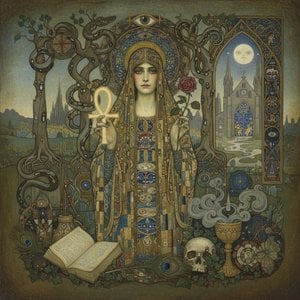
十九世纪末象征主义:探索意义、神秘与唯美意境
深入探索十九世纪末的象征主义艺术运动,解读其神秘主义哲学、革新性的视觉语言和代表人物的作品。ArtsDot提供高质量油画复制与专业艺术咨询服务,助您领略经典之美。
