


 实景预览
实景预览
 发送
发送 分享
分享
 详情
详情 指南
指南

 下载图片
下载图片
 相似作品
相似作品 X射线
X射线 幻灯片播放
幻灯片播放 统计数据
统计数据Centaurs


 阅读全文
阅读全文
手工油画复制品
由我们的艺术家按需定制,为您提供您所选尺寸及画框的布面手工油画。 ( 切换至版画销售渠道 切换至数字图像销售渠道)




P118B ¥10

P118H ¥10

P118W ¥10

P438Z ¥10

P508JH ¥12

P508YH ¥12

P805H ¥10

P805Z ¥10

P919BZ ¥10

P919G ¥10

P919XJ ¥10

P959ZH ¥10

P968JZ ¥12

W106C ¥8

W218G ¥10

W218JH ¥8

W218Y ¥10

W307PJ ¥10

W316G ¥10

W316PJ ¥8

W316Y ¥10

W398PJ ¥8

W4111J ¥10

W500HY ¥15

W500JH ¥15

W692G ¥12

W849H ¥8

W940BG ¥15

W953PJ ¥8




您可以从与原作比例一致的预设尺寸中进行选择。

请输入您需要的宽度和高度,以适配您的画框或墙面。由于作品为手工绘制,若您选择不同的尺寸比例,艺术家可能会在画面边缘多画一些或稍作裁剪 —— 由您决定。在开始绘画之前,我们会为您发送一份数字效果图供您确认。本页面上展示的图片并非最终实物 —— 只有效果图才能反映真实结果。
下单后,ArtsDot.com 团队将通过电子邮件联系客户获取具体要求,并提供效果预览图


 玻璃选项仅适用于110厘米以下的尺寸。

Centaurs
复制品材质
复刻品尺寸说明
-


总计金额
¥ 1767
As a prominent figure in the Symbolist movement, Odilon Redon drew inspiration from various sources, including Greek mythology and the natural world. The centaur, a creature with the upper body of a man and the lower body of a horse, is a recurring motif in his work, symbolizing the harmony between human and animal instincts.
The Artistic Style of Odilon Redon
Odilon Redon's artistic style is marked by its emphasis on symbolism and mysticism. His use of vibrant colors and delicate lines creates a sense of enchantment, drawing the viewer into a world of fantasy and imagination. The Centaur painting is no exception, featuring soft, golden hues and intricate details that invite the viewer to explore its depths.Some notable works by Odilon Redon include Centaur, Centaur with Cello, and Oannes. These pieces demonstrate the artist's fascination with mythological creatures and his ability to convey complex emotions through his work.
Exploring the World of Symbolism
For those interested in learning more about Odilon Redon and the Symbolist movement, the Art Institute of Chicago is a valuable resource. This renowned museum features an extensive collection of works by Odilon Redon and other prominent Symbolist artists, providing a unique opportunity to explore the world of symbolism and mysticism.To experience the beauty of Odilon Redon's work firsthand, consider visiting the Odilon Redon page on ArtsDot, where you can find high-quality reproductions of his paintings, including the captivating Centaur.
- View Centaur by Odilon Redon
- Explore the Odilon Redon page on ArtsDot
- Learn more about the Art Institute of Chicago and its collection of Symbolist art
相关艺术品


艺术家简介
可见之境之外的世界:奥迪隆·雷东那神秘莫测的艺术
1840年出生于法国波尔多的贝尔特朗-让·雷东(Odilon Redon),是一位永远致力于将想象与梦境的无形领域转化为有形形态的艺术家。他的艺术旅程并非始于宏大的野心,而是源于静谧的观察;年仅十岁时,他便获得了一项绘画奖,这预示了他日后定义其一生的视觉敏锐度。尽管最初受家族期望的影响而转向建筑学,但雷东真正的天职却在别处。在让-莱昂·热罗姆以及至关重要的罗多夫·布雷丹的指导下,他掌握了蚀刻画和石版画这些精细的艺术技艺。这些技术成为了他早期探索的基石,使他能够深入一个充满阴影人物和模糊形态的世界,这种世界很快便令那些寻求学术写实主义之外替代方案的人们为之着迷。尽管普法战争曾一度中断了他的创作,让他短暂地服役于军中,但直到回到巴黎,他的艺术愿景才真正开始凝聚成型。象征主义的诞生:“黑色绘画”与早期幻象
雷东早期的职业生涯以刻意脱离主流艺术趋势为特征。他并不寻求复制可见的世界,而是试图唤起其隐藏的暗流——那些潜藏在日常生活表象之下的焦虑、欲望与精神渴望。这促成了他著名的“黑色绘画”(no𝓲rs)系列,这些作品采用木炭和石版画创作,呈现出单色的质感。这不仅仅是对黑暗的研究,更是对潜意识的探索,画面中充斥着奇异的生物、游离的眼睛以及从旋涡状迷雾中浮现的忧郁身影。爱伦·坡和查尔斯·波德莱尔等作家的影响在此清晰可见——他们对恐怖、神秘以及暗示的力量有着共同的痴迷。这些作品最初并未立即获得认可,雷东多年来在很大程度上仍鲜为人知。然而,转机出现在1884年,随着若里斯-卡尔·于斯曼的小说《逆向》(À rebours)的出版,书中颓废贵族德·埃塞恩对雷东素描的推崇,瞬间提升了他在先锋派圈子中的地位。这种认可为他打开了大门,使他能够进一步发展自己独特的艺术语言。他曾将自己的作品描述为模糊且无法定义的,称其应当“像音乐一样,将我们置于一种不确定性的暧昧领域之中”。调色盘的觉醒:从单色到绚烂的表达
虽然“黑色绘画”确立了雷东在象征主义中的重要地位,但他的艺术在19世纪90年代经历了一场非凡的蜕变。他开始拥抱色彩——先是粉彩,随后是油画——为他的构图注入了全新的活力与光泽。这种转变不仅仅是技术上的,它反映了艺术家自身不断演变的内心情感景观。早期的作品往往带有忧郁与孤独感,而后期的绘画则展现出对神话、佛教和日本艺术日益增长的兴趣——日本主义是一个重要的影响因素。诸如《佛陀之死》(1899)等作品展示了这种对东方精神性的着迷,而为多梅西男爵在其城堡委托创作的作品,则展现了雷东将装饰元素与象征性意象融合的能力。多梅西男爵夫人及其女儿珍妮的肖像画是这一时期的杰出代表,它们不仅捕捉到了形体的相似性,更捕捉到了一种内在生命力与心理深度。雷东通过艺术探索自己的内心感受与灵魂,旨在“让可见之物为不可见之物服务”。遗产与影响:超现实主义的先驱
奥迪隆·雷东对艺术界的影响远远超出了他的有生之年。他于1903年被授予荣誉军团勋章,其作品在1913年纽约军械库展览会上的展出获得了更广泛的认可。然而,直到他在1916年去世后,他的真正意义才完全显现。雷东对梦境、潜意识和非理性领域的探索为超现实主义铺平了道路,激励了马塞尔·杜尚和马克斯·恩斯特等艺术家深入探索类似的领域。他对主观经验和情感表达的强调也引起了表现主义画家的共鸣。他不仅仅是在描绘他所看到的;他是在视觉化他所感受到的,这一原则至今仍在启发着艺术家。雷东留下的遗产是一种艺术上的勇气,一种拥抱模糊性的意愿,以及一种对艺术能够揭示人类经验隐藏维度的深刻信念。他的素描作品拒绝被归类,开启了一种独特的、诞生于病态与谵妄之中的幻想意象,却始终蕴含着一种令人难忘的美感。核心特征与主题
- 象征主义:雷东被视为象征主义运动的核心人物,他优先考虑情感与精神的表达,而非写实的再现。
- 梦幻意象:他的作品常以幻想生物、模糊的景观以及唤起梦境氛围的场景为特征。
- 潜意识探索:雷东深入探讨了焦虑、欲望以及人类心灵隐藏深处的各种主题。
- 文学与神话的影响:他从坡和波德莱尔等作家,以及东方宗教与神话中汲取灵感。
- 技术创新:雷东对石版画的精湛掌握,以及他在粉彩和油画中对色彩的创新运用,对其艺术愿景的实现至关重要。

奥迪龙·雷东
1840 - 1916 , 法國
快速概览
- Artistic Movement Or Style: 象征主義
- Artists Or Movements Influenced By This Artist: ['超現實主義']
- Artists Who Influenced This Artist:
- 讓· LEON·傑羅姆
- 羅杜夫·布雷斯丁
- Date Of Birth: 1840年4月20日
- Date Of Death: 1916年7月6日
- Full Name: Odilon Redon
- Nationality: 法國
- Notable Artworks: ['聖靈的水']
- Place Of Birth: 法國波蘭德
相关文章

荷兰黄金时代:十幅定义艺术史的巨作 | ArtsDot
探索荷兰黄金时代的艺术巅峰! 伦勃朗、维米尔等大师名作,带您领略巴洛克艺术的辉煌。高清画作、博物馆级品质,点亮您的家居空间。ArtsDot.com 提供精选艺术复制品和定制装饰方案。立即在线探索全系列!
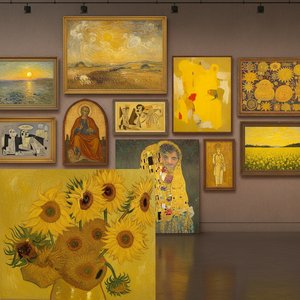
Golden Hues: 10 Masterpieces Dominated by Chrome Yellow | ArtsDot
Immerse yourself in golden light! Explore 10 famous paintings dominated by 'Chrome Yellow', from Van Gogh’s Sunflowers to Monet's Haystacks. Discover the stories behind these iconic Impressionist & Post-Impressionist masterpieces and find museum-quality art reproductions at ArtsDot.com.

Echoes of Olympus: Mythological Narratives in Western Art Through the Ages
Explore the captivating history of mythological narratives in Western art! From ancient Greece to modern masterpieces, discover iconic artworks & symbolism. Expert analysis and high-quality reproductions at ArtsDot.
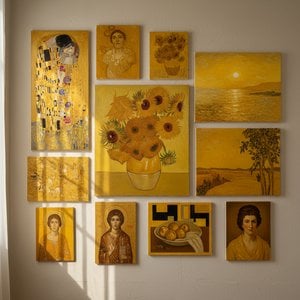
Golden Hues: Top 10 Paintings Dominated by Yellow Ochre |
Explore 10 iconic paintings bathed in golden yellow ochre! From Van Gogh's sunflowers to Monet’s haystacks, discover the stories behind these masterpieces. Find museum-quality art reproductions & elevate your home decor on .

Franz von Stuck: Symbolism, Decadence & the Pursuit of Ideal Beauty
Explore the captivating world of Franz von Stuck, a leading Symbolist painter. Discover his mythological masterpieces, decadent themes, & investment potential. Expert analysis for discerning collectors.
