

 实景预览
实景预览
 分享
分享 分享
分享
 详情
详情 指南
指南

 下载作品
下载作品
 相似作品
相似作品 X射线
X射线 幻灯片播放
幻灯片播放 问答
问答 统计数据
统计数据Self-Portrait

- 9.0 x 10.0 cm


 展开全文
展开全文
艺术微喷/版画
博物馆级艺术微喷或帆布版画,制作高效,并提供多种饰面选择。 ( 订购纯手工绘制画作 切换至数字图像销售渠道)




P118B ¥10

P118H ¥10

P118W ¥10

P438Z ¥10

P508JH ¥12

P508YH ¥12

P805H ¥10

P805Z ¥10

P919BZ ¥10

P919G ¥10

P919XJ ¥10

P959ZH ¥10

P968JZ ¥12

W106C ¥8

W218G ¥10

W218JH ¥8

W218Y ¥10

W307PJ ¥10

W316G ¥10

W316PJ ¥8

W316Y ¥10

W398PJ ¥8

W4111J ¥10

W500HY ¥15

W500JH ¥15

W692G ¥12

W849H ¥8

W940BG ¥15

W953PJ ¥8




您可以从与原作比例一致的预设尺寸中进行选择。

请输入您所需的宽度和高度,以适配您的画框或墙面。由于印刷品只能进行裁剪,无法超出原图尺寸,因此若比例不一致,画面的一部分将会被裁切。在正式印刷之前,我们会为您发送一份数字效果图供您确认。本页面显示的图片并非最终裁剪后的效果——只有效果图才能展示真实的裁剪情况。


 玻璃选项仅适用于110厘米以下的尺寸。

Self-Portrait
艺术微喷/版画
复刻品尺寸
-


最终结算价
¥ 423
A Study in Yellow and Green: Arnold Schoenberg's Self-Portrait (1922)
This intimate drawing, measuring just 9 x 10 cm, offers an arresting glimpse into the mind of one of the 20th century’s most revolutionary composers – Arnold Schoenberg. Executed in 1922, a pivotal year in his artistic development, the work transcends a simple portrait; it's a concentrated distillation of intellectual intensity and perhaps, a subtle self-examination rendered with remarkable precision. The stark palette of yellow and green immediately draws the viewer in, colors that would become increasingly significant within Schoenberg’s musical explorations of atonality and dissonance.
- Subject & Composition: The central focus is undeniably the artist himself – a man with a neatly trimmed mustache, his gaze direct and unwavering. The simplified rendering emphasizes key features: the piercing green eyes, a hallmark of Schoenberg’s artistic vision, and the strong jawline hinting at an unyielding intellect.
- Technique & Materials: Crafted in black and yellow tones, the drawing utilizes a technique that suggests both meticulous observation and a deliberate departure from representational realism. The use of shading creates depth and volume, while the limited color palette contributes to a sense of austerity and focused contemplation.
The Second Viennese School & Atonality
To fully appreciate this self-portrait, it’s crucial to understand Schoenberg's place within the artistic landscape of early 20th-century Vienna. He was at the heart of the “Second Viennese School,” a group of composers – including Alban Berg and Anton Webern – who radically challenged traditional harmonic structures. Schoenberg pioneered atonality, rejecting the established rules of key signatures and chord progressions, believing that music should be free from conventional constraints. This drawing can be seen as a visual manifestation of this intellectual shift; the deliberate use of color and simplified form reflects a desire to break away from established artistic conventions.
The year 1922 was particularly significant for Schoenberg, marking a period of intense experimentation with serialism – a compositional technique based on mathematical series that further explored the possibilities of atonality. This self-portrait isn’t merely a likeness; it's a visual echo of his groundbreaking musical ideas.
Symbolic Resonance & Emotional Impact
While seemingly straightforward, the drawing possesses a subtle emotional depth. The intense gaze suggests introspection and perhaps a sense of isolation – feelings that likely accompanied Schoenberg as he navigated the turbulent waters of artistic innovation. The yellow and green hues, often associated with envy and growth respectively, could symbolize his ambition and relentless pursuit of new musical frontiers. The starkness of the image evokes a feeling of quiet contemplation, inviting the viewer to engage in their own thoughts about creativity, genius, and the challenges of pushing boundaries.
A Collector’s Piece – Reproduction & Legacy
This hand-painted reproduction captures not only the visual details of Schoenberg's self-portrait but also the spirit of a revolutionary artist. Each reproduction is meticulously crafted by skilled artisans, ensuring an authentic representation of this significant work. Perfect for interior design projects seeking a touch of intellectual sophistication or as a unique addition to any art collection, this piece offers a tangible connection to one of music’s most influential figures. Its small size makes it ideal for display in intimate settings, while its powerful imagery ensures that it will remain a captivating subject of contemplation for years to come.
常见问题与解答
阿诺德·勋伯格 的《Self-Portrait》 的技法与风格具有哪些特征?
阿诺德·勋伯格 的《Self-Portrait》 将 Acrylic On Canvas 技法与 Atonal Expressionism 流派风格完美融合。技法与流派分别描述了作品的创作手法及其艺术风格。
对于 阿诺德·勋伯格 的《Self-Portrait》,有哪些推荐的用途和陈列空间?
建议将“Self-Portrait”用于Reflective,推荐摆放空间为Living Room。
哪里可以找到与 阿诺德·勋伯格 的《Self-Portrait》 风格相似的艺术品?
与 阿诺德·勋伯格 的《Self-Portrait》 相似的作品已汇集在作品的 相似作品 页面中。
相似作品


艺术家简介
早年生活与音乐启蒙
阿诺德·勋伯格是一位奥地利裔美国作曲家,于1874年9月13日出生于奥地利维也纳。他的早年生活充满了平凡的色彩,父亲是一名鞋店店主。尽管出身并不显赫,但勋伯格对音乐那份与生俱来的热忱,促使他在这一领域进行了大量的自学,为日后的艺术变革奠定了基础。音乐演进与代表作品
勋伯格早期的作品,例如 《情逝》(Verklärte Nacht, 1899),展现了勃拉姆斯与瓦格纳风格的融合。随着创作生涯的深入,他成为了第二维也纳乐派的核心人物,与 安东·韦伯恩 以及 阿尔班·贝尔格 并肩屹立。他的一系列杰作,包括 《第二弦乐四重奏》(1907–1908)、《期待》(Erwartung, 1909) 以及 《皮埃罗·路纳》(Pierrot Lunaire, 1912),都深刻体现了他对无调性音乐的创新探索。教学、移民与晚年生活
1933年,随着纳粹势力的崛起,勋伯格因其音乐被贴上“堕落”的标签而被迫从普鲁士艺术学院辞职。随后,他移居美国并开始从事教学工作,任教于加州大学洛杉矶分校(1936–1944),如今该校仍有设施以他的名字命名。[https://ArtsDot.com/@/arnold-schoenberg](在 ArtsDot 进一步探索勋伯格的生平与作品)。- 勋伯格曾涉足电影音乐领域,并创作了更多具有调性特征的音乐,于1939年完成了他的 第二室内交响曲。
- 他曾效仿拜伦,在 《拿破仑颂》(1942) 中对法西斯暴君进行了讽刺。
- 战后的维也纳曾授予他荣誉市民身份,但此时他已身患重病,这一点在他的 《弦乐三重奏》(1946) 中得到了情感的寄托。
遗产与影响
当世界逐渐揭开大屠杀的残酷真相时,勋伯格在 《华沙幸存者》(1947) 中为受害者举行了音乐上的纪念。1951年,以色列音乐学院选举他为名誉校长。[https://ArtsDot.com/@@/a@d3bqc7-the-museum-destroyed-by-fire-(united-states)](在 ArtsDot 深入了解他的作品所带来的深远影响)。 关键要点:- 勋伯格的创新音乐是20世纪古典音乐中最具影响力且最具争议的作品之一。
- 至少有三代作曲家延续并扩展了他那具有严谨形式感的创作原则。
- 他的美学观与音乐史观点深刻影响了音乐学家西奥多·阿多诺和卡尔·达尔豪斯。

阿诺德·勋伯格
1874 - 1951 , 奥地利
艺术家简介
- Artistic Movement Or Style: 十二音技法;表现主义
- Artists Or Movements Influenced By This Artist:
- 安东·韦伯恩
- 阿尔班·贝尔格
- Artists Who Influenced This Artist:
- 约翰内斯·勃拉姆斯
- 理查德·瓦格纳
- Date Of Birth: 1874年9月13日
- Date Of Death: 1951年
- Full Name: 阿诺德·勋伯格
- Nationality: 奥地利裔美国人
- Notable Artworks:
- 组曲,作品29
- 音乐打字机
- 五线谱器
- Place Of Birth: 奥地利,维也纳
相关文章
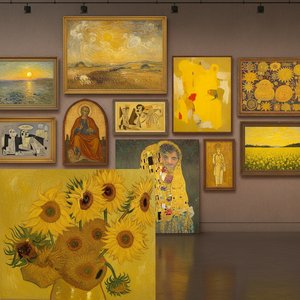
Golden Hues: 10 Masterpieces Dominated by Chrome Yellow | ArtsDot
Immerse yourself in golden light! Explore 10 famous paintings dominated by 'Chrome Yellow', from Van Gogh’s Sunflowers to Monet's Haystacks. Discover the stories behind these iconic Impressionist & Post-Impressionist masterpieces and find museum-quality art reproductions at ArtsDot.com.

高檔藝術品複製技術:Giclée微噴的檔案品質與鑑賞細節
深入了解Giclée微噴技術:檔案品質、色彩還原的專業解析。探索高檔藝術品複製的細節與保存技巧,為您的收藏提供博物館級別的選擇。專家指導,確保完美呈現原作神韻。

Echoes of Time: Exploring the Enduring Appeal & Historical Context of Vintage Art Prints
Explore the captivating world of vintage art prints! Discover their history, collecting tips & enduring appeal. Expert insights on chromolithography and building a legacy collection with ArtsDot.

The Enduring Legacy of Fine Art Prints: Technique, History & Aesthetic Impact
Explore the rich history & techniques of fine art prints. Discover investment potential, assess authenticity, and learn how to preserve your collection with expert guidance. Trusted insights for discerning collectors.

Dark Masterpieces: 10 Iconic Paintings Dominated by Black Tones |
Explore 10 iconic paintings dominated by black tones, from Rembrandt’s chiaroscuro to Goya's dark expressions. Discover the stories behind these masterpieces & find museum-quality art reproductions for your home at .


