


 效果预览
效果预览
 分享
分享 分享
分享
 详情
详情 指南
指南

 下载
下载
 相似作品
相似作品 X射线
X射线 幻灯片播放
幻灯片播放 统计数据
统计数据阿格娜絲·米亞卡瓦


 展开详情
展开详情
手工油画复制品
由我们的艺术家按需定制,为您提供您所选尺寸及画框的布面手工油画。 ( 切换至版画销售渠道 切换至数字图像销售渠道)




P118B $10

P118H $10

P118W $10

P438Z $10

P508JH $12

P508YH $12

P805H $10

P805Z $10

P919BZ $10

P919G $10

P919XJ $10

P959ZH $10

P968JZ $12

W106C $8

W218G $10

W218JH $8

W218Y $10

W307PJ $10

W316G $10

W316PJ $8

W316Y $10

W398PJ $8

W4111J $10

W500HY $15

W500JH $15

W692G $12

W849H $8

W940BG $15

W953PJ $8




从与原作比例一致的预设尺寸中进行选择。

您可以输入自定义尺寸,以适配特定的画框或空间。如果所选尺寸与原图比例不符,我们将通过裁剪作品或添加手绘元素来扩展画面。数字样稿将在制作开始前发送给您确认。
请注意,屏幕预览无法准确反映实际的裁剪或扩展效果,只有样稿才能真实呈现最终的构图。
虽然我们提供定制尺寸服务,但为了保留原作比例,建议您从预设列表中选择尺寸。
下单后,ArtsDot.com 团队将通过电子邮件联系客户获取具体要求,并提供效果预览图。


 玻璃选项仅适用于110厘米以下的尺寸。

阿格娜絲·米亞卡瓦
复制材质
复制品尺寸
-


最终总价
$ 263
阿格娜絲·米亞卡瓦:艾爾巴恩·馬利亞·約翰尼斯·貝爾的藝術探索與音樂遺產
阿格娜絲·米亞卡瓦(1911-1995),出生於維也納的日本文化中心,是一位擁有豐富音樂學術背景的藝術家。她離開了家鄉,前往巴黎學習歌唱,並在1931年獲得了奧페拉歌劇院的舞台出道資格。她的《蝴蝶夫人》演唱表演贏得了廣泛的讚譽和觀眾喜愛,之後她在日本、洛杉磯等地演出,成為了音樂史上一個備受矚目的人物。這幅作品不僅僅是一幀黑白照片,更記錄了一段充滿藝術靈魂與文化傳承的故事。- 作品名稱:阿格娜絲·米亞卡瓦
- 作品描述:來自維也納日本文化中心的阿格娜絲·米亞卡瓦是一位擁有豐富音樂學術背景的藝術家。她離開了家鄉,前往巴黎學習歌唱,並在1931年獲得了奧페拉歌劇院的舞台出道資格。她的《蝴蝶夫人》演唱表演贏得了廣泛的讚譽和觀眾喜愛,之後她在日本、洛杉磯等地演出,成為了音樂史上一個備受矚目的人物。
- 照片描述:整體印象——這幅作品是一幀黑白攝影照片,記錄了阿格娜絲·米亞卡瓦在1931年的形象。畫面呈現出傳統的舞台拍攝風格,以模特的面部和上半身為主要焦點。圖像具有經典而略帶歲月的感覺,與早期二十世紀攝影技術相符。
作品構成與視覺語言:簡潔與對比的藝術表達
畫面採用了黑白配色方案,呈現出豐富的 tonal range,從深邃的黑色到明亮的白色,細緻地捕捉了阿格娜絲·米亞卡瓦面部特徵和服裝細節。畫面的構圖以中心為準繩,將阿格娜絲·米亞卡瓦直接置於畫面中央,她的目光與觀者對視,營造出直接的聯繫感。她手持著半掩蓋身體的紙扇,為畫面右側增添了視覺趣味。背景採用了模糊處理手法,將焦點集中在模特身上,這種簡潔而富有視覺吸引力的方式,完美呈現了藝術家的精神面貌。紙扇的曲線與阿格娜絲·米亞卡瓦的衣服褶皺形成鮮明對比,巧妙地豐富了畫面視覺層次。- 線條運用:畫面主要採用柔和線條,尤其是在阿格娜絲·米亞卡瓦的面部和頭髮上,這種線條表現手法與她的服裝造型形成了明顯的區別。
- 形狀設計:畫面呈現出豐富的有機形狀——阿格娜絲·米亞卡瓦的面部曲線、紙扇的圓潤形態以及她的旗袍飄逸的材質。幾何形狀的使用極為簡潔,與整體視覺氛圍相協和。
- 紋理表現:攝影作品捕捉了多種紋理變化:阿格娜絲·米亞卡瓦皮膚的光滑質感、旗袍上的精美圖案以及紙扇的輕盈觸感。這些紋理細節不僅豐富了視覺體驗,也為作品增添了藝術魅力。
光線與色彩:舞台攝影的溫柔與神秘
畫面呈現出溫和而柔 diffused 的舞台拍攝光線效果,這種光線方式能夠突出阿格娜絲·米亞卡瓦的面部特徵,同時避免產生過於強烈的陰影。光線梯度從模特臉部的亮色逐漸轉移至側面的較暗區域,營造出一種溫馨而富有藝術氛圍的視覺體驗。這種光線運用技巧不僅符合傳統舞台攝影風格,也為作品增添了情感色彩和神秘感。歷史背景與音樂學術意義:從浪漫主義到十二音階的音樂探索
阿格娜絲·米亞卡瓦是一位來自維也納日本文化中心的藝術家,她的音樂生涯與艾爾巴恩·馬利亞·約翰尼斯·貝爾的創作風格息息相關。貝爾是一位二戰維也納學派作曲家,他巧妙地融合了浪漫主義抒情與十二音階技術,為二十世紀音樂史注入了一種獨特的創新精神。他的作品《沃澤克》(Wozzeck)和《盧盧》(LuLu)不僅是音樂藝術的經典之作,更代表了當時音樂學術界的思想潮流。貝爾對音樂理論的精通與對藝術表達的追求,共同塑造了他作為音樂史上一個重要人物的形象。相似艺术品


艺术家简介
A Life Immersed in Sound and Emotion
Alban Maria Johannes Berg, born February 9, 1885, in Vienna, Austria, was a composer whose relatively brief life yielded a body of work that profoundly reshaped the landscape of 20th-century music. Though initially drawn to literature, a path he seriously considered pursuing, Berg’s destiny lay within the realm of sound. His father, Konrad Berg, managed a successful export business, providing a comfortable upbringing that allowed for early musical exploration – though largely self-directed at first. He began composing at fifteen, receiving piano lessons from his sister's governess, but it was a pivotal encounter in 1904 with Arnold Schoenberg that irrevocably altered the course of his artistic development. This mentorship wasn’t merely instructional; it was an immersion into a new musical language, one built on principles of developing variation and, later, the revolutionary twelve-tone technique. A complex personal life unfolded alongside his burgeoning career, including the birth of a daughter, Albine, in 1902 to Marie Scheuchl, a family maid – a circumstance that speaks to the societal complexities of the time. In 1911 he married Helene Nahowski, a union that brought both joy and social challenges.Forging a Unique Musical Voice
Berg’s genius wasn't in simply adopting Schoenberg’s innovations but in *transforming* them. He didn’t merely apply the twelve-tone technique as an intellectual exercise; he infused it with a deeply Romantic sensibility, a lyrical expressiveness that distinguished his work from that of his mentor and fellow Second Viennese School member, Anton Webern. His early compositions – five drafts for piano sonatas and a collection of songs including the evocative *Seven Early Songs* (first publicly performed in 1907) – already hinted at this unique blend. The Piano Sonata, Op. 1, completed around 1908-1909, stands as a remarkably mature debut, demonstrating an astonishing mastery of musical structure and foreshadowing the emotional depth that would characterize his later works. Berg wasn’t isolated in his artistic pursuits; he thrived within Vienna's vibrant cultural circle, associating with figures like Alexander von Zemlinsky, the iconic Gustav Klimt, and the incisive writer Karl Kraus. These interactions undoubtedly enriched his perspective and fueled his creative fire. He absorbed influences from Mahler and Wagner, retaining a connection to the Romantic tradition even as he ventured into atonality.Landmark Operas and Chamber Masterpieces
Berg’s most enduring legacy lies in his operas and chamber works. *Wozzeck* (1924), a landmark achievement of 20th-century opera, is a harrowing portrayal of a soldier exploited and driven to despair. Its fragmented scenes, dissonant harmonies, and intensely psychological characterizations broke with operatic conventions and established Berg as a major force in the genre. The *Lyric Suite* (1926), a chamber work for string sextet, showcases his ability to distill profound emotions into concise forms, revealing layers of meaning through subtle motivic development. The Violin Concerto (1935), dedicated to Louis Krasner, is a fascinating synthesis of twelve-tone technique and tonal references, incorporating elements of Bach chorales and Carinthian folk songs – a testament to Berg’s ability to bridge seemingly disparate musical worlds. Perhaps his most ambitious undertaking was *Lulu*, an opera exploring themes of sexuality, power, and societal corruption. Tragically unfinished at his death in 1935, it was later completed by Friedrich Cerha, allowing audiences to experience the full scope of Berg’s vision. The Chamber Concerto (1925) further exemplifies his skill in weaving diverse musical elements into a cohesive and emotionally resonant whole.A Lasting Impact on Modern Music
Alban Berg's untimely death on December 24, 1935, from sepsis following an insect bite robbed the world of a composer at the height of his powers. Yet, despite his relatively short life, he left behind a musical legacy that continues to resonate today. He profoundly influenced the development of modern music, demonstrating the expressive potential of atonality and twelve-tone techniques while simultaneously retaining a commitment to emotional depth and humanism. As a key member of the Second Viennese School, alongside Schoenberg and Webern, Berg contributed to a revolutionary shift in musical aesthetics. His operas, particularly *Wozzeck* and *Lulu*, remain staples of the operatic repertoire, frequently performed worldwide and captivating audiences with their dramatic intensity and psychological insight. His works are not merely studied by musicologists; they continue to inspire composers seeking new ways to express complex emotions through innovative musical structures. Theodor W. Adorno’s observation – that Berg believed “everything was supposed to develop out of something else and yet be intrinsically different” – encapsulates the essence of his compositional philosophy, a principle that continues to guide musicians today. Berg's music stands as a powerful testament to the enduring power of artistic expression in a rapidly changing world.
Alban Maria Johannes Berg
1885 - 1935 , Austria
艺术家简介
- Artistic Movement Or Style: Expressionism, Atonal music
- Artists Or Movements Influenced By This Artist:
- Modern music
- Second Viennese School
- Artists Who Influenced This Artist:
- Arnold Schoenberg
- Mahler
- Wagner
- Date Of Birth: February 9, 1885
- Date Of Death: December 24, 1935
- Full Name: Alban Maria Johannes Berg
- Nationality: Austrian
- Notable Artworks:
- Wozzeck
- Lulu
- Lyric Suite
- Violin Concerto
- Place Of Birth: Vienna, Austria
相关文章

Beyond the Lens: Photography's Enduring Influence on Modern & Contemporary Art
Explore photography's pivotal role in shaping modern & contemporary art. Discover key movements, influential artists like Stieglitz, and expert collecting advice from ArtsDot.

White on Canvas: 10 Masterpieces & Timeless Elegance for Your Home Decor
Explore 10 iconic white paintings by Monet, Whistler & Rothko! Discover the stories behind these serene masterpieces and their impact on art history. Find museum-quality reproductions for your home decor at .

Monochrome Visions: Exploring the Aesthetic & Historical Significance of Black & White Photography
Explore the rich history & artistic power of black and white photography. From early techniques to iconic masters like Ansel Adams, discover why monochrome continues to captivate art lovers today. Expert insights for collectors.
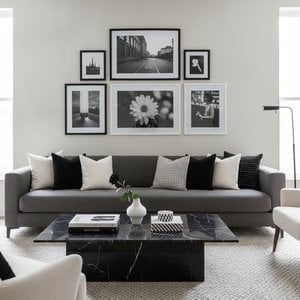
Timeless & Chic: Elevating Your New Home with the Sophistication of Black and White Photography
Transform your new home with the timeless allure of black and white photography. ArtsDot.com specializes in elegant monochrome decor and custom hand-painted wedding portraits that turn cherished milestones into lasting, soulful masterpieces. Elevate your space with ease.

Dark Masterpieces: 10 Iconic Paintings Dominated by Black Tones |
Explore 10 iconic paintings dominated by black tones, from Rembrandt’s chiaroscuro to Goya's dark expressions. Discover the stories behind these masterpieces & find museum-quality art reproductions for your home at .
