

 实景预览
实景预览
 分享
分享 分享
分享
 详情
详情 指南
指南

 下载作品
下载作品
 相似作品
相似作品 X射线
X射线 幻灯片播放
幻灯片播放 Q&A
Q&A 统计数据
统计数据Study for Music


 展开全文
展开全文
艺术微喷/版画
博物馆级艺术微喷或帆布版画,制作高效,并提供多种饰面选择。 ( 订购纯手工绘制画作 切换至数字图像销售渠道)




































您可以从与原作比例一致的预设尺寸中进行选择。

请输入您所需的宽度和高度,以适配您的画框或墙面。由于印刷品只能进行裁剪,无法超出原图尺寸,因此若比例不一致,画面的一部分将会被裁切。在正式印刷之前,我们会为您发送一份数字效果图供您确认。本页面显示的图片并非最终裁剪后的效果——只有效果图才能展示真实的裁剪情况。


 玻璃选项仅适用于110厘米以下的尺寸。

Study for Music
艺术微喷/版画
复刻品尺寸
-


最终结算价
¥ 416
A Study in Graceful Movement: Mucha’s ‘Study for Music’
Alphonse Maria Mucha's “Study for Music,” a captivating work brimming with the hallmarks of his signature Art Nouveau style, invites us into a world where decorative elegance intertwines seamlessly with profound emotional resonance. This painting, though shrouded in some mystery regarding its precise creation date and dimensions – details currently unavailable to us – offers a potent glimpse into Mucha’s artistic process and his enduring fascination with idealized beauty and the evocative power of music itself. The image depicts a woman seated thoughtfully, her posture radiating both serenity and an underlying current of contemplation. Her flowing green dress, rendered in delicate brushstrokes, seems to ripple with movement, echoing the very ‘music’ for which the piece is named. The warm yellow background isn't merely a backdrop; it acts as a luminous embrace, intensifying the colors and contributing significantly to the painting’s overall atmosphere of quiet contemplation.
The Art Nouveau Vision: Mucha’s Influences and Techniques
Born in Brno, Czech Republic, in 1860, Alphonse Maria Mucha developed a unique artistic voice that would become synonymous with Art Nouveau. Rejecting the rigid academic traditions he encountered at the Academy of Fine Arts in Prague, Mucha embraced a more organic approach, heavily influenced by artists like Pierre-Auguste Renoir and Gustave Moreau. His work is characterized by its deliberate use of flowing lines, intricate ornamentation, and a profound appreciation for natural forms – particularly those found in flora and fauna. Notice the careful rendering of the woman’s drapery; it's not simply fabric but an extension of her form, imbued with a sense of movement and almost liquid grace. Mucha’s technique involved layering thin glazes of color, building up depth and luminosity that is characteristic of his most celebrated works. The subtle gradations in tone, particularly around the figure’s face and hands, contribute to the painting's ethereal quality.
Symbolism and Narrative within the Scene
Beyond its purely aesthetic qualities, “Study for Music” hints at deeper symbolic meanings. The presence of the other figures – a man in the background and two birds – adds layers of narrative complexity. The woman’s pose, with her legs crossed and head slightly tilted, suggests an act of listening, absorbed in the music she hears or perhaps composing it herself. The birds, frequently recurring motifs in Mucha's work, often represent freedom, inspiration, and the connection between humanity and nature. The necklace she wears could be interpreted as a symbol of adornment, but also potentially represents a link to tradition or heritage – themes prevalent in Mucha’s exploration of Czech identity through his art. The overall composition feels deliberately balanced, creating a sense of harmony and tranquility.
A Legacy of Beauty: Mucha's Impact and the Reproduction
Alphonse Maria Mucha’s influence on the Art Nouveau movement is undeniable, and “Study for Music” stands as a testament to his artistic genius. His work continues to inspire artists and designers today, demonstrating the enduring power of beauty, elegance, and emotional expression. ArtsDot.com offers a meticulously crafted hand-painted reproduction of this remarkable piece, allowing you to bring its captivating charm into your home or office. Each reproduction is created using archival quality materials and traditional techniques, ensuring that it faithfully captures the original’s delicate details and luminous color palette. This isn't just a print; it’s an investment in art history – a tangible connection to one of the most significant figures of the Art Nouveau era.
常见问题与解答
莫奈 (Mò Nèi) 的《Study for Music》 的色彩特征是什么?
莫奈 (Mò Nèi) 的《Study for Music》 采用了 Pastels 色调,并以 Driftwood (#bcbc5e) 作为主导色。
《Study for Music》这一Art Nouveau风格的作品传达了怎样的情感基调?
"Study for Music" 所蕴含的 Romantic 情感,与其 Art Nouveau 风格相得益彰。
莫奈 (Mò Nèi) 的《Study for Music》创作于哪个时期?
莫奈 (Mò Nèi) 的《Study for Music》 创作于 19th Century 时期,这一时期为作品提供了深厚的历史背景。


艺术家简介
早年生活与教育
- 出生: 1860年7月15日,摩拉维亚伊瓦尼采(今捷克共和国)。
- 从小就展现出艺术天赋。
- 在布拉格美术学院学习,但对传统方法感到不满。
- 1887年移居巴黎,追求自己的风格。
艺术风格与代表作品
- 以独特的装饰艺术风格而闻名,其特点是流畅的线条、有机形态和动感。
- 受到皮埃尔-奥古斯特·雷诺阿和居斯塔夫·莫罗等艺术家的影响。
- 代表作品:
- 斯拉夫起义 - 展示了将传统的捷克图案与现代装饰艺术元素相结合。
- Salon des Cent
- 受居斯塔夫·莫罗的《特斯皮奥之女》和皮耶罗·多拉齐奥的《戈贝林的小恶魔》等作品启发而创作的绘画。
- 根据赫伯特·冯·赫科默爵士的《亚麻破布者》创作的插图。
- 经常描绘身穿飘逸长袍、周围环绕着郁郁葱葱鲜花的理想化女性形象。
职业生涯亮点与主要委托
- 莎拉·伯恩哈特合作: 为女演员莎拉·伯恩哈特创作海报和设计,从为《吉斯蒙达》(1894年)创作的海报开始,这标志着他职业生涯的开端。
- 巴黎世界博览会(1900年): 他的装饰艺术风格在这次展览上获得了国际认可。 他装饰了波斯尼亚和黑塞哥维那展馆并与奥地利展馆合作。
- 查尔斯·理查德·克莱恩赞助: 得到查尔斯·理查德·克莱恩的支持,使他能够创作出史诗般的系列作品《斯拉夫史诗》(1912-30年)。
- 捷克斯洛伐克独立后: 为新独立的捷克斯洛伐克设计邮票、钞票和政府文件。
影响与遗产
- 受到捷克艺术传统和现代欧洲艺术运动的影响。
- 他独特的风格为装饰艺术和分离派运动的后代艺术家铺平了道路。
- 启发了其他艺术家,如埃娃·普罗科波沃娃。
- 他的遗产超越了他的艺术作品,影响了设计和美学。
晚年生活与逝世
- 1906年与玛鲁斯卡(Marie/Maria)奇蒂洛娃结婚。
- 从1906年至1910年访问美国,他们的女儿雅罗斯拉瓦在那里出生。
- 于1939年7月14日去世,享年78岁,逝世地点为捷克斯洛伐克布拉格。

莫奈 (Mò Nèi)
1860 - 1939 , 捷克共和国
艺术家简介
- Artistic Movement Or Style: 新艺术运动
- Artists Or Movements Influenced By This Artist: ['埃娃·普罗科波娃']
- Artists Who Influenced This Artist:
- 雷诺阿
- 古斯塔夫·莫罗
- Date Of Birth: 1860年7月15日
- Date Of Death: 1939年
- Full Name: 阿尔丰斯·玛利亚·穆夏
- Nationality: 捷克人
- Notable Artworks:
- 斯拉夫起义
- Salon des Cent
- Place Of Birth (City And Country): 捷克共和国布尔诺
相关文章

Verdant Visions: Exploring the Symbolism & Aesthetic Impact of Green in Art History
Explore the rich history & symbolism of green in art! Discover iconic paintings, techniques, and how to bring verdant harmony into your home with ArtsDot's expert guide.

Chrome Green Masterpieces: 10 Famous Paintings & Their Alluring Hues |
Explore 10 famous paintings where 'Chrome Green' reigns supreme! Discover Monet, Manet & Van Gogh’s masterpieces. Learn the stories behind these iconic artworks and find museum-quality art reproductions for your home at .

Emerald Visions: Top 10 Paintings Dominated by Cadmium Green |
Explore 10 iconic paintings where cadmium green reigns supreme! From Monet to Van Gogh, discover the stories behind these masterpieces & the power of color. Find museum-quality art reproductions and elevate your home decor on .
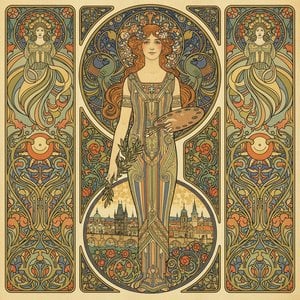
Alphonse Mucha: A Comprehensive Exploration of Art Nouveau's Master of Decorative Symbolism
Explore the life & art of Alphonse Mucha, master of Art Nouveau! Discover his iconic posters, stunning illustrations, and the monumental Slav Epic. A comprehensive guide for collectors & enthusiasts.
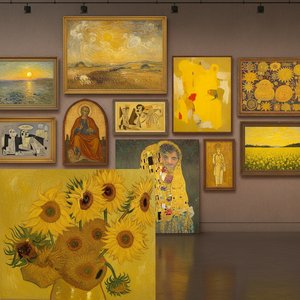
Golden Hues: 10 Masterpieces Dominated by Chrome Yellow | ArtsDot
Immerse yourself in golden light! Explore 10 famous paintings dominated by 'Chrome Yellow', from Van Gogh’s Sunflowers to Monet's Haystacks. Discover the stories behind these iconic Impressionist & Post-Impressionist masterpieces and find museum-quality art reproductions at ArtsDot.com.