


 Переглянути в інтер'єрі
 Надіслати як листівку
 Поділитися
 Детальніше

 Завантажити
 Схожі експонати
 Рентгенівське дослідження
 Слайд-шоу
 Статистика
Winter Landscape


 Читати далі
Олійная репродукція ручної роботи
Написана вручну олією на полотні у вашому розмірі та рамі, виготовлена на замовлення нашими художниками. ( Перейти до друку Перейти до цифрових зображень)




P118B $10

P118H $10

P118W $10

P438Z $10

P508JH $12

P508YH $12

P805H $10

P805Z $10

P919BZ $10

P919G $10

P919XJ $10

P959ZH $10

P968JZ $12

W106C $8

W218G $10

W218JH $8

W218Y $10

W307PJ $10

W316G $10

W316PJ $8

W316Y $10

W398PJ $8

W4111J $10

W500HY $15

W500JH $15

W692G $12

W849H $8

W940BG $15

W953PJ $8




Обирайте з наших стандартних розмірів, що відповідають оригінальним пропорціям твору мистецтва.

Ви можете вказати власні розміри, щоб репродукція ідеально підійшла до конкретної рами або інтер'єру. Якщо вибраний вами розмір не відповідає пропорціям оригіналу, ми або обріжемо полотно, або доповнимо картину додатковими елементами, промальованими вручну. Цифровий макет буде надіслано вам на затвердження перед початком виробництва.
Зверніть увагу, що попередній перегляд на екрані не відображає фактичне обрізання або розширення зображення. Тільки макет точно покаже остаточну композицію.
Хоча ми можемо виготовити виріб у нестандартному розмірі, для збереження оригінальних пропорцій рекомендуємо обирати варіанти зі встановленого списку.
Після оформлення замовлення команда ArtsDot.com зв'яжеться з клієнтом електронною поштою для отримання інструкцій та надасть попередній макет
Доставка по всьому світу () за 3–4 тижні замість стандартних 5 тижнів. (13 Вересень). Без жодних компромісів у якості.

Безкоштовна експрес-доставка по всьому світу

Високоякісне лляне полотно

Повне страхове покриття доставки

Гарантія відшкодування митних зборів

Гарантія точного відтворення кольорів

Політика повернення протягом 100 днів (тільки у разі виявлення дефектів)

Гарантія повернення 100% коштів

Пропозиція на оптові замовлення
 Скляний варіант доступний лише для розмірів до 110 см

Winter Landscape
Матеріал репродукції
Розмір репродукції
-


Підсумкова вартість
$ 263
A Frozen Moment in Time: Hendrick Avercamp’s “Winter Landscape with Skaters”
Hendrick Avercamp's "Winter Landscape with Skaters," painted around 1608, isn’t merely a depiction of a winter scene; it’s a vibrant snapshot of Dutch life frozen in time. This remarkable work, now residing within the hallowed halls of the Rijksmuseum in Amsterdam, transports us to a world where ice skating wasn't just recreation but a cornerstone of community and livelihood. Avercamp, a figure shrouded in intriguing circumstance – known as “de Stomme van Kampen” (the Mute of Kampen) due to his presumed deafness and muteness – possessed an extraordinary ability to translate the nuances of the Dutch winter onto canvas with startling clarity and warmth. He wasn’t simply painting snow; he was capturing a bustling, layered reality—a testament to human activity amidst the stark beauty of a frozen landscape.The Painter's Technique: A Symphony of Ink and Texture
Avercamp’s genius lay not in meticulous detail but in his masterful manipulation of ink – a technique heavily influenced by the Chinese landscape painters he studied during his pivotal journey to Ming China. He eschewed the smooth, blended brushstrokes favored by some contemporaries, instead embracing “hatsuboku,” or splattered ink. This method created a dynamic, almost chaotic texture that perfectly mirrored the unevenness and unpredictability of winter’s embrace. Notice how the snow drifts aren't uniformly white; they shimmer with subtle variations in tone, conveying depth and volume. The trees, rendered in dark, brooding hues, stand as silent witnesses to the revelry below. The use of aerial perspective—lighter colors receding into the distance—further enhances the illusion of space, drawing the eye deep into the winter scene. Avercamp’s choice of a wooden panel for this work also contributed to its unique character, allowing for a slightly textured surface that complements his expressive technique.A Window into 17th-Century Dutch Life
“Winter Landscape with Skaters” offers an unparalleled glimpse into the daily rhythms of early 17th-century Holland. It’s far more than just a winter scene; it's a social tableau, teeming with activity and human interaction. We see families bundled in furs, children building snowmen, men engaged in lively conversation, and even a dog scavenging amongst the frozen remains of a horse – a poignant reminder of the harsh realities beneath the festive surface. The inclusion of elements like a boat struggling to break free from the ice, a hunting scene, and a group of fishermen highlights the diverse occupations that sustained the Dutch populace during this period. Avercamp’s work isn't romanticized; it presents a realistic portrayal of life lived in close proximity to nature’s power, where survival depended on skill, resilience, and community.Symbolism and Emotional Resonance
Beyond its documentary value, the painting resonates with profound symbolism. The act of ice skating itself held significant cultural importance in the Netherlands – a time for social gatherings, friendly competition, and celebrating the arrival of winter. The presence of the church in the background subtly anchors the scene within a religious context, suggesting a connection between earthly pleasures and spiritual values. The painting’s overall mood is one of joyful exuberance tempered by an underlying awareness of nature's indifference. It evokes a sense of nostalgia for a simpler time, inviting us to contemplate the beauty and challenges of life in harmony with the seasons. The vibrant colors, despite depicting a cold landscape, create a feeling of warmth and vitality—a testament to Avercamp’s ability to capture not just what he saw but also what he felt.Bringing “Winter Landscape with Skaters” into Your Space
Reproductions of Hendrick Avercamp's "Winter Landscape with Skaters" offer a remarkable opportunity to infuse your home or office with the spirit of the Dutch Golden Age. The painting’s dynamic composition, rich textures, and evocative subject matter make it an ideal choice for creating a warm, inviting atmosphere. Consider pairing a high-quality reproduction with complementary colors – deep blues, greens, and browns – to evoke the feeling of a crisp winter day. Whether you're drawn to its historical significance or simply captivated by its beauty, this iconic painting is sure to become a cherished centerpiece in your collection.Схожі твори мистецтва


Біографія митця
Першопроходець голландської зими: Життя та мистецтво Генріка Аверкампа
Генрік Аверкамп — ім'я, що стало синонімом мерехтливих застиглих ландшафтів Золотого віку Нідерландів. Він народився в Амстердамі 27 січня 1585 року, і історія його життя така ж інтригуюча, як і його мистецтво — це розповідь, позначена як художніми інноваціями, так і особистими обставинами. З ранніх років ставало очевидним, що Аверкамп сприймає світ інакше, ніж більшість; він був німим і, ймовірно, глухим, що принесло йому прияздне, але визначальне прізвисько «de Stomme van Kampen» — Німий із Кампена. Однак це сприйняте обмеження не придушило його творчий голос, а, можливо, загострило його спостережливість, дозволяючи переносити нюанси голландської зими на полотно з неперевершеною чіткістю та шармом. Спершу він навчався в Амстердамі у портретиста Пітера Ісаакса, а можливо, отримував поради й від Давіда Вінкбоонса, чий вплив помітний у ранніх роботах Аверкампа. У 1608 році він переїхав до Кампена, де провів більшу частину свого життя і утвердився як унікальний та прославлений митець.Захоплення застиглого світу: Художній стиль та інновації
Аверкамп виділяється як один із перших художників, що присвятили себе пейзажу в Голландії XVII століття — періоду, де традиційно панували портретний жанр, історична живопис та натюрморт. Він знайшов свою нішу, спеціалізуючись на зимових сценах — темі, яка рідко досліджувалася з такою послідовною увагою до деталей до нього. Його картини — це не просто зображення холодної погоди; це яскраві миттєві знімки голландського життя, що розгортається на льоду. Фігури ковзають, катаються на санях, грають у *колф* (форму гольфу на льоду) і просто насолоджуються замерзлими водоймами, створюючи живий гобелен людської діяльності на тлі суворої краси зимового пейзажу. Майстерність Аверкампа полягає в його здатності передати водночас і холод пори року, і тепло спільних розваг. Він майстерно використовував повітряну перспективу, тонко змінюючи кольори та деталі для створення переконливого відчуття глибини, затягуючи глядача у ці крижані світи. Його техніка часто передбачала нанесення акварельних нашарувань поверх малюнків пером і тушшю, що створювало делікатні та світлоносні ефекти. Ці невеликі роботи часто продавалися як завершені твори, призначені для колекційних альбомів — свідчення їхнього інтимного масштабу та привабливості.Впливи та розвиток: Від Брейгеля до голландського реалізму
Хоча Аверкамп викував свій власний самобутній стиль, він не працював у вакуумі. Вплив фламандських майстрів, таких як Пітер Брейгель Старший, очевидний у його ранніх композиціях — гамірних сценах, наповнених численними постатями, зайнятими повсякденними справами. Проте Аверкамп вийшов за межі простого імітування, розвинувши унікально голландську чутливість, що характеризується ретельною деталізацією та гострим спостереженням за світлом і атмосферою. Він прийняв зростаючий тренд на реалізм у голландському живописі, точно зображуючи одяг, інструменти та звичаї свого часу. Його творчість також відображає кліматичні умови Малого льодовикового періоду — часу незвично холодних зим у Європі, що, безсумнівно, підживило його захоплення застиглими ландшафтами. На відміну від деяких сучасників, які могли ідеалізувати свої сюжети, Аверкамп представляв реалістичний — і часто гумористичний — погляд на життя, включаючи грайливі деталі, що натякають на людські вади та повсякденні випадки.Спадщина та історичне значення
Вплив Генріка Аверкампа на голландський живопис є величезним. Він не лише популяризував зимовий пейзаж як повноцінний предмет художнього дослідження, але й допоміг визначити самобутній голландський підхід до пейзажу — той, що робив акцент на реалізмі, атмосферних ефектах та зображенні повсякденного життя. Його роботи стали джерелом натхнення для наступних поколінь художників і продовжують захоплювати аудиторію й сьогодні. Визначні колекції, що демонструють його майстерність, включають Рейксмузеум в Амстердамі, де зберігається значна кількість його картин, та Мауріцхаус у Гаазі. Спадщина Аверкампа виходить за межі його художніх досягнень; він є символом перемоги над обставинами, демонструючи, що творче самовираження може процвітати навіть перед обличчям особистих викликів. Він помер у Кампені 15 травня 1634 року, залишивши по собі спадок, який продовжує відкривати вікно у яскравий і часто забутий світ Голландії XVII століття — світ, застиглий у часі, але сповнений життя.Визначні роботи
- Зимовий пейзаж із ковзалярами: Можливо, його найіконічніша робота, цей живопис є прикладом майстерності Аверкампа у вловлюванні енергії та атмосфери голландської зимової сцени.
- Вулиця в Делфі: Рідкісний приклад того, як Аверкамп виходив за межі пейзажу, демонструючи свою здатність зображувати міське життя.
- Насолода льодом поблизу міста: Демонструє його вміння створювати динамічні композиції, наповнені численними постатями, зайнятими різноманітною діяльністю.

Генрик Аверкамп
1585 - 1634 , Нідерланди
Короткі факти
- Artistic Movement Or Style: Голландська золота доба живопису
- Artists Who Influenced This Artist:
- Пітер Ісаакс
- Девід Вінкбоунс
- Date Of Birth: Янв 27, 1585
- Date Of Death: Май 15, 1634
- Full Name: Hendrick Avercamp
- Nationality: Нідерландський
- Notable Artworks:
- Зимовий пейзаж зі лижниками
- Вулиця Дельфі
- Place Of Birth: Амстердам, Нідерланди
Пов'язані статті

Jacob van Ruisdael: Master of Dutch Landscape & the Evocation of National Identity
Explore the life & work of Jacob van Ruisdael, the preeminent Dutch landscape painter. Discover his technical brilliance, symbolic depth, and lasting influence on art history. Learn about collecting Ruisdael's masterpieces.

Charles Leickert: Capturing the Dutch Golden Age Light – A Comprehensive Study of Technique, Context, and Legacy
Explore the captivating winter landscapes of Charles Leickert, a master of Dutch Golden Age light & atmosphere. Discover his techniques, symbolism, and lasting legacy – a comprehensive study for art enthusiasts and collectors.

Golden Light & Dutch Skies: Bringing the Magic of Dutch Golden Age Landscapes into Your Home
Transform your home with the breathtaking light of Dutch Golden Age landscapes. Discover how hand-painted oil reproductions of masterworks like Ruisdael and Vermeer bring timeless elegance, atmosphere, and soulful texture to modern interiors. Elevate your space with museum-quality art.
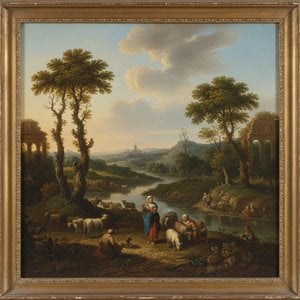
Nicolaes Berchem: Dutch Golden Age Pastoralism & the Evolution of Landscape Painting
Explore the captivating world of Nicolaes Berchem, a leading Dutch Golden Age painter. Discover his idyllic landscapes, masterful technique & lasting influence on art history. Learn more at ArtsDot.

Jan van Goyen: Master of Dutch Landscape & Atmospheric Perspective
Discover Jan van Goyen, the master of Dutch landscape painting. Explore his subtle technique, atmospheric realism & lasting influence on art history. Learn about this 17th-century pioneer at ArtsDot.
