
- Додому

- Репродукція картини олією
- Генрик Аверкамп
- Frozen River with Skaters
 Замовити друк Купити цифрове зображення
 Надіслати
 Поділитися
 Details
 Додати до улюблених

 Завантажити
 Схожі вироби
 X-Ray
X-Ray
 Слайд-шоу
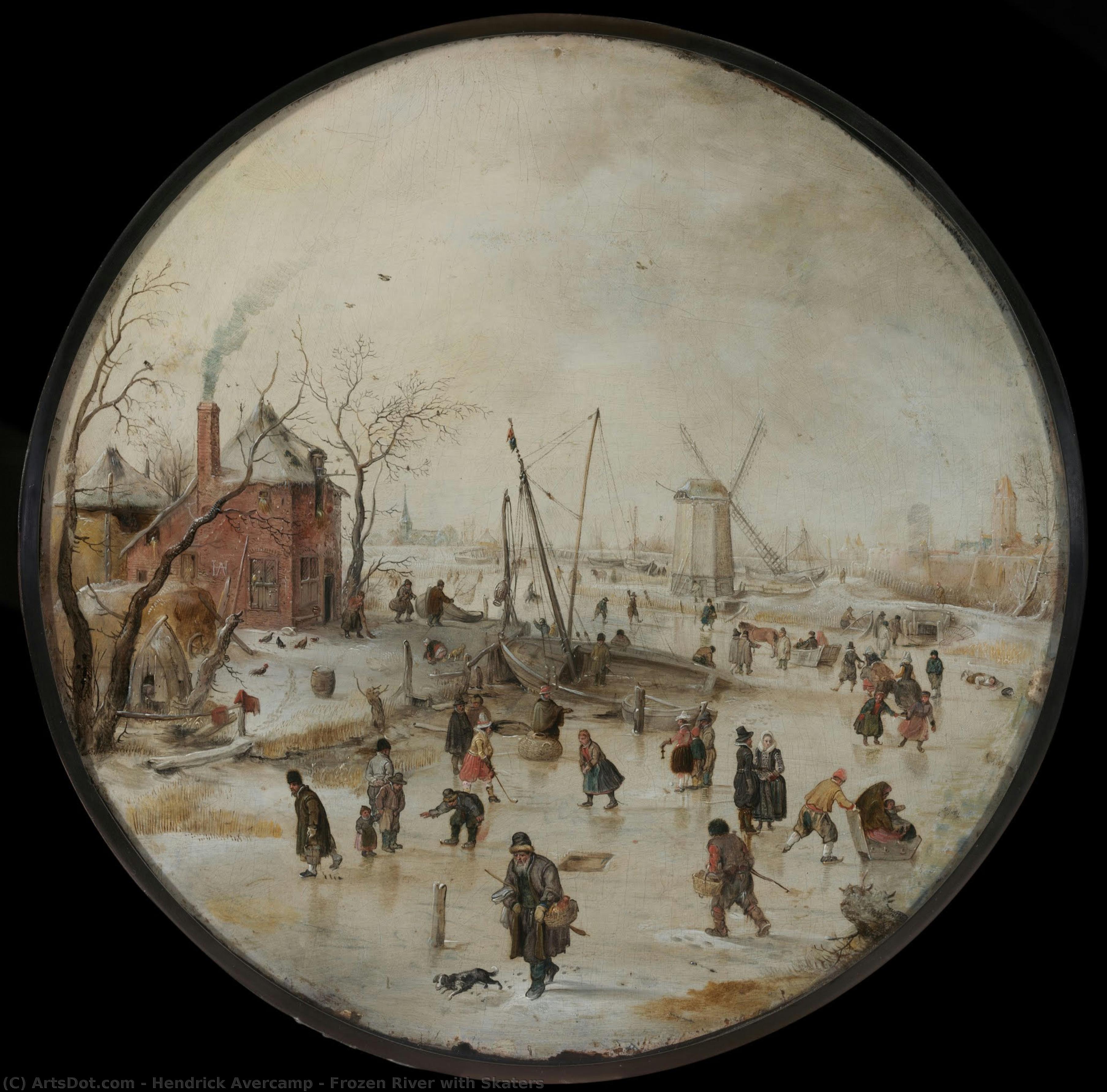
Frozen River with Skaters


Олійная репродукція ручної роботи
Написана вручну олією на полотні у вашому розмірі та рамі, виготовлена на замовлення нашими художниками.




































 Читати далі
Обирайте з наших стандартних розмірів, що відповідають оригінальним пропорціям твору мистецтва.

Ви можете вказати власні розміри, щоб репродукція підійшла до конкретної рами або інтер'єру. Якщо вибраний вами розмір не відповідає пропорціям оригіналу, ми або обріжемо полотно, або доповнимо картину додатковими елементами, промальованими вручну. Цифровий макет буде надіслано вам на затвердження перед початком виробництва.
Зверніть увагу, що попередній перегляд на екрані не відображає фактичне обрізання або розширення зображення. Тільки макет точно покаже остаточну композицію.
Хоча ми можемо виготовити виріб у нестандартному розмірі, для збереження оригінальних пропорцій рекомендуємо обирати варіанти зі встановленого списку.
Після оформлення замовлення команда ArtsDot.com зв'яжеться з клієнтом електронною поштою для отримання інструкцій та надасть попередній макет
Доставка по всьому світу () за 3–4 тижні замість стандартних 5 тижнів. (1 Липень). Без жодних компромісів у якості.

Безкоштовна експрес-доставка по всьому світу

Високоякісне лляне полотно

Повне страхове покриття доставки

Гарантія відшкодування митних зборів

Гарантія точного відтворення кольорів

Політика повернення протягом 60 днів (лише у разі виявлення дефектів)

Гарантія повернення 100% коштів

Знижка на багатоелементні замовлення
 Скляний варіант доступний лише для розмірів до 110 см

Frozen River with Skaters
Матеріал репродукції
Розмір репродукції
-


Підсумкова ціна
-
Опис твору
Frozen River with Skaters: A Glimpse of Dutch Winter Life
- Subject & Description: This captivating oil painting, "Frozen River with Skaters," transports viewers to a bustling winter scene in 17th-century Netherlands. Created around 1620 by Hendrick Avercamp, the circular canvas depicts a lively tableau of figures enjoying ice skating on a frozen river. The composition is densely populated, showcasing a vibrant rural landscape dominated by a brick building emitting smoke, a picturesque windmill, and a partially frozen river teeming with activity. Numerous individuals are engaged in various winter pastimes – skating, sledding, fishing, and simply socializing – creating a dynamic and engaging scene.
Style & Technique: Echoes of the Dutch Golden Age
- Artistic Style: Avercamp's style is firmly rooted in the Dutch Golden Age genre painting tradition, particularly reminiscent of Hendrick Avercamp’s own earlier works and those of contemporaries like Adam van Breen. The artwork exemplifies meticulous observation and realistic depiction of everyday life, a hallmark of this period.
- Painting Technique: Executed in oil paints on canvas or panel, the technique demonstrates traditional layering and visible brushwork. This contributes to the overall realism and texture of the scene. Aerial perspective is skillfully employed, with distant elements appearing smaller and less defined, creating depth within the composition. The color palette predominantly utilizes muted tones – browns, grays, blues, and ochres – effectively conveying the coldness and bleakness characteristic of a winter landscape.
Historical Context & Symbolism
- The "Little Ice Age": The painting's subject matter is intrinsically linked to the “Little Ice Age” (approximately 1550-1800), a period of unusually cold winters that significantly impacted Europe, including the Netherlands. The prevalence of ice skating as a popular pastime during this era provided fertile ground for artists like Avercamp to capture these unique moments in time.
- Dutch Society: The painting offers a valuable glimpse into Dutch society of the early 17th century. It portrays a sense of community and shared leisure, highlighting the importance of social gatherings even amidst harsh weather conditions. The inclusion of various social classes – from fishermen to figures in noble attire – suggests a degree of social harmony and interconnectedness.
- Symbolism: Beyond its depiction of everyday life, the painting can be interpreted as symbolizing resilience and adaptability in the face of adversity. The vibrant activity on the frozen river represents the ability of people to find joy and connection even during challenging times.
Emotional Impact & Legacy
- Atmosphere: The artwork evokes a sense of briskness, energy, and communal spirit. Despite the cold setting, the painting exudes warmth through its depiction of human interaction and lively activity. The detailed portrayal of individual figures and their actions invites viewers to immerse themselves in the scene and imagine the sounds and sensations of a winter day on the frozen river.
- Avercamp's Contribution: Avercamp is recognized as one of the first Dutch masters to specialize in winter landscapes, establishing a unique niche within the art world. His ability to capture the dynamism and detail of these scenes has secured his place as a significant figure in Dutch Golden Age painting. His work continues to inspire artists and captivate audiences with its charming depiction of everyday life during a remarkable period in history.
Схожі витвори мистецтва


Біографія митця
Hendrick Avercamp (1585 - 1634) – A Pioneer of Dutch Winter
Hendrick Avercamp, a name synonymous with the shimmering, frozen landscapes of the Dutch Golden Age, was born in Amsterdam on January 27, 1585. His life story is as intriguing as his art—a tale marked by both artistic innovation and personal circumstance. From an early age, it became apparent that Avercamp lived within a world experienced differently than most; he was mute, and likely deaf, earning him the affectionate yet defining moniker “de Stomme van Kampen” – the Mute of Kampen. This perceived limitation, however, did not stifle his artistic voice but perhaps sharpened his observational skills, allowing him to translate the nuances of the Dutch winter onto canvas with unparalleled clarity and charm. He initially studied in Amsterdam under Pieter Isaacsz, a portrait painter, and possibly also received guidance from David Vinckboons, whose influence can be seen in Avercamp’s early works. In 1608, he relocated to Kampen, where he would spend the majority of his life and establish himself as a unique and celebrated artist. ### Life: Deafness and Early Artistic Training Hendrick Avercamp’s birth was marked by profound physical challenges—he was mute and deaf from infancy. This condition profoundly shaped his worldview and undoubtedly influenced his artistic approach, fostering an acute sensitivity to visual detail and a remarkable ability to convey emotion through composition and color. Despite these limitations, Avercamp pursued formal artistic training in Amsterdam, studying under Pieter Isaacsz, a prominent portrait painter of the time. Accounts suggest he may have also benefited from instruction from David Vinckboons, whose stylistic tendencies—particularly his embrace of Flemish traditions—would resonate throughout Avercamp’s oeuvre. The family moved to Kampen shortly after Avercamp's birth, where his father served as town apothecary, establishing a stable environment for the young artist’s formative years. ### Artistic Style and Innovation: Mastering Aerial Perspective Avercamp stands apart from many of his contemporaries as one of the first dedicated landscape painters in 17th-century Holland—a period traditionally dominated by portraiture, history painting, and still life. He carved his niche by specializing in winter scenes—a subject rarely explored with such consistent focus before him. Unlike other artists who idealized their subjects or sought to convey grand narratives, Avercamp’s landscapes prioritized meticulous observation and a masterful manipulation of light and atmosphere. His technique involved applying watercolor washes over pen and ink drawings—a method that created delicate and luminous effects—resulting in canvases imbued with an ethereal quality. Crucially, Avercamp employed aerial perspective, subtly shifting colors and details to simulate the illusion of depth, drawing viewers into these icy worlds with astonishing realism. This innovative approach distinguished him from many of his peers and cemented his reputation as a visionary artist. ### Influences: Bruegel’s Legacy and Flemish Tradition Avercamp’s artistic sensibilities were undeniably shaped by the legacy of Pieter Bruegel the Elder, whose monumental winter paintings served as an inspiration for younger artists. Avercamp absorbed Bruegel’s stylistic principles—particularly his penchant for depicting bustling scenes populated with numerous figures engaged in everyday activities—incorporating these elements into his own compositions. This connection to Flemish artistic tradition underscores Avercamp's commitment to realism and contributes to the distinctive character of his work. Furthermore, Avercamp’s meticulous attention to detail reflects a broader trend toward naturalism within Dutch painting during the Little Ice Age, when unusually cold winters gripped Europe—a climatic condition that undoubtedly fueled Avercamp’s fascination with frozen landscapes and informed his artistic vision. ### Notable Works: Winter Landscapes That Captivate Audiences Today Avercamp produced an impressive body of work during his lifetime, characterized by a remarkable range of subjects and stylistic explorations. Among his most celebrated paintings are *Winter Landscape with Skaters*, which exemplifies Avercamp’s mastery of capturing the energy and atmosphere of a Dutch winter scene—a depiction brimming with lively figures engaged in skating and social interaction; *Street in Delfi*, showcasing Avercamp's skill in portraying town life with remarkable precision; and *Enjoying the Ice near a Town*, demonstrating his ability to create dynamic compositions filled with numerous figures engaged in various activities. These paintings continue to enthrall audiences today, offering a glimpse into the artistic sensibilities of a pivotal figure in Dutch art history. His works are housed in prominent museums across Europe, including the Rijksmuseum in Amsterdam and the Mauritshuis in The Hague, ensuring that Avercamp’s legacy endures for generations to come.
Генрик Аверкамп
1585 - 1634 , Нідерланди
Короткі факти
- Artistic Movement Or Style: Голландська золота доба живопису
- Artists Who Influenced This Artist:
- Пітер Ісаакс
- Девід Вінкбоунс
- Date Of Birth: Янв 27, 1585
- Date Of Death: Май 15, 1634
- Full Name: Hendrick Avercamp
- Nationality: Нідерландський
- Notable Artworks:
- Зимовий пейзаж зі лижниками
- Вулиця Дельфі
- Place Of Birth: Амстердам, Нідерланди
Пов'язані статті

Топ-10 шедеврів Золотої доби нідерландського мистецтва | ArtsDot.com
Відкрийте для себе 10 шедеврів Золотої доби нідерландського мистецтва! Рембрандт, Вермеєр та інші майстри. Історія створення, унікальні техніки та натхнення для вашого інтер'єру. Репродукції картин високої якості – ArtsDot.com


Evoking Arcadia: A Historical & Aesthetic Exploration of Rural Landscape Art
Explore the rich history of pastoral landscape art, from classical Arcadia to Impressionism & beyond. Discover key artists, movements, and how to collect serene rural scenes for your home. Expert insights at ArtsDot.

Albert Charles Lebourg: A Study in Atmospheric Impressionism & Rural France
Explore the serene landscapes of Albert Charles Lebourg, a master of the Rouen School Impressionists. Discover his atmospheric paintings of the Seine and enduring legacy in 19th-century French art.

Топ-10 знаменитих картин у сніжних тонах: мистецтво та декор для вашого дому
Пориньте у світ снігових пейзажів! Топ-10 знаменитих картин зими від Моне, Фрідріха та інших майстрів. Історія мистецтва, техніки живопису та ідеї декору для вашого дому на ArtsDot.com. Відкрийте всю колекцію онлайн!

Charles Leickert: Capturing the Dutch Golden Age Light – A Comprehensive Study of Technique, Context, and Legacy
Explore the captivating winter landscapes of Charles Leickert, a master of Dutch Golden Age light & atmosphere. Discover his techniques, symbolism, and lasting legacy – a comprehensive study for art enthusiasts and collectors.



