


Картина відповідає вашим виборам: , .
Опис експоната
Charles Willson Peale's "The Artist in His Museum" (1822) captures the artist’s life, art, and scientific pursuits within his Philadelphia museum. A unique blend of portraiture & natural history.
 Розгорнути текст
Біографія митця
Українська метаописка: Чарльз Вілсон Пейл – американський художник та натураліст, відомий портретами Джорджа Вашингтона та заснуванням Філадельфійського музею природи та науки, що став одним із перших музеїв США.
Олійная репродукція ручної роботи
Написана вручну олією на полотні у вашому розмірі та рамі, виготовлена на замовлення нашими художниками. ( Перейти до друку Перейти до цифрових зображень)
Більше про цю картину
 Переглянути в інтер'єрі
 Надіслати як листівку
 Поділитися
 Деталі витвору
 Посібник

 Завантажити
 Схожі екземпляри
 Рентгенівське дослідження
 Слайд-шоу
 Питання та відповіді
 Статистика
Замовте свою картину у чотири прості кроки
Не поспішайте. Ви можете змінити будь-яку відповідь; ціна у вашій кошику буде оновлюватися відповідно до кожного вибору.
1 Перший крок із чотирьох
Який розмір ви бажаєте обрати?
Ці розміри зберігають пропорції оригінальної картини. На малюнку показано ваш вибір на стіні над двометровим диваном.
Або вкажіть власні розміри
Обирайте з наших стандартних розмірів, що відповідають оригінальним пропорціям твору мистецтва.

Введіть необхідну ширину та висоту, щоб картина підійшла до вашої рами або стіни. Оскільки це ручний розпис, для зміни пропорцій художник може дописати трохи більше по краях або дещо обрізати композицію — вибір за вами. Перед початком роботи ми надішлемо вам цифровий макет для затвердження. Зображення, показане на цій сторінці, не є реальним результатом — лише макет відображає майбутній вигляд.
2 Другий крок із чотирьох
Як його підготувати: у рулоні, на підрамнику чи в рамі?
Наведені нижче ціни вказані для розміру, обраного вами на першому кроці.
Оберіть тип країв натяжного полотна
Оберіть свою раму

Білий край ₴1

Розмитий край ₴1

З розширенням ₴1

P118B ₴10

P118H ₴10

P118W ₴10

P438Z ₴10

P508JH ₴12

P508YH ₴12

P805H ₴10

P805Z ₴10

P919BZ ₴10

P919G ₴10

P919XJ ₴10

P959ZH ₴10

P968JZ ₴12

W106C ₴8

W218G ₴10

W218JH ₴8

W218Y ₴10

W307PJ ₴10

W316G ₴10

W316PJ ₴8

W316Y ₴10

W398PJ ₴8

W4111J ₴10

W500HY ₴15

W500JH ₴15

W692G ₴12

W849H ₴8

W940BG ₴15

W953PJ ₴8

H24-GOLD ₴30

H24-SILVER ₴30

H36-GOLD ₴45

H36-SILVER ₴45
У рамі
Багет: . Загальний розмір із рамою: .
3 Третій крок із чотирьох
Бажаєте внести якісь зміни в картину?
Більшість людей відповідають «ні». Оскільки кожна картина створена вручну, наш художник також може адаптувати її для вас.
Після оформлення замовлення команда ArtsDot.com надішле клієнту електронний лист із запитом інструкцій та надасть попередній макет для перегляду
4 Четвертий крок із чотирьох
Кілька варіантів фінішного покриття
Усі вони є необов'язковими. Вибір уже вибраних варіантів не потребує додаткової оплати.
Хто автор?
Доставка по всьому світу () за 3–4 тижні замість стандартних 5 тижнів. (10 Листопад). Без жодних компромісів у якості.
Табличка, як у музеї?
Деталі гравірування на бронзовій табличці
This elegant plaque features the artist's name and the title of the artwork, finely engraved for a timeless presentation.
It is made from bronze with a refined, elegant finish. The text is precisely laser-engraved for a sharp and permanent result. Measuring 9x2 cm, the plaque is compact yet easy to read. It's built to be durable and scratch-resistant, offering a professional, museum-quality look. Mounting is simple thanks to the included adhesive backing.
Деталі прозорої акрилової таблички
The plaque includes essential engraved details such as the artist's name, the title of the artwork, the date it was created, the type of media used-like oil on canvas or watercolor-a brief description of the piece, and a QR code that links to the complete artwork information.
It is crafted from clear acrylic, offering a sleek, modern appearance. The text is UV-engraved in black to ensure strong visual contrast. With a size of 10x15 cm, it ensures optimal readability. It comes equipped with two metal hooks for secure wall mounting. The plaque is designed to be weather-resistant, making it suitable for various environments, and it includes interactive features that work seamlessly with smartphone scanning.
Деталі чорної акрилової таблички
This elegant plaque includes engraved information such as the artist's name, the title of the artwork, the date it was created, the type of media used (like oil on canvas or watercolor), a short description of the artwork, and a QR code for quick access to more information.
The plaque itself is made from refined black acrylic with a premium finish. The text is laser-engraved in white for high contrast and readability. Its size is 10x15 cm, designed to be easy to read. It comes with two metal hooks for professional mounting. The design is sleek and fits any interior style. It is also weather-resistant and durable, with built-in digital integration for mobile compatibility.
Захисний лак?
Коли вам це потрібно?
✓ Перевірити та замовити
Ваша картина, згідно із вашим замовленням

Self Portrait
Матеріал репродукції
Розмір репродукції
-

Видатний майстер-художник
Більше деталізації, витонченості та додаткового часу на створення твору
-

Рама для репродукції
-
-
Для творів мистецтва або репродукцій, розмір яких перевищує 105 см (приблизно 41 дюйм) з будь-якого боку, рама доставляється у вигляді розібраного комплекту. Такий метод гарантує безпечну доставку та запобігає пошкодженням під час транспортування.
Потребує професійного збирання — це не продукт для самостійного виготовлення (DIY).
Комплект має бути зібраний, а полотно натягнуте досвідченим майстром багетних робіт із використанням клейового дерева (не входить у комплект), щипців для натягування полотна та затискачів, щоб підрамник залишався рівним під час висихання клею. Неправильне збирання або нерівномірне натягування полотна може призвести до незворотного пошкодження твору мистецтва, що не підпадає під дію нашої гарантії.
 Для творів мистецтва або репродукцій, розмір яких перевищує 105 см (приблизно 41 дюйм) з будь-якого боку, рама доставляється у вигляді розібраного комплекту. Такий метод гарантує безпечну доставку та запобігає пошкодженням під час транспортування.
У комплект входять усі бруски з цільного дерева, точно вирізані за розміром.
Збирається за допомогою гвинтів, що входять до комплекту, а також клейового розчину для кутових з'єднань, який не входить до комплекту і має бути підготовлений вашим майстром.
Потрібні професійні інструменти, які не входять до комплекту: щипці для натягування полотна (натягувач) та затискачі, щоб утримувати рейки рівно під час висихання клею.
Важливо:
Для з'єднання кутів потрібен клей для дерева, перекладини необхідно затиснути струбцинами до повного висихання клею, а для натягування полотна на зібрану раму знадобляться щипці для натягування полотна. Жоден із цих інструментів не входить до комплекту. Будь ласка, проконсультуйтеся з досвідченим майстром багетного оформлення перед замовленням рами такого розміру.

Етикетка експоната
-
-

Захисний лак
Глянцевий лак (підсилює яскравість кольорів, захищає від світла та вологи)
-

Персоналізувати мій витвір
Приклади можливих змін: заміна обличчя на фото клієнта; додавання домашньої тварини (наприклад, заміна кота на собаку); додавання прихованого повідомлення на фоні; зміна пейзажу або елементів фону.
-

Прискорено
Доставка по всьому світу () за 3–4 тижні замість стандартних 5 тижнів. (10 Листопад). Без компромісів у якості.
-
Експрес-доставка
Доставка по всьому світу () протягом 5 тижнів. (17 Листопад).
Включено в ціну
Підсумкова вартість
₴ 11811
Скляний варіант доступний лише для розмірів до 110 см
До кожного замовлення додається
- Безкоштовна експрес-доставка по всьому світу
- Високоякісне лляне полотно
- Повне страхове покриття доставки
- Гарантія повернення митних зборів
- Гарантія точного відтворення кольорів
- Політика повернення протягом 100 днів (лише у разі виявлення дефектів)
- Гарантія повернення 100% коштів
- Пропозиція на оптові замовлення


Charles Willson Peale’s “The Artist in His Museum” – A Window into Early American Identity
Charles Willson Peale's 1822 self-portrait, "The Artist in His Museum," is far more than a simple depiction of an aging painter. It’s a meticulously constructed tableau vivant—a staged scene brimming with symbolism and offering a profound glimpse into the burgeoning identity of early America. Painted during a period of intense national formation, Peale sought to capture not just his own likeness but also the spirit of a nation striving to define itself through art, science, and a celebration of its natural heritage.
The painting immediately draws the eye with its dramatic lighting—a stark contrast between the deep crimson curtain concealing the museum’s interior and the softer illumination that highlights Peale's face. This theatrical effect wasn’t merely for aesthetic appeal; it served to elevate the artist, positioning him as a central figure within this carefully curated world. The composition is layered, inviting the viewer to explore multiple levels of meaning. In the foreground, we see Peale himself, his silver hair and thoughtful expression suggesting both wisdom and a touch of melancholy. He’s not simply posing; he's actively engaging with his surroundings, as if presenting them to an unseen audience.
A Cabinet of Curiosities: Symbolism and Natural History
Beyond Peale’s portrait lies the meticulously arranged collection within the museum—a veritable cabinet of curiosities that speaks volumes about the era's fascination with both the natural world and the pursuit of knowledge. A dead wild turkey, carefully taxidermied alongside Peale’s tools, represents a connection to American wilderness and a celebration of its bounty. Nearby, a majestic bald eagle, also preserved in meticulous detail, embodies national pride and the ideals of freedom. These specimens aren't merely decorative; they are tangible reminders of America’s unique natural resources and the burgeoning scientific spirit that sought to understand and classify them.
The inclusion of a paddlefish from the Allegheny River—a relatively obscure specimen—demonstrates Peale’s commitment to showcasing both familiar and exotic elements within his collection. Even more striking is the mastodon skeleton, a relic of a prehistoric past, symbolizing America's vastness and its place in the grand sweep of geological time. These objects weren’t simply displayed; they were presented as evidence of American progress—a testament to the nation’s ability to both preserve the past and embrace the future.
Neoclassical Portraiture and a Reflection on Time
Technically, “The Artist in His Museum” is a prime example of Neoclassical portraiture, characterized by its realistic representation and emphasis on capturing likeness. Peale employs smooth brushstrokes and subtle gradations of tone to create a sense of depth and volume, particularly in the rendering of his own face. The muted earth tones of the palette—dominated by browns, reds, and creams—lend the painting a dignified and contemplative mood. The inclusion of a partially visible paintbrush hints at Peale’s profession as a painter, further anchoring the scene within the realm of artistic creation.
However, the painting transcends mere portraiture. It's also a meditation on time and legacy. Peale, nearing eighty years old, is depicted not as a fading figure but as an active participant in his own museum—a guardian of knowledge and a symbol of American ingenuity. The scene suggests that art and science are inextricably linked, both serving to illuminate the human experience and preserve it for posterity.
A Legacy of Innovation and Artistic Vision
Charles Willson Peale’s “The Artist in His Museum” is more than just a painting; it's a microcosm of early America—a testament to the nation’s burgeoning identity, its embrace of scientific inquiry, and its celebration of artistic achievement. Peale’s vision extended beyond simply creating beautiful images; he sought to educate and inspire, establishing the Philadelphia Museum as one of the first American museums and laying the foundation for a new era of cultural exploration. Reproductions of this iconic work offer a captivating window into a pivotal moment in American history—a reminder that art can be both a reflection of our past and a vision of our future.
Питання та відповіді
Хто є автором та в якому році було створено твір "Self Portrait"?
«Self Portrait» було створено Чарльз Вілсон Пейл у 1822 році.
Яка техніка виконання у «Self Portrait» роботи Чарльз Вілсон Пейл?
Для створення «Self Portrait» Чарльз Вілсон Пейл використав(ла) техніку Oil On Canvas. Саме ця техніка визначає матеріальну природу оригінального твору.
Як поєднуються контраст і гармонія у творі "Self Portrait"?
Колірний аналіз «Self Portrait» роботи Чарльз Вілсон Пейл підкреслює Balanced контраст та Strong Color Unity гармонію.
Схожі твори мистецтва


![The Procession To Calvary [detail] — Пітер Брюґель Старший, Northern Mannerism](/media/artworks/images-thumb/cd/6e/cd6ed1a8a9ff3f207ad25305adfeb0f7.jpg)


Чарльз Вілсон Пейл
1741 - 1827, Великобританія
Біографія митця
Charles Willson Peale: A Life of Art, Science, and Patriotism
Born April 15, 1741, Chester, Queen Anne’s County, Maryland; Died February 22, 1827, Philadelphia, Pennsylvania Charles Willson Peale stands as a singular figure in American art history—a man who seamlessly blended artistic talent with scientific curiosity and unwavering patriotism. His life was shaped by early hardship – the untimely death of his father plunged his family into financial difficulties – yet it blossomed into an extraordinary contribution to both visual culture and the burgeoning field of natural history, establishing him as one of the nation’s foremost innovators.Early Life and Artistic Training
Peale's formative years were characterized by a practical apprenticeship as a saddler, honing skills that would later inform his artistic endeavors. However, it was his encounter with John Hesselius and subsequent studies under John Singleton Copley that ignited his passion for portraiture, revealing an innate aptitude for capturing likeness accurately—a skill he would carry throughout his prolific career. Yet, perhaps the most transformative influence arrived in London during 1767-1770 when he immersed himself in the artistic currents of Europe, specifically under Benjamin West’s tutelage. This exposure to Neoclassical ideals profoundly shaped Peale's stylistic sensibilities, grounding him in a tradition that valued grandeur and intellectual rigor.Artistic Career and Major Works
Peale’s fame rests primarily upon his portraits of luminaries from the American Revolution—a staggering sixty depictions of George Washington alone. These canvases transcend mere likeness; they are meticulously crafted documents that encapsulate the spirit of the era, embodying both artistic achievement and historical significance. Peale's style evolved gracefully over time, initially mirroring West’s neoclassical aesthetic but gradually incorporating elements of realism to heighten expressive power. His magnum opus remains *The Staircase Group* (c. 1795), a breathtaking example of trompe l'oeil artistry—a technique that convincingly integrates architectural features into the painted scene, blurring the boundaries between illusion and reality and showcasing his sons Raphael and Titian as if they truly inhabited the space.Scientific Pursuits and Peale’s American Museum
Beyond his artistic accomplishments, Peale possessed an ardent devotion to natural history. Driven by a desire to advance scientific understanding, he spearheaded expeditions to document flora and fauna across America—a pioneering undertaking for its time. Recognizing the importance of disseminating knowledge, he founded Peale's American Museum in Philadelphia (1784)—one of the earliest museums on US soil. This institution housed an astonishing array of specimens—botanical illustrations alongside animal skeletons, fossils, and archaeological artifacts—serving as a beacon of enlightenment and fostering intellectual curiosity within the young republic. Notably, his acquisition of mastodon bones from Wyoming cemented his reputation as a visionary scientist and solidified the museum’s place in American cultural heritage.Legacy and Historical Significance
Charles Willson Peale's legacy extends far beyond his artistic output; he represents a pivotal figure in shaping America’s intellectual landscape. His work embodies the spirit of the Enlightenment—a commitment to observation, reason, and artistic excellence—influencing subsequent generations of artists and scientists alike. The enduring impact of Peale’s portraits is undeniable, providing invaluable visual records of pivotal moments in American history. Furthermore, his founding of Peale's American Museum stands as a testament to his unwavering belief in the transformative power of education and scientific exploration—a conviction that continues to resonate today. His family lineage continued through his sons James Peale and Rubens Peale, who themselves pursued artistic careers and enriched the museum’s collection with their own contributions, ensuring that Peale's vision endured for centuries to come.

Пов'язані статті

Charles Bird King: Capturing Native American Dignity Through Portraiture & Cultural Exchange
Explore the captivating portraits of Charles Bird King, renowned for his depictions of Native American leaders. Discover the historical context, artistic techniques, and collecting value of these significant 19th-century artworks.

Reflecting the Self: A History of Portraiture & Psychological Insight
Explore the fascinating history of self-portraiture from Renaissance masters like Dürer & Rembrandt to modern interpretations. Discover the psychological insights and artistic techniques behind these iconic works. Expert analysis for art enthusiasts.
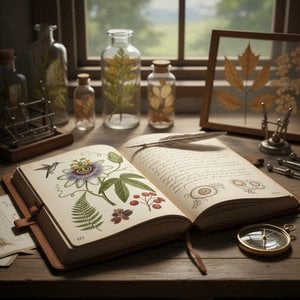
Titian Ramsay Peale II: A Legacy of Botanical Precision & Artistic Innovation
Explore the life & art of Titian Ramsay Peale II, a master of botanical precision and wildlife painting. Discover his legacy bridging art & natural history at ArtsDot.