


 Надіслати
 Поділитися
 Деталі
 Посібник

 Завантажити
 Схожі предмети колекціонування
 Слайд-шоу
 Статистика переглядів
Three Forms
 Stone
Stone- Sculpture
- Abstraction-Création
 Modern
 53.0 x 34.0 cm
 Тейт Брітан
 Читати далі
Мистецький твір, представлений на цій сторінці, захищений законом про авторське право, що унеможливлює легальне створення або продаж його ідентичної репродукції. Цей захист забезпечується відповідно до міжнародних угод, таких як Бернська конвенція та національним законодавством, зокрема положеннями, що викладені в Законодавство США про авторське право — Розділ 17. Всі права захищені. Будь-яке використання без дозволу заборонено.
Цей метод повністю відповідає нормам авторського права, оскільки він не передбачає копіювання чи дублювання захищеного твору мистецтва. Натомість це творче переосмислення — створення нового малюнка під впливом оригіналу, який не є його точним відтворенням.
Гікле / Художній принт
Музейна якість друку جيкле або на полотні з оперативним виготовленням та різноманітними варіантами фінішної обробки. ( Купити картину ручної роботи Перейти до цифрових зображень)




































Обирайте з наших стандартних розмірів, що відповідають оригінальним пропорціям твору мистецтва.

Введіть необхідну ширину та висоту, щоб принт ідеально підійшов до вашої рами або стіни. Принт можна лише обрізати, але не можна зробити більшим за оригінал, тому при зміні пропорцій частина зображення буде втрачена. Перед друком ми надсилаємо вам цифровий макет для затвердження. Зображення на цій сторінці не відображає реальну обрізку — її можна побачити лише на макеті.
Доставка по всьому світу () за 2 тижні замість стандартних 4/5 тижнів. (21 Жовтень)

Безкоштовна експрес-доставка по всьому світу

Високоякісне лляне полотно

Повне страхове покриття доставки

Гарантія повернення митних зборів

Гарантія точного відтворення кольорів

Політика повернення протягом 100 днів (лише у разі виявлення дефектів)

Гарантія повернення 100% коштів

Знижка на оптові замовлення
 Скляний варіант доступний лише для розмірів до 110 см

Three Forms
Гікле / Художній принт
Розмір репродукції
-


Загальна вартість
₴ 2779
The Essence of Form: A Study in Modernist Serenity
In the quiet, monochromatic realm of Barbara Hepworth’s Three Forms, we encounter a profound dialogue between matter and void. Captured in a striking black-and-white composition, this work serves as a masterclass in the minimalist aesthetic that defined much of the twentieth-century sculptural revolution. The photograph presents three abstract sculptures, each a testament to Hepworth's ability to breathe life into stone. Arranged with meticulous balance upon a rectangular platform, these organic shapes emerge from a deep, velvety black background, creating an atmosphere of intense focus and meditative stillness. There is no distraction here—only the pure, unadulated interplay of light and shadow that defines the very soul of modernism.
The visual journey through this piece is one of tactile discovery. As the eye wanders across the smooth, rounded contours of the sculptures, one can almost feel the polished surface of the marble or alabaster from which they were birthed. Hepworth’s technique involves a delicate dance with geometry; while the sculptures themselves possess soft, flowing lines reminiscent of weathered river stones or celestial bodies, they are anchored by the sharp, decisive edge of the platform. This juxtaposition of organic fluidity and geometric stability creates a rhythmic tension, inviting the viewer to contemplate the relationship between the natural world and human intervention.
A Legacy of Abstraction and Light
To understand Three Forms is to understand the historical weight of the Unit One movement. As a pioneer who sought to bridge the gap between Surrealism and pure Abstraction, Hepworth utilized light as a sculptural tool. In this particular rendering, the directional lighting acts as an invisible chisel, carving out bright highlights that define the sculptures' three-dimensional presence and casting deep, dramatic shadows that suggest hidden depths within the stone. This interplay of luminance does more than just illuminate; it imbues the inanimate objects with a sense of movement and breath, making the static forms feel vibrantly alive.
For the discerning collector or interior designer, this work offers an unparalleled opportunity to introduce a sense of timeless sophistication into a space. The monochromatic palette ensures that the piece remains versatile, acting as a focal point that complements both contemporary minimalist interiors and more classical, opulent settings. It is not merely a photograph of sculpture, but an evocative window into the heart of British Modernism—a piece that promises to bring a sense of structural harmony, intellectual depth, and quiet elegance to any curated collection.
Запитання та відповіді
Яку кольорову гармонію демонструє «Three Forms» Барбара Хепворд?
Колірна гармонія твору "Three Forms" визначена як Discordant Palette.
Для чого рекомендується використовувати репродукцію «Three Forms»?
Рекомендований спосіб використання «Three Forms» Барбара Хепворд — це Reflective. Також він може слугувати для інших цілей.
Чи є "Three Forms" гарною ідеєю для подарунка?
Як подарунок, «Three Forms» Барбара Хепворд чудово підійде для Corporate Gift. Також це гарний вибір для інших подій.
Схожі твори мистецтва


Біографія митця
ранні роки та освіта
дама Барбара Хепворт, видатна англійська художниця та скульпторка, народилася 10 січня 1903 року у Вейкфілді, Йоркшир. Її шлях у мистецтво розпочався з навчання у Лідській школі мистецтв з 1920 року, а згодом вона здобула окружну стипендію для навчання в Королівському коледжі мистецтв (RCA) у Лондоні, де навчалася з 1921 року і отримала диплом у 1924 році.мистецька кар'єра
- Творчість дами Барбари Хепворт є втіленням модернізму, зокрема сучасної скульптури. Вона була однією з небагатьох художниць свого часу, яка досягла справжньої міжнародної слави.
- У 1933 році вона стала співзасновницею мистецького руху Unit One разом із бенном ніколсоном, поллом نашем та іншими митцями, прагнучи об'єднати сюрреалізм та абстракцію в британському мистецтві.
- Ранні роботи Хепворт вирізнялися абстрактністю та її активною участю у паризькому мистецькому русі «Abstraction-Création».
визначні роботи та виставки
- Oval Form (Trezion), бронзова скульптура, входить до колекції Музею мистецтв Кімбелл у Форт-Ворті, США. (переглянути на ArtsDot)
- Two Forms, скульптура, експонується у музеї Hepworth Wakefield у Вейкфілді, Великобританія. (переглянути на ArtsDot)
- Totem, мармурова скульптура, також є частиною колекції Hepworth Wakefield. (переглянути на ArtsDot)
спадщина та музейні колекції
Творчість Барбари Хепворт здобула широке визнання, а її скульптури та картини стали частиною численних музейних колекцій по всьому світу. Музей Hepworth Wakefield, названий на честь художниці, зберігає безліч шедеврів відомих майстрів, включаючи власні роботи самої Хепворт. (дізнатися більше про Hepworth Wakefield на ArtsDot)висновок
Першопрохідна робота дами Барбари Хепворт в сучасній британській скульптурі залишила незгладимий слід у світі мистецтва. Її спадщина продовжує надихати як художників, так і поціновувачів прекрасного, а її твори залишаються свідченням її інноваційного духу та митцівського генія. більше про Барбару Хепворт на Wikipedia
Барбара Хепворд
1903 - 1975 , Великобританія
Довідкова інформація
- Artistic Movement Or Style: Сучасне скульптурування
- Artists Or Movements Influenced By This Artist: ['Абстракціонізм']
- Artists Who Influenced This Artist:
- Генрі Мор
- Бен Ніколсон
- Date Of Birth: 10 січня 1903
- Date Of Death: 20 травня 1975
- Full Name: Jocelyn Barbara Hepworth
- Nationality: Англійська
- Notable Artworks:
- Овал форми
- Два форми
- Тотем
- Place Of Birth: Вестфілд, Англія
Схожі статті

Топ-10 шедеврів геометричної абстракції: мистецтво для вашого інтер'єру від ArtsDot.com
Відкрийте для себе 10 шедеврів геометричної абстракції від Кандинського, Малевича та Мондріана! Історія мистецтва, кольори та форми. Репродукції картин преміум-класу на ArtsDot.com – ідеальний декор для вашого дому.

Топ-25 шедеврів Василя Кандинського: подорож у світ абстрактного мистецтва | ArtsDot.com
Відкрийте для себе 25 найвідоміших шедеврів Василя Кандинського! Пориньте у світ абстрактного мистецтва, експресіонізму та кольорових композицій. Репродукції картин Кандинського преміум-якості на ArtsDot.com – для вашого інтер'єру з душею. Дослідіть повну колекцію онлайн!

10 легендарних бронзових скульптур, що змінили мистецтво | ArtsDot
Відкрийте 10 легендарних бронзових скульптур, що змінили хід мистецтва! Дізнайтесь історії Мікеланджело, Родена та інших геніїв. Репродукції картин преміум-класу для вашого дому – на ArtsDot.com
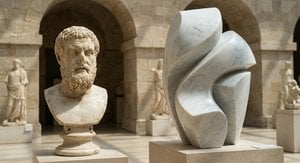
The Enduring Allure of Marble in Art History: From Classical Sculpture to Modern Abstraction
Explore the captivating history of marble sculpture from ancient Greece to modern art. Discover renowned artists like Canova & Michelangelo, carving techniques, and investment insights at ArtsDot.

Barbara Hepworth: A Sculptural Dialogue with Form, Space & the Human Condition
Explore the profound world of Barbara Hepworth's sculpture. Discover her artistic evolution, iconic forms, and lasting influence on modern art. A guide for collectors & enthusiasts.


