


 Надіслати
 Поділитися
 Деталі
 Посібник

 Завантажити
 Схожі предмети колекціонування
 Слайд-шоу
 Статистика переглядів
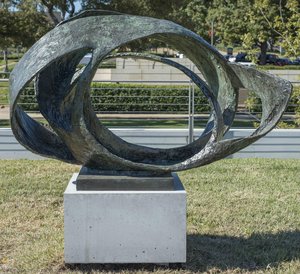
Rhythmic Form


 Читати далі
Мистецький твір, представлений на цій сторінці, захищений законом про авторське право, що унеможливлює легальне створення або продаж його ідентичної репродукції. Цей захист забезпечується відповідно до міжнародних угод, таких як Бернська конвенція та національним законодавством, зокрема положеннями, що викладені в Законодавство США про авторське право — Розділ 17. Всі права захищені. Будь-яке використання без дозволу заборонено.
Цей метод повністю відповідає нормам авторського права, оскільки він не передбачає копіювання чи дублювання захищеного твору мистецтва. Натомість це творче переосмислення — створення нового малюнка під впливом оригіналу, який не є його точним відтворенням.
Гікле / Художній принт
Музейна якість друку جيкле або на полотні з оперативним виготовленням та різноманітними варіантами фінішної обробки. ( Купити картину ручної роботи Перейти до цифрових зображень)




































Обирайте з наших стандартних розмірів, що відповідають оригінальним пропорціям твору мистецтва.

Введіть необхідну ширину та висоту, щоб принт ідеально підійшов до вашої рами або стіни. Принт можна лише обрізати, але не можна зробити більшим за оригінал, тому при зміні пропорцій частина зображення буде втрачена. Перед друком ми надсилаємо вам цифровий макет для затвердження. Зображення на цій сторінці не відображає реальну обрізку — її можна побачити лише на макеті.
Доставка по всьому світу () за 2 тижні замість стандартних 4/5 тижнів. (24 Жовтень)

Безкоштовна експрес-доставка по всьому світу

Високоякісне лляне полотно

Повне страхове покриття доставки

Гарантія повернення митних зборів

Гарантія точного відтворення кольорів

Політика повернення протягом 100 днів (лише у разі виявлення дефектів)

Гарантія повернення 100% коштів

Знижка на оптові замовлення
 Скляний варіант доступний лише для розмірів до 110 см

Rhythmic Form
Гікле / Художній принт
Розмір репродукції
-


Загальна вартість
₴ 2787
Rhythmic Form: A Dialogue Between Space and Spirit
Barbara Hepworth’s “Rhythmic Form,” created in 1949, stands as a testament to the profound influence of Surrealist ideas on British sculpture during World War II. More than just an aesthetically pleasing object, it embodies Hepworth's unwavering belief that sculpture could translate thought into tangible form—a conviction deeply rooted in her engagement with artists like Arp and Brancusi who championed direct carving and explored the relationship between art and nature. The piece itself is a striking example of Hepworth’s signature style: monumental forms sculpted from wood, meticulously shaped to evoke movement and resonance. Its central hole isn't merely an incision; it’s a deliberate gesture that seeks to unify opposing forces—a visual metaphor for Hepworth’s exploration of duality and balance within the creative process.- Material & Technique: Crafted from Rosewood, “Rhythmic Form” utilizes a technique honed during Hepworth's formative years in Paris – a method characterized by careful consideration of material properties and an intuitive understanding of how form interacts with space. The sculptor’s hand meticulously removes wood shavings to reveal the underlying structure, resulting in a surface that is both smooth and subtly textured.
- Historical Context: Hepworth's work emerged from a period marked by significant artistic experimentation and intellectual ferment. The Unit One group—which included Nicholson, Gabo, and Nash—challenged conventional sculptural approaches, prioritizing abstraction and responding to the anxieties of wartime Britain with an embrace of geometric forms and organic shapes.
- Symbolism & Inspiration: Hepworth drew inspiration from Neolithic Menhirs – monolithic stones erected as memorials to ancient rituals – recognizing their ability to convey timelessness and spiritual significance. She likened her sculptures to these stones, emphasizing the desire for them to “furnish a means of egress for the soul,” reflecting her belief in sculpture’s capacity to transcend mere visual representation.
- Hepworth's Philosophy: Hepworth famously described sculpture as "the plastic projection of thought," highlighting its role in capturing intangible ideas and emotions. She insisted that the work should “put no pressure on anything,” signifying a rejection of didacticism and an affirmation of art’s autonomy—a stance that aligns with her broader philosophical commitment to embracing spontaneity and responding authentically to the material at hand.
- Legacy & Influence: Hepworth's pioneering approach to sculpture continues to inspire artists today, particularly those interested in exploring spatial relationships and investigating the interplay between form and gesture. Her enduring impact is evident in the work of subsequent sculptors who adopted similar techniques and pursued similar conceptual concerns—a legacy cemented by her inclusion in Tate’s collection and celebrated as a cornerstone of British Modernism.
Запитання та відповіді
Наскільки яскраво відбивають світло кольори у творі "Rhythmic Form"?
Кольори твору "Rhythmic Form" мають рівень яскравості Luminous.
У якому році було створено «Rhythmic Form» Барбара Хепворд?
Створення «Rhythmic Form» Барбара Хепворд датоване 1949 роком.
Який розмір друку "Rhythmic Form" обрати для моєї кімнати?
Для Living Room рекомендується друк «Rhythmic Form» у розмірі Large.
Схожі твори мистецтва



Біографія митця
ранні роки та освіта
дама Барбара Хепворт, видатна англійська художниця та скульпторка, народилася 10 січня 1903 року у Вейкфілді, Йоркшир. Її шлях у мистецтво розпочався з навчання у Лідській школі мистецтв з 1920 року, а згодом вона здобула окружну стипендію для навчання в Королівському коледжі мистецтв (RCA) у Лондоні, де навчалася з 1921 року і отримала диплом у 1924 році.мистецька кар'єра
- Творчість дами Барбари Хепворт є втіленням модернізму, зокрема сучасної скульптури. Вона була однією з небагатьох художниць свого часу, яка досягла справжньої міжнародної слави.
- У 1933 році вона стала співзасновницею мистецького руху Unit One разом із бенном ніколсоном, поллом نашем та іншими митцями, прагнучи об'єднати сюрреалізм та абстракцію в британському мистецтві.
- Ранні роботи Хепворт вирізнялися абстрактністю та її активною участю у паризькому мистецькому русі «Abstraction-Création».
визначні роботи та виставки
- Oval Form (Trezion), бронзова скульптура, входить до колекції Музею мистецтв Кімбелл у Форт-Ворті, США. (переглянути на ArtsDot)
- Two Forms, скульптура, експонується у музеї Hepworth Wakefield у Вейкфілді, Великобританія. (переглянути на ArtsDot)
- Totem, мармурова скульптура, також є частиною колекції Hepworth Wakefield. (переглянути на ArtsDot)
спадщина та музейні колекції
Творчість Барбари Хепворт здобула широке визнання, а її скульптури та картини стали частиною численних музейних колекцій по всьому світу. Музей Hepworth Wakefield, названий на честь художниці, зберігає безліч шедеврів відомих майстрів, включаючи власні роботи самої Хепворт. (дізнатися більше про Hepworth Wakefield на ArtsDot)висновок
Першопрохідна робота дами Барбари Хепворт в сучасній британській скульптурі залишила незгладимий слід у світі мистецтва. Її спадщина продовжує надихати як художників, так і поціновувачів прекрасного, а її твори залишаються свідченням її інноваційного духу та митцівського генія. більше про Барбару Хепворт на Wikipedia
Барбара Хепворд
1903 - 1975 , Великобританія
Довідкова інформація
- Artistic Movement Or Style: Сучасне скульптурування
- Artists Or Movements Influenced By This Artist: ['Абстракціонізм']
- Artists Who Influenced This Artist:
- Генрі Мор
- Бен Ніколсон
- Date Of Birth: 10 січня 1903
- Date Of Death: 20 травня 1975
- Full Name: Jocelyn Barbara Hepworth
- Nationality: Англійська
- Notable Artworks:
- Овал форми
- Два форми
- Тотем
- Place Of Birth: Вестфілд, Англія
Схожі статті

Топ-25 шедеврів Василя Кандинського: подорож у світ абстрактного мистецтва | ArtsDot.com
Відкрийте для себе 25 найвідоміших шедеврів Василя Кандинського! Пориньте у світ абстрактного мистецтва, експресіонізму та кольорових композицій. Репродукції картин Кандинського преміум-якості на ArtsDot.com – для вашого інтер'єру з душею. Дослідіть повну колекцію онлайн!

The Enduring Form: Exploring Themes & Techniques in Sculpture Across Historical Periods
Explore the rich history of sculpture from ancient masterpieces to contemporary innovations. Discover key techniques, influential artists & investment potential for discerning art collectors.

Топ-10 шедеврів геометричної абстракції: мистецтво для вашого інтер'єру від ArtsDot.com
Відкрийте для себе 10 шедеврів геометричної абстракції від Кандинського, Малевича та Мондріана! Історія мистецтва, кольори та форми. Репродукції картин преміум-класу на ArtsDot.com – ідеальний декор для вашого дому.

10 легендарних бронзових скульптур, що змінили мистецтво | ArtsDot
Відкрийте 10 легендарних бронзових скульптур, що змінили хід мистецтва! Дізнайтесь історії Мікеланджело, Родена та інших геніїв. Репродукції картин преміум-класу для вашого дому – на ArtsDot.com

Barbara Hepworth: A Sculptural Dialogue with Form, Space & the Human Condition
Explore the profound world of Barbara Hepworth's sculpture. Discover her artistic evolution, iconic forms, and lasting influence on modern art. A guide for collectors & enthusiasts.


