


 Önizleme yap
 Paylaş
 Paylaş
 Detayları Gör

 İndir
İndir
 Benzerlerini gör
 X-Işını
 Slayt Gösterisi
The Flight into Egypt
 Oil On Canvas
- WallArt
- Renaissance Painting
 1500
1500 73.0 x 111.0 cm
 National Gallery of Art
 Tümünü Gör
Giclée / Sanat Baskısı
Hızlı üretim ve esnek bitiş seçenekleriyle müze kalitesinde giclée veya kanvas baskı. ( El yapımı tablo satın al Görsel satın al)




P118B $10

P118H $10

P118W $10

P438Z $10

P508JH $12

P508YH $12

P805H $10

P805Z $10

P919BZ $10

P919G $10

P919XJ $10

P959ZH $10

P968JZ $12

W106C $8

W218G $10

W218JH $8

W218Y $10

W307PJ $10

W316G $10

W316PJ $8

W316Y $10

W398PJ $8

W4111J $10

W500HY $15

W500JH $15

W692G $12

W849H $8

W940BG $15

W953PJ $8




Eserin orijinal oranlarıyla uyumlu, önceden belirlenmiş boyutlarımız arasından seçim yapın.

Belirli bir çerçeveye veya alana uyması için kendi ölçülerinizi girebilirsiniz. Seçtiğiniz boyut orijinal görüntünün oranlarıyla eşleşmiyorsa, sanat eserini kırpacağız veya görüntüyü aynalanmış ya da düz dolgulu bir kenarlıkla genişleteceğiz. Üretim başlamadan önce onayınız için bir dijital taslak gönderilecektir.
Lütfen ekrandaki önizlemenin gerçek kırpma veya genişletmeyi yansıtmadığını unutmayın. Nihai kompozisyonu yalnızca taslak doğru bir şekilde gösterecektir.
Özel boyutlar mevcut olsa da, orijinal oranları korumak için önceden tanımlanmış listeden bir boyut seçmenizi öneririz.
Dünya Çapında Teslimat (); standart 4/5 hafta yerine 2 haftada. (25 Ağustos)

Dünya Çapında Ücretsiz Ekspres Kargo

Yüksek Kaliteli Keten Tuval

Tam Kapsamlı Nakliye Sigortası

Gümrük Vergisi İade Garantisi

Gerçek Renk Uyumu Garantisi

60 Günlük İade Politikası (Sadece Kusurlu Ürünler İçin)

%100 Para İade Garantisi

Toplu Alım İndirimi
 Cam seçeneği yalnızca 110 cm altındaki boyutlar için mevcuttur.

The Flight into Egypt
Giclée / Sanat Baskısı
Reproduksiyon Boyutu
-


Toplam Tutar
$ 62
Eser Açıklaması
The Flight into Egypt: A Venetian Masterpiece of Narrative and Light
Vittore Carpaccio’s “The Flight into Egypt,” painted around 1500, is more than just a biblical scene; it's a meticulously crafted tableau brimming with narrative complexity, subtle symbolism, and an extraordinary command of late-Quattrocento Venetian painting. This monumental work, measuring 73 x 111 cm, housed within the National Gallery of Art in Washington D.C., offers a captivating glimpse into the world of Renaissance Venice – a city renowned for its artistic innovation and its deep engagement with both classical tradition and emerging humanist thought.
Carpaccio’s style is immediately recognizable: a deliberate conservatism that sets him apart from the more flamboyant figures of his time, like Bellini. He eschewed the radical experimentation of the High Renaissance, instead favoring a grounded approach rooted in meticulous observation and a profound understanding of narrative structure. His work isn't about dramatic gestures or idealized beauty; it’s about conveying a story with clarity and precision. This is evident in the careful positioning of figures, the detailed rendering of clothing and landscape, and the restrained use of color – predominantly earthy tones punctuated by vibrant reds and blues that draw the eye to key elements within the composition.
The scene itself—Mary, Joseph, and the infant Jesus fleeing Bethlehem for Egypt—is a cornerstone of Christian iconography. However, Carpaccio elevates this familiar narrative through his masterful execution. He doesn’t simply depict the event; he constructs a carefully orchestrated drama. Note the deliberate arrangement of the figures – Mary is centrally positioned, radiating maternal concern as she guides her family along the dusty road. Joseph, depicted with a weary but resolute expression, leads the way, while the infant Jesus, remarkably lifelike in his depiction, appears calm and trusting. The inclusion of several other individuals—a man carrying a staff, a group of travelers—adds layers to the story, suggesting a broader community responding to the unfolding events.
The Influence of Early Netherlandish Art
A key element contributing to Carpaccio’s distinctive style is his debt to early Netherlandish painting. Like Jan van Eyck and Rogier van der Weyden, he employed a painstaking attention to detail, rendering textures with incredible realism. The folds of Mary's cloak, the rough surface of the donkey’s hide, the intricate patterns on the travelers’ garments—all are rendered with meticulous precision. This commitment to naturalism is further emphasized by Carpaccio’s use of *sfumato*, a subtle blurring technique that softens outlines and creates an atmospheric effect, particularly noticeable in the distant landscape.
Furthermore, Carpaccio's compositional choices mirror those found in Netherlandish works. The figures are arranged within a shallow space, creating a sense of immediacy and drawing the viewer into the scene. The use of perspective, though not entirely innovative for Venice at the time, is carefully considered to create depth and spatial coherence. This influence is particularly evident in the depiction of the road leading towards the horizon—a recurring motif in Netherlandish landscapes.
Symbolism and Venetian Context
Beyond its narrative function, “The Flight into Egypt” is rich in symbolic meaning. The donkey itself represents humility and service – a deliberate choice that underscores Mary’s role as a humble servant of God. The landscape—a barren, sun-baked terrain—symbolizes the hardships faced by the Holy Family during their flight. The inclusion of the staff-carrying figure has been interpreted as representing Joseph's lineage or perhaps even a divine messenger guiding them on their journey.
Painted in Venice around 1500, this work reflects the city’s burgeoning artistic and economic power. Venice was a major center for trade and cultural exchange, attracting artists from across Europe. Carpaccio’s style—a synthesis of Venetian tradition and Northern European influences—embodied this cosmopolitan spirit. The painting's acquisition by the Medici family in Florence further underscores its significance as a masterpiece of the Renaissance.
A Timeless Masterpiece: Reproduction and Beyond
“The Flight into Egypt” remains a profoundly moving work, offering viewers a glimpse into the heart of Christian faith and the artistic genius of Vittore Carpaccio. Reproductions capture much of the original’s power, allowing this iconic image to be enjoyed by a wider audience. When selecting a reproduction, consider the quality of materials and printing techniques – aiming for a faithful representation of Carpaccio's masterful use of light, color, and detail. This painting is not merely a depiction of a biblical story; it’s an invitation to contemplate themes of faith, family, and the enduring power of art.
Benzer Eserler


Sanatçı Özgeçmişi
Erken Yaşamı ve Eğitimi
Vittore Carpaccio, önde gelen bir İtalyan ressamı olarak yaklaşık 1465 yılında Venedik'te doğdu. Kariyerinin ilk adımlarını, Venedik Okulu'nün tanınmış sanatçısı Gentile Bellini'nin gözetiminde geçirdi. Bu çıraklık dönemi, Carpaccio'nun gelecekteki başarısının sağlam temelini attı.Sanat Tarzı ve Etkilenmeler
Carpaccio'nun üslubu, kendi döneminde İtalyan Rönesans resmini dönüştüren hümanist akımlardan minimal bir etki göstererek muhafazakar yapısıyla karakterize edilmiştir. Eserleri, Antonello da Messina'nın tarzından ve erken dönem Hollanda sanatından etkilenmiştir. Bu eşsiz stil karışımı, ona Venedik resmine özgü bir yaklaşım kazandırmıştır.Öne Çıkan Eserler
- Azura'nın Efsanesi, dokuz panodan oluşan bir döngü olup Carpaccio'nun en ünlü eseridir. Şu anda Gallerie dell'Accademia'da sergilenen bu seri, anlatı resmindeki ustalığını gözler önüne serer.
- Azura'nın Görkemi Sunak Tablosu (1491), Carpaccio'nun ışığı ve rengi yakalama becerisini sergiler; bu beceri Giovanni Bellini'nin tarzını anımsatır.
- Rialto Köprüsü'ndeki Haç Kalıntısının Mucizesi (1494), Carpaccio'nun kompozisyon ve anlatıyı dengeleme yeteneğini vurgular.
Kariyerdeki Başarılar ve Mirası
- Carpaccio'nun başlıca eserleri 1490 ile 1519 yılları arasında yapılmış olup, onu Venedik Rönesansı'nın erken ustaları arasına yerleştirir.
- Aziz George'un Selenitlere Vaftizi'nde görüldüğü gibi oryantalist tarzı, Levant'a karşı yeni bir hayranlığı yansıtır.
- Carpaccio'nun eserleri, çağdaşları olan Giovanni Bellini veya Giorgione gibi isimlerle karşılaştırıldığında bir nebze göz ardı edilmiştir.
Kaynaklar ve Daha Fazla Okuma
Vittore Carpaccio ve Venedik Okulu hakkında daha fazlasını ArtsDot'da keşfedin.
Vittore Carpaccio
1465 - 1526 , İtalya
Kısa Bilgiler
- Artistic Movement Or Style: Erken Venedik Rönesansı
- Artists Or Movements Influenced By This Artist: ['Erken Hollanda Resmi']
- Artists Who Influenced This Artist:
- Antonello da Messina
- Gentile Bellini
- Date Of Birth: Venedik, İtalya (yaklaşık 1465)
- Date Of Death: 1526
- Full Name: Vittore Carpaccio
- Nationality: İtalyan
- Notable Artworks:
- Aziz Ursula Efsanesi
- Aziz Ursula'nın Görkemi Sunak Tablosu
- Rialto Köprüsü'ndeki Haç Kalıntısının Mucizesi
- Place Of Birth: Venedik
İlgili Makaleler
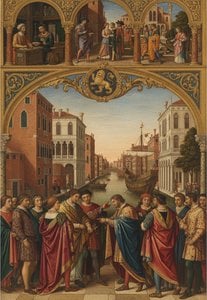
Vittore Carpaccio: Venetian Renaissance Narrative & the Poetics of Detail
Explore the captivating world of Vittore Carpaccio, a master storyteller of the Venetian Renaissance. Discover his intricate details, narrative cycles like 'The Legend of St. Ursula,' and unique artistic style.

Jacob Henricus Maris: A Master of Dutch Atmospheric Realism & the Intimate Landscape
Explore the captivating world of Jacob Henricus Maris, a leading figure of the Dutch Hague School. Discover his atmospheric landscapes, signature brushstrokes & lasting influence on 19th-century art. Learn more at ArtsDot.

Giotto di Bondone'nin En İyi 25 Eseri: Rönesansın Doğuşuna Bir Bakış | ArtsDot
Giotto di Bondone'nin en iyi 25 eserini keşfedin! Rönesans sanatının öncüsü Giotto’nun hayatı, freskleri ve ikonik tablolarıyla dolu bir yolculuk. Ev dekorasyonunuz için yüksek kaliteli sanat baskıları ArtsDot'ta. Şimdi koleksiyonu keşfedin!

Mario Sironi: A Poetic of Modern Italian Identity Through Symbolism & Social Commentary
Explore the profound works of Mario Sironi, a key figure in Italian Modernism. Discover his evolution from Futurism to Metaphysical painting and his powerful social commentary. Learn about his legacy at ArtsDot.
Cosmè Tura: Rediscovering the Ferrarese Master & His Distinctive Style
Discover Cosmè Tura (1430-1495), founder of the Ferrara School. Explore his unique style, key artworks & lasting influence. Expert insights for collectors.


