

 Gerçek Boyutta Önizle
 Paylaş
 Paylaş
 Detayları Gör
 Rehber

 İndir
İndir
 Benzer ürünler
 X-Işını
 Slayt Gösterisi
 Soru & Cevap
 İstatistikler
Genre Scene

- 22.0 x 35.0 cm


 Tümünü Gör
Giclée / Sanat Baskısı
Hızlı üretim ve esnek bitiş seçenekleriyle müze kalitesinde giclée veya kanvas baskı. ( El Yapımı Tablo Satın Al Dijital Görsele Geç)




P118B ₺10

P118H ₺10

P118W ₺10

P438Z ₺10

P508JH ₺12

P508YH ₺12

P805H ₺10

P805Z ₺10

P919BZ ₺10

P919G ₺10

P919XJ ₺10

P959ZH ₺10

P968JZ ₺12

W106C ₺8

W218G ₺10

W218JH ₺8

W218Y ₺10

W307PJ ₺10

W316G ₺10

W316PJ ₺8

W316Y ₺10

W398PJ ₺8

W4111J ₺10

W500HY ₺15

W500JH ₺15

W692G ₺12

W849H ₺8

W940BG ₺15

W953PJ ₺8




Eserin orijinal oranlarıyla uyumlu, önceden belirlenmiş boyutlarımız arasından seçim yapın.

Çerçevenize veya duvarınıza uygun olması için ihtiyacınız olan genişlik ve yüksekliği yazın. Bir baskı yalnızca kesilebilir, görselden daha büyük hale getirilemez; bu nedenle farklı bir formdaki boyut seçimi, görselin bir kısmının kaybına neden olur. Herhangi bir baskı yapmadan önce onaylamanız için size bir dijital taslak gönderiyoruz. Bu sayfada gösterilen resim gerçek kesimi göstermez — bunu yalnızca taslak gösterir.
Dünya Çapında Teslimat (); standart 4/5 hafta yerine 2 haftada. (8 Kasım)

Dünya Çapında Ücretsiz Ekspres Kargo

Yüksek Kaliteli Keten Kanvas

Tam Nakliye Sigortası

Gümrük Vergisi İadesi Garantisi

Gerçek Renk Uyumu Garantisi

100 Günlük İade Politikası (Sadece Kusurlu Ürünler İçin)

%100 Para İade Garantisi

Toplu Alım İndirimi
 Cam seçeneği yalnızca 110 cm altındaki boyutlar için mevcuttur.

Genre Scene
Giclée / Sanat Baskısı
Reproduksiyon Boyutu
-


Toplam Tutar
₺ 3107
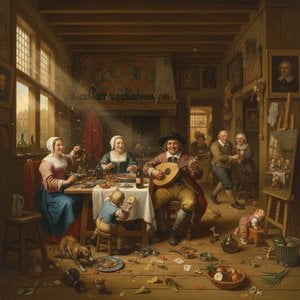
A Window into Seventeenth-Century Life: Jan Miel’s “Genre Scene”
Jan Miel's "Genre Scene," painted circa 1650s, is more than just a depiction of rural life; it’s a meticulously crafted portal into the heart of early modern Europe. This oil on copper painting, measuring a modest 22 x 35 cm, offers a remarkably intimate glimpse into the daily rhythms and social interactions of a Flemish village during the mid-17th century. Far from being merely a snapshot, Miel’s work is imbued with a subtle narrative complexity that invites contemplation long after the initial viewing.
The scene unfolds within a sun-drenched landscape – rolling hills punctuated by scattered trees and a subtly clouded sky – establishing an immediate sense of tranquility. At the forefront, three figures engage in seemingly simple activities: a man, likely a farmer or shepherd, directs his attention towards the viewer with a gesture suggesting both authority and perhaps a touch of wry amusement; a second figure, clad in brown, tends to a donkey, its open mouth hinting at either feeding or playful interaction; and finally, a woman in a vibrant yellow dress interacts with a goat, her posture conveying warmth and connection. These figures aren’t presented as grand heroes or historical figures; they are ordinary people, caught in the everyday tapestry of rural existence.
The Baroque Influence: Earth Tones and Dramatic Light
Miel's masterful technique firmly anchors this scene within the Baroque style, a period characterized by its dramatic use of light and shadow, rich textures, and an emphasis on realism. The palette is dominated by earthy tones – ochres, browns, greens – creating a sense of groundedness and naturalism. The artist’s skillful manipulation of oil paint allows for subtle gradations in color and tone, imbuing the figures with volume and depth. Notice particularly how light falls across the landscape, casting long shadows that define the forms and create a palpable sense of atmosphere. The copper panel itself contributes to the painting's visual impact; its reflective surface enhances the luminosity of the colors and adds a subtle sheen to the scene.
A Glimpse into the Bamboccianti Tradition
“Genre Scene” is deeply rooted in the artistic tradition known as ‘Bamboccianti,’ which flourished in Rome during the 17th century. This movement, spearheaded by artists like Pieter van Laer, sought to depict scenes of everyday life – often featuring humble subjects engaged in their trades or leisure activities – with a keen eye for realism and social commentary. The Bamboccianti rejected the idealized portrayals favored by earlier Renaissance painters, instead focusing on the realities of urban and rural life. Miel’s work exemplifies this shift, presenting a believable and unvarnished depiction of village life, free from romantic embellishment.
Symbolism and Social Commentary
Beyond its surface realism, “Genre Scene” subtly hints at social dynamics and perhaps even moral considerations. The farmer's direct gaze towards the viewer invites engagement, suggesting a connection between the observer and the depicted scene. The interaction between the woman and the goat evokes themes of domesticity and rural labor. While seemingly simple, these details contribute to a richer understanding of the painting’s meaning. The inclusion of animals – the donkey, the goat, and the dogs – further reinforces the painting's connection to the land and its inhabitants.
A Legacy Preserved: The Hermitage Museum
Today, “Genre Scene” resides within the esteemed collection of the Hermitage Museum in St. Petersburg, Russia, a testament to Miel’s enduring artistic legacy. Its presence there speaks to the painting's significance as a pivotal work in the development of genre painting and its continued appeal to art lovers across centuries. Reproductions of this captivating artwork offer a remarkable opportunity to experience the artistry and insight of Jan Miel, transporting viewers back in time to witness a fleeting moment in the vibrant tapestry of seventeenth-century Europe.
Soru ve Cevaplar
Jan Miel imzalı "Genre Scene" hangi oda için öneriliyor?
Jan Miel imzalı "Genre Scene" eseri için Living Room önerilmektedir. Bu öneri; eserin konusu, renkleri ve hissettirdiği duyguya dayanmaktadır.
"Genre Scene" için önerilen kullanım alanı ve amacı nedir?
"Genre Scene" eseri Reflective için önerilmektedir; kullanım için en uygun alan ise bir Living Room'dur.
Orijinal Jan Miel imzalı "Genre Scene" eseri hangi teknikle ve hangi boyutlarda yapılmıştır?
Orijinal Jan Miel imzalı "Genre Scene", 22 x 35 cm ölçülerinde bir Oil On Copper çalışmasıdır. Teknik ve boyut bilgileri orijinal eseri tanımlamaktadır.
Benzer Eserler


Sanatçı Özgeçmişi
Jan Miel: Holland Gerçekçiliği ile Barok Görkem Arasında Bir Köprü
Jan Miel (1599–1663), Flaman geleneği ile İtalyan yenilikçiliğinin büyüleyici buluşmasını bünyesinde barındıran, on yedinci yüzyıl sanat manzarasının en kilit figürlerinden biri olarak durmaktadır. Doğum yeri olarak Anvers veya 's-Hertogenbosch ihtimalleri sürse de Belçika'nın Beveren kentinde dünyaya gelen Miel’in erken yaşamı, biyografik detayların azlığı nedeniyle nispeten bir gizem perdesiyle örtülüdür. Ancak bilimsel araştırmalar sonucunda ortaya çıkan tablo; stilistik evrim ve Roma ile Torino'nun canlı kültürel ortamında yerini sağlamlaştıran ortak girişimlerle damgalanmış, olağanüstü bir sanatsal yolculuğu gözler önüne sermektedir.
Sanatçının yetişme yılları, Anthony van Dyck gibi önde gelen Flaman ustaların etkilerini özümlediği temel olarak Anvers'te geçmiştir. Eğitiminin kesin kapsamı tam olarak bilinmese de, bu sürecin ona titiz bir gözlem yeteneği ve rafine bir teknik kazandırdığı kuşkusuzdur; zira bu nitelikler sonraki eserlerinin çoğuna damga vuracaktır. Klasik çizim ve portre sanatındaki bu sağlam temel, nihayetinde bölgesel sınırları aşacak olan kariyeri için gerekli olan sanatsız araç setini ona sağlamıştır.
Roma Dönüşümü ve Bamboccianti Ruhu
Miel’in 1636 civarında Roma'ya varışı, sanatsal rotasında dönüştürücü bir anın habercisi olmuştur. Ebedi Şehir'de yaşayan Hollandalı ve Flaman sanatçılardan oluşan etkili bir topluluk olan Bentvueghels grubuna hızla katılmıştır. Bu kardeşlik içinde, kendine has şaşı bakışlarını yansıtan ve sanatsal kimliğiyle özdeşleşecek olan ‘bieco’ lakabını benimsemiştir. Bu aidiyet, Pieter van Laer’ın Bamboccianti stilinden derinden etkilenen daha geniş bir sanat topluluğu içinde derin bağlar kurmasını sağlamıştır.
Bu akım, Yüksek Rönesans sanatının idealize edilmiş görkeminden kaçınarak, Roma ve çevresindeki alt sınıfların günlük yaşam sahnelerini çok daha içsel ve doğrudan bir biçimde betimlemeye odaklanmıştı. Miel bu eğilimi tüm kalbiyle benimsemiş; kentsel varoluşun ruhunu olağanüstü bir gerçekçilik ve hassasiyetle yakalayan büyüleyici tür sahneleri üretmiştir. Sanatçının eserleri genellikle şu unsurları barındırıyordu:
- Gezginler, tüccarlar ve işçilerle dolu canlı sokak sahneleri.
- Roma sokaklarının tozlu ve güneşle yıkanmış atmosferini canlandırmak için ustaca kullanılmış ışık.
- Kalabalık ve kaotik ortamlar içindeki insani duyguların ince etkileşimi.
- Kumaş, taş ve toprak dokularına gösterilen titiz dikkat.
Klasisizme ve Saray Görkemine Doğru Evrim
Kariyeri ilerledikçe, Miel’in sanatsal vizyonu önemli bir metamorfoza uğradı. Tür sahnelerinin ustası kalmaya devam etse de, Bamboccianti tarzının ham gerçekçiliğinden uzaklaşarak daha klasikleşmiş tarihsel resimlere yönelmeye başladı. Bu değişim, Barok'un saf enerjisinin düzen, asalet ve klasik alegori arzusuyla giderek dengelendiği Avrupa sanatındaki daha geniş bir eğilimi yansıtıyordu.
Bu evrim onu nihayetinde prestijli görevlere, en önemlisi de Savoy Dükü II. Charles Emanuel'in saray sanatçısı olarak hizmet etmeye kadar götürdü. Torino sarayının hizmetinde Miel’in çalışmaları daha resmi ve görkemli bir karakter kazandı. Erken dönem Roma sahnelerinin samimiyeti, yerini kraliyet hamisinin gücünü ve prestijini yansıtmak için tasarlanmış, daha büyük ölçekli ve karmaşık kompozisyonlara bıraktı. Bu dönem, Flaman köklerindeki detay ustalığının, Avrupa aristokrasisinin talep ettiği görkemli ve geniş anlatılarla buluştuğu profesyonel başarısının zirvesini temsil eder.
Jan Miel'in tarihsel önemi, bu birbirinden farklı dünyalar arasında yolunu bulabilme yeteneğinde yatar. O, bir Roma sokak çocuğunun mütevazı mücadelelerinde güzelliği, antik çağın destansı hikayelerinde ise asaleti bulabilen bir sanatçıydı. Kuzeyin titiz gerçekçiliği ile Güneyin dramatik klasisizmi arasında bir köprü kurarak, Miel on yedinci yüzyıl sanat kanonunda silinmez bir iz bırakmış ve Barok döneminin gerçek bir kozmopoliti olarak mirasını güvence altına almıştır.

Jan Miel
1599 - 1663 , Belçika
Kısa Bilgiler
- Artistic Movement Or Style: Bamboccianti, Klasikleşen
- Artists Or Movements Influenced By This Artist: ['Pieter van Laer']
- Artists Who Influenced This Artist: ['Anthony van Dyck']
- Date Of Birth: 1599 Beveren Belçika
- Date Of Death: 1663
- Full Name: Jan Miel
- Nationality: Flaman
- Notable Artworks:
- İki Koç Arasındaki Savaşın Manzarası
- Köylülerin Kumar Oynadığı Roma Kireç Ocağı
- Place Of Birth: Beveren Belçika
Benzer Yazılar

Jan Brueghel the Elder: A Master of Flemish Landscape & Allegory – Exploring Innovation & Influence
Explore the captivating world of Jan Brueghel the Elder, a Flemish Baroque master renowned for his stunning landscapes & allegorical paintings. Discover his collaborations with Rubens and lasting artistic legacy.

Jacob Jordaens: Baroque Dynamism & Genre Innovation of the Antwerp School
Discover Jacob Jordaens, a leading Flemish Baroque painter renowned for his dynamic compositions & realistic genre scenes. Explore his life, art, and lasting influence with ArtsDot.

Barok Draması: Çağdaş İç Mekanlara Görkem ve Duygu Katmak
Barok sanatının görkemini evinize taşıyın! ArtsDot'ta el yapımı tablolar, uzman sanat danışmanlığı ve özel siparişlerle iç mekanlarınıza zarafet katıyoruz. Chiaroscuro tekniğiyle hayat bulan eserlerimizi keşfedin.

The Visceral Stage: Exploring Dramatic Narratives & Emotional Intensity in Baroque Art
Explore the dramatic world of Baroque art! Discover iconic masters like Caravaggio & Rembrandt, their techniques, and the movement's lasting impact. Expert insights for collectors & enthusiasts at ArtsDot.
Jan Steen: A Master of Dutch Genre Painting & the Golden Age
Explore the life & art of Jan Steen, a leading Dutch Golden Age painter renowned for his humorous genre scenes & insightful social commentary. Discover his techniques, legacy, and collecting tips.