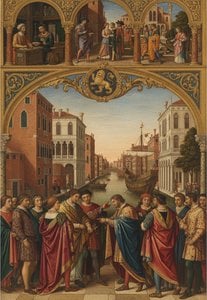
Çok Yönlü Bir Virtüöz: Pietro Della Vecchia'nın Hayatı ve Mirası
On yedinci yüzyıl Venedik'inin o canlı ve sularla çevrili dünyasında, sanatsal taklitçilik ve teknik ustalık ruhunu Pietro Della Vecchia kadar somutlaştıran çok az figür vardır. Olağanüstü bir genişliğe sahip olan bu ressamın kariyeri, tek bir katı üslup ile değil, kendisinden önce gelen ustaların ruhuna nüfuz edebilme konusundaki derin yeteneğiyle tanımlanmıştır. İster vakur altarlar, ister samimi portreler ya da tuhaf tür sahneleri yaratsın, della Vecchia, Yüksek Rönesans'ın görkemini Barok dönemin dramatik gerilimiyle harmanlayarak sanat dünyasında bir bukalemun çevikliğiyle hareket etmiştir.
Sanatçının erken yaşamı, biçimlendirici yıllarına dair belgelerin çoğu akademik tartışmalara konu olduğu için belirli bir tarihsel sis perdesi altında kalmıştır. Muhtemelen 1602 civarında, Vicenza veya Venedik'te doğan sanatçı, prestijli Venedik ressamlar loncasında zaten yer edinmiş olan Gasparo'nun oğluydu. Bazı tarihçiler bir zamanlar onu hatalı bir şekilde Pietro Muttoni ismiyle ilişkilendirmiş olsalar da —ki bu durum erken dönem biyografik hatalardan kaynaklanan bir karışıklıktı— modern çalışmalar onun gerçek kimliğinin, tanınmış Venedikli dalla Vecchia ailesinin bir ferdi olduğunu ortaya çıkarmıştır. Erken dönem eğitimi büyüleyici bir bilmecedir; Il Padovanino olarak bilinen Alessandro Varotari uzun süre akıl hocası olarak gösterilse de, üslup kanıtları della Vecchia'nın gerçek temellerinin Carlo Saraceni ve Jean Leclerc'in etkisi altında atıldığını göstermektedir. Caravaggio geleneğine olan bu bağlılık, erken dönem eserlerine ışık ve gölgenin çarpıcı kullanımını aşılamış; bu durum, daha sonra Venedik duyarlılıklarıyla uyum sağlayacak olan Roma üslubunun bir alameti farikası haline gelmiştir.
Pastiche ve Taklit Sanatının Ustası
Pietro Della Vecchia'yı İtalyan sanat tarihinin sayfalarında gerçekten farklı kılan şey, on altıncı yüzyıl ustalarının üsluplarını kasıtlı olarak taklit eden eserler yaratma yeteneği olan pasticcio konusundaki meşhur yeteneğidir. O sadece kopyalamıyor; Titian'ın fırça darbelerini ve büyük Rönesans devlerinin kompozisyonlarını yeniden hayal ederek onların estetik dillerine yeni bir hayat üflüyordu. Geçmişe bakma tutkusu o kadar derindi ki, bazı sonraki tarihçiler d'ella Vecchia ifadesinin —yani "eskiden gelen"— gerçek aile isminden ziyade, antikiteye olan bağlılığını yansıtan bir takma ad olduğuna yanlışlıkla inanmışlardır.
Sanatçının repertuvarı, tuvalin çok ötesine uzanan bir beceri setini sergileyerek son derece çeşitliydi:
- Altarlar: Venedik kiliselerinin kutsal alanlarına hükmetmek için tasarlanmış büyük ölçekli dini eserler.
- Portreler: Konularının psikolojik derinliğini ve sosyal statüsünü yakalayan karakter çalışmaları.
- Tür Sahneleri: Genellikle tiyatral bir duygu veya mizahla harmanlanmış, günlük yaşamın etkileyici tasvirleri.
- Groteskler: Biçimin tuhaf sınırlarıyla oynayan karmaşık ve hayal gücü yüksek tasarımlar.
- Mozaikler: Mozaiklerin kalıcı ve parıldayan ortamı için hazırlanan ayrıntılı taslaklar.
Yaratıcı üretiminin ötesinde, della Vecchia derin bir teknik bilgiye sahip bir adamdı. Sanat restoratörü ve aranan bir uzman olarak görev yapmış; değerleme yapmak ve başkalarının eserlerini otantik kılmak için gereken seçici göze sahip olmuştur. Hem yaratıcı hem de koruyucu kimliğiyle bu ikili yapısı, boya ve pigmentin fiziksel maddesiyle olan derin bağını göstermekte, geçmişin dokularını inanılmaz bir hassasiyetle yeniden üretmesine olanak tanımaktadır.
Tarihsel Önem ve Kalıcı İz
Pietro Della Vecchia'nın tarihsel önemi, dönemler arasında bir köprü görevi görmesinde yatar. Barok'un aşırı hareket ve dramaya doğru evrildiği bir çağda, o bir önceki yüzyılın klasik zarafetiyle hayati bir bağ sürdürmüştür. Caravaggio'nun karanlık ışık oyunlarından (tenebrism) Venedik okulunun görkemine kadar değişen beğeni akıntılarını yönetebilme yeteneği, onu on yedinci yüzyıl İtalyan sanatının akışkanlığını anlamada kilit bir figür haline getirir.
Hayatı 1678 yılında sona ermiş ve geride görsel güzelliği kadar akademik merak uyandıran bir miras bırakmış olsa da, etkisi sürmektedir. Sanatın her zaman yeniye doğru doğrusal bir ilerleme olmadığını, aksen genellikle eskiyle kurulan sürekli ve güzel bir diyalog olduğunu bize hatırlatır. Pastiche'leri ve portreleri aracılığıyla della Vecchia, Rönesans'ın parlaklığının Barok'un kalbinde parlamaya devam etmesini sağlayarak, Venedik'in estetik mirasını gelecek nesillere taşımıştır.
Soru ve Cevaplar
Pietro Della Vecchia’in kariyeri hangi dönemlere ayrılıyor?
Pietro Della Vecchia'in kariyeri, sanatçının Sanat Yolculuğu sayfasında dönemlere ayrılmış bir zaman çizelgesi olarak sunulmaktadır: eserlerin kariyer dönemlerine göre gruplandırıldığı yatay bir kronoloji.
Pietro Della Vecchia adlı sanatçının eserlerine renk paletine göre göz atabilir miyim?
Pietro Della Vecchia tarafından üretilen eserleri belirli bir renk paletinde bulmak için sanatçının Renk Paletlerine Göre sayfasını kullanabilirsiniz.
Pietro Della Vecchia tarafından üretilen tüm eserleri nasıl görebilirim?
bu web sitesi üzerindeki Pietro Della Vecchia imzalı tüm eserlere sanatçının Tüm Sanat Eserleri sayfasından göz atabilirsiniz.