


 Önizleme yap
 Paylaş
 Paylaş
 Detayları Gör

 İndir
İndir
 Benzerlerini gör
 X-Işını
 Slayt Gösterisi
Metaphysical muse


 Tümünü Gör
Giclée / Sanat Baskısı
Hızlı üretim ve esnek bitiş seçenekleriyle müze kalitesinde giclée veya kanvas baskı. ( El yapımı tablo satın al Görsel satın al)




P118B $10

P118H $10

P118W $10

P438Z $10

P508JH $12

P508YH $12

P805H $10

P805Z $10

P919BZ $10

P919G $10

P919XJ $10

P959ZH $10

P968JZ $12

W106C $8

W218G $10

W218JH $8

W218Y $10

W307PJ $10

W316G $10

W316PJ $8

W316Y $10

W398PJ $8

W4111J $10

W500HY $15

W500JH $15

W692G $12

W849H $8

W940BG $15

W953PJ $8




Eserin orijinal oranlarıyla uyumlu, önceden belirlenmiş boyutlarımız arasından seçim yapın.

Belirli bir çerçeveye veya alana uyması için kendi ölçülerinizi girebilirsiniz. Seçtiğiniz boyut orijinal görüntünün oranlarıyla eşleşmiyorsa, sanat eserini kırpacağız veya görüntüyü aynalanmış ya da düz dolgulu bir kenarlıkla genişleteceğiz. Üretim başlamadan önce onayınız için bir dijital taslak gönderilecektir.
Lütfen ekrandaki önizlemenin gerçek kırpma veya genişletmeyi yansıtmadığını unutmayın. Nihai kompozisyonu yalnızca taslak doğru bir şekilde gösterecektir.
Özel boyutlar mevcut olsa da, orijinal oranları korumak için önceden tanımlanmış listeden bir boyut seçmenizi öneririz.
Dünya Çapında Teslimat (); standart 4/5 hafta yerine 2 haftada. (17 Ağustos)

Dünya Çapında Ücretsiz Ekspres Kargo

Yüksek Kaliteli Keten Tuval

Tam Kapsamlı Nakliye Sigortası

Gümrük Vergisi İade Garantisi

Gerçek Renk Uyumu Garantisi

60 Günlük İade Politikası (Sadece Kusurlu Ürünler İçin)

%100 Para İade Garantisi

Toplu Alım İndirimi
 Cam seçeneği yalnızca 110 cm altındaki boyutlar için mevcuttur.

Metaphysical muse
Giclée / Sanat Baskısı
Reproduksiyon Boyutu
-


Toplam Tutar
$ 62
Eser Açıklaması
A Portrait of Disquiet: De Chirico’s “Metaphysical Muse”
Giorgio de Chirico's "Metaphysical Muse" is not merely a depiction of a woman in a helmet; it’s an immersion into the unsettling logic of the subconscious. Painted around 1917, during his most intensely productive and influential period, this work exemplifies the core tenets of the Metaphysical School – a movement that sought to evoke a sense of dreamlike disorientation through meticulously constructed scenes imbued with symbolic weight. The painting immediately confronts the viewer with an arresting image: a woman’s head, partially obscured by a bizarre, almost alien helmet, dominates the composition. This isn't a portrait in the traditional sense; it’s a carefully orchestrated tableau designed to provoke contemplation and unease.
- The Helmet’s Significance: The helmet itself is arguably the most potent symbol within the piece. Its intricate design – reminiscent of ancient military armor yet undeniably strange – suggests protection, but also confinement and detachment. It could represent a shield against the harsh realities of modern life, or perhaps a barrier erected to guard a vulnerable psyche.
- Architectural Context: The backdrop, featuring a classical building, is crucial to understanding de Chirico’s intent. These architectural elements, often rendered with an unsettling stillness and a sense of isolation, are borrowed from the past – specifically Roman antiquity – but presented in a way that feels utterly detached from time. This juxtaposition creates a profound sense of displacement and timelessness.
- The Smaller Figures: The two smaller figures flanking the central subject further contribute to the painting’s unsettling atmosphere. Their diminished scale emphasizes the woman's dominance, while their presence hints at an audience, or perhaps witnesses to her private torment.
De Chirico and the Metaphysical School
To fully appreciate “Metaphysical Muse,” one must understand the context of de Chirico’s artistic development within the broader movement he spearheaded. Emerging in early 20th-century Italy, the Metaphysical School rejected the Impressionistic focus on fleeting moments and instead sought to capture a deeper, more fundamental reality – one that existed beyond the realm of sensory experience. Influenced by philosophers like Nietzsche and Schopenhauer, de Chirico explored themes of alienation, illusion, and the subjective nature of perception. His work deliberately manipulates perspective, scale, and composition to create an atmosphere of psychological tension and ambiguity. The use of sharp lines, stark contrasts, and unsettling juxtapositions are hallmarks of this style.
- Böcklin’s Influence: De Chirico's early work was profoundly affected by Arnold Böcklin’s symbolic landscapes, particularly “Isle of the Dead.” The mood of melancholy and mystery found in Böcklin’s paintings resonated deeply with de Chirico’s own artistic concerns.
- Munich’s Intellectual Climate: De Chirico's time studying in Munich exposed him to a vibrant intellectual scene, fostering his interest in philosophical ideas that would later inform his art.
Technique and Materiality
De Chirico employed a meticulous technique characterized by precise draftsmanship and a deliberate attention to detail. The painting is executed with oil paints on canvas, utilizing layering and glazing to achieve a remarkable sense of depth and luminosity. Note the careful rendering of the metallic surfaces of the helmet – reflecting light in a way that suggests both hardness and vulnerability. The muted color palette—dominated by browns, grays, and ochres—contributes significantly to the painting’s somber mood. This restrained use of color allows the viewer's eye to focus on the formal elements of composition and the unsettling symbolism within.
Emotional Impact and Legacy
"Metaphysical Muse" continues to captivate viewers with its haunting beauty and profound psychological depth. It is a work that invites introspection, prompting questions about identity, perception, and the nature of reality itself. De Chirico’s ability to evoke such powerful emotions through seemingly simple imagery is a testament to his artistic genius. This painting represents a pivotal moment in 20th-century art, influencing Surrealist artists like René Magritte and Salvador Dalí. A hand-painted reproduction offers an unparalleled opportunity to experience the full impact of this iconic work.
Benzer Eserler


Sanatçı Özgeçmişi
Zihnin Rüya Manzarası: Giorgio de Chirico'nun Yaşamı ve Sanatı
1888 yılında Yunanistan'ın Volos kentinde, Cenevizli bir anne ve Sicilyalı bir babanın oğlu olarak dünyaya gelen Giorgio de Chirico’nun sanatsal yolculuğu, hem klasik bir mirasın hem de yükselen bir modern yabancılaşma duygusunun izlerini taşıyordu. Atina Politeknik'teki ilk eğitimi geleneksel teknikler konusunda sağlam bir temel oluşturdu, ancak yaratıcı ruhunu asıl ateşleyen Münih'teki sonraki çalışmaları oldu. Savaş öncesi Avrupa'nın entelektüral hareketliliği içinde, sembolik manzaraları ve tekinsiz imgeleriyle kendi gelişmekte olan estetiğiyle derin bir yankı uyandıracak olan Arnold Böcklin ve Max Klinger gibi sanatçıların eserleriyle tanıştı. Dönemin felsefi akımları da —Friedrich Nietzsche, Arthur Schopenhauer ve Otto Weininger'in varoluşçuluk, insan arzusunun mantıksızlığı ve gerçekliğin öznel doğası temalarını inceleyen yazıları— en az bu sanatçılar kadar etkileyiciydi. Bu düşünceler, de Chirico’nun çığır açan sanatsal vizyonunun merkezini oluşturacaktı.Metafizik Resmin Doğuşu
1909 civarında, de Chirico'nun keşiflerinden benzersiz bir üslup filizlenmeye başladı; bu üslubu bizzat kendisi “Metafizik” sanat olarak adlandırdı. Bu sadece üslupsal bir yenilik değil, gündelik hayatın yüzeyinin altındaki gizli gerçekleri yakalamak, tanıdık mekanların içinde pusuda bekleyen o tekinsiz şiirselliği açığştırmak için yapılmış derin bir çabaydı. Floransa ziyareti ve Piazza Santa Croce'da yaşadığı bir deneyim, ikonik ‘Metafizik Şehir Meydanı’ serisini tetikleyerek dönüm noktası oldu. Bu tablolar; ürkütücü sessizlikleri, uzun ve dramatik gölgeleri, mantık dışı perspektifleri ve yüzsüz mankenler ile yükselen heykeller gibi rahatsız edici unsurlarla yan yana getirilmiş klasik mimari varlığıyla karakterize edilir. Yarattığı etki son derece huzursuz edicidir; nostalji, izolasyon ve kaybedilmiş ya da ulaşılamaz bir şeye duyulan neredeyse dayanılmaz bir özlem duygusunu uyandırır. De Chirico, daha sonra kendi eserlerinin yorumlarından uzaklaşacak olsa da, Sürrealizm üzerinde derin bir etki bırakan Scuola Metafisica'yı kurdu. Resimleri rüyaların birer illüstrasyonu olarak değil, aksine görünür dünyanın ötesindeki bir gerçekliği —zaman ve mekanın akışkan olduğu, bilinç ile bilinçaltı arasındaki sınırların bulanıklaştığı bir alemi— tasvir etme çabasıydı. Düşünürün Sıkıntıları, Bir Sonbahar Öğleden Sonrasının Bilmecesi ve Aşk Şarkısı gibi önemli eserleri, izleyicileri varoluşun gizemlerini ve insan algısının kırılganlığını düşünmeye davet eden bu büyüleyici estetiği örnekler.Üslupta Bir Değişim ve Kalıcı Bir Miras
Birinci Dünya Savaşı'nın ardından, 1919 civarında de Chirico’nun sanatsal yolu beklenmedik bir dönüşe uğradı. Erken dönemdeki metafizik yaklaşımını reddederek, bunun yerine daha geleneksel, neoklasik veya neo-barok bir üslubu benimsedi. Bu değişim büyük tartışmalara yol açtı; birçok eleştirmen kalitedeki düşüşten yakınlık duydu ve onu erken dönem çalışmalarını tanımlayan yenilikçi ruhu terk etmekle suçladı. Ancak de Chirico, sanatsız tercihlerinde kararlı kaldı; geçmişindeki temalara geri döndü ancak onları farklı bir estetik duyarlılıkla yeniden yorumladı. Hayatı boyunca üretmeye ve sergilemeye devam etti, ustalığa ve teknik beceriye olan tutarlı bağlılığını korurken çeşitli üslup ve konuları keşfetti. Eleştirilere rağmen, sonraki sanatçı nesilleri üzerindeki etkisi yadsınamaz. Mekan, perspektif ve sembolizmin yenilikçi kullanımı, geleneksel sanatsal normlara meydan okudu ve yeni ifade biçimlerinin önünü açtı.Etkiler ve Kalıcı İzler
De Chirico’nun eseri, 19. yüzyıl sonu Sembolizm hareketi ile 20. yüzyıl başındaki Sürrealizmin yükselişi arasında kritik bir köprü görevi görür. Mitolojiye ve bilinçaltına olan hayranlığıyla örtüşen büyüleyici imgeleriyle Arnold Böcklin ve Max Klinger gibi sanatçılardan doğrudan etkilendi. Nietzsche ve Schopenhauer gibi filozoflar, ona varoluşsal kaygı, yabancılaşma ve görünüşte anlamsız bir dünyada anlam arayışı temalarını keşfetmesi için bir çerçeve sundu. Ancak de Chirico’nun etkisi Sürrealizm'in çok ötesine uzandı. René Magritte ve Salvador Dalí gibi sanatçılar, kendi rüya benzeri dünyalarını yaratmak için onun yan yana getirme, mantıksız perspektif ve sembolik imgeleme tekniklerini benimseyerek onun metafizik tablolarından derinden ilham aldılar. Çalışmaları ayrıca, gündelik gerçekliği artırılmış bir gizem duygusu ve psikolojik derinlikle tasvir etmeye çalışan Büyülü Gerçekçilik gibi daha sonraki akımları da etkiledi. Bugün de Chirico’nun tabloları, Roma'daki İspanyol Merdivenleri yakınındaki kendisine adanmış müze de dahil olmaklı dünya çapındaki önemli müzelerde sergilenmekte ve 20. yüzyıl sanatının en önemli figürlerinden biri olarak mirasının güvence altında kalmasını sağlamaktadır. Geride sadece bir sanat külliyatı değil, dünyayı gizli anlamların, tekinsiz güzelliğin ve bitmeyen gizemin olduğu bir yer olarak algılayan yeni bir bakış açısı bırakmıştır.Temel Etkiler ve Sanatsal Soy
- Etkilendiği Sanatçılar ve Düşünürler: Arnold Böcklin, Max Klinger, Friedrich Nietzsche, Arthur Schopenhauer.
- Etkilediği Akımlar: Sürrealizm, özellikle René Magritte ve Salvador Dalí gibi sanatçılar. Çalışmaları Büyülü Gerçekçilik gibi sonraki akımları da etkilemiştir.

Giorgio De Chirico
1888 - 1978 , Ελλάδα
Kısa Bilgiler
- Artistic Movement Or Style: Metafizik Sanat
- Artists Who Influenced This Artist:
- Arnold Böcklin
- Max Klinger
- Friedrich Nietzsche
- Date Of Birth: 10 Temmuz 1888
- Date Of Death: 20 Kasım 1978
- Full Name: Giorgio de Chirico
- Nationality: İtalyan
- Notable Artworks:
- The Vexations of the Thinker
- The Enigma of an Autumn Afternoon
- Place Of Birth: Volos, Yunanistan
İlgili Makaleler

Demandes Commerciales
APS ofrece reproducciones de bellas artes y encargos personalizados desde 2004. Confían en nosotros corporaciones, hoteles y coleccionistas selectos para obras de arte de calidad museística, servicio discreto y soluciones artísticas completas. ¡Póngase en contacto con nosotros para obtener un presupuesto personalizado!

Francisco Goya'nın En İyi 25 Eseri: İspanyol Ruhunun Derinlikleri Sanatta
Francisco Goya'nın en iyi 25 eserini keşfedin! İspanyol ressamının Romantizm akımındaki başyapıtları, tarihi tabloları ve portrelerinin derin anlamlarını öğrenin. Ev dekorasyonunuz için lüks sanat baskıları ArtsDot.com’da.
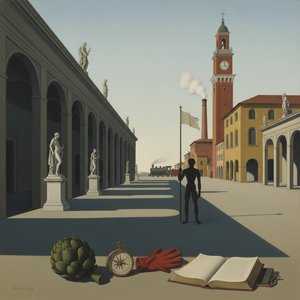
Giorgio de Chirico: Metaphysical Realities & the Poetics of Absence
Explore the captivating world of Giorgio de Chirico and his groundbreaking Metaphysical painting movement. Discover the philosophical depths & surreal imagery that influenced generations of artists. Learn more at ArtsDot.

Beyond Reality's Veil: Exploring the Enigmatic World of Metaphysical Art
Explore the captivating world of Metaphysical art with ArtsDot. Discover Giorgio de Chirico's iconic paintings, philosophical influences & lasting impact on Surrealism. Expert insights for collectors.

Giclée Prints: Archival Quality & Aesthetic Nuances for the Discerning Collector
Explore the world of giclée prints with ArtsDot. Learn about archival quality, aesthetic nuances & investment potential. Expert guidance for discerning art collectors seeking museum-quality reproductions and lasting value.



