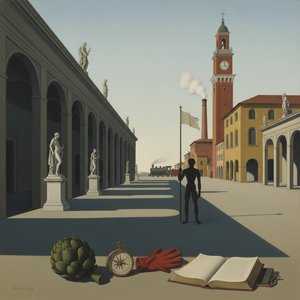
Giorgio De Chirico'nun Yaşamı
10 Temmuz 1888'de Yunanistan'ın Volos kentinde dünyaya gelen Giuseppe Maria Alberto Giorgio de Chirico, hareketlilik ve farklı kökenlerin şekillendirdiği bir dünyaya adım attı. Babası Evaristo de Chirico, ailenin sık sık yer değiştirmesini gerektiren bir meslek olan mühendislik yapıyordu. Annesi Gemma Cervetto ise İzmir kökenli, Cenevizli bir baronesti. Bu kimliklerin harmanı, Giorgio De Chirico'nun Yunanistan doğumlu bir İtalyan olarak büyümesi anlamına geliyordu; bu ayrım, bir sanatçı ve yazar olarak yaşamı boyunca ona eşlik edecek olan temel bir özellikti.
Aile içindeki dinamik, entelektüel ve yaratıcı bir enerjiyle doluydu. Kardeşi Andrea Francesco Alberto, zamanla edebiyat ve müzik dünyasında kendi yolunu bulacak ve Alberto Savinio takma adını benimseyecekti. Ailenin yaşamı babasının mesleki sorumluluklarından etkilenmiş olsa da, Giorgio De Chirico'nun kendi yolunun temelleri, doğduğu yerin klasik atmosferi içinde, Akdeniz'in kalbinde atılıyordu.
Erken Yaşam, Aile ve Eğitim
1888 yılında Yunanistan'ın Volos kentinde dünyaya gelen Giorgio De Chirico, hareketlilik ve farklı kökenlerle şekillenmiş bir ailenin içinde büyüdü. Babası Evaristo Sicilyalı bir mühendisti; annesi Gemma ise İzmir kökenli, Cenovalı bir kadındı. Bu kimliklerin harmanı, çocukluk yıllarının farklı kültürlerin buluştuğu bir ev ortamında geçmesi anlamına geliyordu. Aile, babasının 1905'teki vefatının ardından nihayet Almanya'ya taşındı; bu geçiş, sanatçının dünyaya bakış açısını ileride derinden etkileyecek bir dönüm noktası olacaktı.
Resmi eğitimi doğduğu topraklarda başladı. 1900'lerin başında veya 1903 civarında Atina Politeknik'te desen ve resim eğitimi almaya başladı. Bu ilk dersler, ona geleneksel teknikler konusunda sağlam bir temel kazandırırken, hassas bir temsil için gereken disiplini de öğretti. Sanatsal ifadesini ilk kez bu dönemde dışa vurmaya başladı; yaratıcı yaşamının başlangıcını simgeleyen basit bir limon natürmortu çalışması, onun sanat yolculığının ilk adımı oldu.
Daha derin bir eğitim arayışı, onu sonunda Münih Güzel Sanatlar Akademisi'ne sürükledi. Bu yeni çevrede Gabriel von Hackl ve Carl von Marr gibi isimlerin yanında eğitim gördü. Münih'in akademik disiplini, savaş öncesi Avrupa'nın entelektüel atmosferiyle birleşerek, sanatçının daha sonra çok daha karmaşık ve tekinsiz konuları keşfetmek için kullanacağı teknik becerilerin şekillenmesine yardımcı oldu.
Münih'teki Biçimlenme Yılları
1906 yılında babasını kaybetmesi, ailenin yaşam seyri üzerinde derin bir kırılma yaratarak onları Almanya'ya taşınmaya sürükledi. Münih'te genç sanatçı, çevresinin iç dünyasını şekillendirmeye başladığı Güzel Sanatlar Akademisi'ne adım attı. Zamanının büyük bir kısmını Arnold Böcklin ve Max Klinger'ın o ağır ve sembolik imgelerini özümseyerek geçirdi. Bu sanatçılar, nesnelerin basit temsilinden uzaklaşarak bilinçaltıyla derin bir bağ kuran, dünyaya bakışta çok daha gizemli bir kapı aralıyorlardı.
Onun çalışmaları tuvalin sınırlarıyla sınırlı kalmadı; Friedrich Nietzsche, Arthur Schopenhauer ve Otto Weininger'in eserlerini okuyarak saatlerini bu düşünürlere adadı. İnsan arzusunun mantıksızlığı ve gerçekliğin öznel doğası üzerine geliştirdikleri fikirler, Giorgio De Chirico'nun zihninde yer etti ve görsel keşiflerine felsefi bir ağırlık kazandırdı. Bu dönem, bu düşünürlerin etkisiyle resmettiği dünyanın sınırlarının genişlemeye başladığı, yoğun bir entelektüel ve yaratıcı birikim süreciydi.
Alman eğitiminin izleri, sanatçının ilk dönem eserlerinde açıkça görülmektedir. 1909 tarihli The Dying Centaur adlı tablosu, Böcklin'in üslubunun belirgin etkilerini taşır. Eser, klasik gelenek ile yeni ve tekinsiz bir bakış açısı arasındaki gerilimde yolunu bulmaya çalışan genç bir adamı betimler. Münih'teki bu dönem, ona gelecekte basit bir meydan boşluğuna veya yalnız bir heykele baktığında çok daha derin anlamlar görmesini sağlayacak araçları ve fikirleri bahşetmiştir.
Metafizik Resmin Doğuşu
1909 civarında, Giorgio De Chirico'nun eserlerinde yeni bir görme biçimi şekillenmeye başladı; bu üslubu bizzat kendisi “Metafizik” sanat olarak adlandıracaktı. Bu, ani bir değişimden ziyade, tuhaf ve sessiz bir şeyin yavaş yavaş gün yüzüne çıkışıydı. 1910 yılında Floransa'ya taşındığında, şehrin atmosferi üzerinde derin bir iz bıraktı. Kendini Giotto'nun sadeliğine ve ilkel Toskana resminin niteliklerine kaptırmış buldu. Bu etkiler, daha önce öğrendiği ağır akademik geleneklerden uzaklaşmasına yardımcı olarak, daha yalın ve tekinsiz bir gerçekliği keşfetmesine olanak sağladı.
Bu gelişim sürecindeki en önemli anlardan biri, Piazza Santa Croce ziyareti sırasında yaşandı. Orada deneyimlediği o atmosfer ruhuna öyle bir işledi ki, nihayetinde Bir Sonbahar Öğleden Sonrasının Bilmecesi adlı eserinde tuvale döküldü. Sanatçının metafizik dönemi 1909 ile 1919 yılları arasında, dünyanın gizli ve genellikle yalnız kalmış özünü yakalamaya çalıştığı bir on yıla yayıldı. Sonunda, gündelik mekanların içindeki o derin sessizlik ve gizemle ilgilenen bir grup olarak scuola metafisica sanat hareketini kurdu.
- Bir Sonbahar Öğleden Sonrasının Bilmecesi
- Kahinin Bilmecesi
- Saatin Bilmecesi
Paris Yılları ve Sürrealist Bağlantılar
Temmuz 1911'de Giorgio De Chirico, gelişmekte olan vizyonu için merkezi bir sahne haline gelecek olan Paris'e taşındı. Dönemin entelektüel akımlarına yabancı değildi, ancak Fransız başkentinin atmosferi ona bambaşka bir enerji sundu. Bu yıllar boyunca, hayatında önemli bir figür haline gelecek olan şair Guillaume Apollinaire ile tanıştı. 1913 yılına gelindiğinde, Pablo Picasso ve Apollinaire'in dikkatini çekmesiyle, Paris sanat sahnesindeki varlığı artık görmezden gelinemez bir boyuta ulaşmıştı. Bu karşılaşmalar onu, tuval üzerine neyin resmedilebileceğine dair sınırların sürekli olarak test edildiği, dönüşen bir kültürel manzaranın tam kalbine yerleştirdi.
Sanat piyasasının karmaşık ağları arasında yolunu buldukça profesyonel itibarı da yükseldi. 1914 yılında sanat galerisi sahibi Paul Guillaume ile bir sözleşme imzalaması, avangart arasındaki yerini sağlamlaştıran bir hamle oldu. Dönemin en etkili düşünürleri ve yaratıcılarının çevresinde dolaştığı bu süreç, hızlı bir hareketlilik ve bağlantı kurma dönemiyle damgalandı. Paris'te geçirdiği zaman, sadece yeni bir şehirde konaklamak değil, aynı zamanda nihayetinde Sürrealist hareketi şekillendirecek olan fikirlerle yoğun bir etkileşim içinde olduğu bir dönemdi. O, tanıdık olana bakan ve yüzeyin altında çok daha tuhaf bir şeyler gören bir neslin parçasıydı.
Teknik ve Metafizik Üslup
Giorgio De Chirico’nun resme yaklaşımı, gündelik hayatın yüzeyinin ötesine bakarak gizli ve tekinsiz bir şiirsellik bulma çabasıydı. Metafizik eserleri genellikle zamanda asılı kalmış hissi verir; izleyiciye sessiz, yalnız bir rüyanın içine adım atmış gibi hissettiren ürkütücü bir durgunlukla karakterize edilir. Sanatçı bu etkiyi, boş mekanlar boyunca uzanan uzun ve dramatik gölgelerin bilinçli kullanımıyla, ağır ve beklenti dolu bir sessizlik duygusu yaratarak elde ederdi. Bu sahnelerdeki ışık genellikle doğal olmayan bir yapıdadır; dokunduğu nesnelerin dinginlığıyla tam olarak örtüşmeyen, tekinsiz bir parıltı yayar.
Mekanı kurgulama biçimi ise kasıtlı bir kafa karışıklığı yaratmaya yönelikti. Doğal yasalara meydan okuyan illüzyonist bir alan yaratmak için mantıksız perspektiflerden ve zorlanmış perspektiflerden yararlanırdı. Bu teknik, şehir meydanlarındaki mimarinin hem devasa hem de tuhaf bir şekilde uzak görünmesini sağlar. Gerilimi artırmak amacıyla klasik mimariyi; yükselen heykeller veya yüzsüz mankenler gibi huzursuz edici unsurlarla sık sık yan yana getirirdi. Bu figürler genellikle içi boş kabuklar gibi görünerek izolasyon duygusuna ve insanlık durumunun gizemine katkıda bulunurdu. Bu tanıdık ama bir o kadar da yabancı nesneleri yan yana getirerek, izleyiciyi nostalji duygusuna ve bilmecelerle dolu bir dünyada yalnız kalma hissine davet ederdi.
- Bir Sonbahar Öğleden Sonrasının Bilmecesi
- Aşk Şarkısı
- Kızıl Kule
- Şairin Belirsizliği
Sanatçının Başlıca Eserleri
Kariyerinin ilk yıllarında Giorgio De Chirico, itibarını tanımlayacak olan görsel dili geliştirmeye başladı. 1910 yılında, tuhaf ve açıklanamayan olana duyduğu artan ilgiyi müjdeleyen The Enigma of the Oracle eserini üretti. 1913 yılına gelindiğinde ise sanat dünyasındaki varlığı Londra'da hissedilmeye başlandı ve The Uncertainty of the Poet adlı çalışması Tate Gallery'de sergilendi. Bu erken dönem parçaları, genellikle boşlukları kullanarak sessiz bir gerilim hissi yaratan bir durgunluk duygusuna dayanıyordu.
Üslubu olgunlaştıkça, imgeler daha da tuhaf bir hal aldı. 1914 yılında, metafizik döneminin o tekinsiz atmosferini yakalayan The Song of Love tablosunu yaptı. Daha sonra, 1916 yılında, günümüzde New York'taki Metropolitan Museum of Art koleksiyonunda bulunan The Jewish Angel eserini yarattı. Hayatının bu dönemi, klasik formların modern ve yalnız bir ortamda nasıl yerinden edilmiş gibi hissettirebileceğine dair duyulan bir hayranlıkla damgalanmıştı.
1920'li yıllara gelindiğinde, konu seçimine yaklaşımı değişmeye başladı. 1922 yılında, daha klasik bir üsluba geçişini yansıtan The Prodigal Son adlı çalışmasını tamamladı. Bu tablo, İncil'den tanıdık bir temayı tuhaf ve taşlaşmış bir gerçekliğin içine yerleştirerek, oğlu temsil etmek için bir manken kullanır. Bu on yıllar boyunca ürettiği eserler, görünür dünya ile zihnin gizli düşünceleri arasındaki ilişkiyi sürekli yeniden inceleyen bir adamın portresini çizer.
Geç Dönem Üslubu ve Neoklasisizm
1919 yılına gelindiğinde, daha önceki eserlerini tanımlayan o tekinsiz ve rüya benzeri mantık yavaş yavaş geri çekilmeye başladı. Giorgio De Chirico, bir zamanlar imzası haline gelen metafizik yaklaşımdan uzaklaşarak, bunun yerine daha geleneksel bir bakış açısına yöneldi. Kompozisyonlarında farklı bir düzen arayışına girerek neoklasik ve neo-barok bir üslubu benimsedi. Bu durum, geçmişin tamamen bir reddi değil, aksine eski temaların yeni bir estetik mercekten yeniden ziyaret edilmesiydi. Bir zamanlar tuvallerinde yankılanan o hayaletimsi konulara geri döndü; ancak bu kez onları, daha yapılandırılmış ve klasik bir form anlayışına odaklanarak, farklı bir duyarlılıkla yeniden yorumladı.
Sanatsal yönündeki bu değişim, 1920'li yıllarda tüm çıplaklığıyla görünür hale geldi. Bu dönemdeki çalışmaları, gençlik yıllarının mantık dışı perspektifleri yerine, klasik geleneklerin berraklığını ve ağırlığını tercih etmeye başladı. Bu geçişin en önemli örneklerinden biri, yeni neoklasik yönelimini denemeye başladığı anı simgeleyen The Prodigal Son adlı tablosudur. Bu eserde konu, taşlaşmış figürler üzerinden yorumlanarak, sanatçının klasik olanla olan ilgisini, manken benzeri formlara duyduğu bitmek bilmeyen tutkuyla harmanlıyor.
- The Prodigal Son (1922)
Sürrealizm Üzerindeki Mirası ve Etkisi
Giorgio De Chirico’nun metafiziksel keşiflerinden yayılan dalgalar, resmettiği o sessiz ve gölgeli meydanların çok ötesine ulaştı. Eserleri, dünyaya bilinçaltının merceğinden bakmak için yeni bir yol sunarak Sürrealist hareket için hayati bir öncü görevi gördü. Gündelik hayatın mantığını soyutlayarak, başkalarının daha sonra irrasyoneli keşfetmek için benimseyeceği görsel bir dil sağladı. René Magritte ve Salvador Dalí gibi sanatçılar, beklenmedik yan yana gelişler ve çarpıtılmış perspektifler aracılığıyla gerilim yaratma yeteneğinden beslenerek, onun metafizik tablolarında derin bir ilham buldular.
Bu etki yalnızca Sürrealistler ile sınırlı kalmadı. Gerçekliği yüksek bir gizem duygusu ve psikolojik derinlikle betimleme yaklaşımı, Büyülü Gerçekçilik hareketi üzerinde de iz bıraktı. Sıradan olanın, doğru açıdan bakıldığında gizli ve tekinsiz bir ağırlık taşıyabileceğini gösterdi. Mekânı ve gölgeyi manipüle etme yeteneği, sonraki nesillerin görünür dünya ile içsel zihin arasındaki ilişkiye yaklaşımını şekillendirmeye yardımcı oldu.
Kendi üslubu ilerleyen yıllarda değişse de, sanat dünyasındaki konumu önemini daima korudu. 1974 yılında, vizyonunun modern sanatın seyri üzerindeki derin etkisinin bir nişanesi olarak Fransız Güzel Sanatlar Akademisi'ne (Académie des Beaux-Arts) seçildi. Onun mirası, kendi gerçekliğimizin o tuhaf ve sessiz köşelerini algılama biçimimizde yaşamaya devam ediyor.
Son Yılları ve Ölümü
On yıllar geçtikçe, Giorgio De Chirico'nun kişisel yaşamı önemli değişimlerden geçti. 1925 yılında Rus dansçı Raissa Gurievich ile evlendi. Bu birlikteliği, 1930 yılında Isabella Pakszwer Far ile yaptığı ikinci evliliği izledi. Hayatının bu bölümleri, Avrupa sanat sahnesinin değişken akıntıları arasında yolunu bulmaya devam ederken, farklı estetik duyarlılıklar arasında geçiş yaparak kıtanın kültürel merkezlerindeki varlığını sürdürdüğü yıllara rastlıyordu.
Hayatının son yılları İtalya'da geçti. 20 Kasım 1978'de Roma, İtalya'da hayata gözlerini yumdu. Şehirdeki varlığı, ölümünden çok sonra bile Roma'nın tarihinin bir parçası olarak kaldı. 1992 yılında naaşı Roma'daki San Francesco a Ripa kilisesine taşındı; bu, ömrünün büyük bir kısmını insan zihninin sessiz ve tuhaf boşluklarını keşfederek geçiren bu adam için nihai bir huzur noktası oldu.
Soru ve Cevaplar
Giorgio De Chirico hangi şehir ve ülkede doğmuştur?
Giorgio De Chirico, Volos, Yunanistan doğumludur.
Giorgio De Chirico adlı sanatçının eserleri hangi duyguları yansıtıyor?
Giorgio De Chirico'in eserlerini, sanat çalışmalarını hissedilen duygulara göre düzenleyen Ruh Haline Göre Sanat sayfasında ruh haline göre inceleyebilirsiniz.
Giorgio De Chirico eserlerinin kronolojik bir zaman çizelgesi var mı?
Giorgio De Chirico eserlerinin bir zaman çizelgesi mevcuttur: sanatçının Eser Kronolojisi sayfası, eserleri yapım tarihine göre sıralar.