

 Förhandsvisa
 Skicka
 Dela
Dela
 Visa detaljer
 Guide
Guide

 Ladda ner
 Liknande objekt
 Röntgen
 Bildspel
 Frågor och svar
 Statistik
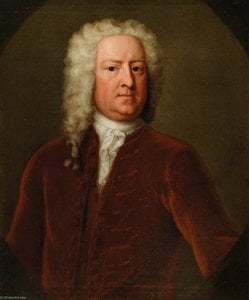
William Pitt

- 140.0 x 117.0cm


 Visa mer
Giclée / Konsttryck
Giclée- eller canvasprint av museumskvalitet med snabb produktion och flexibla ytbehandlingsalternativ. ( Beställ handmålad reproduktion Byt till digital bild)




P118B Skr10

P118H Skr10

P118W Skr10

P438Z Skr10

P508JH Skr12

P508YH Skr12

P805H Skr10

P805Z Skr10

P919BZ Skr10

P919G Skr10

P919XJ Skr10

P959ZH Skr10

P968JZ Skr12

W106C Skr8

W218G Skr10

W218JH Skr8

W218Y Skr10

W307PJ Skr10

W316G Skr10

W316PJ Skr8

W316Y Skr10

W398PJ Skr8

W4111J Skr10

W500HY Skr15

W500JH Skr15

W692G Skr12

W849H Skr8

W940BG Skr15

W953PJ Skr8




Välj bland våra förinställda storlekar som motsvarar konstverkets ursprungliga proportioner.

Ange den bredd och höjd du behöver för att passa din ram eller vägg. Ett tryck kan endast beskäras, aldrig göras större än originalbilden, vilket innebär att ett format med en annan proportion leder till att en del av bilden går förlorad. Vi skickar en digital mockup för godkännande innan vi påbörjar tryckningen. Bilden som visas på denna sida visar inte den faktiska beskärningen — det är endast mockuppen som gör det.
Leverans över hela världen () på 2 veckor istället för standard 4/5 veckor. (15 november)

Fri expressfrakt över hela världen

Högkvalitativ linnecanvas

Fullständig fraktförsäkring

Garantier för återbetalning av tullavgifter

Garantier för exakt färgåtergivning

100 dagars returrätt (endast vid fel)

100% pengarna tillbaka-garanti

Mängdrabatt erbjuds
 Glasalternativet är endast tillgängligt i storlekar under 110 cm.

William Pitt
Giclée / Konsttryck
Storlek på reproduktion
-


Slutgiltigt pris
Skr 624
Identification of the Portrait of William Pitt
The gaze of William Pitt meets the viewer through this oil on canvas, a work emerging from the studio of John Hoppner. The portrait captures the statesman in a moment of heavy stillness, rendered with a sense of gravity that lingers on the surface. It is a work from circa 1805 or after, a period when the subject's presence in British politics was deeply felt. The scale of the image, measuring 55 1/2 in. x 42 1/2 in. (1410 mm x 1080 mm), gives the figure a physical weight that commands the space around it.
John Hoppner’s studio provides the hand behind this depiction, translating the likeness of the man into a study of light and shadow. The paint sits upon the canvas, building a presence that feels immediate and substantial. Every brushstroke contributes to the quiet intensity of the sitter, holding him in a permanent state of contemplation. The work exists as a direct encounter with a man who shaped the direction of a nation, frozen here in the medium of oil.
The Composition and Visual Elements
The subject emerges from a dark, indistinct background, positioned in a bust-length portrait that feels immediate and heavy with presence. He sits slightly off-center, his gaze directed toward the viewer's left, creating a sense of quiet, internal movement. Light descends from the upper left, carving out the contours of his face and neck with a soft, directional glow. This interplay of light and shadow grants the figure a palpable three-dimensional volume, pulling him forward from the atmospheric gloom behind him.
The color palette remains somber and grounded, relying on a restrained selection of earthy, muted tones. Browns, ochre, and cream dominate the scene, while subtle flesh tones define the skin. There is a tactile quality to the surface, where the texture of the canvas peeks through the layers of paint. The brushwork appears smooth and blended, particularly in the soft transitions of the background and the heavy folds of the clothing, yet it maintains enough definition to trace the sharp structure of the facial features and the weight of the coat.
The History and Provenance of the Work
The origins of this portrait trace back to a private commission by Lord Mulgrave, who sought to capture the likeness of the statesman. The artist began the work in December 1804, and the final brushstrokes were applied on the 28th of October, 1805. This specific version, identified as NPG L267, exists as a studio copy of the original portrait. While the primary work was intended for the Mulgrave family, the demand for the image grew rapidly among the subject's supporters, leading to many bespoke copies being produced by the artist's studio.
The movement of this painting through various collections reflects its enduring presence in British history. It currently resides within the collection of the Tate, though it is frequently seen on loan to the National Portrait Gallery in London. This arrangement allows the work to remain accessible to those tracing the political landscape of the era. The provenance of the piece is deeply intertwined with the social circles of the time, as the portrait's popularity ensured that many versions circulated among the elite of the Regency period.
Documented Interpretations and Historical Debates
The portrait stirs a profound tension between those who see its technical brilliance and those who recoil from its unflinching honesty. To some observers, the work represents the artist's finest achievement, a peak of his creative ability. Yet, this praise is met with sharp, visceral condemnation from those who knew the man behind the statesman. One contemporary observer famously dismissed the image as a vile picture, finding the depiction far too harsh to be a true likeness.
The debate centers on the psychological weight carried in the subject's expression. Critics have argued that the face appears anxious and diseased, as if reddened by wine and soured by the heavy burden of disappointment. There is a sense that the portrait captures a man at his breaking point, a version of the statesman that many found difficult to accept. This perceived severity led some to suggest that the likeness was almost too unflattering, questioning if such a grim portrayal should ever have been intended for a man of his standing.
While some find the work's power in its ability to strip away the veneer of political dignity, others see it as a departure from the idealized grace expected in high-society portraiture. The tension remains: is this a profound study of a man weathered by his duties, or a failure to capture the youthful spirit of a leader? The brushstrokes hold both the weight of a statesman's exhaustion and the controversy of a likeness that refuses to look away from the toll of power.
Where to See the Work Today
The portrait resides within the National Portrait Gallery in London, United Kingdom. Visitors find the subject waiting for them on the third floor, specifically positioned in Room 18. It exists as a vital part of the National Portrait Gallery collection, though its presence in the gallery is a temporary arrangement. The work is currently on loan from the Tate Gallery, which maintains its primary stewardship.
Walking through the halls of the museum, one encounters this depiction of the statesman in a space dedicated to the faces that shaped a nation. The lighting in the gallery room catches the subtle textures of the oil on canvas, allowing the viewer to observe the heavy shadows and the serious expression of the sitter. It remains a central fixture for those tracing the political history of the United Kingdom through its visual records.
Related Works by John Hoppner
The artist's hand moves through other lives and faces, capturing the essence of the Georgian era with a similar command of light. In one notable work, he presents Mrs. Jordan as Viola in 'Twelfth Night', a piece that highlights his celebrated ability to render women and children. This portrait reveals a specific skill that defined his career, much like the way he handles the textures and shadows in his other commissions. He moves between the heavy gravity of statesmen and the softer, more spirited depictions of his female sitters, always maintaining a sense of physical presence.
His reach extends into the highest circles of British society, where he finds himself painting the very figures who shape the nation. He captures the likeness of the Prince of Wales, a man whose patronage helped secure Hoppner's position among the elite. This ability to navigate the social landscape is evident in his portraits of influential men like Lord Hugh Seymour. Each sitter emerges from the dim, atmospheric backgrounds with a distinct vitality, whether they are members of the royal court or prominent figures of the military and aristocracy.
The artist's brush also finds its way to the faces of those who leave their own marks on history, such as in his portrait of Thomas Williams. Through these various subjects, a pattern of character emerges. He uses chiaroscuro to sculpt forms, pulling his subjects forward from the shadows to create a sense of depth. Whether he is working on a formal bust-length portrait or a more expansive composition, his touch remains loose and free, avoiding a rigid or overly precious finish in favor of a living, breathing likeness.
Frågor och svar
Vad förklarar upphovsrättssituationen för "William Pitt" av John Hoppner?
"William Pitt" av John Hoppner är allmän egendom – upphovsrätten har löpt ut. Upphovsrätten löper från konstnärens dödsår, vilket var 1810.
Är "William Pitt" av John Hoppner ett ljust eller mörkt konstverk?
När det gäller upplevd ljusstyrka är "William Pitt" av John Hoppner shadow.
Varifrån kommer besökarna till "William Pitt" av John Hoppner?
Sidan Besöksstatistik för "William Pitt" av John Hoppner presenterar statistik över publika besök: månatliga besök för detta konstverk, en jämförelse med konstnärens mest sedda verk samt varifrån besökarna kommer.
Liknande konstverk




Konstnärsbiografi
Tidigt liv, familj och utbildning
John Hoppner föddes i Whitechapel, London, år 1758 av tyska föräldrar. Hans mor innehade en tjänst som en av de tyska tjänsteflickorna vid det kungliga palatset, en koppling som placerade familjen i nära närhet till hovet redan från början. Denna tidiga miljö kom att forma hans livsväg, även om hans första intresseområde var musikaliskt snarare än visuellt. Som ung pojke tjänstgjorde han som kantor i den kungliga kapellet, en roll som krävde stor disciplin men som i slutändan inte kunde mäta sig med hans inneboende fallenhet för konsten.
Hans formella inträde i konstvärlden ägde rum 1775 när han antogs till Royal Academy. Han bevisade snabbt sin tekniska kompetens genom institutionellt erkännande. År 1778 tilldelades han en silvermedalj för teckning efter modell, en praktisk bekräftelse på hans skarpa observationsförmåga. Vid 1782 hade han säkrat akademins guldmedalj för historiemåleri, en bedrift som han förtjänade genom sitt arbete med King Lear. Denna tidiga framgång lade den tekniska grunden för den högklassiga porträttkonst som senare skulle komma att definiera hela hans karriär.
Genombrott och mästerverk
John Hoppner säkrade sin plats i det brittiska samhällets högsta skikt genom att med stor skicklighet fånga likheterna hos sin tids mest inflytelserika gestalter. Hans förmåga att navigera bland de mest prestigefyllda uppdragen inom högadeln ledde till att hans porträtt av prinsen av Wales, hertigen och hertiginnan av York, Lord Rodney och Lord Nelson kom att pryda de statliga salarna i St James's Palace. Dessa placeringar var långt mer än bara dekorationer; de fungerade som tydliga bevis på hans professionella status och erkännande. Även om hans historiemåleri gav honom tidiga hyllningar, var det hans skildringar av kvinnor och barn som konsekvent identifierades av kritiker som hans mest framgångsrika och särpräglade bidrag till konsten.
Hans förmåga att fånga mänsklig karaktär är kanske som tydligast i Mrs. Jordan as Viola in 'Twelfth Night', ett verk som idag förvaltas av English Heritage i London, Storbritannien. Detta verk demonstrerar den unika talang som kom att definiera hela hans karriär. Men Hoppners konstnärliga räckvidd sträckte sig bortom själva duken; han var även djupt engagerad i sin tids litterära kultur. År 1803 publicerade han A Series of Portraits of Ladies, och vid 1805 hade han släppt en samling översättningar av österländska sagor till engelsk vers. Dessa satsningar vittnar om en konstnär vars inflytande sträckte sig långt in i den intellektuella och sociala väven i det tidiga 1800-talets samhälle.
Teknik och stil
John Hoppners tekniska identitet är oskiljaktig från hans mästerliga kontroll över färgen. Han betraktades i vid mening som en sublim kolorist, som genom en sublim kontroll av pigment lyckades definiera sina motiv med en sällsynt precision. Hans penseldrag var aldrig stela eller överdrivet detaljfokuserade; snarare präglades hans teknik av en vidsträckt frihet och en expansiv lätthet. Denna konstnärliga rörlighet tillät honom att röra sig bortom ren imitation och istället besjäla sina porträtt med en specifik vitalitet, vilket skilde hans verk från den tidsperiodens mer rigida akademiska traditioner.
Skuggan av Joshua Reynolds vilar tungt över Hoppners metodik. Han var djupt influerad av Reynolds och antog ett arbetssätt som speglade den etablerade mästarens estetik. Detta inflytande är som tydligast i hur hans målningar bär på en svag reflektion av Reynolds charm, särskilt i hanteringen av ljuset och den mjuka, måleriska atmosfär som omsluter hans modeller. Han nöjde sig dock inte med att blott kopiera en stil; han anpassade dess grundläggande principer för att tjäna sina egna uttrycksfulla behov.
I praktiken resulterade detta i en stil som balanserade naturalism med en viss aristokratisk elegans. Genom att använda chiaroscuro lyckades han skulptera fram former och dra fram gestalter ur dunkla bakgrunder genom ett dramatiskt samspel mellan ljus och skugga. Denna teknik var särskilt effektiv i hans skildringar av texturer, såsom de finaste detaljerna i ett hår eller de tunga vecken i akademiska mantlar. Hans förmåga att bemästra dessa element säkerställde att hans porträtt besitter en fysisk närvaro som förblir levande och begriplig även för det moderna ögat.
Cirkel, rivaler och lärjungar
John Hoppners professionella liv präglades av en intensiv och passionerad rivalitet med Thomas Lawrence. Denna tävlan handlade inte enbart om rykte, utan var en direkt kamp om uppmärksamheten hos Londons absoluta elit. Spänningen mellan dessa två giganter blev nästan påtaglig mellan åren 1803 och 1809, då de faktiskt delade samma assistent, Samuel Lane. Denna överlappning av personal understryker hur begränsat och konkurrensutsatt porträttmarknaden var under denna period.
Hans professionella nätverk sträckte sig även till betydelsefulla samarbeten som korsade de högsta skikten av den brittiska konstvärlden. Omkring år 1788 bidrog han till ett verk av Thomas Gainsborough, då han specifikt målade bakgrunden till porträttet av Charlotte, grevinnan Talbot. Han arbetade även nära gravören Charles Wilkin för att framställa sina porträttserier. Dessa partnerskap illustrerar hur hans konstnärliga produktion vilade på ett strukturerat system av tekniska specialister för att kunna nå ut till en bredare publik.
Var man kan se hans verk idag
John Hoppners närvaro i stora internationella samlingar bekräftar hans räckvidd långt utanför de brittiska öarna. I USA förvaltar Metropolitan Museum of Art i New York två av hans verk, medan Taft Museum of Art i Cincinnati hyser ytterligare två. Dessa verk erbjuder en direkt inblick i hans förmåga att bemästra färg och form inom den högklassiga porträttkonst som präglade hans era.
I Storbritannien är hans arv utspritt över flera betydelsefulla institutioner. English Heritage i London bevarar ett av hans mest betydelsefulla verk, nämligen Mrs Jordan as Viola in 'Twelfth Night', vilket utgör ett lysande exempel på hans mästerskap inom porträttmåleriet. Även National Maritime Museum i London förvaltar en av hans målningar, vilket säkerställer att hans inflytande förblir synligt inom den brittiska sjöfartshistorien och det sociala arvet. Utöver dessa finns även ett verk bevarat i samlingen hos National Library of Wales i Aberystwyth.
- Mrs Jordan as Viola in 'Twelfth Night' (English Heritage, London)
- Lord Hugh Seymour (National Maritime Museum, London)
- Thomas Williams (Llyfrgell Genedlaethol Cymru / The National Library of Wales, Aberystwyth)

John Hoppner
1758 - 1810 , Storbritannien
Kortfakta
- Artists Who Influenced This Artist: ['Joshua Reynolds']
- Date Of Birth: 1758
- Date Of Death: 1810
- Full Name: John Hoppner
- Nationality: Brittisk
- Notable Artworks:
- Mrs Jordan som Viola i 'Twelfth Night'
- Lady Cunliffe
- Agnes Coussmaker
- The Hoppner Children
- John Wills
- Place Of Birth: Whitechapel, Storbritannien

