


Slika prati vaše izbore: , .
Biografija umetnika
Discover Thomas Sword Good (1789-1872), a British genre painter known for evocative scenes of coastal life, rural England, and everyday figures. Explore his captivating works!
 Pročitaj više
Ručno rađena uljana reprodukcija
Ručno oslikano uljanim bojama na platnu u dimenzijama i okviru po vašem izboru, izrađeno po porudžbini od strane naših umetnika. ( Pređi na štampu Pređi na digitalnu sliku)
Saznajte više o ovoj slici
 Pregledaj u prostoru
 Pošalji
 Podeli
 Detalji o delu
 Vodič
Vodič

 Preuzmi
 Slični predmeti
 Rendgenski snimak
 Automatska prezentacija
 Pitanja i odgovori
 Statistika
Naručite svoju sliku u četiri jednostavna koraka
Ne žurite. Možete promeniti bilo koji odgovor; cena u vašoj korpi se ažurira nakon svakog izbora.
1 Prvi od četiri koraka
Koju veličinu želite?
Ovi formati zadržavaju proporcije originalnog slikarskog dela. Crtež prikazuje vaš izbor na zidu, iznad dvometarske garniture.
Ili unesite sopstvene dimenzije
Izaberite jednu od naših unapred definisanih veličina koje odgovaraju originalnim proporcijama umetničkog dela.

Unesite potrebnu širinu i visinu kako bi se slika uklopila u vaš ram ili zid. Pošto je ovo ručno oslikano delo, umetnik može za dimenzije drugačijeg oblika naslikati malo više prostora oko slike ili malo skratiti ivice — izbor je na vama. Pre početka rada, poslaćemo vam digitalni prikaz radi potvrde. Slika prikazana na ovoj stranici ne predstavlja konačan rezultat — samo digitalni prikaz pokazuje stvarnu sliku.
2 Drugi od četiri koraka
Na koji način želite da bude pripremljeno: u rolni, na platnu ili u ramu?
Cene u nastavku odnose se na dimenziju koju ste izabrali u prvom koraku.
Izaberite ivice platna
Izaberite svoj okvir

Beli rub дин1

zamrljene ivice дин1

Prošireno дин1

P118B дин10

P118H дин10

P118W дин10

P438Z дин10

P508JH дин12

P508YH дин12

P805H дин10

P805Z дин10

P919BZ дин10

P919G дин10

P919XJ дин10

P959ZH дин10

P968JZ дин12

W106C дин8

W218G дин10

W218JH дин8

W218Y дин10

W307PJ дин10

W316G дин10

W316PJ дин8

W316Y дин10

W398PJ дин8

W4111J дин10

W500HY дин15

W500JH дин15

W692G дин12

W849H дин8

W940BG дин15

W953PJ дин8

H24-GOLD дин30

H24-SILVER дин30

H36-GOLD дин45

H36-SILVER дин45
Uokvireno
Profil: . Ukupna veličina sa okvirom: .
3 Treći od četiri koraka
Da li biste želeli da nešto promenite na slici?
Većina ljudi odgovara sa ne. Pošto je svaka slika ručno rađena, naš umetnik je može i prilagoditi vašim željama.
Nakon porudžbine, tim ArtsDot.com će poslati imejl klijentu radi dobijanja uputstava i dostaviti prikaz makete
4 Četvrti korak od četiri
Nekoliko opcija za završnu obradu
Sve su opcione. Odgovori koji su već izabrani ne podrazumevaju dodatni trošak.
Ko je autor?
Svetska isporuka () za 3/4 nedelje umesto uobičajenih 5 nedelja. (4 новембар). Bez kompromisa po pitanju kvaliteta.
Plakica, kao u muzeju?
Detalji gravirane bronze ploče
This elegant plaque features the artist's name and the title of the artwork, finely engraved for a timeless presentation.
It is made from bronze with a refined, elegant finish. The text is precisely laser-engraved for a sharp and permanent result. Measuring 9x2 cm, the plaque is compact yet easy to read. It's built to be durable and scratch-resistant, offering a professional, museum-quality look. Mounting is simple thanks to the included adhesive backing.
Detalji prozirne akrilne pločice
The plaque includes essential engraved details such as the artist's name, the title of the artwork, the date it was created, the type of media used-like oil on canvas or watercolor-a brief description of the piece, and a QR code that links to the complete artwork information.
It is crafted from clear acrylic, offering a sleek, modern appearance. The text is UV-engraved in black to ensure strong visual contrast. With a size of 10x15 cm, it ensures optimal readability. It comes equipped with two metal hooks for secure wall mounting. The plaque is designed to be weather-resistant, making it suitable for various environments, and it includes interactive features that work seamlessly with smartphone scanning.
Detalji crne akrilne pločice
This elegant plaque includes engraved information such as the artist's name, the title of the artwork, the date it was created, the type of media used (like oil on canvas or watercolor), a short description of the artwork, and a QR code for quick access to more information.
The plaque itself is made from refined black acrylic with a premium finish. The text is laser-engraved in white for high contrast and readability. Its size is 10x15 cm, designed to be easy to read. It comes with two metal hooks for professional mounting. The design is sleek and fits any interior style. It is also weather-resistant and durable, with built-in digital integration for mobile compatibility.
Zaštitni lak?
Kada vam je potrebno?
✓ Proverite i naručite
Vaša slika, upravo onakva kakvu ste naručili

The Expected Penny
Tehnika reprodukcije
Dimenzije reprodukcije
-

Vrhunski maestri umetnosti
Više detalja, prefinjenosti i dodatnog vremena za izradu
-

Okvir za reprodukciju
-
-
Za umetnička dela ili reprodukcije čija je bilo koja strana veća od 105 cm (približno 41 inč), okvir će biti isporučen u obliku rastavljenog seta za sklapanje. Ovaj metod osigurava bezbednu dostavu i sprečava oštećenja tokom transporta.
Potrebna je profesionalna montaža – ovo nije proizvod namenjen samostalnoj izradi.
Set mora sastaviti i platno zategnuti iskusni profesionalni ramitelj, koristeći drveni lepak (nije uključen u set), hvataljku za zatezanje platna i stege kako bi se održao prav ugao okvira dok se lepak suši. Nepravilno sklapanje ili neravnomerno zategnuto platno mogu trajno oštetiti umetničko delo, što nije pokriveno našom garancijom.
 Za umetnička dela ili reprodukcije čija je bilo koja strana veća od 105 cm (približno 41 inč), okvir će biti isporučen u obliku rastavljenog seta za sklapanje. Ovaj metod osigurava bezbednu dostavu i sprečava oštećenja tokom transporta.
Sve šipke od masivnog drveta su uključene, precizno isečene po veličini.
Montira se pomoću priloženih šrafova, uz dodatno korišćenje lepka za drvo za spojeve u uglovima, koji nije uključen u set i koji vaš čuvar okvira mora obezbediti.
Potreban je profesionalni alat koji nije uključen u set: klešta za zatezanje platna (zatezač) i stege za održavanje pravih uglova letvica tokom sušenja lepka.
Važno:
Za spojeve u uglovima neophodan je lepak za drvo, šipke se moraju pričvrstiti stezgama dok lepak potpuno ne osuši, a za zatezanje platna na sklopljenom ramu potrebne su hvataljke za zatezanje platna. Nijedan od ovih alata nije uključen u komplet. Pre naručivanja ove veličine, molimo Vas da unapred obezbedite iskusnog profesionalca za ramačenje.

Kratki opis natpisa
-
-

Zaštitni lak
Sjajni lak (pojačava intenzitet boja, štiti od svetlosti i vlage)
-

Personalizujte svoje umetničko delo
Primeri mogućnosti izmene: Zamena lica fotografijom kupca; Dodavanje ljubimca (npr. zamena mačke psom); Uključivanje skrivene poruke u pozadini; Promena pejzaža ili elemenata pozadine.
-

Hitna dostava
Svetska isporuka () za 3/4 nedelje umesto uobičajenih 5 nedelja. (4 новембар). Bez kompromisa po pitanju kvaliteta.
-
Brza dostava
Dostava širom sveta () u roku od 5 nedelja. (11 новембар).
Uključeno u cenu
Ukupna cena
дин 27448
Opcija sa staklom dostupna je samo za dimenzije manje od 110 cm
Uključeno uz svaku porudžbinu
- Besplatna ekspresna dostava širom sveta
- Visokokvalitetno laneno platno
- Potpuno osiguranje transporta
- Garancija povraćaja carine i uvoznih dažbina
- Garancija vernosti boja
- Politika povraćaja u roku od 100 dana (samo u slučaju nedostataka)
- Garancija povrata 100% novca
- Popust na više proizvoda


Srodna umetnička dela


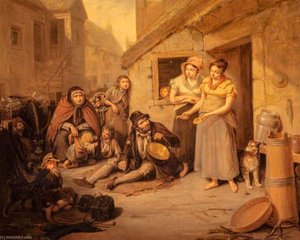


Thomas Sword Good
1789 - 1872
Biografija umetnika
Early Life and Artistic Beginnings
Thomas Sword Good, born on December 4th, 1789, in the border town of Berwick-upon-Tweed, was a painter deeply rooted in the everyday life of northern England. His beginnings were humble; he initially followed in the trade of his family, working as a house-painter. However, an innate artistic sensibility soon drew him away from purely decorative work and towards portraiture. This transition wasn’t abrupt but rather a gradual unfolding of talent, fueled by observation and a growing desire to capture the likenesses – and perhaps more importantly, the character – of those around him.
Berwick-upon-Tweed itself played a crucial role in shaping Good's artistic vision. The town’s bustling harbor, its close-knit communities of fishermen and tradespeople, and the dramatic coastal landscapes provided an inexhaustible source of inspiration. It was a world he knew intimately, and this familiarity would become a defining characteristic of his oeuvre.
From Portraiture to Genre Painting
The early 1820s marked a pivotal shift in Good’s career as he embraced genre painting – scenes depicting everyday life. Between 1820 and 1834, he regularly exhibited at London's principal art exhibitions, gaining recognition for his ability to portray the nuances of ordinary existence with remarkable sensitivity. While portraiture offered a direct engagement with individual identity, genre painting allowed Good to explore broader themes of community, labor, and social interaction.
His early works showcased a developing skill in capturing realistic detail and conveying atmosphere. Paintings like ‘A Scotch Shepherd’ (1820) and scenes depicting musical gatherings or men engaged in simple pastimes reveal a keen eye for composition and a growing confidence in his narrative abilities. However, it was his depictions of Northumbrian life – the fishermen, smugglers, and rural folk of his homeland – that truly set him apart.
Influences and Artistic Style
Good’s artistic lineage is clearly linked to David Wilkie, the celebrated Scottish genre painter known for his moralizing scenes of everyday life. A visit to London allowed Good to study Wilkie's work firsthand, absorbing his techniques and approach to storytelling. However, while influenced by Wilkie’s precision and attention to detail, Good developed a distinct style characterized by a warmer palette and a more intimate portrayal of his subjects.
He wasn’t merely replicating scenes; he was capturing the spirit of a place and its people. His paintings often possess a quiet dignity, avoiding caricature or overt sentimentality. There's a sense of respect for the working class, a genuine empathy that resonates through his canvases. He skillfully balanced realism with an underlying poetic sensibility.
Mature Works and Later Life
Throughout the 1820s and early 1830s, Good produced a prolific body of work. Paintings such as ‘Practice’ (depicting a barber's apprentice in a humorous scene), ‘Rummaging an Old Wardrobe,’ and numerous coastal scenes demonstrate his mastery of genre painting. His depictions of fishermen – ‘Fishermen’ (1827) and ‘Coast Scene, with Fishermen’ (1830) – are particularly noteworthy for their atmospheric detail and realistic portrayal of maritime life.
Notably, 'Coast Scene, with a Fisherman' (1832) was acquired by the National Gallery, solidifying his reputation as an important British artist. However, around the mid-1830s, Good ceased painting, retiring from public exhibition. He spent his remaining years in Berwick-upon-Tweed, living on the quay walls of his native town and passing away on April 15th, 1872.
Legacy and Historical Significance
Although he largely withdrew from the art world after a relatively short but productive career, Thomas Sword Good left behind a significant body of work that offers valuable insights into early 19th-century British life. His paintings are not grand historical narratives or idealized landscapes; they are intimate portraits of ordinary people and their surroundings.
Two works – ‘No News’ and ‘Study of a Boy’ – were bequeathed to the National Gallery by his widow, Mary Evans Good, ensuring that his art would be preserved for future generations. Today, examples of his work can also be found in the Fitzwilliam Museum at Cambridge and other collections, continuing to captivate viewers with their realism, warmth, and quiet dignity.
Good’s historical significance lies not only in his artistic skill but also in his ability to capture a specific time and place – the coastal communities of Northumbria – with such sensitivity and authenticity. He stands as a testament to the power of genre painting to illuminate the lives of those often overlooked by history, offering a poignant glimpse into the everyday realities of 19th-century Britain.