


 Pregledaj u prostoru
 Podeli
 Podeli
 Detalji
 Vodič
Vodič

 Preuzmi sliku
 Slični predmeti
 Rendgenski snimak
 Automatska prezentacija
 Statistika
The Parrot Man


 Pročitaj više
Giclee štampa / Umetnički otisak
Giclée štampa ili print na platnu muzejskog kvaliteta uz brzu izradu i raznovrsne opcije završne obrade. ( Naručite ručno oslikano reprodukciju Pređi na prodaju digitalnih slika)




P118B дин10

P118H дин10

P118W дин10

P438Z дин10

P508JH дин12

P508YH дин12

P805H дин10

P805Z дин10

P919BZ дин10

P919G дин10

P919XJ дин10

P959ZH дин10

P968JZ дин12

W106C дин8

W218G дин10

W218JH дин8

W218Y дин10

W307PJ дин10

W316G дин10

W316PJ дин8

W316Y дин10

W398PJ дин8

W4111J дин10

W500HY дин15

W500JH дин15

W692G дин12

W849H дин8

W940BG дин15

W953PJ дин8




Izaberite jednu od naših unapred definisanih veličina koje odgovaraju originalnim proporcijama umetničkog dela.

Unesite širinu i visinu koja vam je potrebna, kako bi se uklopili u vaš ram ili na vaš zid. Štampa se može samo iseći, nikada ne može biti veća od originalne slike, stoga format sa drugačijim proporcijama gubi deo slike. Poslaćemo vam digitalni prikaz radi potvrde pre nego što započnemo štampu. Slika prikazana na ovoj stranici ne pokazuje stvarni rez — to pokazuje samo digitalni prikaz.
Dostava širom sveta () za 2 nedelje umesto uobičajenih 4/5 nedelja. (23 октобар)

Besplatna ekspresna dostava širom sveta

Visokokvalitetno laneno platno

Sveobuhvatno osiguranje transporta

Garancija povraćaja carine i uvoznih dažbina

Garancija vernosti boja i autentičnosti pri reprodukciji

Politika povraćaja u roku od 100 dana (samo u slučaju nedostataka)

Garancija povrata 100% novca

Popust pri većoj količini
 Opcija sa staklom dostupna je samo za dimenzije manje od 110 cm

The Parrot Man
Giclee štampa / Umetnički otisak
Veličina reprodukcije
-


Ukupna cena
дин 6404
A Vibrant Snapshot of Urban Life
Max Liebermann's “The Parrot Man,” painted in 1902, isn’t merely a depiction of a street vendor; it’s a carefully constructed tableau brimming with the energy and complexities of early 20th-century Berlin. The painting captures a scene unfolding on what appears to be a bustling promenade or park – a vibrant hub of commerce and casual encounters. Liebermann masterfully uses loose, impressionistic brushstrokes to convey not just the visual appearance but also the atmosphere of the moment: a sense of lively movement, dappled light, and the slightly chaotic beauty of everyday life. The composition is dominated by the central figure of the vendor, his posture radiating confidence as he displays his exotic wares – a collection of brilliantly colored parrots perched on his arms. The blurred background figures, rendered with quick, expressive lines, suggest a continuous flow of activity, drawing the viewer into this intimate slice of urban existence.
Impressionistic Technique and Layered Texture
Liebermann’s technique is a fascinating blend of realism and impressionism. He meticulously observes the details – the folds in the vendor's clothing, the texture of the pavement, the iridescent sheen of the parrot feathers – yet he deliberately avoids photographic precision. Instead, he employs thick impasto brushwork, particularly noticeable on the birds themselves, creating a rich, tactile surface that invites close inspection. The use of color is equally deliberate; blues and greens dominate, reflecting the natural environment, while bursts of red from the parrots inject energy and visual interest. The flattened perspective, characteristic of Impressionism, contributes to the painting’s immediacy, pulling the viewer directly into the scene. Liebermann's skillful manipulation of light and shadow adds depth and a sense of realism despite the overall loose style.
Symbolic Layers: Commerce, Exoticism, and Berlin Identity
“The Parrot Man” is more than just a charming street scene; it’s laden with symbolic meaning. The vendor himself represents commerce and the entrepreneurial spirit of Berlin at the turn of the century – a city rapidly modernizing and embracing new economic opportunities. The parrots, imported from distant lands, embody exoticism and the allure of the “new world,” reflecting Berlin's position as a gateway to Europe and beyond. However, there’s also an element of melancholy in the scene. The vendor’s focused gaze suggests a solitary profession, hinting at the isolation that can accompany commerce. Furthermore, the painting subtly captures the spirit of Berlin itself – a city teeming with life, diversity, and a unique blend of tradition and modernity.
A Legacy of Observation: Liebermann's Artistic Vision
Max Liebermann’s “The Parrot Man” exemplifies his distinctive approach to art. Born in 1847, he initially pursued a more conventional path but ultimately found his true calling in painting. Influenced by Impressionism and Realism, Liebermann developed a unique style characterized by keen observation, masterful technique, and a deep understanding of human psychology. His ability to capture fleeting moments of beauty and emotion resonated with audiences and cemented his place as one of Germany’s most important artists. Reproductions of “The Parrot Man” offer a captivating glimpse into this world, allowing viewers to appreciate Liebermann's artistic vision and the vibrant spirit of early 20th-century Berlin.
Pitanja i odgovori
S obzirom na svoje boje, za koju se prostoriju preporučuje „The Parrot Man”, Макс Либерман?
S obzirom na njegove Earthy boje, predlaže se da "The Parrot Man" bude u "Living Room".
Ko je autor dela "The Parrot Man" i u kom umetničkom pravcu?
Za delom "The Parrot Man" stoje Макс Либерман i pokret Impressionism.
U kom delu doma bi se reprodukcija dela "The Parrot Man" lepo uklopila?
„The Parrot Man”, Макс Либерман se preporučuje za Living Room. Ovaj predlog je zasnovan na temi, bojama i raspoloženju dela.
Srodna umetnička dela


Biografija umetnika
Живот у светлу: Свет Макса Либермана
Рођен у имућној јеврејској породици 1847. године у Берлину, пут Макса Либермана до постаоног од водећих импресионистичких сликара Немачке није био предодређен. Првобитно усмерен ка поштованим професијама права и филозофије на Универзитету у Берлину, његов прави позив је одзвањао много снажније са платна него са суднице. Међутим, ово рани раздобље интелектуалног истраживања несумњиво је обликовало његово оштро око и промишљен приступ приказивању света око себе. Управо одлучна промена – студије у Вајмару, Паризу и Холандији – заиста је запалила његову уметничку страст, изложивши га различитим стиловима и постављајући основу каријере дефинисане хватањем мимолетних тренутака уз изузетну осетљивост на светлост и боју. Он није само сликао оно што је видео; он је преводио саму суштину искуства на платно. Рани радови Либермана често су приказивали сцене из свакодневног живота, посебно оне радничке класе, рендероване реализмом који је изазвао преовладајућу романтизовану естетику тог времена. Ове слике нису биле намењене као друштвена критика, већ као искрени портрети људског постојања, прожети достојанством и поштовањем.Прихватање импресионизма у немачком контексту
Уметнички развој Либермана је био дубоко под утицајем његовог излагања француском реализму и, што је још важније, растућем импресионистичком покрету. Дух Едуара Манеа – његова смелост, одбацивање академске конвенције, фокус на савременом животу – дубоко је резоновао са Либерманом. Међутим, он ниједноставно реплицирао оно што је видео у Паризу; уместо тога, адаптирао је те принципе немачкој осетљивости, стварајући импресионизам који је био јединствен за њега. Његова палета је постала светлија, потези четком лабавнији и спонтанији, а теме су му се пребациле на сцене буржоаског слободног времена и мирну лепоту његове баште у близини Вајнсее језера. Ова башта, посебно, постала је поновљени мотив током његове каријере, нудећи уточиште од брзо променљивог света споља и пружајући бесконачно инспирацију за његова истраживања светлости и атмосфере. Он није само сликао цвеће и лишће; он је заробио саму осећај лета, топлину сунца, нежни поветар који се вије уз лишће. Осим пејзажа, Либерман се утврдио као тражени портретиста, завршивши преко 200 наручених радова, укључујући иконичне прилике Алберта Ајнштајна и Паула фон Хинденбурга. Ови портрети нису били само ликови; то су биле проницљиве студије карактера, откривајуће унутрашње животе својих субјеката кроз суптилне гестове и изразе.Шампион уметничке слободе
Либерман није био задовољан само сликањем; он је активно заговарао уметничку иновацију и независност. Препознајући гушеће ограничења која намеће традиционална уметничка установа, постао је водећа сила иза Берлинске сецесије 1898. године, предводећи ову авангардну групу више од деценије. Сецесија је изазвала конвенционалне норме, пружајући платформу за уметнике који раде изван оквира академске традиције. Ова посвећеност уметничкој слободи протезала се даље од његовог сопственог рада; Либерман је страсно веровао да би уметници требало да буду слободни да истражују своју визију без мешања политичких или идеолошких притисака. Његов избор за Пруску академију уметности 1909. године и касније председништво 1920. године били су сведочење његовог растућег утицаја у немачком свету уметности, али су га ове позиције такође суочиле са растућим плимом антисемитизма и национализма који би на крају угрозио његов животни рад.Сенке мењајућег света: наслеђе и отпорност
Успон нацизма је бацио тамну сенку над каснијим годинама Либермана. Његов принципијелни став против дискриминације довео је до његове оставке са Пруске академије 1933. године, храбар чин који је сигнализирао његово одбијање да компромитује своје вредности. Упркос све већим прогонима, наставио је да слика, проналазећи утеху и сврху у својој уметности. Преминуо је у Берлину 1935. године, оставивши за собом богато наслеђе слика, отисака и дубоке посвећености уметничкој слободи. Његова супруга, Марта, трагично је извршила самоубиство 1943. године како би избегла депортацију, разбијајући сведочење ужаса Холокауста. Годинама након рата, Либерманов рад је био некако пренебренут, али последњих деценија постоји обновљена признања за његов допринос немачком импресионизму и историји модерне уметности. Данас се памти не само као брилијантан сликар, већ и као храбар заговорник изражавања уметности и симбол отпора тиранији. Његове слике настављају да очаравају гледаоце својом луминозном лепотом, проницљивим опажањима и трајном човечношћу.Кључна достигнућа и трајан утицај
- "Двенадцатигодишњи Исус у храму": Ова рана дела изазвала су значајну дебату због свог неконвенционалног приказа семитског Исуса, изазивајући традиционалну религиозну иконографију.
- Вођство Берлинске сецесије: Његова кључна улога у вођењу овог авангардног покрета изазвала је уметничке норме и отворила пут модерној уметности у Немачкој.
- Председништво Пруске академије уметности: Значио признање његове уметничке вредности, ипак компромитовано успоном нацизма.
- Мајсторско портретисање: Његова способност да зароби суштину својих субјеката у преко 200 наручених портрета учврстила је његов углед као водећег портретског сликара.
- Утицај на немачки импресионизам: Либерман је успешно превео принципе импресионизма у јединствени немачки контекст, инспиришући генерације уметника.

Макс Либерман
1847 - 1935 , Немачка
Brzi pregled
- Artistic Movement Or Style: Impresionizam
- Artists Or Movements Influenced By This Artist: ['Nemački impresionizam']
- Artists Who Influenced This Artist: ['Édouard Manet']
- Date Of Birth: 20. jul 1847.
- Date Of Death: 8. februar 1935.
- Full Name: Max Liebermann
- Nationality: Nemac
- Notable Artworks:
- Dvanaestogodišnji Isus...
- Holandska farma...
- Portret dr. Maxa Linde
- Place Of Birth: Berlin, Nemačka
Srodni članci

Oil on Canvas: A Historical & Technical Exploration of a Timeless Artistic Medium
Explore the rich history & enduring techniques of oil painting on canvas. Discover the science behind its longevity, conservation practices, and contemporary relevance. Expert insights for art enthusiasts.

The Enduring Power of Painting: A Historical & Contemporary Exploration of Form and Emotion
Explore the rich history & enduring techniques of oil painting with ArtsDot. Discover masterpieces, learn about art collecting, and find authentic handmade reproductions crafted by skilled artists.

The Enduring Legacy of Oil on Canvas: Technique, History & Aesthetic Impact
Explore the rich history & techniques of oil painting – from Renaissance masters to Impressionism. Discover pigments, layering methods, and why this timeless medium endures. Expert insights for artists & art enthusiasts.
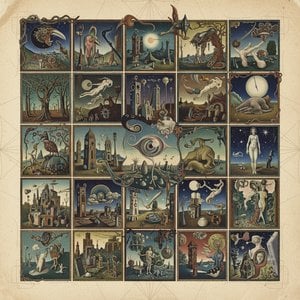
25 Remek-dela Maksa Ernsta: Surrealistička Vizija za Vaš Dom | ArtsDot
Istražite 25 remek-dela Maksa Ernsta, ikona surrealizma. Otkrijte priče iza apstraktnih slika, inovativnih tehnika i psiholoških vizija ovog nemačkog umetnika. Kupite reprodukcije vrhunskog kvaliteta za dekoraciju enterijera na ArtsDot.com!

Oil on Board: A Historical Survey of Technique, Aesthetic Qualities & Enduring Appeal
Explore the rich history of oil on board painting! Discover techniques, aesthetic qualities & enduring appeal from early masters to modern practice. Expert insights for collectors and art enthusiasts.
