
 Pošalji
 Podeli
 Detalji o delu
 Vodič
Vodič

 Preuzmi
 Slični predmeti
 Automatska prezentacija
 Pitanja i odgovori
 Statistika
At

- 8.0 x 8.0 cm


 Pročitaj više
Giclee štampa / Umetnički otisak
Giclée štampa ili print na platnu muzejskog kvaliteta uz brzu izradu i raznovrsne opcije završne obrade. ( Kupite ručno oslikano delo Pređi na digitalnu sliku)




































Izaberite jednu od naših unapred definisanih veličina koje odgovaraju originalnim proporcijama umetničkog dela.

Unesite željenu širinu i visinu kako bi se štampa uklopila u vaš ram ili zid. Štampu je moguće samo iseći, ali nikada povećati iznad dimenzija originalne slike, stoga format sa drugačijim proporcijama uzrokuje gubitak dela slike. Pre početka štampe, poslaćemo vam digitalni prikaz radi potvrde. Slika prikazana na ovoj stranici ne predstavlja stvarni isrez — to pokazuje samo digitalni prikaz.
Dostava širom sveta () za 2 nedelje umesto uobičajenih 4/5 nedelja. (12 новембар)

Besplatna ekspresna dostava širom sveta

Visokokvalitetno laneno platno

Potpuno osiguranje transporta

Garancija povraćaja carine i uvoznih dažbina

Garancija vernosti boja

Politika povraćaja u roku od 100 dana (samo u slučaju nedostataka)

Garancija povrata 100% novca

Popust na više proizvoda
 Opcija sa staklom dostupna je samo za dimenzije manje od 110 cm

At
Giclee štampa / Umetnički otisak
Dimenzije reprodukcije
-


Ukupna cena
дин 6609
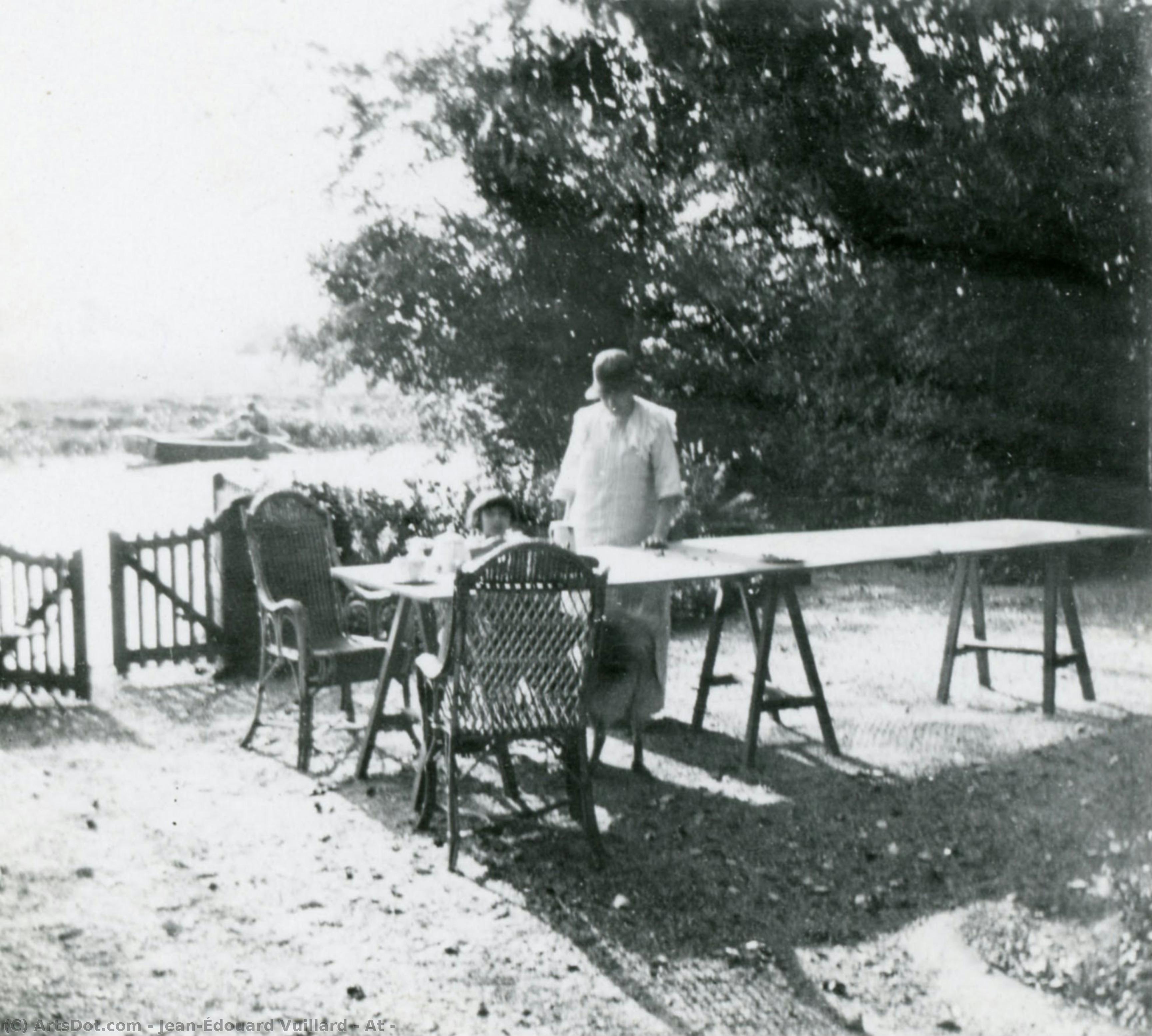
A Moment Frozen in Time: The Quiet Allure of Vuillard’s “At”
In the delicate tapestry of early 20th-century art, few works capture the ephemeral essence of a passing second as poignantly as Jean Vuillard’s 1913 masterpiece, “At.” This evocative scene serves as much more than a mere depiction of an outdoor gathering; it is a profound distillation of Impressionistic ideals filtered through the intimate, decorative lens of the Nabis movement. To gaze upon this work is to step into a world where time slows down, inviting the viewer to inhabit a space of quiet contemplation and subtle emotional resonance. The composition centers around a solitary figure seated at a table beneath an overcast sky, surrounded by the silent presence of empty chairs that suggest both companionship and the lingering traces of a shared moment.
The atmosphere is one of profound serenity, established through a masterful use of landscape and setting. Lush foliage frames the scene, hinting at a lakeside or coastal retreat where the air is still and the world feels momentarily paused. This deliberate choice of environment echoes the tranquil, pastoral landscapes favored by Vuillard’s contemporaries, yet he imbues it with a unique, psychological depth. There is a sense of domesticity brought into the wild, an intimate pocket of human existence carved out from the vastness of nature, making the piece particularly captivating for those who seek art that offers a sanctuary of peace within the home.
Technique and the Language of Color
Vuillard’s technical prowess is on full display through his signature approach to form and surface. Influenced heavily by the flattened perspectives of Japanese woodblock prints, the artist eschews traditional academic realism in favor of a more modern, sensory experience. He utilizes flattened planes of color and loose, rhythmic brushstrokes to build a sense of texture and movement. While the historical photograph of this work presents a monochrome view, the original artistic vision is rooted in the Nabis' revolutionary use of color to convey feeling rather than mere fact.
The composition is a sophisticated dance of lines and shapes. Strong horizontal planes, established by the table’s surface and the distant horizon, provide a grounding stability to the piece, while vertical elements like the chairs and trees create a rhythmic structure. These geometric foundations are softened by the organic, flowing shapes of the foliage and the human figures, creating a balanced tension between order and nature. For the discerning collector or interior designer, this interplay of structure and softness makes the artwork an incredibly versatile element, capable of anchoring a room with its classical weight while adding a layer of organic grace.
Historical Significance and Emotional Resonance
Created during a period of immense artistic upheaval in Europe, “At” stands as a pivotal contribution to the development of modern art. It reflects the burgeoning interest in abstraction and the rejection of rigid representational styles that defined the early 1900s. As a prominent member of Les Nabis, Vuillard helped bridge the gap between the fleeting light of Impressionism and the structured symbolism of the coming decades. His ability to transform an ordinary, everyday moment into something deeply symbolic—where a seated man might represent focused introspection or the quietude of the soul—is what gives this work its enduring power.
For those looking to bring a piece of art history into their personal spaces, a high-quality reproduction of “At” offers more than just aesthetic beauty; it offers an emotional connection to a bygone era. The painting evokes a sense of nostalgia and a longing for the stillness that is so often lost in our modern, frenetic lives. It is a piece designed for deep looking, rewarding the viewer with new layers of meaning and texture upon every encounter, making it an exquisite choice for any curated collection or thoughtfully designed interior.
Pitanja i odgovori
Kako mogu da pregledam „At”, autor Едуар Вијар u obliku prezentacije?
Dostupna je i prezentacija slika: stranica Galerija slika za delo „At”, autor Едуар Вијар.
Kakvo raspoloženje i emociju izražava „At”, autor Едуар Вијар?
„At”, autor Едуар Вијар prenosi Reflective osećaj unutar opšte Calm atmosfere.
Koja je preporučena veličina štampe za „At”, autor Едуар Вијар?
Preporučena veličina štampe za „At”, autor Едуар Вијар je Small.
Srodna umetnička dela


Biografija umetnika
Рани живот и уметнички почеци
Жан-Едуар Вијар, француски сликар, декоратер и графичар, рођен је 11. новембра 1868. године у Кизеу, Француска. Његов живот био је неодвојиви део авангардне групе Набисти, заједно са визионерима попут Мориса Денија и Едуарда Вијара. Ова група је револуционисала уметнички свет својим иновативним приступом боји и форми. Као дете, Вијар је био окружен атмосфером интелектуалне стимулације; његов отац је био песник, а мајка плесачица, што је утицало на његово касније интересовање за естетику и декоративну уметност. Након завршетка школовања, Вијар се посветио сликарству, али је брзо схватио да га традиционални академски стил не задовољава.
Набисти и њихов утицај
Вијар је постао водећи члан Набиста, чије су слике карактерисале површине чисте боје, инспирисане јапанским графикама. Његове ентериорне сцене су истраживале просторне ефекте спљоштених равни боје, шаре и форме. Овај приступ је имао велики утицај на развој кубизма, фовизма и апстрактне уметности. Набисти су били заинтригирани идејом синтезе различитих уметничких дисциплина – сликарства, графике, декоративне уметности – и настојали су да створе тотално уметничко дело које би обухватило све аспекте живота. Њихова филозофија се заснивала на позитивизму и делима Огиста Конта и Иполита Тена, што је довело до интересовања за психолошке ефекте боје и форме.
Каснији рад и наслеђе
Након распада Набиста 1900. године, Вијар је усвојио реалистичнији стил, приступајући пејзажима и ентериорима са већим детаљем и живописним бојама. Двадесетих и тридесетих година двадеветог века сликао је портрете познатих личности из француске индустрије и уметности у њиховим обичним окружењима. Током свог каснијег периода, Вијар се фокусирао на интимне сцене из свакодневног живота, често приказујући жене у кућним активностима или у опуштеној атмосфери. Ове слике су одликовале мека светла и хармоничне боје, које су стварале осећај спокоја и интимности.
Кључна дела и изложбе
Радови Жан-Едуарда Вијара могу се наћи у многим музејима широм света, укључујући Музеј француске револуције у Француској, који поседује богату збирку уметничких дела, докумената и предмета везаних за револуционарни период. Нека од његових познатијих дела укључују "Отаџбина у опасности" Гиљама Летиера и "Жан де ла Баре" Жана Клуеа, који приказују младог човека осуђеног на смрт због богохуљења током старог режима. Каснији радови Вијара, као што су његови портрети француских индустријалаца и уметника, могу се видети у галеријама које промовишу интимизам и на страници Жан-Едуарда Вијара на ArtsDot.
Закључак
Жан-Едуар Вијар, са својим загонетним светом карактерисаним иновативном употребом боје и форме, оставио је неизбрисив траг у свету уметности. Као пионир модернизма, његов рад наставља да инспирише уметнике и утиче на различите уметничке покрете. Његова способност да пренесе осећања и емоције кроз боју и композицију чини га једним од најзначајнијих сликара свог времена.
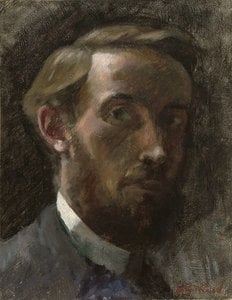
Едуар Вијар
1868 - 1940 , Француска
Osnovne informacije
- Artistic Movement Or Style: Набисти, Интимизам
- Artists Or Movements Influenced By This Artist:
- Кубизам
- Фовизам
- Апстрактна уметност
- Artists Who Influenced This Artist: ['Јапанске гравюре']
- Date Of Birth: 1868
- Date Of Death: 1940
- Full Name: Жан-Едуар Вијар
- Nationality: Француска
- Notable Artworks:
- Отаџбина у опасности
- Жан де ла Баре
- Вијар и Вароки
- Време за ручак
- Човек који чита
- Гас
- Цветна хаљина
- Спи
- Ентеријер, мајка и сестра уметника
- Мачка
- Жута завеса
- Сестра уметника са шољом кафе
- Пругаста кошуља
- Женска у пругастој хаљини
- Албум
- Велики ентеријер са шест фигура
- Портрет Тадеја Натансона
- У кафе-концерту
- Женска у плавој хаљини са дететом
- Мадам Хесел на софи
- Пејзаж у Романелу
- Женска како чешља своју косу
- У соби
- Мадам Хесел у свом будуару
- Врт
- Шпајц
- Позлаћена столица
- Женска која седи на софи
- Женска која чита у тми
- Маргрет Шапен у свом апронансу
- Дизајн за зидну слику
- У
- Ле Кло Сезан у Вукресон
- Мадам Вијар код Русела
- Сала Кларак
- Мадам Андре Вормсер и њена деца
- Цвеће на шпајцу у Клајсу
- Place Of Birth: Кизеу, Француска
Povezani članci

Intimate Interiors: Domestic Life & Artistic Representation from Renaissance to Impressionism
Explore the evolution of domestic life in Western art from the Renaissance to Impressionism. Discover symbolism, realism & artistic techniques shaping intimate interior scenes. Learn more with ArtsDot.

Intimate Interiors & Poetic Ambiguity: Exploring the Vision of Jean-Édouard Vuillard
Discover the captivating world of Jean-Édouard Vuillard, a key figure of the Nabis movement. Explore his intimate interiors, unique style & lasting influence on modern art. Learn more at ArtsDot.
The Interior Gaze: Exploring Representations of Domestic Space in Art History
Explore the fascinating history of domestic interiors in art! From Dutch Masters to Impressionism, discover how artists captured home life & social meaning. Expert analysis and insights at ArtsDot.

Impressionism's Masterpieces: 10 Paintings That Defined a Movement | ArtsDot
Journey through Impressionism's heart with 10 iconic paintings by Monet, Renoir & Degas. Explore light, color & the stories behind these masterpieces. Find museum-quality art reproductions and elevate your home decor on ArtsDot.com.

Jean-Georges Béraud: Capturing Parisian Life in the Belle Époque
Explore the captivating world of Jean-Georges Béraud, master painter of Belle Époque Paris. Discover his iconic scenes, artistic evolution, and social commentary. A deep dive into 19th-century French art.


