


Slika sledi vašim izbiram: , .
Opis zbirateljskega predmeta
Explore Egon Schiele’s haunting ‘untitled (9458)’ – a poignant sunflower study reflecting mortality and intimacy. Witness raw emotion & unique lines in this iconic Expressionist masterpiece. Reproduction available now.
 Preberi več
Biografija umetnika
Raziskujte intenzivne ekspresionistične umetnosti Egon Schieleja (1890-1918): izrazite portrete, psihološke teme in edinstvene črte. Odkrijte reprodukcije že danes!
Ročno izdelana oljna reprodukcija
Ročno slikano olje na platnu v vaši izbiri velikosti in okvirja, izdelano po naročilu naših umetnikov. ( Preklop na tiskanine Preklop na digitalno sliko)
Več o tej sliki
 Predogled v realnem okolju
 Pošlji
 Deli
Deli
 Podrobnosti o delu
 Priročnik

 Prenesi sliko
 Podobni izdelki
 Rentgenski posnetek
 Predvajaj diaporama
 Vprašanja in odgovori
 Statistika
Svojo sliko naročite v štirih preprostih korakih
Ne prepohitejte. Svoje odgovore lahko kadar koli spremenite; cena v vaši košarici se samodejno prilagodi vsaki izbiri.
1 Prvi od štirih korakov
Katero velikost želite?
Te velikosti ohranjajo proporcije izvirne slike. Risba prikazuje vašo izbiro na steni, nad dvometrino kavčem.
Ali pa vnesite svoje lastne mere
Izberite eno od naših vnaprej določenih velikosti, ki ustrezajo prvotnim proporcijam umetničkega dela.

Vnesite širino in višino, ki jih potrebujete, da se slika prilega vašemu okviru ali steni. Ker je delo ročno slikano, lahko umetnik pri različnih oblikih slik pri robovih doda malo več barve ali pa jih malo odreže — izberite sami. Pred začetkom slikanja vam pošljemo digitalni predogled za potrditev. Slika, prikazana na tej strani, ni končni rezultat — le predogled prikazuje dejansko podobo.
2 Drugi od štirih korakov
Kako naj bo pripravljeno: v roli, na platnu ali v okvirju?
Cene spodaj veljajo za velikost, ki ste jo izbrali v prvem koraku.
Izberite robove platna
Izberite svoj okvir

Beli rob €1

zamegljen rob €1

Razširjen rob €1

P118B €10

P118H €10

P118W €10

P438Z €10

P508JH €12

P508YH €12

P805H €10

P805Z €10

P919BZ €10

P919G €10

P919XJ €10

P959ZH €10

P968JZ €12

W106C €8

W218G €10

W218JH €8

W218Y €10

W307PJ €10

W316G €10

W316PJ €8

W316Y €10

W398PJ €8

W4111J €10

W500HY €15

W500JH €15

W692G €12

W849H €8

W940BG €15

W953PJ €8

H24-GOLD €30

H24-SILVER €30

H36-GOLD €45

H36-SILVER €45
V okviru
Okvirni rob: . Celotna velikost z okvirjem: .
3 Tretji od štirih korakov
Ali bi želeli v sliki spremeniti kaj?
Večina ljudi odgovori z ne. Ker je vsaka slika izdelana ročno, jo lahko naš umetnik prilagodi tudi vam.
Po oddaji naročila bo ekipa ArtsDot.com stranki po e-pošti poslala navodila in zagotovila predogled makete
4 Četrtti korak od štirih
Nekaj možnosti končne obdelave
Vse so neobvezljive. Za odgovore, ki so že izbrani, ni dodatnih stroškov.
Kdo je avtor?
Mednarodna dostava () v 3/4 tednih namesto običajnih 5 tednov. (8 november). Brez kompromisov pri kakovosti.
Zvešča, kot v muzeju?
Podrobnosti o gravirani bronasti plošči
This elegant plaque features the artist's name and the title of the artwork, finely engraved for a timeless presentation.
It is made from bronze with a refined, elegant finish. The text is precisely laser-engraved for a sharp and permanent result. Measuring 9x2 cm, the plaque is compact yet easy to read. It's built to be durable and scratch-resistant, offering a professional, museum-quality look. Mounting is simple thanks to the included adhesive backing.
Podrobnosti o transparentni akrilni plošči
The plaque includes essential engraved details such as the artist's name, the title of the artwork, the date it was created, the type of media used-like oil on canvas or watercolor-a brief description of the piece, and a QR code that links to the complete artwork information.
It is crafted from clear acrylic, offering a sleek, modern appearance. The text is UV-engraved in black to ensure strong visual contrast. With a size of 10x15 cm, it ensures optimal readability. It comes equipped with two metal hooks for secure wall mounting. The plaque is designed to be weather-resistant, making it suitable for various environments, and it includes interactive features that work seamlessly with smartphone scanning.
Podrobnosti o črni akrilni plošči
This elegant plaque includes engraved information such as the artist's name, the title of the artwork, the date it was created, the type of media used (like oil on canvas or watercolor), a short description of the artwork, and a QR code for quick access to more information.
The plaque itself is made from refined black acrylic with a premium finish. The text is laser-engraved in white for high contrast and readability. Its size is 10x15 cm, designed to be easy to read. It comes with two metal hooks for professional mounting. The design is sleek and fits any interior style. It is also weather-resistant and durable, with built-in digital integration for mobile compatibility.
Zaščitni lak?
Kdaj jo potrebujete?
✓ Preverite in naročite
Vaša slika, natako kot ste jo naročili

untitled (9458)
Tehnik reprodukcije
Velikost reprodukcije
-

Izbor vrhunskih umetnikov
Več podrobnosti, dovršenosti in dodatnega časa za izdelavo
-

Okvir za reprodukcijo
-
-
Za umetniška dela ali reprodukcije, ki so po katerikoli strani širše od 105 cm (približno 41 palč), bo okvir poslan v razstavljeni obliki kot komplet. Ta metoda zagotavlja varno dostavo in preprečuje poškodbe med transportom.
Potrebna je profesionalna montaža – to ni izdelek za DIY izdelavo.
Komplet mora sestaviti in platno napeti izkušen profesionalni okvirjest, pri čemer bo uporabil lepil za les (ni vključeno), klešče za napetje platna in spone, da bi ohranil pravokotnost letev med sušenjem lepila. Nepravilna montaža ali neenakomerna napetost platna lahko trajno poškoduje umetniško del in
 Za umetniška dela ali reprodukcije, ki so po katerikoli strani širše od 105 cm (približno 41 palč), bo okvir poslan v razstavljeni obliki kot komplet. Ta metoda zagotavlja varno dostavo in preprečuje poškodbe med transportom.
Vključene so vse letve iz masivnega lesa, natančno izrezane po meri.
Montaža poteka s priloženimi vijaki, vendar je za kotiče potrebna lepil za les, ki ga ni v kompletu in ga mora zagotoviti vaš okvirnik.
Za uporabo so potrebna profesionalna orodja, ki niso vključena: klešče za napinjanje platna (napetnik) in sponke za ohranjanje pravokotnosti letev med sušenjem lepila.
Pomembno:
Za stike v kotih potrebujete lepil za les, nosilce je treba z

Značka z imenom
-
-

Zaščitni lak
Sijajni lak (poudarja barve ter zagotavlja zaščito pred svetlobo in vlago)
-

Prilagodi svoje umetniško delo
Primeri možnih prilagoditev: zamenjava obraza s fotografijo kupca; dodajanje hišnega ljubljenčka (npr. zamenjava mačke s psom); vključitev skritega sporočila v ozadje; sprememba krajšave ali elementov ozadja.
-

Hitra dostava
Mednarodna dostava () v 3/4 tednih namesto običajnih 5 tednov. (8 november). Brez kompromisov pri kakovosti.
-
Hitra dostava
Globalna dostava () v 5 tednih. (15 november).
Vključeno v ceno
Skupna cena
€ 235
Možnost stekla je na voljo le za velikosti pod 110 cm
Vključeno v vsako naročilo
- Brezplačna ekspresna dostava po vsem svetu
- Visokokakovostno laneno platno
- Popolno zavarovanje pošiljke
- Garancija povračila carine in uvoznih davkov
- Garancija popolnega barvnega ujemanja
- 100-dnevna politika vračil (le v primeru okvar)
- Garancija 100% povračila denarja
- Popust pri večjem naročilu


A Glimpse into the Soul: Egon Schiele's "Untitled (9458)"
Egon Schiele’s “Untitled (9458),” a deceptively simple depiction of sunflowers against a backdrop of verdant leaves, is far more than a botanical study. It’s a concentrated distillation of the artist’s signature style – a raw, emotionally charged exploration of mortality, vulnerability, and the precarious beauty of existence. Painted during a period marked by personal turmoil and the looming shadow of World War I, this work embodies Schiele's deeply introspective approach to art, revealing a world both intensely vibrant and profoundly unsettling.
The photograph itself offers a close-up intimacy, pulling us into the heart of the composition. The sunflowers, rendered in bold yellows and accented with the earthy browns of aging leaves, command immediate attention. Their forms are not idealized; they possess an almost bruised quality, hinting at a transient beauty – a reminder that even the most radiant life is subject to decay. The surrounding green foliage, subtly textured, provides a grounding element, yet it too carries a sense of melancholy, as if mirroring the sunflowers’ impending decline.
Echoes of Trauma and Expressionism
Born in 1890 in Tulln an der Donau, Austria, Egon Schiele's life was tragically cut short at just 28 years old. His early childhood was marred by illness and the untimely death of his father from syphilis – a trauma that would indelibly shape his artistic vision. This preoccupation with mortality, coupled with his own struggles with mental health and relationships, fueled an intensely personal and often unsettling body of work. Schiele’s art is firmly rooted in Expressionism, characterized by distorted forms, exaggerated lines, and a deliberate rejection of academic conventions.
The influence of Gustav Klimt, a more established figure in the Viennese art scene, is evident in Schiele's early training, yet he quickly forged his own distinct path. Unlike Klimt’s opulent surfaces, Schiele favored a pared-down aesthetic, focusing on conveying raw emotion through line and color. The twisting, almost skeletal forms of the sunflowers – and indeed, much of his work – speak to this underlying anxiety about physical fragility and the inevitability of death.
Symbolism in Decay: A Portrait of Transient Beauty
The sunflower itself is a potent symbol, traditionally associated with adoration, loyalty, and longevity. However, within Schiele’s painting, these associations are subtly subverted. The sunflowers' vibrant yellow hue, while initially joyful, feels tinged with sadness – perhaps reflecting the fleeting nature of beauty or the awareness of impending loss. The brown edges of the leaves suggest a process of decay, reinforcing the theme of transience and reminding us that even the most magnificent things eventually fade.
Furthermore, the arrangement of the sunflowers—a cluster of individual blooms against a backdrop of others—can be interpreted as a meditation on isolation and vulnerability. Each flower stands alone, yet they are united by their shared fate. The composition invites contemplation on the interconnectedness of life and death, joy and sorrow.
Bringing Schiele’s Intensity Home: High-Quality Reproductions
ArtsDot offers meticulously crafted hand-painted reproductions of Egon Schiele's “Untitled (9458),” allowing you to experience the full force of this emotionally resonant artwork in your own space. Our skilled artists faithfully recreate Schiele’s distinctive style, capturing the intensity of his lines and the depth of his color palette. Whether adorning a gallery wall or adding a touch of dramatic flair to an interior design scheme, a ArtsDot reproduction provides a tangible connection to one of the most compelling figures in 20th-century art. Explore our collection today and bring Schiele’s haunting beauty into your world.
Vprašanja in odgovori
V katero obdobje kariere Egon Ščile pripada delo "untitled (9458)"?
V okviru kariere umetnika Egon Ščile delo "untitled (9458)" pripada obdobju Late Period, kar omogoča primerjavo z ostalimi umetnikovimi deli.
Kateremu umetniku je "untitled (9458)" pripisano?
Delo "untitled (9458)" je ustvaril Egon Ščile. Informacije na tej strani opisujejo izvirno delo umetnika Egon Ščile.
Katera postavitev najbolje ustreza formatu dela "untitled (9458)" avtorja Egon Ščile?
Z obliko Portrait se reprodukcija dela "untitled (9458)" priporoča za Living Room.
Sorodna umetniška dela


Egon Ščile
1890 - 1918, Avstrija
Biografija umetnika
Egon Schiele: Austrian Expressionist Painter
Austrian art has since acquired legendary status in interdisciplinary cultural studies. Histories of modern Austrian art generally begin with the architectural boom that swept Vienna in the second half of the nineteenth century. During this period of strong economic growth, the Emperor Franz Josef constructed a necklace of public edifices along the broad Ringstrasse that encircles Vienna’s inner city, prompting artists to flock to the capital from all over to compete for decorative mural commissions. The most renowned painter of the era was Hans Makart, but the young Gustav Klimt also earned his reputation executing commissions on the interior walls of structures such as theaters and museums. The favored style combined a sort of blowsy eroticism with a firm grip on classical and historical allegory. Starting from his masterpiece *The Kiss*, Klimt gradually moved away from the accepted formula, however, evolving a personal symbolism that was less conventionally readable as well as more overtly sexual. This combination proved devastating so far as the tasted of staid Vienna were concerned: Klimt was banished from the ranks of public muralists, and henceforth had to seek support solely from well-heeled private patrons.
Early Life & Influences
Egon Schiele was born in Tulln an der Donau – a picturesque region with vineyards, onion-domed towers and Baroque monasteries. Yet this idyllic setting is hardly reflected in his work.
Instead, many of his landscapes appear melancholic, sometimes sombre. Perhaps he was processing the early death of his father from syphilis and the subsequent loss of his sister Elvira.
Raised initially by his mother and then under the somewhat controlling guardianship of his uncle Leopold Czihaczek, Schiele’s childhood lacked conventional stability but fostered a fiercely independent spirit. Even as a boy, he displayed an intense fascination with trains—a motif that subtly reappeared in later paintings—and a burgeoning talent for drawing, though this was initially met with disapproval from his father who saw it as a distraction from more practical pursuits. The early death of his sister Elvira also cast a long shadow over the young artist’s psyche. These formative experiences instilled within him a sensitivity and an emotional rawness that would become hallmarks of his artistic expression, a constant grappling with themes of life, death, and the human condition.
Vienna Secession & Artistic Breakthrough
Schiele's formal artistic training began at the Kunstgewerbeschule (School of Arts and Crafts) in Vienna, but he quickly found itself stifled by its conservative approach. He transferred to the Akademie der bildenden Künste (Academy of Fine Arts), only to become further disillusioned with its rigid academic traditions. This dissatisfaction led him to abandon formal training altogether, choosing instead to forge his own path, a testament to his unwavering artistic conviction.
The influence of Gustav Klimt was pivotal during these early years; Schiele admired Klimt’s decorative style and exploration of symbolism, even receiving mentorship from the established artist.
He co-founded the Neues Wiener Kunstgruppe (New Viennese Art Group) in 1909, aligning himself with other progressive artists who challenged the prevailing artistic norms. His distinctive style features elongated figures, contorted poses, and expressive lines that convey a sense of unease and emotional intensity.
Style Characteristics & Recurring Themes
Schiele’s art is immediately recognizable for its raw honesty and psychological depth.
He fearlessly confronted themes often considered taboo – sexuality, death, anxiety, isolation – with an unflinching gaze.
His distinctive style features elongated figures, contorted poses, and expressive lines that convey a sense of unease and emotional intensity. The human form, particularly the nude, became his primary subject, not as an object of idealized beauty but as a vessel for exploring the complexities of human experience.
Schiele didn’t shy away from depicting himself in unflattering or vulnerable poses, revealing a profound level of self-awareness and introspection.
Legacy & Recognition
Despite facing censorship and legal challenges – including a brief imprisonment for allegedly corrupting minors with his art – Schiele gained recognition within Vienna’s avant-garde circles.
His work challenged the conventions of the time, provoking both admiration and outrage.
By the time of his untimely death during the Spanish flu pandemic in 1918 at the age of twenty-eight, he had established himself as a leading figure in Austrian Expressionism. Significant works such as *Self-Portrait with Physalis*, *Couple Embracing*, and *Field Landscape (Kreuzberg near Krumau)* stand as testaments to his artistic genius.
His influence on subsequent generations of artists is undeniable, particularly those interested in exploring psychological themes and challenging conventional artistic norms.


Sorodni članki
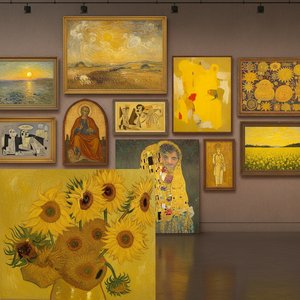
Golden Hues: 10 Masterpieces Dominated by Chrome Yellow | ArtsDot
Immerse yourself in golden light! Explore 10 famous paintings dominated by 'Chrome Yellow', from Van Gogh’s Sunflowers to Monet's Haystacks. Discover the stories behind these iconic Impressionist & Post-Impressionist masterpieces and find museum-quality art reproductions at ArtsDot.com.
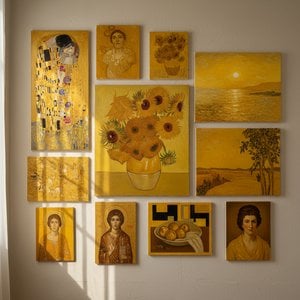
Golden Hues: Top 10 Paintings Dominated by Yellow Ochre |
Explore 10 iconic paintings bathed in golden yellow ochre! From Van Gogh's sunflowers to Monet’s haystacks, discover the stories behind these masterpieces. Find museum-quality art reproductions & elevate your home decor on .

Izrazi čustev: 10 mojstrovin ekspresionizma za vaš dom
Odkrijte 10 mojstrovin ekspresionizma, ki so zaznamovale umetnost! Edvard Munch, Nolde & Kirchner – spoznajte zgodbe in čustva za vsakim delom. Najboljša zbirka reprodukcij na ArtsDot.com!