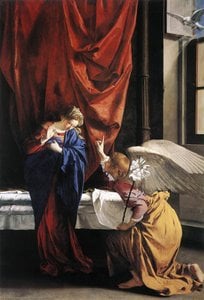
Náhľad
 Odoslať
 Zdieľať
 Podrobnosti o dielo

 Stiahnuť
 Podobné diela
 RTG skúška
 Prezentácia
 Štatistiky
Landscape with St Christopher
 Oil On Copper
- WallArt
- Baroque
 1605
1605- Early Modern
 21.0 x 28.0 cm
 Staatliche Museen zu Berlin
 Zobraziť viac
Ručne maľovaná olejová reprodukcia
Ručne maľovaný olej na plátne vo vašej zvolenej veľkosti a v ráme, vyrobený na mieru našimi umelcami. ( Prepnúť na tlač Prepnúť na digitálny obraz)




P118B $10

P118H $10

P118W $10

P438Z $10

P508JH $12

P508YH $12

P805H $10

P805Z $10

P919BZ $10

P919G $10

P919XJ $10

P959ZH $10

P968JZ $12

W106C $8

W218G $10

W218JH $8

W218Y $10

W307PJ $10

W316G $10

W316PJ $8

W316Y $10

W398PJ $8

W4111J $10

W500HY $15

W500JH $15

W692G $12

W849H $8

W940BG $15

W953PJ $8




Vyberte si z našich preddefinovaných rozmerov, ktoré zodpovedajú pôvodným pomeroḿ diela.

Môžete zadať vlastné rozmery tak, aby sa hodili do konkrétneho rámu alebo priestoru. Ak sa váš zvolený rozmer nezhoduje s pôvodnými proporciami obrazu, dielo buď orezáme, alebo ho doplníme ručne maľovanými prvkami. Pred začiatkom výroby vám zašleme digitálny náhľad na schválenie.
Upozorňujeme, že ukážka na obrazovke neodráža skutočné orezanie alebo doplnenie. Skutočnú finálnu kompozíciu zobrazuje iba digitálny náhľad.
Hoci sú k dispozícii vlastné rozmery, odporúčame vybrať rozmer z preddefinovaného zoznamu, aby sme zachovali pôvodné proporcie.
Po odoslaní objednávky vám tím ArtsDot.com pošle e-mail s pokynmi a poskytne náhľad na návrh.
Celosvetová doprava () za 3 až 4 týždne namiesto štandardných 5 týždňov. (18 september). Bez kompromisov v kvalite.

Bezplatná expresná doprava po celom svete

Prémiové lnianske plátno

Kompletné poistenie prepravy

Záruka vrátenia colného poplatku

Záruka presného farebného zhodnutia

100-dená politika vrátenia tovaru (iba pri vadách)

100% záruka vrátenia peňazí

Výhodná množstevná zľava
 Možnosť skla je dostupná len pri rozmeroch pod 110 cm

Landscape with St Christopher
Technika reprodukcie
Veľkosť reprodukcie
-


Celková cena za vybrané možnosti
$ 263
A Vision of Devotion: The Luminous World of Orazio Gentileschi
In the quiet transition from the artifice of Mannerism to the visceral reality of the Baroque, few works capture the dawn of a new era as tenderly as Orazio Gentileschi’s “Landscape with St Christopher.” Painted in 1605, this exquisite masterpiece serves as a window into a moment of profound spiritual connection and naturalistic wonder. The scene unfolds with a breathtaking intimacy, presenting a man—the legendary saint—carrying a child aloft against a backdrop of serene, shimmering waters and lush, verdant foliage. There is an immediate, palpable sense of protection and grace that radiates from the figures, inviting the viewer to step away from the chaos of the modern world and into a realm of tranquil devotion.
The emotional resonance of the piece lies in its ability to marry the monumental with the minute. While the subject matter touches upon the epic themes of faith and divine duty, the execution remains deeply personal. The way the light catches the folds of St Christopher’s white shirt and the subtle, watchful presence of the birds nestled within the landscape creates a sense of a living, breathing ecosystem. For the collector or the interior designer, this painting offers more than mere decoration; it provides an atmospheric anchor, a piece of history that breathes life and a sense of timeless peace into any curated space.
The Mastery of Light and Copper
To understand the brilliance of this work, one must look closely at the technical alchemy employed by Gentileschi. Executed on copper, a medium prized by Baroque masters for its ability to hold incredibly fine detail and produce an unparalleled luminosity, the painting possesses a jewel-like quality. This choice of support allowed the artist to achieve a level of brilliance that canvas often struggles to replicate. Through the meticulous application of oil paint, Gentileschi built layers of pigment that capture the very essence of chiaroscuro—the dramatic interplay between light and shadow.
The artist’s encounter with Caravaggio is etched into every brushstroke. One can observe how the dappled sunlight filters through the canopy of trees, casting intricate, dancing patterns upon the water's surface and illuminating the contours of the figures with a soft, yet dramatic, glow. This mastery of light does not merely illuminate the scene; it sculpts it, creating an illusionistic depth that draws the eye inward, toward the heart of the narrative. The subtle gradations of color, from the deep greens of the forest to the ethereal haze of the distant horizon, demonstrate a sophisticated understanding of atmospheric perspective that was revolutionary for its time.
A Legacy of Grace and Naturalism
Beyond its technical splendor, “Landscape with St Christopher” stands as a testament to the shifting tides of art history. It represents a departure from the stylized, often distorted elegance of the preceding Mannerist period, moving instead toward an embrace of direct observation and naturalistic truth. This movement toward realism would go on to define the Baroque era, influencing generations of painters to look more closely at the world around them. The painting captures a synthesis of influences—the architectural precision learned in Tuscany and the raw, emotive power inherited from the Roman revolution led by Caravaggio.
For those seeking to adorn a home or gallery with a high-quality reproduction, this work offers an unparalleled opportunity to possess a fragment of the Italian Renaissance's twilight and the Baroque's dawn. It is a piece that rewards prolonged contemplation, revealing new textures, shadows, and stories with every glance. Whether placed in a sunlit study or a grand hall, the painting acts as a silent narrator of themes that remain eternally relevant: the strength found in vulnerability, the beauty of the natural world, and the enduring power of faith.
Podobné diela


Biografia umelca
A Tuscan Dawn: The Life and Art of Orazio Gentileschi
Born in 1563 amidst the rolling hills of Tuscany, Orazio Gentileschi embarked on a journey that would see him become a pivotal figure in the transition from Mannerism to Baroque painting. Initially known as Orazio Lomi, he gravitated towards Rome, then the epicenter of artistic innovation, where he honed his skills within the workshops of Cola dell’Amata and absorbed the architectural sensibilities of Francesco da Sangallo. These early influences instilled in him a meticulous attention to form and composition, characteristics that would remain hallmarks of his style even as it dramatically evolved. Gentileschi’s initial work often involved contributing figures to larger decorative schemes conceived by other artists – a formative experience that taught him collaboration and adaptability, yet also hinted at a burgeoning ambition for independent expression. He was a skilled craftsman, adept at creating detailed and realistic figures within the broader context of elaborate compositions, a skill honed through his early apprenticeship.Embracing the Shadow: Caravaggio’s Influence and Artistic Development
The turn of the 17th century marked a turning point in Gentileschi’s artistic trajectory. The revolutionary naturalism of Caravaggio burst onto the Roman art scene, challenging established conventions with its dramatic use of light and shadow – *tenebrism* – and unflinching realism. Gentileschi was profoundly affected by this seismic shift, adopting elements of Caravaggio's style into his own work. However, he wasn’t merely an imitator; rather, he filtered Caravaggio’s innovations through his existing artistic sensibilities. While retaining the dramatic intensity, Gentileschi softened the harshness of Caravaggio’s *tenebrism*, introducing a lighter palette and a more refined approach to detail. This resulted in paintings that possessed both emotional power and elegant grace – a unique synthesis that distinguished him from his contemporaries. Biblical scenes and mythological narratives became frequent subjects, allowing Gentileschi to explore themes of faith, heroism, and human vulnerability with compelling visual storytelling. His early works often depicted dramatic moments from the Bible, imbued with Caravaggio’s characteristic intensity but softened by a distinctly Tuscan sensibility.A Courtly Wanderer: From Paris to London
Gentileschi’s artistic reputation extended beyond Italy’s borders. His talent attracted the patronage of powerful figures, leading him on a peripatetic journey through Europe. He spent time at the court of Marie de' Medici in Paris, where his refined style resonated with the Queen’s taste for elegance and sophistication. This period saw a further evolution in his work, characterized by increasingly elaborate compositions and a heightened sense of decorum. He was known to be a charming but sometimes difficult personality, demanding respect from his patrons and colleagues alike. However, it was his invitation to England in 1626 that would define the final chapter of his career. Appointed court painter to Charles I, Gentileschi became one of the first major exponents of Caravaggism in Britain, significantly influencing the development of English Baroque painting. He undertook ambitious projects, including a series of ceiling paintings for Greenwich Palace (now Marlborough House), showcasing his mastery of large-scale decorative schemes and solidifying his position as a leading artist of his time. His work in England reflected the prevailing tastes of the court – grand, opulent, and often depicting scenes of royal life.The Legacy of Light and Shadow
Orazio Gentileschi’s contributions to the world of art are multifaceted. He bridged the gap between Mannerism and Baroque, absorbing the innovations of Caravaggio while forging his own distinctive style. His use of vibrant colors, dramatic compositions, and refined technique influenced a generation of artists across Europe. He was instrumental in introducing Caravaggism to England, leaving an indelible mark on the artistic landscape there. But perhaps his most enduring legacy lies in his daughter, Artemisia Gentileschi. Trained in her father’s studio, she emerged as one of the most celebrated female painters of the Baroque era, carrying forward the family's artistic tradition and achieving renown in her own right. Today, Gentileschi’s works are held in prestigious museums and galleries worldwide – from the Uffizi Gallery in Florence to the Accademia Gallery in Venice – testaments to his enduring brilliance and lasting impact on the history of art. His paintings continue to captivate viewers with their emotional depth, technical virtuosity, and timeless beauty.- Major Works: “Danae”, "The Annunciation", "The Virgin Mary"
- Key Influences: Mannerism, Caravaggio
- Artistic Style: Baroque, Dramatic compositions, Bright colors.

Orazio Gentileschi
1563 - 1639 , Taliansko
Základné informácie
- Artistic Movement Or Style: Baroko, Karavaggizmus
- Artists Or Movements Influenced By This Artist:
- Mannerizmus
- Baroková umelnosť
- Artists Who Influenced This Artist:
- Karavaggio
- Francesco da Sangallo
- Date Of Birth: 1563
- Date Of Death: 1639
- Full Name: Orazio Gentileschi
- Nationality: Taliančania
- Notable Artworks:
- Danae
- Anunciácia
- Panna Mária
- Place Of Birth: Tuscany, Taliansko
Súvisiace články

Top 10 majstrovských diel baroknej maľby: Krása a dynamika pre váš domov
Ponorte sa do sveta baroknej maľby s ArtsDot.com! Objavte príbehy 10 majstrovských diel od Caravaggia, Rembrandta a ďalších slávnych maliarov. Luxusné reprodukcie obrazov pre váš domov – Explore the full collection online.

Top 10 Majstrov Romantickej Krajinomaľby: Obrazy, ktoré zmenili svet umenia
Ponorte sa do sveta romantickej krajinomaľby! Objavte top 10 majstrovských diel od Friedricha, Turnera a ďalších. Historické obrazy prírody s nádychom emócií. Reprodukcie obrazov pre váš interiér na ArtsDot.com.

Top 10 majstrovských diel baroka: Umění a dekor pre váš domov
Ponorte sa do sveta baroka! Objavte top 10 majstrovských diel od Caravaggia, Rembrandta a ďalších slávnych maliarov. Reprodukcie obrazov pre luxusný dekor vášho domova na ArtsDot.com.

John Constable: Top 25 Majstrovských Diel pre Váš Domov | ArtsDot.sk
Ponorte sa do sveta Johna Constabla s ArtsDot.sk! Objavte top 25 majstrovských diel anglického romantizmu – od ikonického Hay Wain až po krajinárske motívy Suffolku. Kvalitné reprodukcie obrazov pre váš domov. Preskúmajte celú kolekciu online!

Katsushika Hokusai: 25 Majstrovských Diel pre Krásu Vášho Domova | ArtsDot.com
Ponorte sa do sveta Katsushika Hokusaiho a objavte 25 jeho najznámejších umeleckých diel. Ukiyo-e, The Great Wave, Fujiyama – príbehy za ikonickými obrazmi. Kvalitné reprodukcie pre váš domov na ArtsDot.com.