Život spájajúci svety: Umenie Chiury Obaty
Cesta Chiury Obaty bola príbeh nevídom dechovania a umeleckej syntézy, svedectvom o sile kultúrneho výmenu a neodvratnom duchu kreativity, ktorý pretrváva aj v čase najväčších skúšok. Ako Zoroku Sato sa narodil v roku 1885 v japonskej prefektúre Okayama a jeho rané roky boli hlboko zakorenené v tradícii. Už v siedmich rokoch ho adoptoval jeho starší brat Rokuichi, ktorý sám bol umelcom, čím sa začala Obatova formálna umelecká výchova v jemnom umení sumi-e – japonskej inkustovanej technike černej farby. Táto základná príprava mu vdochala nielen technické zručnosti, ale aj hlbokú úctu k prírode a filozofický prístup k umeniu, ktorý by prenikol do celej jeho umeleckej kariéry. Hoci ho brat spočiatku smeroval k vojenskej dráhe, Obatova duša túžila po umeleckej slobode, čo ho v štrnástich rokoch viedlo k odchodu z domu a štúdiu v Tokiu pod vedením majstrov ako Tanryo Murata, Kogyo Terasaki a Gaho Hashimoto. Tieto roky boli kľúčové; nepredstavovali len ponorenie do nuans japonskej estetiky, ale aj stret s rastúcimi západnými vplyvmi, ktoré neskôr formovali jeho jedinečný štýl. V roku 1903 mladý Obata vykročil na novú kapitolu, keď emigroval do Spojených štátov s ambíciou študovať americké umenie predtým, než by pokračoval v svojej ceste po Európe – čo bol osud, ktorý ho nakoniec priviedol k usadeniu a rozkvitnutiu v San Franciske.Od ilustrácie k krajinárskemu umeniu: Hľadanie kalifornského hlasu
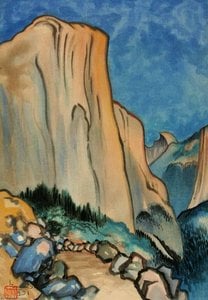
Obatove rané roky v Amerike boli poznačené praktickou nevyhnutnosťou prežitia. Pôvodne si zabezpečoval obživu prostredníctvom ilustračnej práce pre japonské noviny, ako napríklad The New World a The Japanese American, pričom dokonca svojimi skicami zaznamenal devastáciu San Franciska po zemetrasení v roku 1906. Súčasne si zdokonaloval svoje grafické schopnosti pri spolupráci s významnými obchodnými domami, ako boli Gump's a Emporium. Avšak práve kľúčová skicovacia cesta do Yosemite a Sierra Nevada v roku 1927 skutočne roznižila jeho umeleckú vášeň a definovala jeho ďalší rast. Majestátne kalifornské krajiny ho očarovali a inšpirovali ho k celoživotnému posvätnému snahu zachytiť ich veľkoleposť na plátno a drevorytus. Toto obdobie prinieslo aj založenie East West Art Society v San Franciske, organizácie, ktorú spoluzaložil s cieľom podporiť medikultúrny dialóg medzi umelcami – čo bolo zrkadlením jeho vlastnej pozície mostu medzi dvoma svetmi. Jeho návratná cesta do Japonska v roku ľ1928 vyústila v vytvorenie jeho slávnej „Série svetových krajín“ (World Landscape Series), kolekcie tridsiatichpäť nádherne detailných farebných drevorytov zobrazujúcich kalifornské výhledy, najmä tie z národného parku Yosemite. Tieto grafické práce, vytvorené s precíznym remeselným dôrazom v tlačovni Takamizawa, získali uznanie v Tokiu a upevnili Obatu ako umelca schopného bezchybne skombinovať japonské techniky s západnou tematikou.Výučba a internovanie: Umenie ako forma odporu
V období od roku 1932 do roku 1954 sa Chiura Obata plne zasvätil vzdelávaniu ako lektor na University of California, Berkeley. Na generácie študentov vyvolal hlboký dojem, pričom im odovzdával nielen technické zručnosti, ale aj filozofiu umenia zakorenenú v pozorovaní, disciplíne a hlbokom spojení s prírodou. Toto obdobie stability však tragicky narušila druhá svetová vojna a nútené internovanie Američanov japonského pôvodu. Po útoku na Pearl Harbor boli Obata a jeho rodina nespravodlivo uväznení najprv v zadržovacom centre Tanforan a neskôr v presídľovacom centre Topaz v Utahu. Napriek tomu, že sa nachádzali v obmedzenom prostredí týchto táborov, Obatova nepokorená duša zostala nezlomná. Prejavujúc mimoriadnu odolnosť, založil v rámci kampusu Topaz umeleckú školu, ktorá poskytovala tvorivý ventil spoluuzmanom a ponúkala výučbu v":[over 25 subjects] viac ako dvadsiatichpäť predmetoch až pre 95 študentov týždenne. Tento čin nebol len gestom nádeje; bol to akt odporu – silné vyjadrenie kultúrnej identity a trvajúcej ľudskej potreby sebavyjadrenia tvárou v tvár útlaku. Podpora organizácií ako UC Berkeley pomohla tento výnimočný projekt udržať, čo podčiarklo dôležitosť umenia aj počas národných krízí.Odkaz a trvajúci vplyv
Po prepustení z internovania Obata obnovil svoju umeleckú kariéru s novou energiou. Jeho dielo získalo širšie uznanie prostredníctvom výstav a publikácií, čím si upevnil svoju reputáciu významnej postavy kalifornskeho umenia. V roku 1954 sa stal naturalizovaným občanom USA a naďalej maloval, učil a viedol výlety do Japonska, pričom zdieľal svoje vedomosti a vášeň pre obe kultúry. Historický význam Chiury Obaty nespočíva len v kráse jeho umeleckých diel, ale aj v jeho úlohe kultúrneho ambasadora a obráncu umeleckej expresie. Jeho umenie jedinečne spája japonské tradície so západnými vplyvmi, čím odráža jeho osobné skúsenosti a prekonáva kultúrne bariéry. Dokumentoval nádheru kalifornskej divočiny a poskytol tak cennú vizuálnu stopu jej prírodnej krásy. Založenie umeleckej školy v rámci internovacieho tábora stojí ako mocný symbol nádeje a odolnosti, demonštrujúc transformatívnu silu umenia v čase neistoty. Obatove príspevky k americkému umeniu, jeho oddanosť výučbe a neochvejná vášeň pre umeleckú tvorbu zanechali trvajúci odkaz, ktorý inšpiruje umelcov aj publikum počas nasledujúcich generácií. Jeho dielo v nás rezonuje aj dnes, pripomínajúc nám dôležitosť kultúrneho porozumenia, silu kreativity a nepolomiteľného ducha ľudského srdca.Otázky a odpovede
Kde si môžem pozrieť diela umelca Chiura Obata v 3D galérii?
Virtuálna návšteva je možná: stránka 3D múzeum umelca Chiura Obata predstavuje jeho diela v trojrozmernej galérii.
Z ktorej krajiny pochádza Chiura Obata?
Chiura Obata sa narodil/a v krajine Japonsko.
Ako nájdem všetky diela od umelca Chiura Obata v konkrétnej technike?
Ak chcete nájsť všetky diela umelca Chiura Obata v konkrétnej technike, navštívte jeho stránku Všetky médiá.