

 Náhľad v interiéri
 Odoslať ako digitálnu kartu
 Zdieľať
 Podrobnosti o dielo
 Príručka

 Stiahnuť obraz
 Podobné položky
 RTG skúška
 Prehliadanie diapozoje
 Otázky a odpovede
 Štatistiky
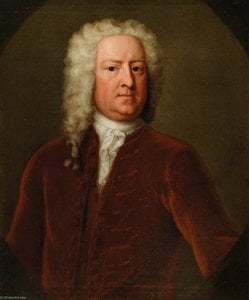
William Pitt

- 140.0 x 117.0cm


 Zobraziť viac
Giclée / Umenotlač
Giclée tlač alebo plátno múzeálnej kvality s rýchlou výrobou a rôznymi možnosťami povrchovej úpravy. ( Kúpiť ručne maľovaný obraz Prepnúť na digitálny obraz)




P118B €10

P118H €10

P118W €10

P438Z €10

P508JH €12

P508YH €12

P805H €10

P805Z €10

P919BZ €10

P919G €10

P919XJ €10

P959ZH €10

P968JZ €12

W106C €8

W218G €10

W218JH €8

W218Y €10

W307PJ €10

W316G €10

W316PJ €8

W316Y €10

W398PJ €8

W4111J €10

W500HY €15

W500JH €15

W692G €12

W849H €8

W940BG €15

W953PJ €8




Vyberte si z našich preddefinovaných rozmerov, ktoré zodpovedajú pôvodným pomeroḿ diela.

Zadajte šírku a výšku, ktoré potrebujete, aby sa reprodukcia hodila k vášmu rámu alebo stene. Print možno len orezávať, nikdy však nemennú veľkosť zvětšiť oproti pôvodnému obrázku, preto pri inom formáte stráca časť obrazu. Pred samotným vytlačiacím procesom vám pošleme digitálny náhľad na schválenie. Obrázok zobrazený na tejto stránke nezobrazuje reálny rez — len digitálny náhľad ukazuje presný výsledok.
Celosvetová doprava () do 2 týždňov namiesto štandardných 4 až 5 týždňov. (15 november)

Bezplatná expresná doprava po celom svete

Vysokokvalitné lnianske plátno

Kompletné poistenie prepravy

Záruka vrátenia colného poplatku

Záruka presného farebného zhodnutia

100-dená politika vrátenia tovaru (iba pri vadách)

100% záruka vrátenia peňazí

Zľava pri väčšom množstve
 Možnosť skla je dostupná len pri rozmeroch pod 110 cm

William Pitt
Giclée / Umenotlač
Veľkosť reprodukcie
-


Celková cena
€ 56
Identification of the Portrait of William Pitt
The gaze of William Pitt meets the viewer through this oil on canvas, a work emerging from the studio of John Hoppner. The portrait captures the statesman in a moment of heavy stillness, rendered with a sense of gravity that lingers on the surface. It is a work from circa 1805 or after, a period when the subject's presence in British politics was deeply felt. The scale of the image, measuring 55 1/2 in. x 42 1/2 in. (1410 mm x 1080 mm), gives the figure a physical weight that commands the space around it.
John Hoppner’s studio provides the hand behind this depiction, translating the likeness of the man into a study of light and shadow. The paint sits upon the canvas, building a presence that feels immediate and substantial. Every brushstroke contributes to the quiet intensity of the sitter, holding him in a permanent state of contemplation. The work exists as a direct encounter with a man who shaped the direction of a nation, frozen here in the medium of oil.
The Composition and Visual Elements
The subject emerges from a dark, indistinct background, positioned in a bust-length portrait that feels immediate and heavy with presence. He sits slightly off-center, his gaze directed toward the viewer's left, creating a sense of quiet, internal movement. Light descends from the upper left, carving out the contours of his face and neck with a soft, directional glow. This interplay of light and shadow grants the figure a palpable three-dimensional volume, pulling him forward from the atmospheric gloom behind him.
The color palette remains somber and grounded, relying on a restrained selection of earthy, muted tones. Browns, ochre, and cream dominate the scene, while subtle flesh tones define the skin. There is a tactile quality to the surface, where the texture of the canvas peeks through the layers of paint. The brushwork appears smooth and blended, particularly in the soft transitions of the background and the heavy folds of the clothing, yet it maintains enough definition to trace the sharp structure of the facial features and the weight of the coat.
The History and Provenance of the Work
The origins of this portrait trace back to a private commission by Lord Mulgrave, who sought to capture the likeness of the statesman. The artist began the work in December 1804, and the final brushstrokes were applied on the 28th of October, 1805. This specific version, identified as NPG L267, exists as a studio copy of the original portrait. While the primary work was intended for the Mulgrave family, the demand for the image grew rapidly among the subject's supporters, leading to many bespoke copies being produced by the artist's studio.
The movement of this painting through various collections reflects its enduring presence in British history. It currently resides within the collection of the Tate, though it is frequently seen on loan to the National Portrait Gallery in London. This arrangement allows the work to remain accessible to those tracing the political landscape of the era. The provenance of the piece is deeply intertwined with the social circles of the time, as the portrait's popularity ensured that many versions circulated among the elite of the Regency period.
Documented Interpretations and Historical Debates
The portrait stirs a profound tension between those who see its technical brilliance and those who recoil from its unflinching honesty. To some observers, the work represents the artist's finest achievement, a peak of his creative ability. Yet, this praise is met with sharp, visceral condemnation from those who knew the man behind the statesman. One contemporary observer famously dismissed the image as a vile picture, finding the depiction far too harsh to be a true likeness.
The debate centers on the psychological weight carried in the subject's expression. Critics have argued that the face appears anxious and diseased, as if reddened by wine and soured by the heavy burden of disappointment. There is a sense that the portrait captures a man at his breaking point, a version of the statesman that many found difficult to accept. This perceived severity led some to suggest that the likeness was almost too unflattering, questioning if such a grim portrayal should ever have been intended for a man of his standing.
While some find the work's power in its ability to strip away the veneer of political dignity, others see it as a departure from the idealized grace expected in high-society portraiture. The tension remains: is this a profound study of a man weathered by his duties, or a failure to capture the youthful spirit of a leader? The brushstrokes hold both the weight of a statesman's exhaustion and the controversy of a likeness that refuses to look away from the toll of power.
Where to See the Work Today
The portrait resides within the National Portrait Gallery in London, United Kingdom. Visitors find the subject waiting for them on the third floor, specifically positioned in Room 18. It exists as a vital part of the National Portrait Gallery collection, though its presence in the gallery is a temporary arrangement. The work is currently on loan from the Tate Gallery, which maintains its primary stewardship.
Walking through the halls of the museum, one encounters this depiction of the statesman in a space dedicated to the faces that shaped a nation. The lighting in the gallery room catches the subtle textures of the oil on canvas, allowing the viewer to observe the heavy shadows and the serious expression of the sitter. It remains a central fixture for those tracing the political history of the United Kingdom through its visual records.
Related Works by John Hoppner
The artist's hand moves through other lives and faces, capturing the essence of the Georgian era with a similar command of light. In one notable work, he presents Mrs. Jordan as Viola in 'Twelfth Night', a piece that highlights his celebrated ability to render women and children. This portrait reveals a specific skill that defined his career, much like the way he handles the textures and shadows in his other commissions. He moves between the heavy gravity of statesmen and the softer, more spirited depictions of his female sitters, always maintaining a sense of physical presence.
His reach extends into the highest circles of British society, where he finds himself painting the very figures who shape the nation. He captures the likeness of the Prince of Wales, a man whose patronage helped secure Hoppner's position among the elite. This ability to navigate the social landscape is evident in his portraits of influential men like Lord Hugh Seymour. Each sitter emerges from the dim, atmospheric backgrounds with a distinct vitality, whether they are members of the royal court or prominent figures of the military and aristocracy.
The artist's brush also finds its way to the faces of those who leave their own marks on history, such as in his portrait of Thomas Williams. Through these various subjects, a pattern of character emerges. He uses chiaroscuro to sculpt forms, pulling his subjects forward from the shadows to create a sense of depth. Whether he is working on a formal bust-length portrait or a more expansive composition, his touch remains loose and free, avoiding a rigid or overly precious finish in favor of a living, breathing likeness.
Otázky a odpovede
Čo vysvetľuje situáciu s autorskými právami diela „William Pitt“ od John Hoppner?
„William Pitt“ od John Hoppner sa nachádza v oblasti v slobodnom prostredí – autorské práva vypršali. Doba trvania autorského práva sa začína dňom smrti umelca, ktorého smrť nastala v roku 1810.
Je „William Pitt“ od John Hoppner svetlé alebo tmavé dielo?
Z hľadiska vnímanej jasnosti je „William Pitt“ od John Hoppner shadow.
Z akých krajín pochádzajú návštevníci diela „William Pitt“ od John Hoppner?
Stránka Štatistiky diela „William Pitt“ od John Hoppner prezentuje štatistiky návštevnosti: mesačnú návštevnosť tohto diela, jeho porovnanie s najnavštevovanejšími prácami daného umelca a informácie o pôvode návštevníkov.
Podobné diela




Biografia umelca
Raný život, rodina a vzdelanie
John Hoppner sa narodil v roku 1758 v londýnskej štvrte Whitechapel v rodine nemeckých emigrantov. Jeho matka pracovala ako jedna z nemeckých služobníčok na kráľskom paláci, čo bol vzácny kontakt, ktorý už od samého začiatku umiestnil celú rodinu v tesnej blízkosti dvora. Toto rané prostredie zásadne ovplyvnilo jeho životnú cestu, hoci jeho prvotným predpokladom bola hudba, nie vizuálne umenie. Ako malý chlapec slúžil ako spievajúci v kráľskej kapeli, čo bola úloha vyžadujúca veľkú disciplínu, no napriek tomu sa mu nedarilo udržať záujem v hudbe, keďže jeho skutočná vášeň sa neskôr odhalila smerom k umeniu.
Jeho oficiálny vstup do sveta umenia nastal v roku 1775, keď sa zapísal na Kráľovu akadémiu. Svojú technickú zdatnosť dokázal rýchlo potvrdzovať prostredníctvom uznania zo strany inštitúcie. V roku 1778 získal striebornú medailu za kresťenie z živého modelu, čo bolo praktické potvrdenie jeho pozorovateľských schopností. Do roku 1782 sa mu už podarilo získať zlatú medailu Kráľovej akadémie za historické maľby, čo bol významný úspech vyzdvihnutý jeho ambicióznym prácou na motíve Kráľa Leara. Tento skorý triumf položil technické základy potrebné pre portrétnu tvorbu pre vysokú spoločnosť, ktorá sa neskôr stala hlavným pilierom jeho umeleckej kariéry.
Vzostup k sláve a významné diela
Hoppner si zabezpečil svoje miesto v najvyšších vrstvách britskej spoločnosti tým, že zachytil podoby najvplyvnejších osobností svojej éry. Jeho schopnosť zvládať prestížne zakázky pre vysokú spoločnosť spôsobila, že jeho portréty princeja Walesu, vojnovia a vojnovičky Yorku, Lorda Rodneyho a Lorda Nelsona boli vystavené v štátnych apartmánach v St. James's Palace. Tieto umiestnenia neboli len prostou dekoráciou; boli to jasné dôkazy jeho profesionálneho statusu. Hoci mu historické maľby priniesli skoré uznanie, práve jeho zobrazenia žien a detí boli tými, ktoré porotníci vytrvale označovali za jeho najúspešnejšiu tvorbu.
Jeho schopnosť zachytiť charakter sa prejavuje možno najjasnejšie v diele Mrs. Jordan ako Viola v „Dvanástej noci“, ktoré sa momentálne nachádza v múzeu English Heritage v Londýne v Spojenom kráľovstve. Toto dielo demonštruje špecifickú zručnosť, ktorá definovala jeho celú kariéru. Okvenok mimo plátna sa Hoppner zapojil do literárnej kultúry doby. V roku 1803 vydal Sériu portrétov dám a do roku 1805 vydal zväzok prekladov východných rozpráv do anglického verša. Tieto snahy ukazujú umelca, ktorého vplyv zasahoval hlboko do intelektuálnej a sociálnej tkanešiny danej epóchy.
Technika a štýl
Technická identita Johna Hoppnera je neoddeliteľná od jeho fascinujúceho ovládania farieb. Bol široko uznávaným majstrom kolorizmu, ktorý využíval majstrovské ovládanie pigmentu na to, aby definoval svoje subjekty. Jeho prístup nebol nikdy strohý ani nadmerne precízny; namiesto toho bol jeho dotyk charakterizovaný šírkou a slobodou. Táto ľahkosť mu umožnila prekročiť hranice pouhej imitácie a vdechnúť svojim portrétom špecifickú vitalitu, ktorá odlíšila jeho diela od rigidnejších akademických tradícií danej éry.
Nad Hoppnerovou metódou sa vznáša silný tieň Joshua Reynoldsa. Bol na neho výrazne vplyvný, pričom si osvojil spôsob práce, ktorý odrážal cit pre estetiku tohto uznávaného majstra. Tento vplyv je najviac viditeľný v tom, ako jeho obrazy nesú jemný odraz Reynoldsovej šarmantnosti, najmä v práci so svetlom a v tej mäkkej, malárskej atmosfére, ktorá obklopuje jeho portrétovaných. John Hoppner však nekopíroval štýl len tak jednoducho; on adaptoval jeho princípy tak, aby vyhovovali jeho vlastným expresívnym potrebám.
V praxi to vyústilo do štýlu, ktorý vyvažoval naturalizmus s určitou aristokratickou gráciou. Používal chiaroscuro na modelovanie tvarov a vyviedol postavy z temných pozadí prostredníctvom dramatickej hry svetla a tieňa. Táto technika bola obzvlášť efektívna v jeho zachytávaní textúr, či už išlo o jemné detaily vlasov alebo ťažké záhyby akademických todeb. Jeho schopnosť ovládať tieto prvky zabezpečila, že jeho portréty majú fyzickú prítomnosť, ktorá zostáva čitateľná aj pre moderné oko.
Spoločenské kruhy, rivali a žiactvo
Profesionálny život Johna Hoppnera definovala intenzívna rivalita s Thomasom Lawrenceom. Tento súboj nebol len otázkou umeleckej reputácie, ale priamým bojom o pozornosť londýnskej elity. Napätie medzi týmito dvoma významnými postavami sa stalo fyzicky hmatateľným v období medzi rokmi 1803 a 1809, kedy spoločne využívali rovnakého asistenta, Samuela Lanea. Tento prepojený personál jasne ilustruje, ak úzke a vyrovnané boli trhy s portrétmi v tejto dobe.
Jeho profesionálna sieť sa rozrástla až k významným kolaboráciám, ktoré sa dotýkali najvyšších sfér britského umenia. Kolem roku 1788 sa podiehol na diele Thomasa Gainsborougha, konkrétne keď mal za úlohu namalovať pozadie pre portrét Charlotte, hrabiny Talbotovej. Úspešne spolupracoval aj s rytinárom Charlesom Wilkinom pri tvorbe svojej portrétnej série. Tieto partnerstvá dokazujú, že jeho tvorba využívala sofistikovaný systém technických špecialistov, aby sa dostala k širšiemu publiku.
Kde dnes obdiviť jeho diela
Hoppnerova prítomnosť v významných medzinárodných kolekciách potvrdzuje jeho dosah, ktorý presahuje hranice Britských ostrovov. V Spojených štátoch si v Metropolitan Museum of Art v New Yorku uchovávajú dve jeho práce, zatiaľ čo Taft Museum of Art v Cincinnati vlastní ďalšie dve diela. Tieto kusy ponúkajú priamy pohľad na jeho schopnosť pracovať s farbou a formou v rámci vysokosociálnej portrétnej maľby jeho éry.
V Spojenom kráľovstve je jeho odkaz rozdelený medzi niekoľko kľúčových inštitúcií. English Heritage v Londýne uchováva významné dielo, konkrétne Mrs Jordan as Viola in 'Twelfth Night', ktoré slúži ako jasný príklad jeho majstrovstva v portrétnej maľbe. National Maritime Museum v Londýne vlastní jedno z jeho pláten, čím zabezpečuje, že jeho vplyv zostáva viditeľný v rámci britskej námornej a spoločenskej histórie. Navyše, Národná knižnica v Walesi v Aberystwythsi si v svojej zbierke udržuje ďalšie jeho dielo.
- Mrs Jordan as Viola in 'Twelfth Night' (English Heritage, Londýn)
- Lord Hugh Seymour (National Maritime Museum, Londýn)
- Thomas Williams (Llyfrgell Genedlaethol Cymru / The National Library of Wales, Aberystwyth)

John Hoppner
1758 - 1810 , Spojené kráľovstvo
Základné informácie
- Artists Who Influenced This Artist: ['Joshua Reynolds']
- Date Of Birth: 1758
- Date Of Death: 1810
- Full Name: John Hoppner
- Nationality: Britská
- Notable Artworks:
- Mrs Jordan ako Viola v 'Dvanástej noci'
- Lady Cunliffe
- Agnes Coussmaker
- Hoppnerove deti
- John Wills
- Place Of Birth: Whitechapel, Spojené kráľovstvo

