

 Náhľad v interiéri
 Odoslať ako digitálnu kartu
 Zdieľať
 Podrobnosti o dielo
 Príručka

 Stiahnuť obraz
 Podobné položky
 RTG skúška
 Prehliadanie diapozoje
 Otázky a odpovede
 Štatistiky
The disaster
 Zobraziť viac
Získajte súbor pripravený na tlač, ktorý ponúka oveľa vyššiu kvalitu než online náhľad. Každý predávaný digitálny obraz pochádza z vysokorozlíseného originálu v našej databáze – zvyčajne s šírkou 5 000 až 15 000 pixelov – takže môžete s istotou tlačiť vo veľkom formáte, vytvárať detailné výrezy alebo reprodukovať jemné detaily.
Žiadny súbor neopustí naše štúdio bez úprav. Digitálny expert kontroluje farby v porovnaní s originálnym obrazom a v prípade potreby ich opraví, následne nástrojmi na profesionálnu retuš zvyšuje mieru ostrosti a detailov — pričom vždy zostáva verný umeleckému ťahu štetca a štýlu autora. Výsledkom je obraz, ktorý pôsobí ako samotné dielo, nie ako naskenovaný snímok s filtrom.
Schvaľujete ešte pred dokončením: náš expert vám obrazový súbor do 72 hodín pošle e-mailom na kontrolu. Nie ste spokojní? Požiadajte o vylepšenia alebo opravy, prípadne si môžete vyžiadať vrátenie platby, ak kvalita nedosahuje očakávanú úroveň.
Táto kvalita je základom dôvery vydavateľov, dizajnových štúdií, galérií a tlačovníkov.
Digitálny obraz
Stiahnite si vysokorozlíšený súbor na osobné zobrazovanie, tlačenie a kreatívne projekty. ( Prepnúť na tlač Kúpiť ručne maľovaný obraz)
Súčasťou každej objednávky digitálneho obrazu
Garantovaná expertná digitálna distribúcia
Keď si vyberiete ArtsDot.com, nezískate len obyčajný obrázok – získate profesionálne upravené digitálne umenie, vytvorené s maximálnou precíznosťou a podložené zárukou vašej spokojnosti. Tu je všetko, čo je súčasťou vašej objednávky automaticky:

Rýchle doručenie e-mailom
Vaša vysokorozlíšená digitálna súprava obrázkov vám bude zaslaná e-mailom do 72 hodín od objednávky – pripravená na okamžité použitie.

Digitálny súbor s vylepšením AI
Vaše dielo je profesionálne optimalizované pomocou pokročilých nástrojov umelej inteligencie a manuálnej úpravy, čo zaručuje maximálnu mieru detailov, čistotu a presnosť farieb.

Bezplatné celoživotné opätovné doručenie
Súbor ste náhodou zmazali alebo ste ho stratili? Žiadne starosti – kedykoľvek vám ho môžeme poslať znova, úplne bez poplatkov.

Bez poplatkov za dovoz – navždy
Užite si svoje umenie okamžite bez colných poplatkov, daní alebo nákladov na dopravu – digitálne stiahnutia sú vždy oslobodené od dane.

Garantovaná presnosť farieb
Pomocou profesionálnych nástrojov a farebného manažmentu zabezpečujeme, aby vaša digitálna fotografia čo najpresnejšie odrážala pôvodné farby.

Záruka spokojnosti 100 dní
Ak nebudete spokojní so svojím digitálnym obrázkom, upravíme ho alebo vám v priebehu 100 dní vrátime 100% – bez zbytočných otázok.

100% Záruka vrátenia peňazí
Nie ste spokojní? Získajte plnú náhradu platby do 100 dní od prijatia digitálneho súboru – bez zbytočných otázok.

Zľavy pri veľkom odbere
Pri kúpe 3 obrázkov získate zľavu 10% - Pri kúpe 5 obrázkov získate zľavu 15% - Pri kúpe 10+ obrázkov získate zľavu 20%. Ideálne pre kreatívne projekty, galérie a agentúry.
Podobné diela


Životopis umelca
Gustave Caillebotte: A Parisian Observer of Modern Life
Gustave Caillebotte, born in Paris in 1848 and passing away in 1923, stands as a pivotal figure in the transition from Realism to Impressionism within French art. Initially apprenticed to his uncle’s art dealership, he quickly developed an independent artistic voice, one deeply rooted in observing the evolving rhythms of Parisian life – particularly the burgeoning urban landscape and its inhabitants. Unlike many of his contemporaries who sought grand historical or mythological subjects, Caillebotte focused on capturing the immediacy and often mundane details of everyday existence, a characteristic that would later profoundly influence movements like Pointillism and Neo-Impressionism.
His early training was largely self-directed, fueled by an intense desire to understand the techniques of artists he admired. He studied diligently with Jean-Léon Gérôme, a prominent academic painter known for his historical scenes, but found himself increasingly drawn to the looser brushwork and emphasis on light that defined the Impressionist movement. This led him to frequent exhibitions at the Salon des Refusés in 1863, showcasing works rejected by the official Salon, and ultimately to close association with artists like Monet, Renoir, and Pissarro.
Caillebotte’s artistic development is marked by a fascinating interplay of influences. He initially experimented with Pointillism, a technique championed by Georges Seurat, meticulously applying tiny dots of color to create an optical illusion of blended hues. However, he soon moved beyond this purely scientific approach, incorporating elements of Japanese prints – particularly their bold outlines and flattened perspectives – into his own style. This fusion of influences is strikingly evident in works like *Paris Street; Rainy Day* (1877), a masterpiece that captures the bustling energy of a Parisian boulevard with remarkable precision and a subtle sense of alienation.
The Influence of Japanese Art and the Rise of Pointillism
Caillebotte’s fascination with Japanese art was a transformative element in his artistic journey. He began collecting Ukiyo-e prints – woodblock images depicting scenes from everyday life, theatre, and landscapes – and meticulously studied their composition, color palettes, and distinctive outlines. This influence is most apparent in his later works, where he adopted the flattened perspective and bold contours of Japanese design to create a sense of spatial depth and dynamism. The deliberate simplification of forms and the use of strong black lines became hallmarks of his style, setting him apart from many of his Impressionist colleagues.
His experimentation with Pointillism, while initially explored as a purely technical exercise, ultimately served as a catalyst for his own unique approach to color. He employed Seurat’s method of applying tiny dots of pure color to create an overall impression of light and shadow, but he often deviated from the strict scientific principles of the technique, allowing for greater spontaneity and expressive potential. This resulted in a vibrant, textured surface that captured the fleeting effects of sunlight on urban scenes.
Key Works and Artistic Innovations
Caillebotte’s oeuvre is characterized by a remarkable range of subjects, from intimate domestic scenes to grand cityscapes. *Paris Street; Rainy Day* (1877) remains his most iconic work, celebrated for its atmospheric perspective, meticulous detail, and subtle portrayal of urban life. Other notable paintings include *The Bean Picker* (1878), a poignant depiction of rural poverty, and *Statue in a Museum* (1879-80), which explores the relationship between art and reality through a clever visual paradox.
Beyond his individual works, Caillebotte made significant contributions to the development of modern painting. His innovative use of color, perspective, and composition paved the way for subsequent movements like Neo-Impressionism and Post-Impressionism. He demonstrated a remarkable ability to capture the essence of a scene with a limited palette and a focus on capturing light and atmosphere – qualities that would become central tenets of 20th-century art.
Legacy and Historical Significance
Despite his considerable talent, Caillebotte’s work was often overlooked during his lifetime. He struggled to gain recognition within the established artistic circles of Paris, and his unconventional style frequently clashed with prevailing aesthetic sensibilities. However, in retrospect, his contributions have been increasingly appreciated for their originality and influence. He is now recognized as a key figure in bridging the gap between Realism and Modernism, and his paintings continue to resonate with viewers today due to their evocative portrayal of urban life and their subtle exploration of human experience.
Caillebotte’s legacy extends beyond his individual works; he represents a crucial moment in the evolution of French art. His willingness to experiment, challenge conventions, and observe the world around him with an artist's eye helped shape the course of modern painting and left an indelible mark on the artistic landscape.
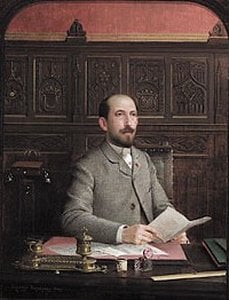
Georges Croegaert
1848 - 1923 , Belgium
Základné informácie
- Full Name: Paul Gauguin
- Nationality: French
- Date Of Birth: 1848
- Date Of Death: 1923
- Place Of Birth: Antwerp, Belgium
- Notable Artworks:
- Vision of the Sermon
- Where Do We Come From?
- Iahoteka
- Artistic Movement Or Style:
- Post-Impressionism
- Symbolism
- Synthetism
- Artists Who Influenced This Artist:
- Cézanne
- van Gogh
- Artists Or Movements Influenced By This Artist:
- Nabis
- Fauvism