
 Náhľad v interiéri
 Odoslať ako digitálnu kartu
 Zdieľať
 Podrobnosti o dielo
 Príručka

 Stiahnuť obraz
 Podobné položky
 RTG skúška
 Prehliadanie diapozoje
 Q&A
Q&A Štatistiky
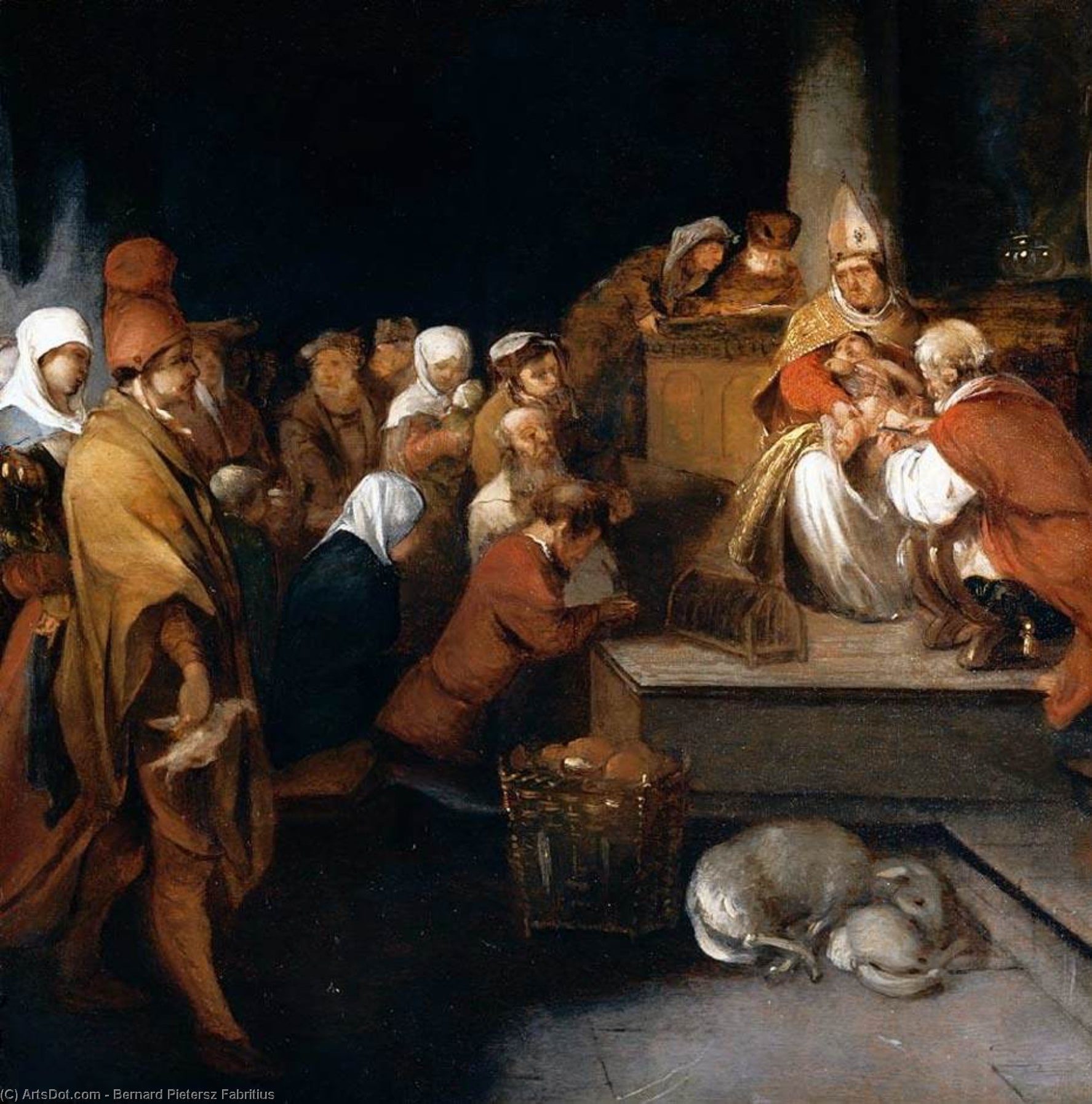
Barent - the circumcision
 Zobraziť viac
Giclée / Umenotlač
Giclée tlač alebo plátno múzeálnej kvality s rýchlou výrobou a rôznymi možnosťami povrchovej úpravy. ( Kúpiť ručne maľovaný obraz Prepnúť na digitálny obraz)




































Vyberte si z našich preddefinovaných rozmerov, ktoré zodpovedajú pôvodným pomeroḿ diela.

Zadajte šírku a výšku, ktoré potrebujete, aby sa reprodukcia hodila k vášmu rámu alebo stene. Print možno len orezávať, nikdy však nemennú veľkosť zvětšiť oproti pôvodnému obrázku, preto pri inom formáte stráca časť obrazu. Pred samotným vytlačiacím procesom vám pošleme digitálny náhľad na schválenie. Obrázok zobrazený na tejto stránke nezobrazuje reálny rez — len digitálny náhľad ukazuje presný výsledok.
Celosvetová doprava () do 2 týždňov namiesto štandardných 4 až 5 týždňov. (2 november)

Bezplatná expresná doprava po celom svete

Vysokokvalitné lnianske plátno

Kompletné poistenie prepravy

Záruka vrátenia colného poplatku

Záruka presného farebného zhodnutia

100-dená politika vrátenia tovaru (iba pri vadách)

100% záruka vrátenia peňazí

Zľava pri väčšom množstve
 Možnosť skla je dostupná len pri rozmeroch pod 110 cm

Barent - the circumcision
Giclée / Umenotlač
Veľkosť reprodukcie
-


Celková cena
€ 55
Podobné diela


Biografia umelca
The Enigmatic Master of Light: The Life and Legacy of Bernard Pietersz Fabritius
In the golden era of the Dutch Baroque, few names evoke as much quiet intrigue as Bernard Pietersz Fabritius. Born in Muiden in 1624, Fabritius emerged from the shadows of the Netherlands' rich artistic landscape to become a painter of profound psychological depth and technical brilliance. While his life was tragically truncated by illness in 1673, the impact of his brushwork remains etched in the annals of art history. His journey began under the tutelage of Hendrick Jacobsz van Dyck, where he absorbed the intricate stylistic precepts of Flemish Mannerism. This early training provided him with a robust foundation in portraiture and genre scenes, yet Fabritius would soon transcend mere imitation to develop a voice that was uniquely his own—one characterized by an almost unsettling realism and a masterful command over the interplay of light and shadow.
The artistry of Fabritius is defined by a singular ability to capture the ephemeral. He did not merely paint subjects; he breathed life into them through a meticulous attention to detail and a dedication to anatomical accuracy that mirrored the burgeoning scientific curiosity of his age. His canvases often serve as windows into the intimate, much more human moments of 17th-century life. Whether depicting the stark, visceral reality of daily existence in works like The Slaughtered Pig or portraying the quiet dignity of rural labor in Ruth and Boaz, Fabritius possessed a rare talent for finding the extraordinary within the ordinary. His use of chiaroscuro—the dramatic contrast between light and dark—was not merely a technical feat but an emotional tool used to guide the viewer's eye and evoke a sense of spiritual or psychological tension.
A Convergence of Science, Spirit, and Style
Fabritius’s creative evolution was deeply intertwined with the intellectual ferment of his time. Living and working during the flourishing of Leiden University, he found himself at the heart of a community where art and science began to dance in close proximity. His connections to luminaries such as Johannes Vermeer and Willem van der Helm suggest an artist who was deeply engaged with the innovations of his peers. This environment of intellectual curiosity likely encouraged his exploration of new perspectives and his pursuit of a more luminous, naturalistic aesthetic. This intersection of disciplines is perhaps most evident in his biblical compositions, where he utilized dramatic lighting to convey profound spiritual fervor, turning theological narratives into palpable, human experiences.
The breadth of his repertoire allowed him to navigate between the sacred and the secular with seamless grace. His achievements can be seen across a diverse spectrum of subject matter:
- Biblical Narratives: In masterpieces such as Abraham Dismissing Hagar and Ishmael, he utilized dramatic compositions to capture the weight of divine and human emotion.
- Genre Painting: He excelled in capturing the textures of everyday life, bringing a sense of tactile reality to scenes of domesticity and labor.
- Portraiture: His ability to imbue faces with psychological insight made him a sought-after chronicler of the human condition, most notably seen in the poignant Young Painter.
Ultimately, the historical significance of Bernard Pietersz Fabritius lies in his role as a bridge between the structured elegance of Mannerism and the profound realism of the Dutch Golden Age. He was an artist who understood that light does not just illuminate a scene; it defines its soul. Though his career ended far too soon, the enduring power of his works continues to captivate modern audiences, offering a hauntingly beautiful glimpse into a world where every shadow tells a story and every highlight holds a truth.

Bernard Pietersz Fabritius
1624 - 1673 , Netherlands
Základné informácie
- Artistic Movement Or Style: Dutch Baroque
- Artists Who Influenced This Artist: ['Hendrick Jacobsz van Dyck']
- Full Name: Bernard Pietersz Fabritius
- Nationality: Dutch
- Notable Artworks:
- The Slaughtered Pig
- Ruth and Boaz
- Abraham Dismissing Hagar and Ishmael
- Self-Portrait as a Shepherd
- Place Of Birth: Muiden, Netherlands
- Date Of Birth: 1624
- Date Of Death: 1673