
The picture follows your choices: , .
Biografia umelca
Discover Bernard Pietersz Fabritius (1624-1673), a Dutch Baroque painter known for poignant portraits & biblical scenes like 'The Young Painter.' Explore his masterful works!
 Zobraziť viac
Ručne maľovaná olejová reprodukcia
Ručne maľovaný olej na plátne vo vašej zvolenej veľkosti a v ráme, vyrobený na mieru našimi umelcami. ( Prepnúť na tlač Prepnúť na digitálny obraz)
More about this painting
 Náhľad v interiéri
 Odoslať ako digitálnu kartu
 Zdieľať
 Podrobnosti o dielo
 Príručka

 Stiahnuť obraz
 Podobné položky
 RTG skúška
 Prehliadanie diapozoje
 Q&A
Q&A Štatistiky
Order your painting in four simple steps
Take your time. You can change any answer; the price in your order card follows each choice.
1 Step one of four
Which size would you like?
These sizes keep the proportions of the original painting. The drawing shows your choice on a wall, above a two-metre sofa.
Or give your own measurements
Vyberte si z našich preddefinovaných rozmerov, ktoré zodpovedajú pôvodným pomeroḿ diela.

Zadajte šírku a výšku, ktoré potrebujete, aby sa dielo hodilo k vášmu rámu alebo stene. Keďže ide o ručnú maľbu, pri rozmeroch s odlišným pomerom strán môže umelec namalovať o niečo viac okolo obrázka alebo ho mierne orezatú — výber patrí vám. Pred začatím maľovania vám pošleme digitálnu ukážku na schválenie. Obrázok zobrazený na tejto stránke nenahrádza reálny výsledok — ten zobrazuje iba digitálna ukážka.
2 Step two of four
How should it be prepared: rolled, stretched or framed?
The prices below are for the size you chose in step one.
Choose the edges of the stretched canvas
Choose your frame

White €1

Blurside €1

Extended €1

P118B €10

P118H €10

P118W €10

P438Z €10

P508JH €12

P508YH €12

P805H €10

P805Z €10

P919BZ €10

P919G €10

P919XJ €10

P959ZH €10

P968JZ €12

W106C €8

W218G €10

W218JH €8

W218Y €10

W307PJ €10

W316G €10

W316PJ €8

W316Y €10

W398PJ €8

W4111J €10

W500HY €15

W500JH €15

W692G €12

W849H €8

W940BG €15

W953PJ €8

H24-GOLD €30

H24-SILVER €30

H36-GOLD €45

H36-SILVER €45
V rámoch
Moulding: . Overall size with the frame: .
3 Step three of four
Would you like anything changed in the painting?
Most people answer no. Because each painting is made by hand, our artist can also adapt it for you.
After order, ArtsDot.com team will email client for instructions and provide a mockup preview
4 Step four of four
A few finishing options
All of them are optional. The answers already selected cost nothing extra.
Who paints it?
Celosvetová doprava () za 3 až 4 týždne namiesto štandardných 5 týždňov. (31 október). Bez kompromisov v kvalite.
A nameplate, as in a museum?
Detaily vygravírovaného bronzového pláka
This elegant plaque features the artist's name and the title of the artwork, finely engraved for a timeless presentation.
It is made from bronze with a refined, elegant finish. The text is precisely laser-engraved for a sharp and permanent result. Measuring 9x2 cm, the plaque is compact yet easy to read. It's built to be durable and scratch-resistant, offering a professional, museum-quality look. Mounting is simple thanks to the included adhesive backing.
Detaily transparentnej akrylovej plăty
The plaque includes essential engraved details such as the artist's name, the title of the artwork, the date it was created, the type of media used-like oil on canvas or watercolor-a brief description of the piece, and a QR code that links to the complete artwork information.
It is crafted from clear acrylic, offering a sleek, modern appearance. The text is UV-engraved in black to ensure strong visual contrast. With a size of 10x15 cm, it ensures optimal readability. It comes equipped with two metal hooks for secure wall mounting. The plaque is designed to be weather-resistant, making it suitable for various environments, and it includes interactive features that work seamlessly with smartphone scanning.
Detaily čiernej akrylovej plăty
This elegant plaque includes engraved information such as the artist's name, the title of the artwork, the date it was created, the type of media used (like oil on canvas or watercolor), a short description of the artwork, and a QR code for quick access to more information.
The plaque itself is made from refined black acrylic with a premium finish. The text is laser-engraved in white for high contrast and readability. Its size is 10x15 cm, designed to be easy to read. It comes with two metal hooks for professional mounting. The design is sleek and fits any interior style. It is also weather-resistant and durable, with built-in digital integration for mobile compatibility.
A protective varnish?
When do you need it?
✓ Check and order
Your painting, as you ordered it

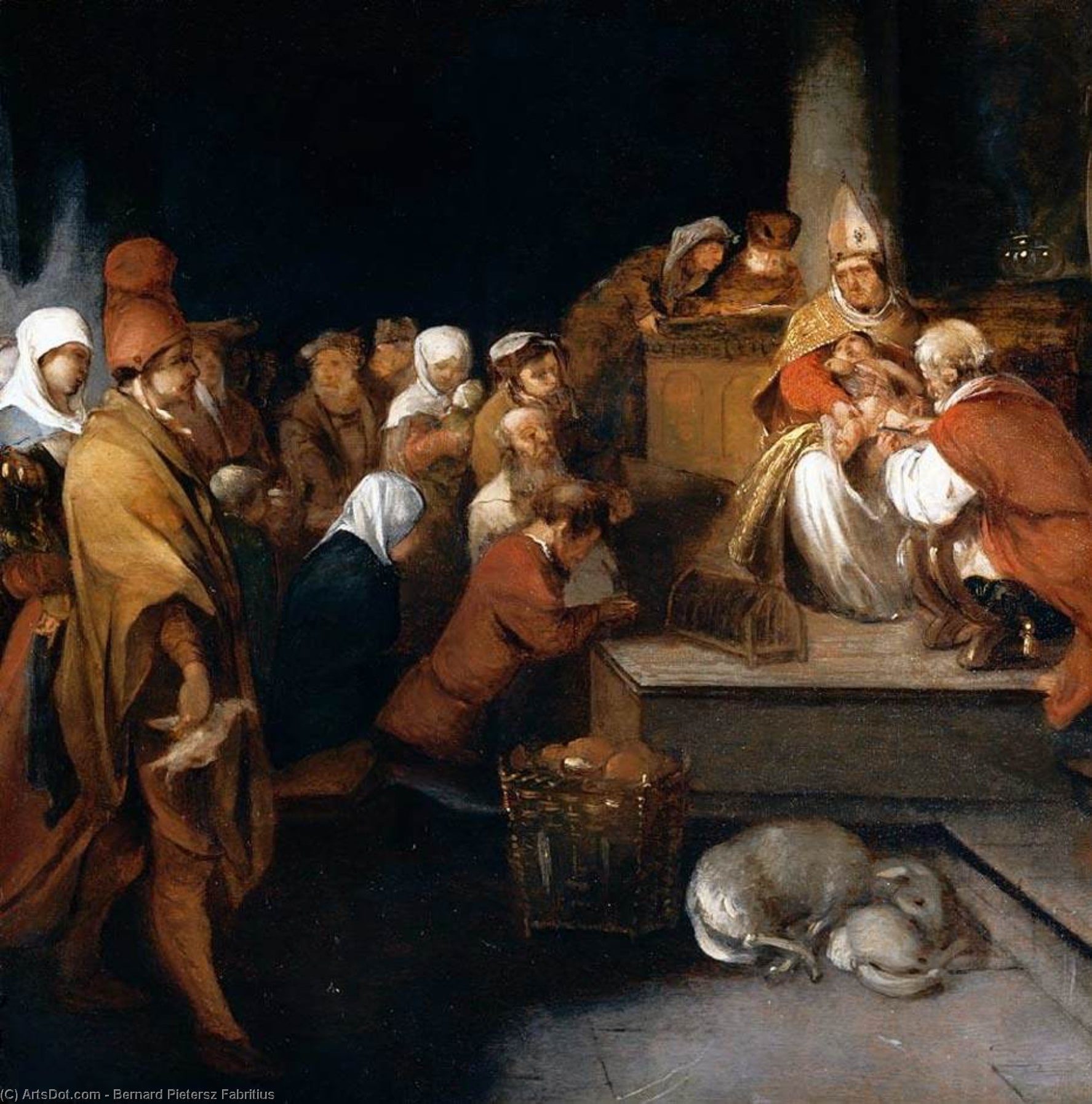
Barent - the circumcision
Technika reprodukcie
Veľkosť reprodukcie
-

Výborne skúsený umelec
Viac detailov, jemnosti a dodatočného času na výrobu
-

Rámovanie reprodukcie
-
-
V prípade umeleckých diel alebo reprodukcií, ktorých ktorákoľvek strana je väčšia ako 105 cm (cca 41 palcov), sa rám dodáva v rozloženom stave ako sada. Táto metóda zabezpečuje bezpečnú доставu a chráni pred poškodením počas prepravy.
Vyžaduje sa odborná montáž – toto nie je produkt na vlastnú prípravu (DIY).
Sada musí byť zmontovaná a plátno napnuté skúseným profesionálnym rámovaníkom, s použitím drevárneho lepidla (nie je súčasťou sady), klieš na napínanie plátna a svoriek na udržanie prav角的 rámov počas schnutia lepidla. Nesprávna montáž alebo nerovnomerné napnutie plátna môže trvalo poškodiť umelecké dielo, čo nie je kryté našou zárukou.
 V prípade umeleckých diel alebo reprodukcií, ktorých ktorákoľvek strana je väčšia ako 105 cm (cca 41 palcov), sa rám dodáva v rozloženom stave ako sada. Táto metóda zabezpečuje bezpečnú доставu a chráni pred poškodením počas prepravy.
Všetky lišty z masívneho dreva sú súčasťou balenia, presne narezané na mieru.
Montuje sa pomocou súčasťou balenia dodaných skrutiek, plus drevolepu na spoje v rohoch, ktorý nie je súčasťou balenia a musí si ho zabezpečiť váš montážnik.
Vyžadujú sa profesionálne nástroje, ktoré nie sú súčasťou sady: kliešte na napínanie plátna (napínací nástroj) a svorky na udržanie pravých uhlov rámov počas schnutia lepidla.
Dôležité:
Spoje v rohoch si vyžadujú lepidlo na drevo, tyče je potrebné upevniť pomocou svoriek, kým lepidlo úplne newyschne, a napnutie plátna na zostavený rám si vyžaduje klieže na napínanie plátna. Žiadna z týchto pomôcok nie je súčasťou sady. Pred objednaním tejto veľkosti si, prosím, zabezpečte skúseného odborníka na zakladanie rámov.

Popisné označenie
-
-

Ochranný lak
Lesklý lak (zvýrazňuje farby, chráni pred svetlom a vlhkosťou)
-

Prispôsobiť moje dielo
Príklady možností úprav: nahradenie tváre vlastnou fotografiou; pridanie domáceho zvieraťa (napr. nahradenie mačky psom); vloženie skrytého odkazu do pozadia; zmena krajiny alebo prvkov v pozadí.
-

Prioritné doručenie
Celosvetová doprava () za 3 až 4 týždne namiesto štandardných 5 týždňov. (31 október). Bez kompromisov v kvalite.
-
Rýchle doručenie
Celosvetová doprava do za 5 týždňov. (7 november).
V cene
Celková cena
€ 234
Možnosť skla je dostupná len pri rozmeroch pod 110 cm
Included with every order
- Bezplatná expresná doprava po celom svete
- Vysokokvalitné lnianske plátno
- Kompletné poistenie prepravy
- Záruka vrátenia colného poplatku
- Záruka presného farebného zhodnutia
- 100-dená politika vrátenia tovaru (iba pri vadách)
- 100% záruka vrátenia peňazí
- Zľava pri väčšom množstve


Podobné diela


Bernard Pietersz Fabritius
1624 - 1673, Netherlands
Biografia umelca
The Enigmatic Master of Light: The Life and Legacy of Bernard Pietersz Fabritius
In the golden era of the Dutch Baroque, few names evoke as much quiet intrigue as Bernard Pietersz Fabritius. Born in Muiden in 1624, Fabritius emerged from the shadows of the Netherlands' rich artistic landscape to become a painter of profound psychological depth and technical brilliance. While his life was tragically truncated by illness in 1673, the impact of his brushwork remains etched in the annals of art history. His journey began under the tutelage of Hendrick Jacobsz van Dyck, where he absorbed the intricate stylistic precepts of Flemish Mannerism. This early training provided him with a robust foundation in portraiture and genre scenes, yet Fabritius would soon transcend mere imitation to develop a voice that was uniquely his own—one characterized by an almost unsettling realism and a masterful command over the interplay of light and shadow.
The artistry of Fabritius is defined by a singular ability to capture the ephemeral. He did not merely paint subjects; he breathed life into them through a meticulous attention to detail and a dedication to anatomical accuracy that mirrored the burgeoning scientific curiosity of his age. His canvases often serve as windows into the intimate, much more human moments of 17th-century life. Whether depicting the stark, visceral reality of daily existence in works like The Slaughtered Pig or portraying the quiet dignity of rural labor in Ruth and Boaz, Fabritius possessed a rare talent for finding the extraordinary within the ordinary. His use of chiaroscuro—the dramatic contrast between light and dark—was not merely a technical feat but an emotional tool used to guide the viewer's eye and evoke a sense of spiritual or psychological tension.
A Convergence of Science, Spirit, and Style
Fabritius’s creative evolution was deeply intertwined with the intellectual ferment of his time. Living and working during the flourishing of Leiden University, he found himself at the heart of a community where art and science began to dance in close proximity. His connections to luminaries such as Johannes Vermeer and Willem van der Helm suggest an artist who was deeply engaged with the innovations of his peers. This environment of intellectual curiosity likely encouraged his exploration of new perspectives and his pursuit of a more luminous, naturalistic aesthetic. This intersection of disciplines is perhaps most evident in his biblical compositions, where he utilized dramatic lighting to convey profound spiritual fervor, turning theological narratives into palpable, human experiences.
The breadth of his repertoire allowed him to navigate between the sacred and the secular with seamless grace. His achievements can be seen across a diverse spectrum of subject matter:
- Biblical Narratives: In masterpieces such as Abraham Dismissing Hagar and Ishmael, he utilized dramatic compositions to capture the weight of divine and human emotion.
- Genre Painting: He excelled in capturing the textures of everyday life, bringing a sense of tactile reality to scenes of domesticity and labor.
- Portraiture: His ability to imbue faces with psychological insight made him a sought-after chronicler of the human condition, most notably seen in the poignant Young Painter.
Ultimately, the historical significance of Bernard Pietersz Fabritius lies in his role as a bridge between the structured elegance of Mannerism and the profound realism of the Dutch Golden Age. He was an artist who understood that light does not just illuminate a scene; it defines its soul. Though his career ended far too soon, the enduring power of his works continues to captivate modern audiences, offering a hauntingly beautiful glimpse into a world where every shadow tells a story and every highlight holds a truth.