


 Zobraziť v interiéri
 Odoslať
 Zdieľať
 Podrobnosti
 Príručkovo

 Stiahnuť
 Podobné položky
 RTG skúška
 Prehliadanie diapo\]
 Štatistiky
Haikko Jetty in the Moonlight

 Prečítať si viac
Giclée / Umenotlač
Giclée tlač alebo plátno múzeálnej kvality s rýchlou výrobou a rôznymi možnosťami povrchovej úpravy. ( Objednať ručne maľovanú reprodukciu Prepnúť na digitálnu verziu obrazu)




P118B $10

P118H $10

P118W $10

P438Z $10

P508JH $12

P508YH $12

P805H $10

P805Z $10

P919BZ $10

P919G $10

P919XJ $10

P959ZH $10

P968JZ $12

W106C $8

W218G $10

W218JH $8

W218Y $10

W307PJ $10

W316G $10

W316PJ $8

W316Y $10

W398PJ $8

W4111J $10

W500HY $15

W500JH $15

W692G $12

W849H $8

W940BG $15

W953PJ $8




Vyberte si z našich preddefinovaných rozmerov, ktoré zodpovedajú pôvodným pomeroḿ diela.

Môžete zadať vlastné rozmery, aby sa reprodukcia prispôsobila konkrétnemu rámu alebo priestoru. Ak zvolená veľkosť nebude zodpovedať proporciám originálu, dielo buď orežeme, alebo obraz rozšírime pomocou zrkadlenia či farebného doplnenia okrajov. Pred začatím výroby vám pošleme digitálnu ukážku na schválenie.
Máte na vedomí, že náhľad na obrazovke neodzrkadľuje skutočné orezanie alebo rozšírenie. Len digitálna ukážka presne zobrazí finálnu kompozíciu.
Hoci sú k dispozícii vlastné rozmery, pre zachovanie pôvodných proporcií odporúčame vybrať si rozmer z vopred definovaného zoznamu.
Celosvetová doprava () do 2 týždňov namiesto štandardných 4 až 5 týždňov. (24 september)

Bezplatná expresná doprava po celom svete

Vysokokvalitné lnianske plátno

Úplné poistenie prepravy

Záruka vrátenia colného poplatku

Záruka presného farebného zhodnutia

100-dená politika vrátenia tovaru (iba pri vadách)

100% záruka vrátenia peňazí

Ponuka množstevnej zľavy
 Možnosť skla je dostupná len pri rozmeroch pod 110 cm

Haikko Jetty in the Moonlight
Giclée / Umenotlač
Veľkosť reprodukcie
-


Celková cena
$ 62
A Nocturne of Finnish Tranquility: Haikko Jetty in the Moonlight by Albert Edelfelt
The painting “Haikko Jetty in the Moonlight,” executed by Albert Edelfelt in 1894, embodies a quintessential vision of late nineteenth-century Finnish realism—a genre characterized by meticulous observation and an earnest desire to capture the spirit of its subject matter. More than just a depiction of a seaside harbor at dusk, it’s a profound meditation on familial connection, rural beauty, and the melancholic charm inherent in fleeting moments of serenity. The scene unfolds over Haikko Bay, a location that held particular significance for Edelfelt's family; they had purchased a villa there in 1880, establishing it as their cherished summer retreat until his untimely demise in 1905. This personal investment undoubtedly fueled Edelfelt’s artistic fervor and resulted in numerous canvases celebrating the region’s breathtaking vistas—a testament to his unwavering devotion to Finland. As Katri Reitz notes, “In Jetty in the Moonlight (1882), Albert Edelfelt (1854–1905) depicted an idyllic scene over a bay at night.” Edelfelt's masterful technique is immediately apparent upon examination. Employing oil on cardboard—a common medium for plein air painting during his era—he achieved remarkable luminosity through careful layering and blending. Visible brushstrokes contribute to the texture of the water, conveying its coolness and movement with palpable immediacy. The artist skillfully rendered reflections from the full moon, casting an ethereal glow over the jetty and illuminating the boats moored along its shoreline. This impressionistic approach prioritizes capturing the sensory experience—the visual beauty—above precise anatomical detail. Symbolically, “Haikko Jetty in the Moonlight” speaks to themes of domestic harmony and nostalgia for simpler times. The solitary wooden boat resting on the shore serves as a poignant reminder of human presence within the vast expanse of nature. Its mirrored reflection underscores the importance of introspection and contemplation amidst the grandeur of the landscape. Furthermore, the jetty itself represents a connection between past and present—a tangible link to Edelfelt’s formative years spent in Haikko and his enduring appreciation for Finnish heritage. The painting's palette leans heavily into cool blues and greens, mirroring the tranquil atmosphere of a summer night. The subdued tonal range enhances the emotional impact, evoking feelings of peace, solitude, and wistful remembrance. While Edelfelt’s signature remains unobtrusive in the lower right corner—a detail that lends an air of authenticity to the artwork—the painting's enduring appeal lies not merely in its technical prowess but also in its ability to transport viewers back to a bygone era and resonate with their deepest sensibilities. It stands as a timeless masterpiece, capturing the essence of Finnish identity and offering a glimpse into the soul of one of Finland’s most celebrated artists.Súvisiace diela


Biografia umelca
early life and education
Albert Gustaf Aristides Edelfelt, a luminescent figure in Finnish art history, was born on July 21st, 1854, in Porvoo – a city steeped in Swedish heritage nestled amidst the serene landscapes of Finland. His parents, Carl Albert Edelfelt and Alexandra Edelfelt (née Brandt), instilled in him a profound appreciation for aesthetics from an early age, shaping his artistic sensibilities. From childhood, Albert demonstrated an innate talent for drawing and painting, foreshadowing the remarkable career that would unfold before him. He pursued formal studies diligently at the Drawing School of the Finnish Art Society in Helsinki, honing his skills under the guidance of accomplished instructors – a formative experience that cemented his dedication to mastering the craft of visual representation.artistic journey
Edelfelt’s artistic trajectory charted an impressive course through Europe's foremost academies and studios. Recognizing his potential, he embarked on a transformative voyage to Antwerp Academy of Art in 1873-74, where he immersed himself in the study of history painting – absorbing techniques and stylistic considerations that would profoundly influence his subsequent oeuvre. Subsequently, he traveled to École nationale des beaux-arts in Paris (1874-78), under the mentorship of Jean-Léon Gérôme, a celebrated realist painter whose mastery captivated Edelfelt’s imagination. This Parisian sojourn provided invaluable exposure to diverse artistic currents and broadened his creative horizons. A brief but impactful visit to Saint Petersburg in 1881-82 further enriched his artistic understanding, exposing him to the grandeur of Russian imperial art and fostering connections with influential artists of the era.rise to prominence and notable works
Edelfelt’s ascent to artistic renown commenced with a resounding victory at the Paris Universal Exposition of 1889 – securing him a prestigious gold medal that catapulted his reputation across international circles. This accolade served as a catalyst for his prolific output, resulting in masterpieces that captured the essence of Finnish identity and humanist ideals. Among his most celebrated works are: “Portrait of Louis Pasteur,” an evocative depiction of the pioneering scientist imbued with meticulous detail and psychological insight; “Young Woman in Her Boudoir,” a delicately rendered portrait conveying grace and intimacy; and “Under the Birches,” a breathtaking landscape painting that embodies the spirit of Finnish wilderness – showcasing Edelfelt’s unparalleled ability to translate visual impressions into emotionally resonant imagery. His artistic vision extended beyond individual portraits, encompassing monumental canvases that celebrated national heritage and commemorated significant historical events.legacy and impact
Albert Edelfelt stands as one of Finland's foremost artists—a beacon of realism who irrevocably shaped the course of Finnish art history. His influence resonated deeply within subsequent generations of painters, notably Akseli Gallen-Kallela and Gunnar Berndtson – whom he championed during their formative years in Paris, fostering their artistic breakthroughs and establishing enduring connections between artistic mentors and proteges. Edelfelt’s unwavering commitment to portraying human experience with unflinching honesty cemented his place as a pivotal figure in the realist movement—a stylistic approach characterized by meticulous observation and an uncompromising dedication to capturing the subtleties of everyday life. His legacy continues to inspire artists today, reminding us of the transformative power of art to illuminate the human condition.museum collections and commemoration
Edelfelt’s artistic achievements are proudly displayed in esteemed museums across Finland, most notably Ateneumin Taidemuseo in Helsinki – where visitors can marvel at a comprehensive collection of his paintings—a testament to his enduring artistic significance. To honor his centenary birth anniversary in 2004, the Finnish Mint issued a commemorative €100 coin bearing Edelfelt’s likeness—a tangible symbol of Finland's appreciation for its artistic heritage. His works remain captivating subjects of scholarly study and continue to resonate with audiences worldwide – securing his place as an icon of Finnish art and culture.
Albert Edelfelt
1854 - 1905 , Finland
Rýchle fakty
- Artistic Movement Or Style: Realizmus
- Artists Or Movements Influenced By This Artist: ['Akseli Gallen-Kallela']
- Artists Who Influenced This Artist: ['Jean-Léon Gérôme']
- Date Of Birth: 21. júla 1854
- Date Of Death: 1905
- Full Name: Albert Gustaf Aristides Edelfelt
- Nationality: Švédsko-finský
- Notable Artworks:
- Portrét Louisa Pasteura
- Mladá žena v boudoiru
- Pod borovicami
- Place Of Birth: Porvoo, Finland
Súvisiace články

Paul Cézanne: Top 25 Majstrovských Diel pre Váš Domov – Kolekcia ArtsDot
Objavte top 25 diel Paula Cézanna – impresionistické krajinomaľby, zátišia a portréty. Prežite príbeh umelca a jeho majstrovských techník. Reprodukcie obrazov pre luxusný domov na ArtsDot.com

Impresionizmus: Top 10 diel, ktoré definovali revolúciu v umení | ArtsDot
Ponorte sa do sveta impresionizmu s top 10 dielami od Monet, Renoir a ďalších majstrov. Objavte príbehy, techniky a farebnú krásu tohto revolučného umenia na ArtsDot.com. Reprodukcie obrazov pre váš domov.

Albert Charles Lebourg: A Study in Atmospheric Impressionism & Rural France
Explore the serene landscapes of Albert Charles Lebourg, a master of the Rouen School Impressionists. Discover his atmospheric paintings of the Seine and enduring legacy in 19th-century French art.

Akseli Gallen-Kallela: Shaping Finnish Identity Through National Romanticism & Symbolism
Explore the captivating world of Akseli Gallen-Kallela, Finland's iconic National Romantic painter. Discover his symbolic landscapes, Kalevala illustrations & lasting impact on Finnish identity. Expert analysis & high-quality reproductions at ArtsDot.
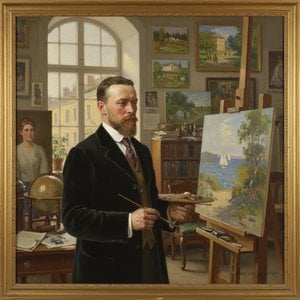
Albert Edelfelt: A Pioneer of Finnish Realism & International Impressionist Circles
Explore the life & work of Albert Edelfelt, a pioneering Finnish Realist painter who bridged Impressionism & national identity. Discover his masterpieces and lasting influence on art history.
