

 Náhľad v interiéri
 Odoslať ako digitálnu kartu
 Zdieľať
 Podrobnosti o dielo
 Príručka

 Stiahnuť obraz
 Podobné položky
 RTG skúška
 Prehliadanie diapozoje
 Otázky a odpovede
 Štatistiky
Burnt Village


 Zobraziť viac
Giclée / Umenotlač
Giclée tlač alebo plátno múzeálnej kvality s rýchlou výrobou a rôznymi možnosťami povrchovej úpravy. ( Kúpiť ručne maľovaný obraz Prepnúť na digitálny obraz)




































Vyberte si z našich preddefinovaných rozmerov, ktoré zodpovedajú pôvodným pomeroḿ diela.

Zadajte šírku a výšku, ktoré potrebujete, aby sa reprodukcia hodila k vášmu rámu alebo stene. Print možno len orezávať, nikdy však nemennú veľkosť zvětšiť oproti pôvodnému obrázku, preto pri inom formáte stráca časť obrazu. Pred samotným vytlačiacím procesom vám pošleme digitálny náhľad na schválenie. Obrázok zobrazený na tejto stránke nezobrazuje reálny rez — len digitálny náhľad ukazuje presný výsledok.
Celosvetová doprava () do 2 týždňov namiesto štandardných 4 až 5 týždňov. (7 november)

Bezplatná expresná doprava po celom svete

Vysokokvalitné lnianske plátno

Kompletné poistenie prepravy

Záruka vrátenia colného poplatku

Záruka presného farebného zhodnutia

100-dená politika vrátenia tovaru (iba pri vadách)

100% záruka vrátenia peňazí

Zľava pri väčšom množstve
 Možnosť skla je dostupná len pri rozmeroch pod 110 cm

Burnt Village
Giclée / Umenotlač
Veľkosť reprodukcie
-


Celková cena
€ 56
Albert Edelfelt’s “Burnt Village”: A Frozen Moment of Sorrow and Resilience
Albert Edelfelt's "Burnt Village," painted in 1879, is more than just a winter landscape; it’s a poignant tableau that speaks to the enduring spirit of a people facing devastation. This oil-on-canvas masterpiece, created during a period of significant artistic exploration for Edelfelt, offers a glimpse into a pivotal moment in Finnish history – the aftermath of the Cudgel War (1596–1597), a brutal peasant uprising against Swedish rule. The painting depicts an imagined scene, meticulously rendered with a realism that borders on photographic detail, capturing the stark beauty and profound sadness of a village reduced to ashes.
The central figures – a woman in a vibrant red skirt, her gaze fixed upwards, and an older man supporting himself with what appears to be a staff – immediately draw the viewer’s attention. Their postures convey a sense of quiet dignity amidst unimaginable loss. The snow-covered ground, the imposing rock formation hinting at a shoreline, and the overcast sky contribute to a palpable atmosphere of coldness and isolation. Edelfelt's masterful use of color—the dominant cool tones of white, gray, and blue punctuated by the warm red – heightens the emotional impact, emphasizing both the bleakness of the scene and the enduring warmth of human resilience.
Realism and the Finnish Artistic Landscape
Edelfelt’s artistic journey was shaped by his time in Antwerp and Paris, where he honed his skills in history painting. However, it's within the context of Realism that “Burnt Village” truly shines. Following the influence of Jean-Léon Gérôme during his Parisian studies, Edelfelt returned to Finland with a commitment to depicting everyday life and historical events with unflinching honesty. This approach was revolutionary for its time, moving away from idealized depictions towards a more grounded and socially conscious representation of the Finnish people.
The painting’s meticulous detail – the textures of the snow, the folds in the clothing, the expressions on the faces – are hallmarks of Edelfelt's technique. He employed a layering method, building up thin glazes of paint to achieve remarkable luminosity and depth. This painstaking process is evident in every brushstroke, contributing significantly to the painting’s enduring power.
Symbolism and Historical Context
"Burnt Village" isn’t simply a depiction of a historical event; it's laden with symbolic meaning. The title itself immediately evokes images of destruction and loss, reflecting the brutal realities of the Cudgel War. The peasant family, frozen in this moment, represents not just individual suffering but also the broader struggle for freedom and self-determination that characterized Finnish history. The woman’s upward gaze suggests a yearning for hope amidst despair, while the older man's support symbolizes the importance of community and tradition in times of crisis.
Interestingly, the painting was created during a period when Finland was transitioning from Swedish rule towards greater autonomy. Edelfelt’s work, therefore, can be seen as subtly advocating for this burgeoning national identity. The Cygnaeus Gallery's acquisition of the piece further underscores its significance within Finnish cultural heritage.
A Timeless Masterpiece – Perfect for Your Space
ArtsDot offers a stunning hand-painted reproduction of Albert Edelfelt’s “Burnt Village,” allowing you to bring this powerful and evocative artwork into your home or office. Each reproduction is created by skilled artisans, meticulously replicating Edelfelt's original technique and color palette. Whether you are an art collector, an interior designer seeking a statement piece, or simply someone who appreciates the beauty of historical painting, this reproduction offers a unique opportunity to own a fragment of Finnish artistic history – a testament to resilience, sorrow, and the enduring power of the human spirit.
Otázky a odpovede
Patrí dielo „Burnt Village“ od Albert Edelfelt medzi svetlé alebo tmavé?
Jasnosť diela „Burnt Village“ od Albert Edelfelt je zaznamenaná ako bright pri luminancii Bright Balance.
Existuje sprievodca k dielu „Burnt Village“ od Albert Edelfelt?
Pre dielo „Burnt Village“ od Albert Edelfelt je k dispozícii stránka Sprievodca študentom: tlačiteľný informačný list o umedení, navrhnutý pre študentov a využitie v triedach.
Na čo sa odporúča použiť „Burnt Village“ od Albert Edelfelt?
Odporúčané použitie pre „Burnt Village“ od Albert Edelfelt je Statement. Môže však slúžiť aj na iné účely.
Podobné diela


Biografia umelca
early life and education
Albert Gustaf Aristides Edelfelt, a luminescent figure in Finnish art history, was born on July 21st, 1854, in Porvoo – a city steeped in Swedish heritage nestled amidst the serene landscapes of Finland. His parents, Carl Albert Edelfelt and Alexandra Edelfelt (née Brandt), instilled in him a profound appreciation for aesthetics from an early age, shaping his artistic sensibilities. From childhood, Albert demonstrated an innate talent for drawing and painting, foreshadowing the remarkable career that would unfold before him. He pursued formal studies diligently at the Drawing School of the Finnish Art Society in Helsinki, honing his skills under the guidance of accomplished instructors – a formative experience that cemented his dedication to mastering the craft of visual representation.artistic journey
Edelfelt’s artistic trajectory charted an impressive course through Europe's foremost academies and studios. Recognizing his potential, he embarked on a transformative voyage to Antwerp Academy of Art in 1873-74, where he immersed himself in the study of history painting – absorbing techniques and stylistic considerations that would profoundly influence his subsequent oeuvre. Subsequently, he traveled to École nationale des beaux-arts in Paris (1874-78), under the mentorship of Jean-Léon Gérôme, a celebrated realist painter whose mastery captivated Edelfelt’s imagination. This Parisian sojourn provided invaluable exposure to diverse artistic currents and broadened his creative horizons. A brief but impactful visit to Saint Petersburg in 1881-82 further enriched his artistic understanding, exposing him to the grandeur of Russian imperial art and fostering connections with influential artists of the era.rise to prominence and notable works
Edelfelt’s ascent to artistic renown commenced with a resounding victory at the Paris Universal Exposition of 1889 – securing him a prestigious gold medal that catapulted his reputation across international circles. This accolade served as a catalyst for his prolific output, resulting in masterpieces that captured the essence of Finnish identity and humanist ideals. Among his most celebrated works are: “Portrait of Louis Pasteur,” an evocative depiction of the pioneering scientist imbued with meticulous detail and psychological insight; “Young Woman in Her Boudoir,” a delicately rendered portrait conveying grace and intimacy; and “Under the Birches,” a breathtaking landscape painting that embodies the spirit of Finnish wilderness – showcasing Edelfelt’s unparalleled ability to translate visual impressions into emotionally resonant imagery. His artistic vision extended beyond individual portraits, encompassing monumental canvases that celebrated national heritage and commemorated significant historical events.legacy and impact
Albert Edelfelt stands as one of Finland's foremost artists—a beacon of realism who irrevocably shaped the course of Finnish art history. His influence resonated deeply within subsequent generations of painters, notably Akseli Gallen-Kallela and Gunnar Berndtson – whom he championed during their formative years in Paris, fostering their artistic breakthroughs and establishing enduring connections between artistic mentors and proteges. Edelfelt’s unwavering commitment to portraying human experience with unflinching honesty cemented his place as a pivotal figure in the realist movement—a stylistic approach characterized by meticulous observation and an uncompromising dedication to capturing the subtleties of everyday life. His legacy continues to inspire artists today, reminding us of the transformative power of art to illuminate the human condition.museum collections and commemoration
Edelfelt’s artistic achievements are proudly displayed in esteemed museums across Finland, most notably Ateneumin Taidemuseo in Helsinki – where visitors can marvel at a comprehensive collection of his paintings—a testament to his enduring artistic significance. To honor his centenary birth anniversary in 2004, the Finnish Mint issued a commemorative €100 coin bearing Edelfelt’s likeness—a tangible symbol of Finland's appreciation for its artistic heritage. His works remain captivating subjects of scholarly study and continue to resonate with audiences worldwide – securing his place as an icon of Finnish art and culture.
Albert Edelfelt
1854 - 1905 , Finland
Základné informácie
- Artistic Movement Or Style: Realizmus
- Artists Or Movements Influenced By This Artist: ['Akseli Gallen-Kallela']
- Artists Who Influenced This Artist: ['Jean-Léon Gérôme']
- Date Of Birth: 21. júla 1854
- Date Of Death: 1905
- Full Name: Albert Gustaf Aristides Edelfelt
- Nationality: Švédsko-finský
- Notable Artworks:
- Portrét Louisa Pasteura
- Mladá žena v boudoiru
- Pod borovicami
- Place Of Birth: Porvoo, Finland
Súvisiace články

The Evocative Embrace of Reality: Exploring Romantic Realism in 19th-Century Painting
Explore the captivating world of Romantic Realism! Discover key artists like Courbet & Millet, masterpieces, and the social context behind this influential art movement. Expert insights for collectors at ArtsDot.

Romantic Realism's Finest: 10 Masterpieces for Your Home | ArtsDot
Explore 10 defining masterpieces of Romantic Realism! Discover Courbet, Millet & Daumier's powerful paintings—capturing emotion and social realities. Find museum-quality reproductions for your home at ArtsDot.com.
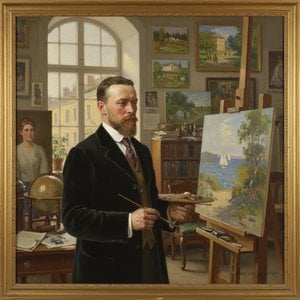
Albert Edelfelt: A Pioneer of Finnish Realism & International Impressionist Circles
Explore the life & work of Albert Edelfelt, a pioneering Finnish Realist painter who bridged Impressionism & national identity. Discover his masterpieces and lasting influence on art history.

Echoes of Society: Exploring Social Realism's Enduring Legacy in Art
Explore the powerful world of Social Realism art! Discover key artists, masterpieces & its profound social commentary. Expert insights into this influential movement's history and enduring legacy.

The Poetic Truth of Observation: Exploring 19th-Century Realism in Painting
Explore the captivating world of 19th-century Realism! Discover key artists like Courbet & Millet, masterpieces, and the powerful social commentary behind this influential art movement. Expert insights at ArtsDot.
