
- Domov

- Reprodukcia olejomaľby
- Agnolo Bronzino
- Venus, Cupid and Envy

 Kúpiť tlač Kúpiť digitálnu verziu
 Odoslať
 Zdieľať
 Details
 Pridať do obľúbených

 Stiahnuť
 Podobné diela
 X-Ray
X-Ray
 Prezentácia
Venus, Cupid and Envy
 Oil On Canvas
- WallArt
- Mannerism
 1548
1548 192.0 x 142.0 cm
 Szépművészeti Múzeum
Ručne maľovaná olejová reprodukcia
Ručne maľovaný olej na plátne vo vašej zvolenej veľkosti a v ráme, vyrobený na mieru našimi umelcami.




P118B $10

P118H $10

P118W $10

P438Z $10

P508JH $12

P508YH $12

P805H $10

P805Z $10

P919BZ $10

P919G $10

P919XJ $10

P959ZH $10

P968JZ $12

W106C $8

W218G $10

W218JH $8

W218Y $10

W307PJ $10

W316G $10

W316PJ $8

W316Y $10

W398PJ $8

W4111J $10

W500HY $15

W500JH $15

W692G $12

W849H $8

W940BG $15

W953PJ $8




 Zobraziť viac informácií
Vyberte si z našich preddefinovaných rozmerov, ktoré zodpovedajú pôvodným pomeroḿ diela.

Môžete zadať vlastné rozmery tak, aby sa hodili do konkrétneho rámu alebo priestoru. Ak sa váš zvolený rozmer nezhoduje s pôvodnými proporciami obrazu, dielo buď orezáme, alebo ho doplníme ručne maľovanými prvkami. Pred začiatkom výroby vám zašleme digitálny náhľad na schválenie.
Upozorňujeme, že ukážka na obrazovke neodráža skutočné orezanie alebo doplnenie. Skutočnú finálnu kompozíciu zobrazuje iba digitálny náhľad.
Hoci sú k dispozícii vlastné rozmery, odporúčame vybrať rozmer z preddefinovaného zoznamu, aby sme zachovali pôvodné proporcie.
Po odoslaní objednávky vám tím ArtsDot.com pošle e-mail s pokynmi a poskytne náhľad na návrh.
Celosvetová doprava () za 3 až 4 týždne namiesto štandardných 5 týždňov. (1 júl). Bez kompromisov v kvalite.

Bezplatná expresná doprava po celom svete

Prémiové lnianske plátno

Kompletné poistenie prepravy

Záruka vrátenia colného poplatku

Záruka presného farebného zhodnutia

60-dňá politika vrátenia (iba pri defektoch)

100% záruka vrátenia peňazí

Výhodná množstevná zľava
 Možnosť skla je dostupná len pri rozmeroch pod 110 cm

Venus, Cupid and Envy
Technika reprodukcie
Veľkosť reprodukcie
-


Celková cena za vybrané možnosti
-
Popis diela
Agnolo Bronzino’s *Venus, Cupid and Envy*: A Study in Mannerist Elegance
Painted in 1548 by the Florentine master Agnolo Bronzino, *Venus, Cupid and Envy* is a captivating embodiment of Mannerist aesthetics – a style characterized by its deliberate artifice, elongated forms, and an intense focus on refined beauty. This exquisite oil painting, measuring 192 x 142 cm, transports the viewer to a world of classical mythology, sensual allure, and subtly unsettling emotion. Bronzino’s reputation as “the Master of Reserved Elegance” is perfectly realized here; he eschews the overtly emotional fervor of his contemporaries like Pontormo, instead crafting an image steeped in cool composure and meticulously rendered detail.
Composition and Technique
- Dynamic Arrangement: The composition immediately draws the eye to Venus, reclining with a languid grace upon a draped couch. Her pose is deliberately theatrical, reflecting the influence of Renaissance stagecraft and emphasizing her role as the goddess of love.
- Mannerist Distortion: Bronzino masterfully employs Mannerist techniques – notably elongated figures, subtly distorted perspectives, and an emphasis on elegant lines – to create a sense of visual tension and complexity. The putti flanking Venus are not merely decorative; their gestures and expressions contribute to the overall narrative of desire and potential conflict.
- Masterful Brushwork: The painting’s remarkable realism is achieved through Bronzino's incredibly precise brushwork. He meticulously builds up layers of oil paint, creating a rich texture that captures the nuances of skin tones, the flowing movement of drapery, and the subtle reflections of light. This technique demonstrates an unparalleled command of color blending and application.
Symbolism and Mythological Narrative
*Venus, Cupid and Envy* is rich in symbolic meaning rooted in classical mythology. Venus, as the goddess of love, is depicted with a bow and arrow, signifying her power to both bestow and inflict passion. The putti, representing Cupid (Eros), embody youthful desire and fertility. However, the inclusion of the partially visible satyr beneath Venus introduces an element of envy – a potent emotion often associated with beauty and unattainable love. This subtle detail elevates the painting beyond a simple depiction of mythological figures; it becomes a meditation on human vulnerability and the destructive nature of jealousy.
Historical Context and Artistic Influences
Bronzino’s work emerged during a period of significant artistic change in Florence. While influenced by the High Renaissance masters like Leonardo da Vinci and Michelangelo, he moved decisively into Mannerism, rejecting the idealized forms and harmonious compositions favored by his predecessors. His training under Pontormo initially shaped his style, but Bronzino quickly developed his own distinctive voice – one characterized by a cool detachment and an almost obsessive attention to detail. This painting reflects the artistic climate of 16th-century Florence, where artists sought to explore new aesthetic possibilities and challenge traditional notions of beauty.
Emotional Impact and Aesthetic Value
*Venus, Cupid and Envy* continues to resonate with viewers centuries after its creation. The painting’s sensual atmosphere, combined with its intellectual complexity, evokes a powerful emotional response – a blend of fascination, desire, and perhaps even a touch of melancholy. Bronzino's ability to capture both the physical beauty of his subject and the underlying psychological tensions makes this work a timeless masterpiece. Its meticulous detail and elegant composition make it an ideal subject for a high-quality reproduction, offering a window into the world of Renaissance art and the genius of Agnolo Bronzino.
Podobné diela


Biografia umelca
Agnolo Bronzino: The Sculptor's Touch in Florentine Mannerism
Agnolo di Cosimo, known to history as Bronzino, emerged from the vibrant artistic landscape of Renaissance Florence in 1503, a period already brimming with genius. Born the son of a butcher, his path diverged sharply from familial trade, guided instead by an innate talent that would see him become one of the most sought-after portraitists of his era and a defining figure of Mannerism. His early training began with Raffaellino del Garbo, but it was under the tutelage of Jacopo da Pontormo that Bronzino’s artistic sensibilities truly took shape. While absorbing Pontormo's innovative style—characterized by expressive emotion and dynamic movement—he ultimately forged his own distinct voice—one characterized by a cool composure and refined detail markedly different from his teacher’s often emotionally charged works. This early period was also influenced by studies with Andrea del Sarto, exposing him to the legacies of Michelangelo and Leonardo da Vinci, foundational influences that would subtly permeate his mature style. The young Bronzino quickly demonstrated an aptitude for capturing not just physical likeness but a certain psychological depth, even in his earliest commissions.Early Influences and Artistic Formation
Bronzino’s formative years were marked by exposure to the artistic currents of Florence under Pontormo and Sarto. Pontormo's dramatic use of color and distorted perspective—particularly evident in *Joseph with Jacob in Egypt*—challenged conventional aesthetic norms, pushing boundaries of representation and fostering experimentation. Bronzino absorbed these stylistic innovations, adapting them to his own distinctive approach. Simultaneously, the monumental sculptures of Michelangelo instilled in him a profound appreciation for anatomical precision and sculptural form—a fascination that would inform his later portraits and contribute to their remarkable realism. Leonardo da Vinci’s meticulous observation of nature and mastery of sfumato—the subtle blending of tones to create atmospheric depth—served as another crucial inspiration, shaping Bronzino's technique and elevating the expressive potential of his paintings. These influences coalesced into a synthesis that would define Bronzino’s artistic vision throughout his career.The Medici Patronage and Florentine Court Style
Bronzino ascended to prominence thanks to the unwavering patronage of Cosimo I de’ Medici, Duke of Tuscany. Recognizing Bronzino's exceptional talent, Cosimo appointed him as the official court painter—a position he held until his death in 1572—solidifying his reputation as Florence’s foremost artistic figure. During this period, Bronzino produced a prolific output of portraits depicting members of the Medici family and their entourage—works that epitomized Florentine court style: characterized by aristocratic aloofness, polished elegance, and an unwavering commitment to formal conventions. These paintings weren't merely decorative; they functioned as powerful statements of dynastic authority and served as visual emblems of Medici prestige. The meticulous attention to detail—the sumptuous fabrics, the glittering jewelry, the carefully crafted poses—reflected Cosimo’s desire to project an image of grandeur and sophistication. Bronzino skillfully captured not only physical likeness but also psychological nuance—revealing glimpses of inner character through subtle expressions and gestures—establishing himself as a master of portraiture who elevated the genre to new heights.A Mannerist Vision: Sculpture's Influence on Painting
Bronzino’s artistic style is fundamentally rooted in Mannerism—a movement that emerged in Florence during the mid-16th century as a reaction against the idealized beauty and harmonious balance championed by the High Renaissance. Unlike his predecessors, Bronzino rejected naturalistic representation in favor of stylized forms, exaggerated proportions, and an emotionally restrained aesthetic. He embraced elongated figures, flattened perspectives, and dramatic lighting—techniques that prioritized intellectual contemplation over sensory pleasure. This stylistic choice was profoundly influenced by Michelangelo’s sculptures—particularly *David*—which demonstrated a mastery of anatomical precision combined with expressive dynamism. Bronzino internalized Michelangelo's sculptural ethos, applying it to his paintings—resulting in works that possessed an almost sculptural quality—characterized by smooth surfaces and refined modeling. His portraits are devoid of sentimental emotion; instead, they convey an aura of dignified composure—reflecting Cosimo’s desire for a visual language that projected intellectual sophistication rather than emotional vulnerability.Legacy and Enduring Influence
Agnolo Bronzino's contribution to Florentine art history is undeniable. He established himself as the premier portrait artist in Florence, shaping the aesthetic standards of his time and influencing generations of painters who followed him. His distinctive Mannerist style—characterized by cool composure, refined detail, and sculptural form—became a hallmark of aristocratic representation throughout Europe. Bronzino’s meticulous technique—particularly his mastery of sfumato—elevated the expressive potential of painting—demonstrating that art could transcend mere imitation of nature to achieve profound psychological insight. His enduring legacy resides not only in his iconic portraits but also in his pioneering role as a sculptor and his unwavering devotion to artistic excellence—solidifying his place among the greatest artists of the Renaissance. He passed away in Florence in 1572, leaving behind a body of work that continues to inspire admiration and scholarly debate—a testament to Bronzino’s genius and his indelible mark on art history.
Agnolo Bronzino
1503 - 1572 , Taliansko
Základné informácie
- Artistic Movement Or Style: Mannerizmus
- Artists Who Influenced This Artist:
- Jacopo da Pontormo
- Michelangelo
- Rafael
- Date Of Birth: 17. novembra 1503
- Date Of Death: 23. novembra 1572
- Full Name: Agnolo di Cosimo Allori
- Nationality: Taliansky
- Notable Artworks:
- Venícia, Čoho a Čas
- *Venus, Cupid, Folly & Time*
- Portréty Cosima I de’ Medici
- Place Of Birth: Florencia, Taliansko
Súvisiace články

From Renaissance Memes to Viral Portraits: The Rise of Customized Classical Paintings in the Age of Instagram
Discover the captivating world of customized classical paintings! Explore how memes sparked a renaissance & learn to commission your own personalized portrait. Expert art consultation & museum-quality reproductions at ArtsDot.


Agnolo Bronzino: Mastering Courtly Portraiture & the Enigmatic Gaze of Renaissance Florence
Explore the captivating world of Agnolo Bronzino, Renaissance master portraitist. Discover his elegant style, symbolic depth & lasting influence on art history. Expert insights for collectors.
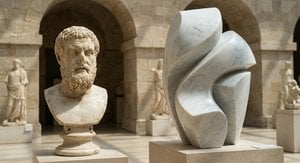
The Enduring Allure of Marble in Art History: From Classical Sculpture to Modern Abstraction
Explore the captivating history of marble sculpture from ancient Greece to modern art. Discover renowned artists like Canova & Michelangelo, carving techniques, and investment insights at ArtsDot.

Top 10 majstrovských diel renesancie a humanizmu pre váš domov | ArtsDot
Objavte 10 majstrovských diel renesancie a humanizmu od Leonarda da Vinciho, Michelangela a Raffaella. Prežite príbehy umenia a nájdite dokonalé reprodukcie obrazov pre váš domov na ArtsDot.com!

Top 10 majstrovských diel rannej renesancie: Umění pre váš domov s ArtsDot.com
Objavte top 10 majstrovských diel rannej renesancie – Botticelli, Leonardo da Vinci a ďalší. Prežite príbehy umenia, techniky a nadčasnú krásu. Reprodukcie obrazov pre váš domov na ArtsDot.com.



