


 Vezi în context
 Trimite
 Distribuie
 Detalii
 Ghidul

 Descarcă
 Produse similare
 Radiografie
 Diaporama
 Statistici
Julia Reading


 Citește mai mult
Reproducere pictată manual în ulei
Pictură în ulei pe pânză, realizată manual de artiștii noștri la dimensiunea și ramele dorite de dumneavoastră, pe comandă. ( Comută pe versiunea Print Treci la imagine digitală)




P118B lei10

P118H lei10

P118W lei10

P438Z lei10

P508JH lei12

P508YH lei12

P805H lei10

P805Z lei10

P919BZ lei10

P919G lei10

P919XJ lei10

P959ZH lei10

P968JZ lei12

W106C lei8

W218G lei10

W218JH lei8

W218Y lei10

W307PJ lei10

W316G lei10

W316PJ lei8

W316Y lei10

W398PJ lei8

W4111J lei10

W500HY lei15

W500JH lei15

W692G lei12

W849H lei8

W940BG lei15

W953PJ lei8




Alegeți dintre dimensiunile noastre prestabilite, care respectă proporțiile originale ale operei de artă.

Introduceți lățimea și înălțimea de care aveți nevoie, pentru a se potrivi ramei sau peretelui dumneavoastră. Această lucrare este pictată manual, așa că pentru o dimensiune cu o formă diferită, artistul poate picta puțin mai mult în jurul imaginii sau poate tăia puțin din margini — dumneavoastră decideți. Vă vom trimite o simulare digitală pentru aprobare înainte de a începe pictarea. Imaginea afișată pe această pagină nu reprezintă rezultatul real — doar simularea este reprezentativă.
După plasarea comenzii, echipa ArtsDot.com va contacta clientul prin e-mail pentru instrucțiuni și îi va furniza o previzualizare a machetei
Livrare în întreaga lume () în 3-4 săptămâni, în loc de cele 5 săptămâni standard. (23 Octombrie). Fără compromisuri în ceea ce privește calitatea.

Livrare expres gratuită la nivel mondial

Pânză de in premium

Asigurare completă pentru transport

Garanție de rambursare a taxelor vamale

Garanția fidelității culorilor

Politica de retur în 100 de zile (doar pentru defecte)

Garanție de rambursare 100%

Reducere pentru comenzi multiple
 Opțiunea cu sticlă este disponibilă doar pentru dimensiuni de sub 110 cm

Julia Reading
Tip de reproducere
Dimensiune reproducere
-


Preț total
lei 1220
A Snapshot of Urban Life: Unveiling "Julia Reading"
William James Glackens’ “Julia Reading,” painted in 1916, isn't merely a portrait; it’s a meticulously crafted window into the burgeoning dynamism and subtle social currents of early 20th-century New York City. Born during the height of the Ashcan School movement, Glackens rejected the idealized depictions favored by the National Academy of Design, instead choosing to capture the gritty reality of everyday life – the bustling streets, the casual interactions, and the quiet moments within a rapidly changing metropolis. “Julia Reading” exemplifies this approach, offering a glimpse into a specific scene that simultaneously feels intimate and profoundly connected to the larger urban narrative.
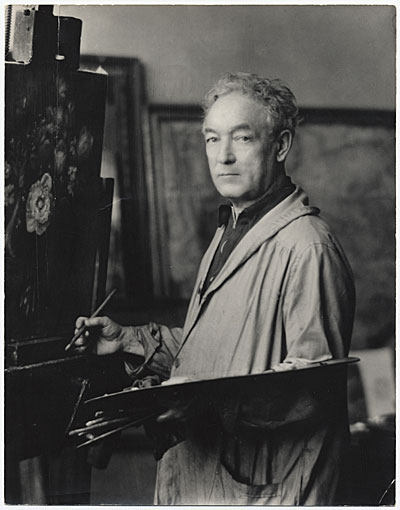
The painting immediately draws the eye to its central figure, a woman engrossed in a book. Her posture – slightly turned towards the viewer, her hand resting delicately on the page – conveys a sense of quiet contemplation amidst the implied activity around her. Glackens’ masterful use of light and shadow establishes a strong focal point, directing our gaze to Julia's face and highlighting the subtle details of her expression. The inclusion of two other individuals—a man standing behind her and another seated further back—adds layers of narrative complexity without disrupting the primary focus. These figures, though less defined, contribute to the sense of a shared space, a moment captured within the larger tapestry of urban life.
The Ashcan School: A Rejection of Tradition
Glackens was a key figure in the Ashcan School, a movement that challenged the established norms of American art. Rejecting the polished surfaces and grand narratives of academic painting, the Ashcan artists sought to depict the realities of urban life with honesty and immediacy. They favored working-class subjects, unvarnished scenes, and often employed a darker palette—a deliberate choice reflecting the sometimes bleak conditions of city living. “Julia Reading” embodies this spirit perfectly; it’s not a romanticized vision of New York, but rather a realistic portrayal of a woman finding solace in literature within its crowded streets.
The painting's style is characterized by loose brushstrokes and an emphasis on capturing the essence of the scene. Glackens employed a technique reminiscent of Impressionism, using broken color and subtle gradations to create a sense of movement and atmosphere. The composition itself—a slightly off-center arrangement with overlapping planes—adds to the painting’s dynamism and invites the viewer to become part of the scene.
Symbolism and Context: A Moment in Time
The book Julia is reading likely symbolizes escape, knowledge, or perhaps simply a moment of respite from the demands of city life. It's a small detail that speaks volumes about the human desire for intellectual stimulation amidst the chaos of urban existence. The setting itself—a public space filled with implied activity—suggests a sense of anonymity and connection within a large population. “Julia Reading” was painted during a period of rapid industrialization and urbanization in America, a time of significant social and economic change. The painting reflects this transformation, capturing the spirit of a city grappling with modernity while still retaining its inherent human qualities.
A Legacy of Realism: Glackens' Enduring Influence
William James Glackens’ work continues to resonate today because it offers a powerful and honest portrayal of American life. “Julia Reading” stands as a testament to his skill as an artist and his commitment to capturing the realities of the urban experience. His legacy extends beyond individual paintings; he helped pave the way for future generations of artists who sought to depict America with greater authenticity and social awareness. Reproductions of this evocative piece offer a valuable window into a bygone era, inviting viewers to contemplate the timeless themes of human connection, solitude, and the enduring power of art.
Întrebări și răspunsuri
În ce etapă a carierei lui William James Glackens se încadrează „Julia Reading” (1916)?
"Julia Reading", creat în 1916, aparține perioadei Early Period din cariera lui William James Glackens."
Cum pot descoperi opere de artă similare cu "Julia Reading" de William James Glackens?
Opere de artă similare cu "Julia Reading" de William James Glackens sunt grupate în pagina Lucrări similare a lucrării.
Ce tehnică a fost utilizată pentru "Julia Reading" de William James Glackens?
William James Glackens a utilizat tehnica Acrylic On Canvas pentru "Julia Reading". Tehnica definește natura materială a lucrării originale.
Opere similare


Biografie artist
William James Glackens
A pioneer of the Ashcan School, William James Glackens (1870-1938) stands as a pivotal figure in American art history—a champion of realism and an unflinching observer of urban life’s gritty realities. His artistic journey began in Philadelphia, where he absorbed the influence of Thomas Anshutz, a fellow Ashcan School founder, shaping his distinctive style and worldview.Early Life and Influences
Glackens' formative years instilled within him a profound appreciation for detail and observation—qualities that would become hallmarks of his oeuvre. Studying at the Pennsylvania Academy of Fine Arts under Anshutz’s guidance, he honed his skills in capturing the essence of human experience with uncompromising honesty. This dedication to realism was further solidified by exposure to European art movements, notably Impressionism, which subtly informed his later works.Artistic Career: Capturing the Soul of New York
Glackens' artistic output primarily focused on depicting scenes from early 20th-century New York City and Paris—subjects that resonated deeply with the Ashcan School’s ethos. His canvases pulsated with vibrant hues, reflecting not idealized beauty but rather the palpable energy of urban existence. Notable among his achievements was “The Shoppers,” a masterpiece housed in the Chrysler Museum of Art, which exemplifies his masterful technique in conveying atmosphere and emotion. Simultaneously, he diligently documented daily life through illustrations for newspapers and magazines, cementing his reputation as a chronicler of his time. Furthermore, Glackens played an instrumental role in bolstering Albert C. Barnes’ collection—a cornerstone of American art history—by facilitating the acquisition of European paintings.Notable Works and Collections
Glackens' artistic legacy extends beyond individual pieces; it resides in his contribution to establishing a distinct aesthetic tradition. His most celebrated work, “The Shoppers,” exemplifies his ability to distill complex emotions into visual form and is currently displayed at ArtsDot.com’s New Realism Collection. Another significant piece—"View of Haarlem with Bleaching Grounds"—a collaboration with Jacob Isaakszoon van Ruysdael—demonstrates Glackens' meticulous attention to detail and his understanding of artistic craftsmanship, residing in the Forzaza Castle collection in Milan.Legacy and Impact
Glackens’ unwavering commitment to realism challenged prevailing artistic conventions and elevated the depiction of ordinary life as a worthy subject for artistic exploration. His influence can be discerned in subsequent generations of American artists who embraced similar stylistic approaches—a testament to his enduring contribution to the visual arts.
William James Glackens
1870 - 1938 , Statele Unite ale Americii
Informații rapide
- Artistic Movement Or Style: Ashcan School
- Artists Or Movements Influenced By This Artist: ['Pierre Auguste Renoir']
- Artists Who Influenced This Artist: ['Thomas Anshutz']
- Date Of Birth: Philadelphia, SUA 1870
- Date Of Death: Westport, CT 1938
- Full Name: William James Glackens
- Nationality: American
- Notable Artworks:
- The Shoppers
- View of Haarlem with bleaching grounds
- Place Of Birth: Philadelphia, Pennsylvania
Articole conexe

The Ashcan School: Realism, Urban Life & the Democratization of American Art
Explore the revolutionary Ashcan School! Discover how artists like Henri & Sloan challenged tradition with gritty realism, capturing urban life in early 20th-century America. Learn about their impact on American art history.

Realism American: 10 Capodopere Esențiale pentru Decorul Cult și Rafinat
Descoperă 10 capodopere esențiale ale Realismului American! Explorează poveștile din spatele picturilor lui Hopper, Wyeth și Wood. Reproduceri de artă premium pentru un decor rafinat pe ArtsDot.com

Grant Wood & American Regionalism: Identity, Myth & the Rural Landscape
Explore the world of Grant Wood & American Regionalism with ArtsDot. Discover the symbolism behind 'American Gothic', recurring themes, and the movement's lasting impact on art history. High-quality reproductions available.

American Realism: Social Commentary & Artistic Representation in Early 20th-Century Painting
Explore the powerful social commentary & artistic representation of American Realism. Discover key artists like Bellows & Sloan, and understand the movement's lasting impact on 20th-century art history.
William Glackens: Capturing Modern American Life with Ashcan Realism
Explore the life & art of William Glackens, a pioneer of American Realism and founding member of the Ashcan School. Discover his vibrant depictions of early 20th-century New York & Paris. Learn about his influences & lasting legacy.

