Tinerețe, Familie și Formare
Născut în Philadelphia, Pennsylvania, în anul 1870, William James Glackens a pășit într-o lume modelată de munca neîntreruptă a părinților săi, Elizabeth Finn Glackens și Samuel Glackens, angajat la Calea Ferată din Pennsylvania. O inclinație artistică pătrunse deja în sângele familiei; fratele său mai mare, Louis, născut în 1866, și-ar fi găsit ulterior propriul drum ca ilustrator. Tânărul Glackens și-a început educația formală la Central High School, o instituție renumită pentru programul său de artă riguros, care i-a oferit temelia necesară pentru dezvoltarea viziunii sale artistice.
Parcursul său de formare s-a mutat de la sala de clasă la Academia de Arte Fine din Pennsylvania. A fost aici că a trecut sub tutela lui Thomas Anshutz, un realist a cărui influență a ajutat la conturarea direcției primelor sale lucrări. Această perioadă de studii a fost esențială în rafinarea abilităților tehnice care, ulterior, i-ar fi definit abordarea asupra peisajului urban. Glackens nu s-a limitat doar la a observa lumea; el a învățat să traducă mișcarea și asprimea vieții metropolitane pe pânză, printr-o practică disciplinată și profundă.
Stilul și Tehnica Artistică
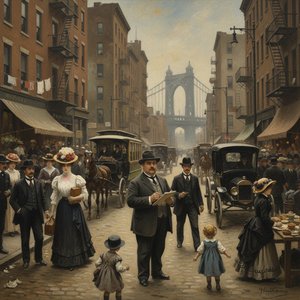
William James Glackens s-a impus ca un pionier al Școlii Ashcan, un mișcare artistică ce a căutat să îndepărteze straturile de vernis perfecte ale artei tradiționale pentru a dezvălui asprimea existenței metropolitane. Primele sale lucrări s-au concentrat pe realitățile neîmprospătate ale Parisului și New York-ului de dinainte de Primul Război Mondial, adesea prin scene de stradă cu nuanțe întunecate, care capturau pulsul vieții urbane. Artistul a utilizat culori îndrăznețe și pictură expresivă pentru a reda mișcarea orașului, descoperind o formă unică de frumusețe în activitățile mundane ale mulțimii. Compozițiile sale se axau frecvent pe energia străzii, portretizând ritmurile zilnice ale oamenilor care navigau prin peisajul urban.
Pe măsură ce cariera sa evolua, paleta sa cromatică a suferit o transformare profundă. Tonurile sombre și grele ale realismului său incipient au cedat loc unei abordări mai luminoase și vibrante. Această schimbare a reflectat un interes tot mai mare pentru delicatețea stilului lui Renoir, mutându-și atenția către naturale, scene de atelier și peisaje. Dacă reputația sa timpurie s-a construit pe umbrele orașului, anii de mai târziu au demonstrat o stăpânire magistrală a luminii și o preferință pentru subiecte mai delicate. William James Glackens a rămas la fel de abil în capturarea liniștii unui peisaj sau a caracterului specific al unui portret, echilibrând intensitatea scenelor urbane cu o sensibilitate cromatică mult mai nuanțată.
Carieră și activități profesionale
Viața profesională a lui William James Glackens a fost profund ancorată în energia debordantă a presei urbane. Înainte de a se consacra definitiv în domeniul artelor frumoase, acesta a activat ca ilustrator de presă, găsind un loc de muncă stabil la publicația Philadelphia Record. Această imersie timpurie în lumea alertă și palpitantă a jurnalismului i-a oferit posibilitatea de a observa, direct și fără filtre, peisajul social în continuă transformare al orașului. Abilitățile sale de ilustrator s-au extins treptat, incluzând colaborări cu diverse reviste atât din Philadelphia, cât și din New York, oferindu-i astfel o bază practică esențială pentru explorările sale ulterioare ale vieții metropolitane.
Pe măsură ce atenția sa s-a mutat către pictură, William James Glackens a devenit o figură centrală în peisajul artistic american de la începutul secolului XX. Ca membru al grupului „The Eight”, el a făcut parte dintr-o cohortă de artiști care au căutat să sfideze standardele estetice dominante ale epocii. Prin această asociere și prin implicarea sa în Școala Ashcan, el a ajutat la definirea unei noi direcții pentru realismul american. Opera sa a depășit subiectele idealizate, concentrându-se în schimb pe realitățile brute și neîmpropiate ale străzilor. Această etapă a carierei sale a marcat o tranziție fascinantă, de la reprezentările urbane aspre, cu nuanțe întunecate, către un stil care reflecta o perspectivă mai amplă și mai colorată, influențată de călătoriile și observațiile sale constante.
Opere Cheie și Capodopere
Pinsula lui William James Glackens a reușit să surprindă stările schimbătoare ale peisajului urban, evoluând de la texturile aspre ale vieții citadine către scene domestice, mult mai sigure și liniștite. Lucrarea sa din 1905, Central Park in Winter, redă o scenă înzăpezită a New York-ului, unde indivizi se adună pe bănzi sau se odihnesc pe pământ, însoțiți de un câine și un cal aflat în depărtare. Această etapă a creației sale s-a concentrat adesea pe dinamismul străzilor, așa cum se observă în The Green Car, pictată în 1910. Astfel de piese reflectau energia unui mediu metropolitan aflat într-o transformare rapidă.
Pe măsură ce stilul său evolua, subiectele sale au trecut spre portrete de o intimitate sporită. La Villette, creată în 1895, rămâne un exemplu semnificativ al stilului New Realism, prezentând o stradă aglomerată a orașului noaptea, unde un tren trece pe sub un pod. Ulterior, atenția sa s-a mutat către liniștea oferită de familie și de natură. În 1919, a realizat Home in New Hampshire, o scenă cu o familie într-o curte din spate, încadrată de un copac impunător. Până în 1922, opera sa includea portrete precum Lenna with Rabbit Hound, care se concentra pe legătura profundă dintre o fetiță și animalul ei de companie.
Capacitatea sa de a destila esența existenței urbane este, probabil, cea mai evidentă în The Shoppers, o operă ce rămâne centrală în întregul său corpus artistic. Această piesă surprinde mișcarea și caracterul vieții de oraș cu o precizie care i-a definit contribuția la realismul american.
- La Villette (1895)
- Central Park in Winter (1905)
- The Green Car (1910)
- Home in New Hampshire (1919)
- Lenna with Rabbit Hound (1922)
Moștenire și Influență
William James Glackens a contribuit esențial la definirea direcției realismului american, devenind unul dintre fondatorii Școlii Ashcan. Această mișcare a căutat să îndepărteze straturile de vernis idealizat și perfectizat ale erelelor trecute, alegând, în schimb, să documenteze realitățile brute și neîmprospătite ale vieții metropolitane. Prin îndreptarea privirii pictorului către asprimea și dinamismul orașului, el a ajutat la mutarea centrului de greutate al artei americane către experiențele tangibile ale erei moderne.
Influența sa s-a extins dincolo de suprafața pânzei, pătrund până în însăși fundațiile instituțiilor de artă americane. El a jucat un rol esențial în sprijinirea lui Albert C. Barnes în achiziția unor picturi europene, un proces care a ajutat la formarea nucleului Barnes Foundation din Philadelphia. Această colecție a devenit, de atunci, un pilon fundamental al istoriei artei americane, asigurând un loc permanent pentru opere de o importanță majoră în conștiința națională.
Unde pot fi admirate astăzi aceste opere
Prezența lui William James Glackens în sfera publică continuă să fie palpabilă prin intermediul mai multor colecții semnificative din întreaga lume, răspândite pe teritoriul Statelor Unite. În New York, Metropolitan Museum of Art păstrează cu grijă reprezentarea sa memorabilă a peisajului din Central Park în timpul iernii. Totodată, pasiunea sa pentru peisajul urban este reflectată și în cadrul Museum of Art Carnegie din Statele Unite, unde este adăpostită piesa La Villette.
Muzeul de Artă din Fort Lauderdale menține, de asemenea, o selecție remarcabilă a creațiilor sale. Vizitatorii acestei instituții pot descoperi piesa Girl in Black Cape, precum și portretul Lenna with Rabbit Hound. Aceste lucrări reflectă diversitatea temelor pe care artistul le-a explorat de-a lungul carierei sale, de la scenele de stradă pline de viață până la portretele intime și pline de emoție.
Pentru cei care doresc să cerceteze mai aprofundat reprezentările sale magistrale ale vieții urbane, capodopera sa, The Shoppers, este disponibilă prin colecția de realism nou de pe ArtsDot.com.
Întrebări și răspunsuri
Ce culori a folosit cel mai des William James Glackens?
Profilul cromatic al lucrărilor lui William James Glackens este prezentat în pagina Genoma Paletei a artistului.
Pot să explorez lucrările lui William James Glackens în funcție de paleta de culori?
Pagina După paletă de culori grupează operele lui William James Glackens în funcție de paletele de culori.
Unde pot fi explorate operele lui William James Glackens, grupate pe teme și cuvinte cheie?
Pagina După cuvinte cheie a lui William James Glackens grupează operele de artă ale artistului în funcție de cuvintele cheie.