


 Vezi în context
 Trimite
 Distribuie
 Detalii
 Ghidul

 Descarcă
 Produse similare
 Radiografie
 Diaporama
 Statistici
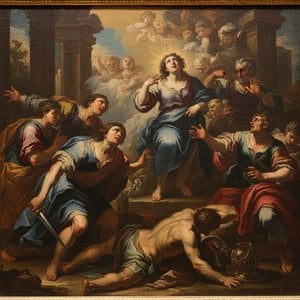
Profet
 Acrilic pe pânză întinsă
- Artă de perete
- Baroque Dramatic Light
 1566
1566 261.0 x 106.0 cm
 Scuola Grande di San Rocco
 Citește mai mult
Reproducere pictată manual în ulei
Pictură în ulei pe pânză, realizată manual de artiștii noștri la dimensiunea și ramele dorite de dumneavoastră, pe comandă. ( Comută pe versiunea Print Treci la imagine digitală)




P118B lei10

P118H lei10

P118W lei10

P438Z lei10

P508JH lei12

P508YH lei12

P805H lei10

P805Z lei10

P919BZ lei10

P919G lei10

P919XJ lei10

P959ZH lei10

P968JZ lei12

W106C lei8

W218G lei10

W218JH lei8

W218Y lei10

W307PJ lei10

W316G lei10

W316PJ lei8

W316Y lei10

W398PJ lei8

W4111J lei10

W500HY lei15

W500JH lei15

W692G lei12

W849H lei8

W940BG lei15

W953PJ lei8




Alegeți dintre dimensiunile noastre prestabilite, care respectă proporțiile originale ale operei de artă.

Puteți introduce propriile dimensiuni pentru a se potrivi unui anumit cadru sau spațiu. Dacă dimensiunea selectată nu corespunde proporțiilor imaginii originale, vom decupa opera de artă sau vom extinde pictura cu elemente suplimentare pictate manual. O simulare digitală vă va fi trimisă pentru aprobare înainte de începerea producției.
Vă rugăm să rețineți că previzualizarea de pe ecran nu reflectă decuparea sau extinderea reală. Doar macheta va arăta cu exactitate compoziția finală.
Deși sunt disponibile dimensiuni personalizate, vă recomandăm să selectați o dimensiune din lista predefinită pentru a păstra proporțiile originale.
După plasarea comenzii, echipa ArtsDot.com va contacta clientul prin e-mail pentru instrucțiuni și îi va furniza o previzualizare a machetei
Livrare în întreaga lume () în 3-4 săptămâni, în loc de cele 5 săptămâni standard. (8 Octombrie). Fără compromisuri în ceea ce privește calitatea.

Livrare expres gratuită la nivel mondial

Pânză de in premium

Asigurare completă pentru transport

Garanție de rambursare a taxelor vamale

Garanția fidelității culorilor

Politica de retur în 100 de zile (doar pentru defecte)

Garanție de rambursare 100%

Reducere pentru comenzi multiple
 Opțiunea cu sticlă este disponibilă doar pentru dimensiuni de sub 110 cm

Profet
Tip de reproducere
Dimensiune reproducere
-


Preț total
lei 1188
Un Portrait Epic al Luminii și Dramatismului: „Profetul” de Jacopo Tintoretto
Jacopo Robusti, cunoscut sub numele său artistic Tintoretto, este unul dintre cei mai fascinanți și enigmatici artiști ai Renașterii Tardive și începuturilor Barocului. Pseudonimul său, „Tintoretto”, derivat din ocupația familiei sale – țesător – pare să contrasteze puternic cu măiestria extraordinară pe care o va demonstra în timpul vieții sale. Spre diferența multor contemporani săi, care beneficiază de programe educaționale structurate, traseul lui Tintoretto a fost în mare măsură autodeterminat, impulsionat de o curiozitate nesfârșită și de o determinare feroce pentru inovare. În timp ce există informații despre un scurt și nereușit stagiu sub îndrumarea lui Titian – maestru consacrat al culorilor venețiene –, pare că experiența acestuia a fost mai controversată decât formativă. Alegerea lui Titian de a-l exclude pe tânărul Jacopo – fie din cauza rivalității artistice, fie din cauza unor diferențe fundamentale în abordare artistică – l-a determinat pe Tintoretto să urmeze o cale independentă caracterizată de experimente îndrăzneațe și de un stil unic. Și-a dedicat timpul studiului anatomiei cu meticulozitate obsesivă, explorând limitele reprezentării umane într-o manieră revoluționară pentru vremea sa. Acest studiu atent nu doar că îl pregătește pentru realizarea unor opere impresionante din punct de vedere tehnic și estetic, ci și reflectă preocupările culturale ale unei epoci în schimbare, marcate de interesul crescut pentru studiul corpului uman și pentru exprimarea emoțiilor autentice.- Stil și Tehnică: Tintoretto este cunoscut pentru stilul său dramatic și expresiv, caracterizat printr-o iluminare puternică și contrastată – tehnica „chiarizare” – care creează efecte impresionante de lumină și umbre. În „Profet”, această tehnică este folosită în mod magistral pentru a accentua emoțiile și semnificația simbolurilor picturii.
- Context Istoric: Lucrarea a fost creată în anul 1566, într-o perioadă de tranziție între Renaștere și Baroc, când Veneția era centrul artistic și intelectual al Europei. Tintoretto se afla în vârstă aproximativ 48 ani și reprezintă unul dintre cei mai influenți artiști ai vremii sale, fiind admirat pentru abilitatea sa de a captura esența umanității și puterea emoțiilor.
- Simbolism: Figura reprezentată este un simbol puternic al credinței religioase și al spiritualității. În tradiția creștină, profeții erau persoane considerate că au primit revelații divine și că erau în măsură să transmită mesajul lui Dumnezeu oamenilor. Această asociere simbolică adaugă profunzime și semnificație picturii, invitând privitorii să reflecteze asupra întrebărilor fundamentale legate de existență și credință.
- Impact Emotional: „Profetul” este o operă care provoacă emoții puternice în privitor. Lumina dramatică și expresia facială a subiectului creează un sentiment de apropiere și empatie, capturând esența umanității și puterea emoțiilor autentice.
Întrebări și răspunsuri
Cine a creat "Profet"?
„Profet” a fost creat de Tintoretto. Informațiile de pe această pagină descriu opera originală a lui Tintoretto.
Culorile din "Profet" de Tintoretto sunt vii sau discrete?
Culorile din "Profet" de Tintoretto prezintă o saturație de Culori discrete cu o intensitate de Echilibrat.
Ce tip de operă de artă este "Profet" de Tintoretto?
În catalog, "Profet" de Tintoretto este clasificat ca Artă de perete. Această categorie ajută la găsirea unor lucrări similare.
Ce paletă de culori este folosită în "Profet" de Tintoretto?
Culorile din "Profet" formează o paletă Tonalități pământii. Această clasificare descrie familiile de culori dominante.
Ce stare și ce emoție transmite "Profet" de Tintoretto?
În "Profet", o atmosferă Dramatic însoțește o emoție Misterios.
La ce vârstă a creat Tintoretto opera „Profet”?
Tintoretto avea 48 ani când a creat "Profet" în 1566. Vârsta este calculată pe baza anului nașterii artistului, 1518.
În ce an a fost creată "Profet" de Tintoretto?
"Profet" de Tintoretto a fost creat(ă) în 1566.
Opere similare


Biografie artist
A Venetian Master of Drama and Light
Jacopo Tintoretto, born Jacopo Robusti in Venice around 1518, remains one of the most compelling and enigmatic figures of the High Renaissance and early Baroque periods. His very nickname, “Tintoretto” – little dyer – speaks to his family’s trade, yet it belies the immense artistry that would distinguish him from all others. Unlike many artists who benefited from structured apprenticeships, Tintoretto's path was largely self-directed, fueled by an insatiable curiosity and a relentless drive for innovation. While accounts suggest a brief and unsuccessful stint under Titian, the acknowledged master of Venetian colorism, it seems the experience proved more contentious than formative. Titian’s alleged dismissal of the young Jacopo – whether due to jealousy or artistic disagreement – spurred Tintoretto toward an independent course, one characterized by audacious experimentation and a uniquely dynamic style. He immersed himself in anatomical study, reportedly through dissection, and honed his skills by meticulously copying classical sculpture and the works of other masters. This dedication laid the foundation for a career that would redefine Venetian painting.Forging a Distinctive Style: *Il Furioso*
Tintoretto’s artistic development was marked by an almost feverish energy, earning him another evocative nickname: *Il Furioso* – “the Furious One.” This moniker wasn't merely descriptive of his working pace but also captured the intensity and emotional charge that permeated his canvases. His early works already hinted at a departure from traditional Venetian conventions. While acknowledging Titian’s influence in color, Tintoretto gravitated towards Michelangelo’s powerful figures and dramatic compositions. He synthesized these influences into something entirely new: a style characterized by elongated forms, swirling draperies, and an innovative use of perspective that often created a sense of dizzying depth and movement. He abandoned the meticulous finish favored by his contemporaries, opting instead for a rapid, almost sketch-like brushstroke that conveyed immediacy and raw emotion. This technique, combined with his masterful manipulation of light and shadow – *chiaroscuro* – allowed him to create scenes of unparalleled drama and psychological intensity. He wasn’t simply depicting events; he was conveying their emotional core. His compositions were often dynamic and asymmetrical, defying the balanced arrangements typical of earlier Renaissance art.Monumental Achievements: San Rocco and Beyond
Tintoretto's prodigious output spanned decades, encompassing religious narratives, historical allegories, and portraits. However, his most significant achievement lies in the cycle of paintings he created for the Scuola Grande di San Rocco, a Venetian confraternity dedicated to Saint Roch. Over a period of more than fifty years, Tintoretto adorned the Scuola’s halls with over sixty canvases, transforming it into a breathtaking visual testament to faith and human experience. Works like “The Last Supper,” completed late in his life, demonstrate his continued experimentation with perspective and composition. Departing from traditional depictions, Tintoretto placed the scene in a dramatically lit, architecturally unstable space, emphasizing the emotional turmoil of Christ’s final meal with his disciples. Other notable works include “The Miracle of St Mark Freeing the Slave,” a powerful display of dynamic composition and foreshortening, and numerous paintings for Venetian churches and palaces that showcase his mastery of scale and narrative storytelling. These monumental projects cemented Tintoretto's reputation as one of Venice’s most important artists.Influences and Artistic Connections
Tintoretto’s artistic journey was shaped by a complex interplay of influences. While deeply indebted to Titian for his understanding of color, he also drew inspiration from the dynamism of Michelangelo, evident in the powerful musculature and dramatic gestures of his figures. The influence of classical sculpture is palpable in the idealized forms and carefully rendered draperies that characterize many of his works. Furthermore, Tintoretto’s studio was a hub of artistic exchange, attracting students and collaborators such as Paolo Veronese and Domenico Robusti (Tintoretto's son), who continued to develop and expand upon his innovative style. The rivalry with Titian, fueled by professional jealousy and differing aesthetic philosophies, undoubtedly spurred Tintoretto toward greater independence and experimentation. His work reflects a synthesis of these diverse influences, resulting in a uniquely Venetian style that pushed the boundaries of artistic expression.Legacy and Historical Significance
Jacopo Tintoretto died in Venice in 1594, leaving behind a vast and influential body of work. He bridged the gap between the High Renaissance and the Baroque period, anticipating many of the stylistic innovations that would define the latter. His dramatic compositions, expressive brushwork, and innovative use of light and shadow profoundly influenced artists such as Caravaggio, Rembrandt, and Delacroix. He wasn’t merely a painter; he was a visual storyteller who understood how to harness the power of art to evoke emotion and inspire awe. As one of the three great Venetian painters of the 16th century – alongside Titian and Paolo Veronese – Tintoretto played a crucial role in shaping the artistic landscape of Venice during its golden age. His work reflects not only the religious fervor and political tensions of his time but also a uniquely personal vision that continues to resonate with audiences today, solidifying his place as one of history’s most important and captivating artists. His legacy is a testament to the enduring power of artistic innovation and the transformative potential of human creativity.
Tintoretto
1518 - 1594 , Italia
Informații rapide
- Artistic Movement Or Style: Renaștere, Mannerism
- Artists Or Movements Influenced By This Artist:
- Caravaggio
- Baroc
- Artists Who Influenced This Artist:
- Titian
- Michelangelo
- Date Of Birth: 1518
- Date Of Death: 1594
- Full Name: Jacopo Comin zis Tintoretto
- Nationality: Italian
- Notable Artworks:
- Miracolo S. Marco
- Ultima Cina
- Assunzione Vergine
- Place Of Birth: Venetia, Italia
Articole conexe

Drama Barocă: Cum să Aduceți Splendoare și Emoție în Interioarele Contemporane
Descoperiți cum să integrați splendoarea stilului baroc în locuința dumneavoastră! Ghid complet cu elemente de design, culori și inspirație pentru interioare luxoase și pline de emoție.
The Dramatic Flourish: Exploring Baroque Painting's Emotional Intensity & Artistic Innovations
Explore the dramatic world of Baroque painting! Discover its history, defining characteristics, iconic artists like Caravaggio & Rubens, and lasting influence on Western art. Expert insights for collectors.

Jacopo Tintoretto: Cele Mai Remarcabile 25 de Capodopere – Artă Clasică pentru Decorul Tău
Descoperă cele mai frumoase 25 de picturi ale lui Jacopo Tintoretto! Explorează capodopere renascentiste venețiene, scene biblice dramatice și stilul unic al artistului. Reproduceri artă de calitate muzeală pentru decorul tău pe ArtsDot.com.

The Visceral Stage: Exploring Dramatic Narratives & Emotional Intensity in Baroque Art
Explore the dramatic world of Baroque art! Discover iconic masters like Caravaggio & Rembrandt, their techniques, and the movement's lasting impact. Expert insights for collectors & enthusiasts at ArtsDot.

The Dramatic Flourish: Exploring the Baroque Movement's Enduring Legacy in Art History
Explore the dramatic world of Baroque art! Discover iconic artists like Caravaggio & Rubens, defining techniques, and its lasting impact on art history. Expert insights for collectors & enthusiasts at ArtsDot.


