


 Vezi în context
 Trimite
 Distribuie
 Detalii
 Ghid
Ghid

 Descarcă
 Produse similare
 Radiografie
 Diaporama
 Statistici
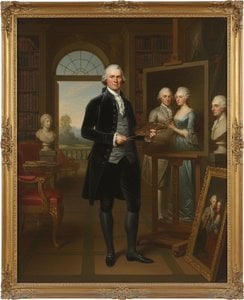
PORTRAIT D'HOMME


 Citește mai mult
Giclée / Imprimare artistică
Printuri giclée sau pe canvas de calitate muzeală, cu proces de producție rapid și opțiuni flexibile de finisare. ( Comandă pictură realizată manual Treci la imagine digitală)




P118B $10

P118H $10

P118W $10

P438Z $10

P508JH $12

P508YH $12

P805H $10

P805Z $10

P919BZ $10

P919G $10

P919XJ $10

P959ZH $10

P968JZ $12

W106C $8

W218G $10

W218JH $8

W218Y $10

W307PJ $10

W316G $10

W316PJ $8

W316Y $10

W398PJ $8

W4111J $10

W500HY $15

W500JH $15

W692G $12

W849H $8

W940BG $15

W953PJ $8




Alegeți dintre dimensiunile noastre prestabilite, care respectă proporțiile originale ale operei de artă.

Puteți introduce propriile dimensiuni pentru a se potrivi unui anumit cadru sau spațiu. Dacă dimensiunea selectată nu corespunde proporțiilor imaginii originale, vom decupa lucrarea de artă sau vom extinde imaginea cu margini oglindite sau cu o culoare uniformă. Un mockup digital va fi trimis pentru aprobarea dumneavoastră înainte de începerea producției.
Vă rugăm să rețineți că previzualizarea de pe ecran nu reflectă decuparea sau extinderea reală. Doar mockup-ul va arăta cu exactitate compoziția finală.
Deși dimensiunile personalizate sunt disponibile, vă recomandăm să selectați o dimensiune din lista predefinită pentru a păstra proporțiile originale.
Livrare în întreaga lume () în 2 săptămâni, în loc de cele 4/5 săptămâni standard. (22 Septembrie)

Livrare expres gratuită la nivel mondial

Pânză de in premium

Asigurare completă pentru transport

Garanție de rambursare a taxelor vamale

Garanția fidelității culorilor

Politica de retur în 100 de zile (doar pentru defecte)

Garanție de rambursare 100%

Reducere pentru comenzi multiple
 Opțiunea cu sticlă este disponibilă doar pentru dimensiuni de sub 110 cm

PORTRAIT D'HOMME
Giclée / Imprimare artistică
Dimensiune reproducere
-


Preț total
$ 62
A Glimpse of Regency Dignity: Sir Thomas Lawrence’s ‘Portrait D’Homme’
Sir Thomas Lawrence's “Portrait D’Homme,” a grayscale masterpiece, offers more than just a likeness; it’s a carefully constructed window into the social and artistic landscape of Regency England. This intimate portrait, likely created around 1805, transcends mere representation to embody the era’s values of status, intellect, and quiet contemplation. The painting immediately draws the viewer in with its tightly cropped composition – a deliberate choice that focuses entirely on the subject's face and upper torso, creating an immediate sense of intimacy and drawing us into his world. The subtle gradations of tone and texture, achieved through masterful brushwork, suggest layers upon layers of paint, building depth and a remarkable sense of tactile richness.
Lawrence’s style is firmly rooted in the neoclassical tradition, yet infused with a distinctly Romantic sensibility. The careful rendering of wrinkles around the eyes and mouth speaks to both age and experience, hinting at a life lived fully – a dignified presence conveyed through the artist's skillful manipulation of light and shadow. The restrained palette, dominated by shades of grey, lends an air of formality and seriousness, reflecting the subject’s position within society. Notice how the folds of his clothing are not merely sketched but sculpted with delicate brushstrokes, adding volume and a sense of realism that anchors the portrait in its historical context.
The Artist and His Patronage: A Portrait of Regency Society
Sir Thomas Lawrence (1769-1830) was arguably the most prominent portrait painter of his time, achieving unparalleled success during the reign of George III and George IV. Born in Bristol and trained largely without formal instruction, he quickly established himself as a prodigious talent, supported by his family’s modest innkeeping ventures. His early work, primarily pastel portraits, garnered him considerable attention, leading to commissions from wealthy patrons and eventually, royal patronage under Queen Charlotte. Lawrence's rise was fueled by his exceptional ability to capture not just physical likeness but also the character and bearing of his subjects – a skill highly valued in a society obsessed with social standing.
His appointment as President of the Royal Academy in 1820 solidified his position as a leading figure in the British art world. Lawrence’s portraits were not simply commissions; they were carefully crafted statements about identity and status, reflecting the values and aspirations of the elite. He understood that a portrait was more than just an image; it was a symbol – a visual testament to wealth, influence, and social standing. His work served as both a record of the era and a powerful tool for shaping its perception.
Technique and Symbolism: Layers of Meaning
The painting’s grayscale palette immediately evokes a sense of timelessness and gravitas, reminiscent of classical sculpture or early photography. Lawrence's technique is characterized by meticulous detail and a remarkable ability to render texture – from the smooth skin of the face to the subtle folds of the fabric. The use of *impasto*, building up thick layers of paint in certain areas, adds visual interest and emphasizes key features, particularly around the eyes and mouth, drawing attention to the subject’s expression.
Beyond its technical brilliance, “Portrait D’Homme” is rich in symbolic meaning. The subject's dignified posture, the carefully chosen attire, and the subtle details of his appearance all contribute to a portrait that speaks volumes about his status and identity within Regency society. The painting can be interpreted as a meditation on aging, experience, and the enduring power of memory – a quiet reflection on a life well-lived. The restrained composition and muted tones invite contemplation, suggesting a depth of character beyond mere appearance.
Bringing ‘Portrait D’Homme’ to Life: A Reproduction for Today
ArtsDot is proud to offer meticulously hand-painted reproductions of Sir Thomas Lawrence's “Portrait D’Homme,” capturing the essence of this iconic work with unparalleled fidelity. Our artists recreate the painting’s subtle nuances, rich textures, and evocative atmosphere using traditional oil painting techniques. Whether you are a discerning art collector, an interior designer seeking to infuse your space with Regency elegance, or simply an admirer of classic portraiture, our reproduction provides a beautiful and authentic representation of this remarkable masterpiece. Experience the timeless beauty and quiet dignity of “Portrait D’Homme” – a window into a bygone era brought vividly to life.
Opere similare


Biografie artist
A Brushstroke of Regency Splendor: The Life and Art of Sir Thomas Lawrence
Born amidst the bustling port city of Bristol in 1769, Sir Thomas Lawrence emerged as a prodigious talent, a child prodigy whose artistic gifts blossomed with astonishing speed. His early years were marked by a nomadic existence, following his father’s ventures as an innkeeper through Devizes and finally to Bath. It was within the convivial atmosphere of these inns that young Lawrence first captivated audiences, not merely reciting poetry but also sketching remarkably accurate portraits – a skill honed without formal instruction, fueled instead by innate ability and keen observation. Even then, it was clear this was no mere youthful pastime; he was supporting his family with his pastel portraits while still in Bath, demonstrating an entrepreneurial spirit alongside his artistic flair. This early independence fostered a self-reliance that would characterize his entire career, even as he navigated the complex world of aristocratic patronage.Ascension to Portraiture’s Pinnacle
The move to London at the tender age of eighteen marked Lawrence's true ascent. He quickly established himself as a portrait painter in oils, securing his first royal commission – a portrait of Queen Charlotte in 1789 – and catapulting him into the heart of London society. This was not simply about technical skill; Lawrence possessed an uncanny ability to capture not just likeness but also *character*, imbuing his subjects with a flattering yet insightful presence. He became a master of capturing the glamour and sophistication of the Regency era, painting nobility, royalty, and prominent figures with a virtuoso handling of paint that drew comparisons to Sir Joshua Reynolds, whom he greatly admired. Lawrence’s election as an associate, then full member, of the Royal Academy in 1791 and 1794 respectively solidified his position within the established art world. He succeeded Reynolds as Painter-in-Ordinary to the King in 1792, a role that further cemented his status and provided access to the highest echelons of power. His style, while evolving subtly over time, remained consistently elegant and refined, prioritizing graceful poses, rich colors, and meticulous attention to detail.Patronage, Prestige, and the Waterloo Chamber
The patronage of the Prince Regent (later King George IV) proved pivotal in Lawrence’s career. This relationship led to one of his most ambitious undertakings: the commission to paint portraits of allied leaders for the Waterloo Chamber at Windsor Castle. These monumental works, intended to commemorate the defeat of Napoleon, showcased not only Lawrence's technical prowess but also his ability to handle large-scale compositions and capture the gravitas of international figures. The project brought him widespread acclaim and further enhanced his reputation across Europe. In 1815, he was knighted, a testament to his artistic achievements and service to the Crown. He later became President of the Royal Academy in 1820, a position he held until his death. His involvement extended beyond painting; Lawrence played a crucial role in founding the National Gallery and securing the Elgin Marbles for Britain, demonstrating a commitment to preserving and promoting British art and culture.A Legacy Tempered by Complexity
Despite his success, Lawrence’s life was not without its complexities. He struggled with financial difficulties throughout much of his career, often burdened by debt despite earning substantial sums from his commissions. His personal life was marked by tumultuous relationships, most notably with Sally and Maria Siddons, daughters of the celebrated actress Sarah Siddons, whose captivating beauty and dramatic lives undoubtedly influenced his work. These connections, while providing inspiration, also brought heartache and scandal. Furthermore, Lawrence’s sitters reflected the social landscape of his time – including both slave owners and abolitionists – a stark reminder of the moral ambiguities inherent in Regency society. His reputation waned somewhat during the Victorian era, as tastes shifted towards more morally didactic art, but has since been partially restored, recognizing him as a master of portraiture and a key figure in British artistic history. His work remains celebrated for its elegance, technical brilliance, and ability to capture the essence of his subjects, offering a captivating glimpse into the world of Regency England.Influences and Enduring Impact
Lawrence’s artistic development was profoundly influenced by Sir Joshua Reynolds, whose emphasis on capturing character and employing a fluid brushstroke resonated deeply with the young artist. He also diligently studied Old Master drawings, particularly those by Michelangelo and Raphael, absorbing their anatomical precision and compositional skills. While rooted in tradition, Lawrence's work also reflected the emerging Romantic sensibilities of his time, embracing glamour and emotional intensity. His influence can be seen in the works of later portrait painters who sought to emulate his style and capture the spirit of an era. Though he faced personal struggles and a decline in popularity during the Victorian period, Sir Thomas Lawrence’s legacy endures as one of Britain's most accomplished and captivating portraitists, a testament to his talent, charm, and enduring contribution to the world of art.
Thomas Lawrence
1769 - 1830 , Regatul Unit al Marii Britanii și Irlandei
Informații rapide
- Artistic Movement Or Style: Portretizare regină
- Artists Or Movements Influenced By This Artist: ['Romanticism']
- Artists Who Influenced This Artist: ['Reynolds']
- Date Of Birth: 13 april 1769
- Date Of Death: 7 ianuarie 1830
- Full Name: Sir Thomas Lawrence
- Nationality: Britanic
- Notable Artworks:
- Regina Charlotte
- Camera Waterloo
- Place Of Birth: Bristol, UK
Articole conexe

Sir Thomas Lawrence: Portraiture, Power & Regency Society's Aesthetics
Explore the captivating world of Sir Thomas Lawrence, Regency England's premier portraitist. Discover his artistic techniques, powerful representations of society, and enduring legacy. Expert insights for discerning art collectors.

Sir Joshua Reynolds: Cele Mai Remarcabile 25 de Capodopere – Artă Clasică pentru Decorul Tău
Descoperă cele mai frumoase 25 de picturi ale lui Sir Joshua Reynolds! Portrete clasice, stil neoclasic și capodopere romantice. Găsește inspirație pentru decorul tău și achiziționează reproduceri de artă de calitate muzeală pe ArtsDot.com.
Sir Nathaniel Dance-Holland: Portraiture, Patronage & Georgian Identity
Explore the life & art of Sir Nathaniel Dance-Holland, a leading Georgian portraitist. Discover his masterful technique, influential patrons, and lasting impact on 18th-century British society. A guide for discerning collectors.

Thomas Phillips: Portraiture, Patronage & the Rise of Victorian Society Art
Explore the life & work of Thomas Phillips (1770-1845), a leading Victorian portrait painter renowned for his captivating portrayals of Britain's 'men of genius'. Discover his artistic journey, patronage, and lasting legacy.

Sir Alfred James Munnings: Cele Mai Iubite 25 de Capodopere – Artă Excepțională pentru Decorul Casei Tale
Descoperă cele mai frumoase 25 de picturi ale lui Alfred James Munnings! Explorează capodoperele impresionismului britanic, scene rurale vibrante și arta ecvestră. Reproduceri de artă de calitate muzeală pentru decorul casei tale pe ArtsDot.com


